
Mexican Jay
Aphelocoma wollweberi
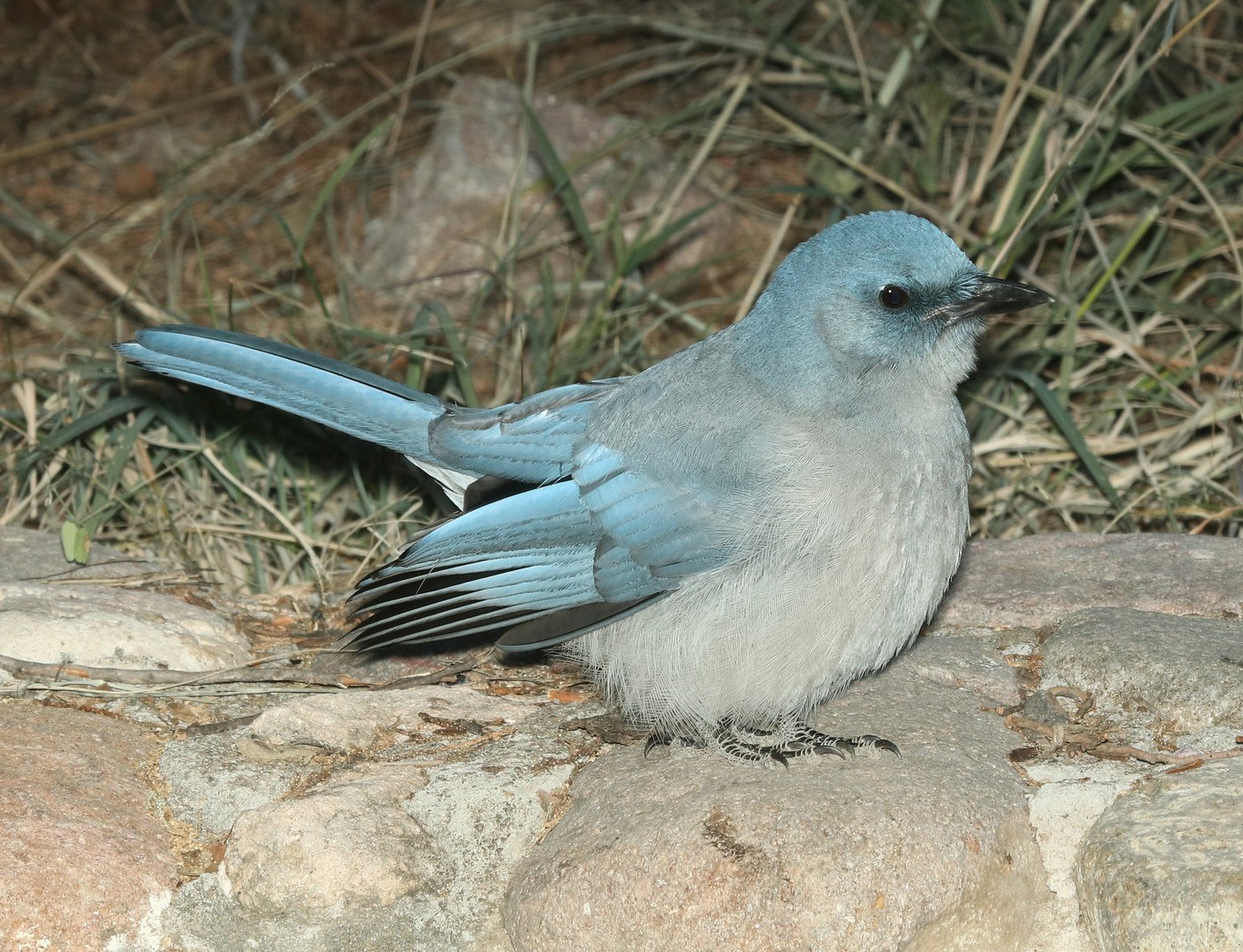
A plain blue-and-gray jay of southwestern mountain oak woodlands that lives in cooperative family flocks year-round.
- Size
- 28-31 cm (11-12 in) long, 48-53 cm wingspan
- Habitat
- oak and pine-oak woodlands of southwestern mountain ranges
- Type
- songbird
Spotted a bird like this?
Identify any bird from a photo, free.
Overview
The Mexican Jay is a large, unmarked jay of the mountain oak and pine-oak woodlands of the American Southwest and Mexico. It shows a soft blue head, wings, and tail contrasting with a pale gray back and underparts, lacking the crest, bold face pattern, or streaking seen in many other jays. Formerly lumped with the Transvolcanic Jay of central Mexico under the name "Gray-breasted Jay," it was split into two species in 2011.
Mexican Jays are famously social, living in cooperative groups of up to 20 birds that jointly defend territory, store acorns, and help raise young, making them a favorite subject of long-term behavioral studies in southeastern Arizona.
How to identify it
Key Field Marks
- Overall dull blue head, wings, and tail with a contrasting pale gray back, throat, and underparts
- No crest, no black facial mask, and no white markings, giving a plain, unpatterned look
- Stout black bill; juveniles have a pale, yellowish bill that darkens with age
Similar Species
- Woodhouse's Scrub-Jay shows a more contrasting blue necklace, white throat, and blue breast band, and lacks the plain gray back of the Mexican Jay.
- Steller's Jay has a prominent black crest and much darker, sootier plumage, unlike the plain blue-gray Mexican Jay.
- Pinyon Jay is uniform dull blue overall without the pale gray back and underparts.
Habitat & range
Mexican Jays inhabit evergreen oak and pine-oak woodlands in mountain "sky island" ranges of southeastern Arizona, southwestern New Mexico, and western Texas, extending south through the Sierra Madre of Mexico. They favor mid-elevation canyons and slopes with a mix of oaks, junipers, and pines that provide abundant acorns and pine seeds.
The species is non-migratory, with family groups remaining on well-defined territories throughout the year.
Behavior & voice
Voice
Gives a distinctive, weak, questioning wink or quirp call, quite different from the harsher calls of many other jays, along with various rattles and chatter within flocks.
Feeding
Forages on the ground and in trees for acorns, pine seeds, and insects; caches large numbers of acorns in the ground each fall to survive winter, playing an important role in oak dispersal.
Nesting
Breeds cooperatively in extended family groups, with non-breeding helpers, often offspring from previous years, assisting in feeding nestlings and defending the territory against predators.
Frequently asked questions
How is the Mexican Jay different from a Scrub-Jay?
The Mexican Jay has a plain gray back and underparts without the white throat and blue breast band that scrub-jays show, giving it a more uniform, unpatterned appearance.
Why are Mexican Jays known for cooperative breeding?
They live in extended family groups where non-breeding helpers, usually young from earlier broods, assist in raising the next generation, a behavior extensively studied in Arizona populations.
Where do Mexican Jays live?
They inhabit oak and pine-oak woodlands in mountain ranges of southeastern Arizona, southwestern New Mexico, west Texas, and Mexico's Sierra Madre.
Was the Mexican Jay ever considered part of another species?
Yes, it was formerly lumped with the Transvolcanic Jay as the 'Gray-breasted Jay' until the two were split into separate species in 2011.
Mexican Jay guides
In-depth guides for identifying, finding, and understanding Mexican Jay.
Other birds you may enjoy
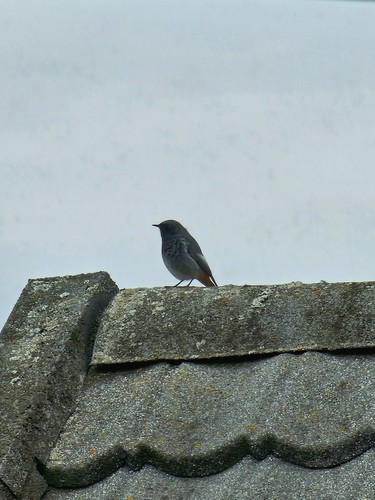
Black Redstart
13-14.5 cm (5.1-5.7 in) long, 23-26 cm wingspan
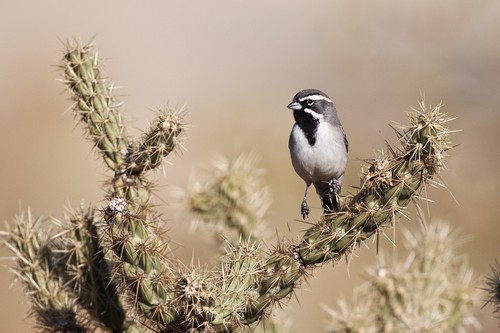
Black-throated Sparrow
12-14 cm (4.7-5.5 in) long, about 19-20 cm (7.5-8 in) wingspan
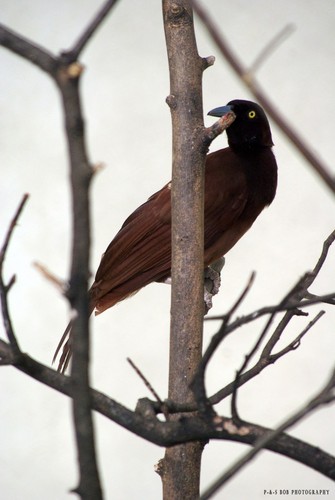
Greater Bird-of-paradise
Body about 43 cm; males with additional flank plumes up to 50 cm and long tail wires
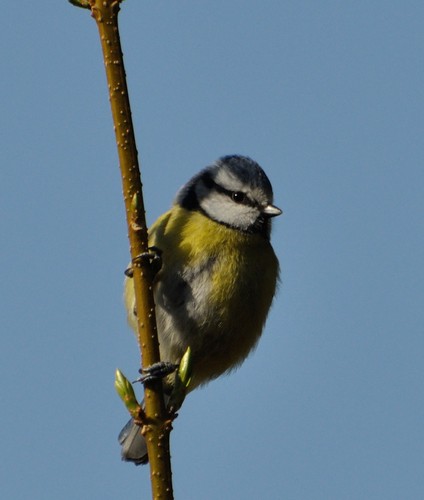
Blue Tit
11-12 cm (4.3-4.7 in) long, 17-20 cm wingspan

Red-billed Quelea
11.5–13 cm long, wingspan about 20–22 cm
White-plumed Antbird
13-14 cm (5-5.5 in) long
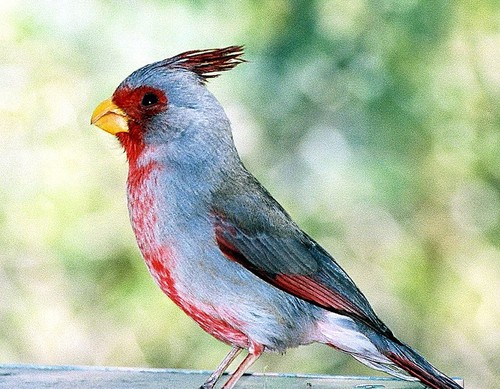
Pyrrhuloxia
19-22 cm (7.5-8.7 in) long, 30 cm wingspan
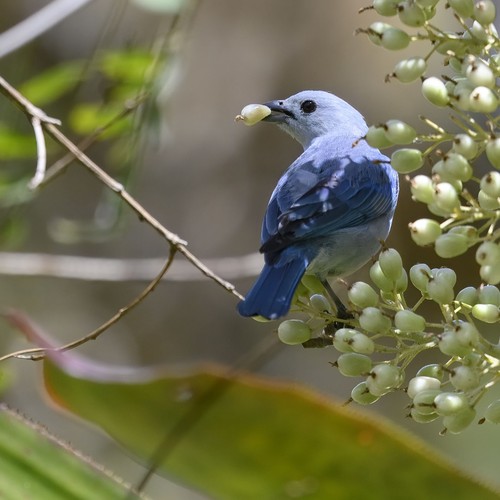
Blue-gray Tanager
16-18 cm (6-7 in) long
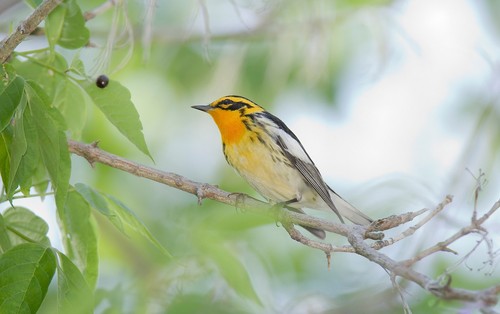
Blackburnian Warbler
11-13 cm (4.3-5.1 in) long, 20-22 cm wingspan
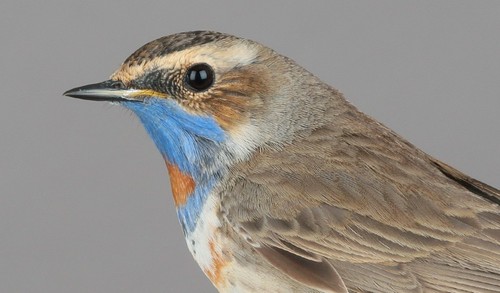
Bluethroat
13-14 cm (5.1-5.5 in) long, 20-22 cm wingspan
Eurasian Nuthatch
12-14.5 cm (4.7-5.7 in) long, 22.5-27 cm wingspan
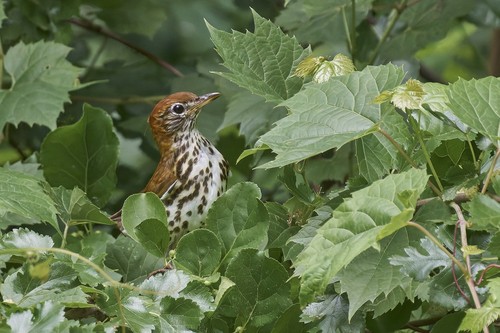
Wood Thrush
19-21 cm (7.5-8.3 in) long, about 33 cm (13 in) wingspan