
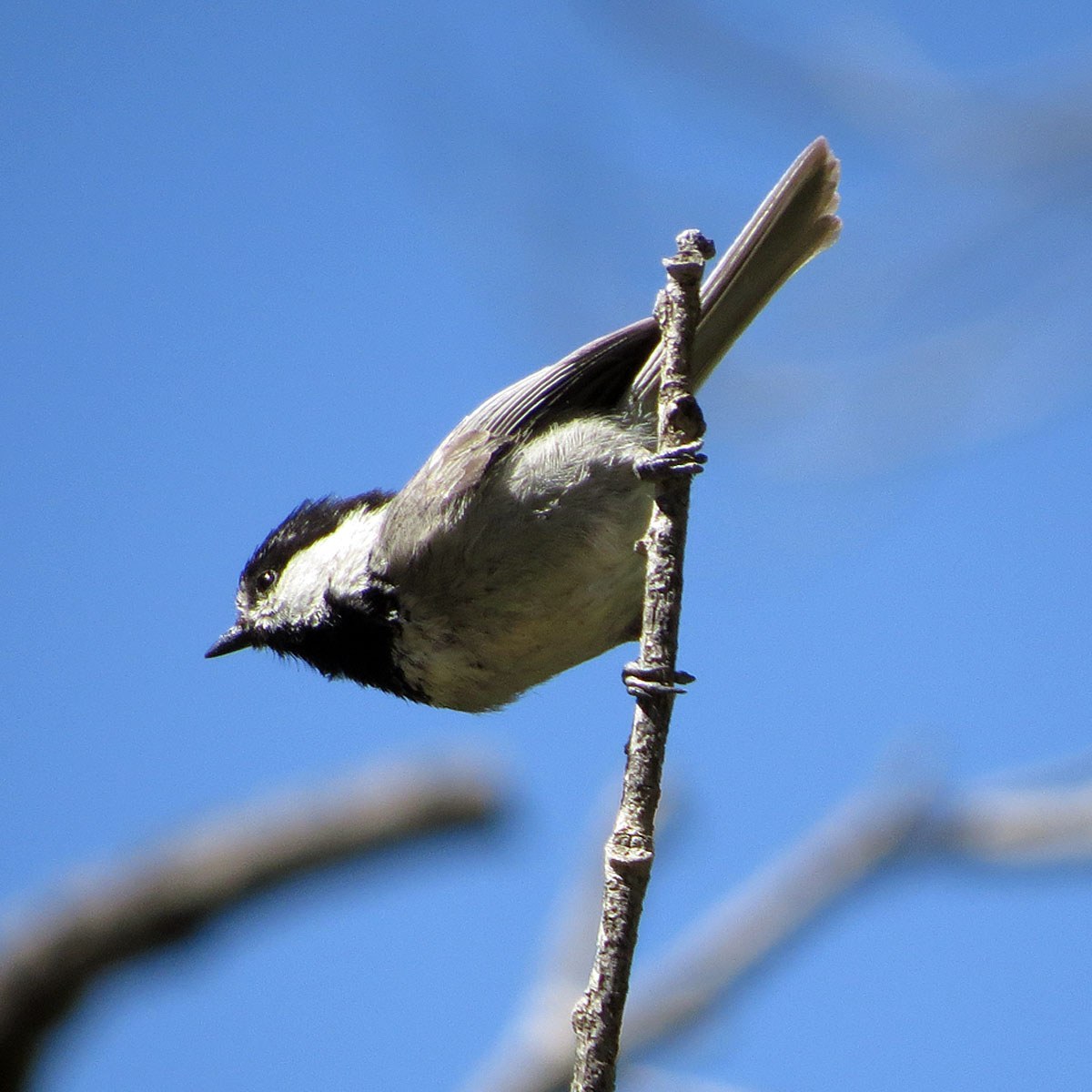
Mexican Chickadee
Poecile sclateri
A high-elevation Mexican chickadee that barely reaches the United States in the mountains of southeastern Arizona and southwestern New Mexico.
- Size
- 12-13.5 cm (4.7-5.3 in) long, 19-21 cm wingspan
- Habitat
- high-elevation pine-oak and fir forests of Mexico and the extreme southwestern United States
- Type
- songbird
Spotted a bird like this?
Identify any bird from a photo, free.
Overview
The Mexican Chickadee closely resembles its northern relatives with a black cap and bib, gray back, and pale underparts, but it is distinguished by an extensive black bib that reaches farther down the breast than in other chickadees, along with grayish (not white) flanks. This species reaches the United States only in a handful of high mountain ranges of extreme southeastern Arizona and southwestern New Mexico, such as the Chiricahua Mountains, making it a prized target for birders visiting the region, while the bulk of its range lies within the mountains of Mexico.
It inhabits high-elevation pine, pine-oak, and fir forest, often occurring above 2,100 meters (7,000 feet), and behaves much like other chickadees, foraging actively in small flocks.
How to identify it
Key Field Marks
- Black cap and extensive black bib reaching well down onto the breast
- Gray back, wings, and tail
- Grayish (not bright white) flanks and underparts
- White cheek patch
Similar Species
- Mountain Chickadee: has a white eyebrow stripe, which the Mexican Chickadee lacks, and a smaller black bib.
- Black-capped Chickadee: has a smaller, more restricted black bib and does not overlap in range with the Mexican Chickadee in the U.S.
- Range is the most reliable clue: within the United States, this species occurs only in a few isolated "sky island" mountain ranges near the Mexican border.
Habitat & range
Habitat
Mexican Chickadees inhabit high-elevation coniferous and pine-oak forest, typically montane pine, fir, and mixed forest well above the surrounding desert and grassland.
Range
The species is widespread in the mountains of Mexico, reaching the United States only in isolated "sky island" ranges of extreme southeastern Arizona (notably the Chiricahua Mountains) and adjacent southwestern New Mexico.
Migration
Mexican Chickadees are largely non-migratory residents, remaining within their montane forest habitat year-round, though some local elevational shifts may occur with seasonal weather.
Behavior & voice
Behavior
Like other chickadees, this species forages actively and acrobatically in small flocks, often associating with other montane songbirds such as nuthatches and Yellow-eyed Juncos.
Voice
The call is a hoarse, buzzy "chick-a-dee-dee-dee," similar in structure to other chickadees but distinctive in tone; song consists of simple whistled phrases.
Feeding
Diet includes insects and spiders gleaned from conifer and oak foliage, along with conifer seeds, especially outside the breeding season.
Nesting
Nests are built in tree cavities, often old woodpecker holes in pine or fir snags, lined with moss, fur, and feathers. Clutches typically number 6-8 eggs.
Frequently asked questions
Where in the United States can I find a Mexican Chickadee?
It occurs in the U.S. only in a few isolated high mountain ranges of extreme southeastern Arizona and southwestern New Mexico, most famously the Chiricahua Mountains.
How do I tell a Mexican Chickadee from a Mountain Chickadee?
The Mexican Chickadee lacks the white eyebrow stripe of the Mountain Chickadee and shows a more extensive black bib reaching farther down the breast.
Is the Mexican Chickadee common?
It is common within its core Mexican mountain range but very local and range-restricted within the United States, making it a sought-after species for birders.
What elevation does the Mexican Chickadee prefer?
It typically occurs in high-elevation pine, pine-oak, and fir forest, often above 2,100 meters (7,000 feet).
What does the Mexican Chickadee eat?
Mainly insects and spiders gleaned from foliage and bark, supplemented with conifer seeds, particularly in the nonbreeding season.
Mexican Chickadee guides
In-depth guides for identifying, finding, and understanding Mexican Chickadee.
Other birds you may enjoy
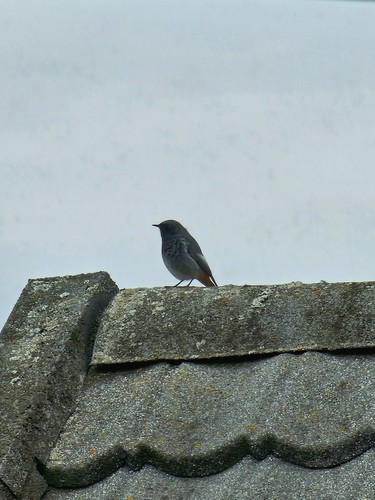
Black Redstart
13-14.5 cm (5.1-5.7 in) long, 23-26 cm wingspan
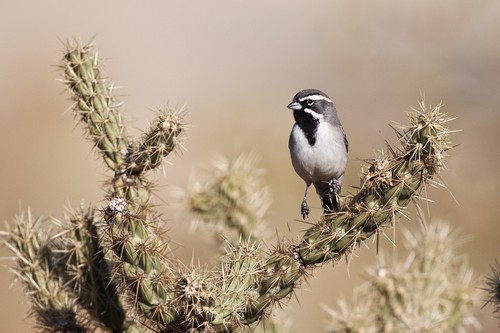
Black-throated Sparrow
12-14 cm (4.7-5.5 in) long, about 19-20 cm (7.5-8 in) wingspan
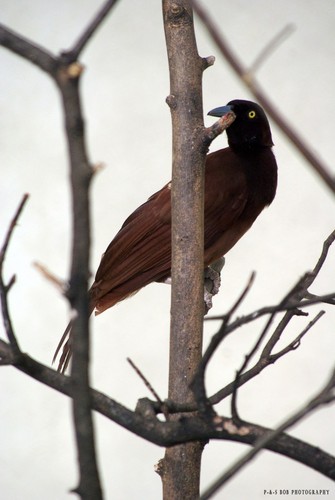
Greater Bird-of-paradise
Body about 43 cm; males with additional flank plumes up to 50 cm and long tail wires
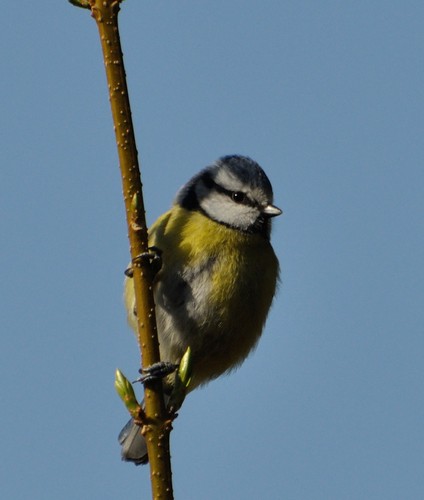
Blue Tit
11-12 cm (4.3-4.7 in) long, 17-20 cm wingspan

Red-billed Quelea
11.5–13 cm long, wingspan about 20–22 cm
White-plumed Antbird
13-14 cm (5-5.5 in) long
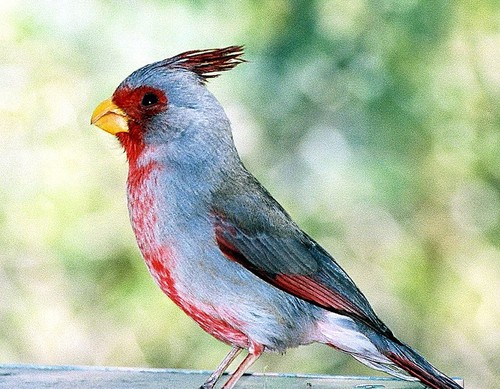
Pyrrhuloxia
19-22 cm (7.5-8.7 in) long, 30 cm wingspan
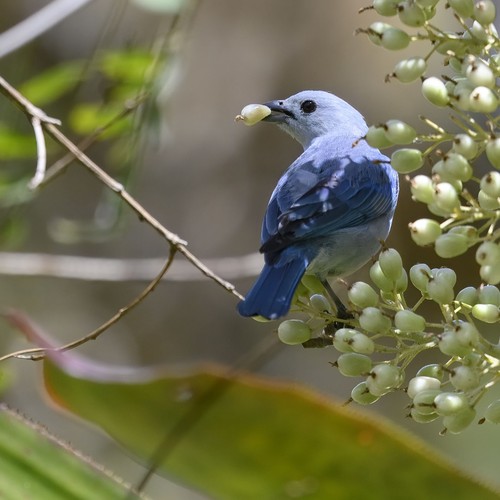
Blue-gray Tanager
16-18 cm (6-7 in) long
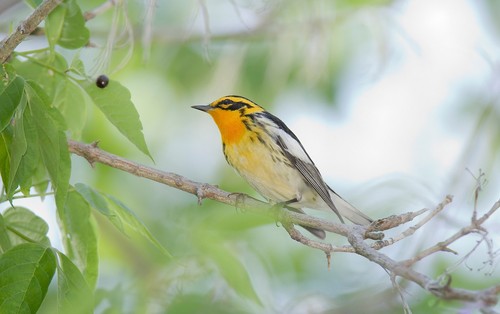
Blackburnian Warbler
11-13 cm (4.3-5.1 in) long, 20-22 cm wingspan
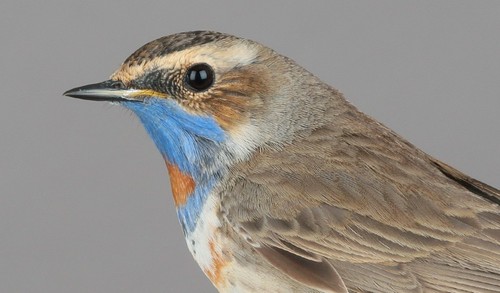
Bluethroat
13-14 cm (5.1-5.5 in) long, 20-22 cm wingspan
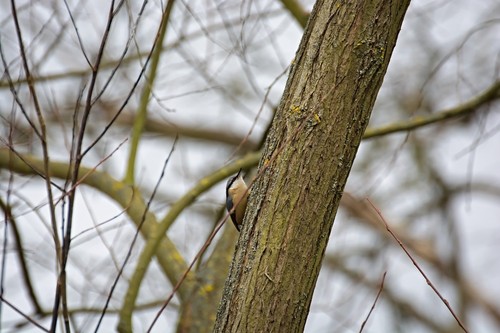
Eurasian Nuthatch
12-14.5 cm (4.7-5.7 in) long, 22.5-27 cm wingspan
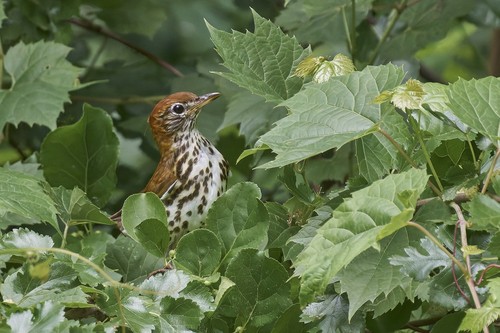
Wood Thrush
19-21 cm (7.5-8.3 in) long, about 33 cm (13 in) wingspan