
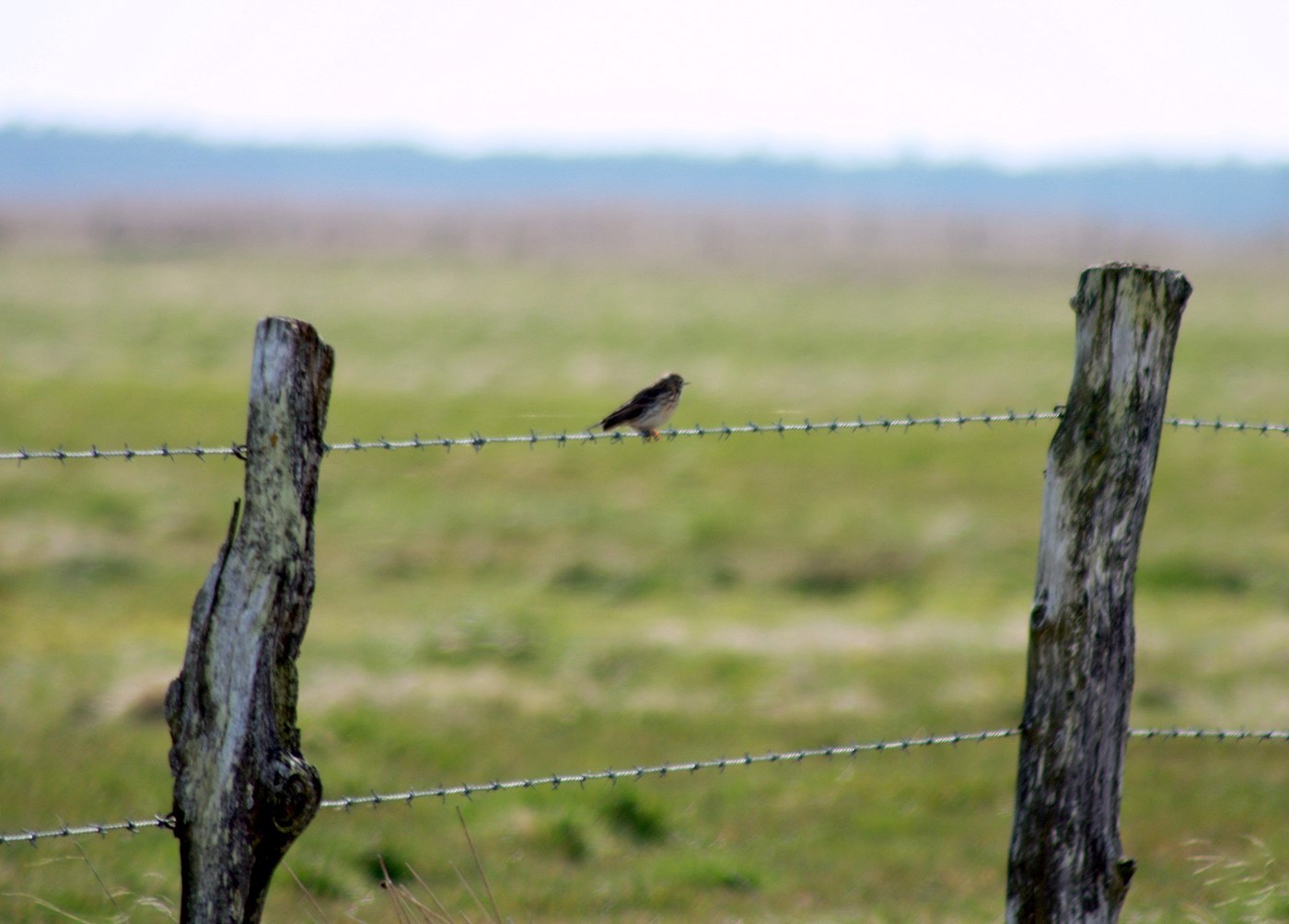
Meadow Pipit
Anthus pratensis
A streaky, unassuming ground bird of open moorland and grassland, often first noticed by its rising, parachuting song-flight or its thin call as it flushes underfoot.
- Size
- 14.5 cm (5.7 in) long, 22-25 cm wingspan
- Habitat
- open moorland, grassland, heath, and coastal marshes
- Type
- songbird
Spotted a bird like this?
Identify any bird from a photo, free.
Overview
The Meadow Pipit is a small, streaky, brown-and-buff bird of open country, easily overlooked on the ground where its cryptic plumage blends well with grass and heather. Streaking covers the crown, back, and breast, while the belly is paler and less marked, and a thin, fine bill reflects its largely insectivorous diet.
In flight, pale outer tail feathers flash briefly, a useful identification feature shared with several other pipit species, and its call, a thin "seep" or "pip-pip," is often the first sign of its presence as it flushes from underfoot.
Despite its plain appearance, the Meadow Pipit performs an engaging display flight, rising into the air on quivering wings before parachuting back down to the ground with wings held in a shallow V, singing steadily throughout the descent.
How to identify it
Key field marks
- Streaked brown-and-buff upperparts and breast
- Paler, less-streaked belly
- Thin, fine bill
- Pale outer tail feathers, visible in flight
- Long hind claw (a general pipit feature, hard to see in the field)
Similar species
- Tree Pipit: very similar in plumage but has a stouter bill, shorter hind claw, and bolder breast streaking; best separated by song, habitat (prefers areas with scattered trees), and behaviour (perches in trees more readily).
- Rock Pipit/Water Pipit: darker legs, greyer or olive tones, and typically found on rocky coasts or near water rather than open moor and grassland.
- Skylark: larger, with a small crest and a different, more sustained hovering song-flight, and a stouter build overall.
Habitat & range
Meadow Pipits breed widely across northern and montane Europe, occupying open habitats such as moorland, rough grassland, heathland, bogs, and coastal marshes, generally avoiding wooded or heavily scrubby areas.
Northern and upland populations are migratory, moving to lower elevations or further south and west for winter, including coastal grassland and farmland, while some southern and lowland populations are more sedentary.
The species is a frequent host for the parasitic Common Cuckoo in open moorland habitats, where cuckoos time their breeding to exploit pipit nests.
Behavior & voice
Voice
The song is a series of thin, accelerating notes delivered during a distinctive rising and parachuting display flight, the male climbing on quivering wings before descending with wings raised in a shallow V while continuing to sing. The call is a thin, repeated "seep" or "pip-pip-pip," often given as the bird flushes.
Feeding
Meadow Pipits feed mainly on insects and other small invertebrates picked from the ground and low vegetation during the breeding season, switching to include more seeds during autumn and winter when insects are scarce.
Nesting and breeding
The nest is a cup of grass built on the ground, well hidden among tussocks or low vegetation. Clutches typically contain three to five eggs, and the species is a frequent host for Common Cuckoo eggs on open moorland.
Frequently asked questions
How do you identify a Meadow Pipit?
Look for a small, streaky brown bird on open ground with a thin bill and pale outer tail feathers, often flushing with a thin 'seep' call or performing a rising, parachuting song-flight.
How is Meadow Pipit different from Tree Pipit?
Meadow Pipit has a finer bill, longer hind claw, and less bold breast streaking than Tree Pipit, and favours open moorland and grassland rather than areas with scattered trees.
What does a Meadow Pipit's display flight look like?
The male rises into the air on quivering wings, singing a series of accelerating notes, then parachutes back down with wings held in a shallow V while continuing to sing.
Why is the Meadow Pipit important to cuckoos?
It is one of the main host species for the parasitic Common Cuckoo on open moorland, with cuckoos laying eggs in Meadow Pipit nests for the pipits to unwittingly raise.
What does a Meadow Pipit eat?
It feeds mainly on insects and other small invertebrates in summer, supplementing its diet with seeds during autumn and winter.
Meadow Pipit guides
In-depth guides for identifying, finding, and understanding Meadow Pipit.
Other birds you may enjoy
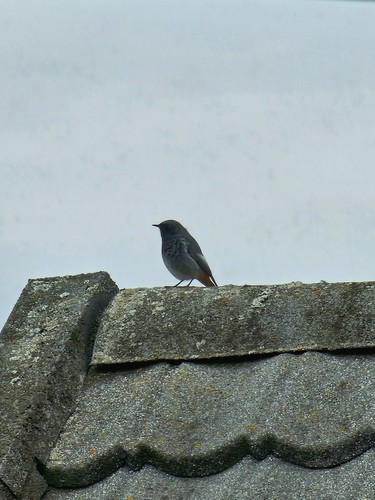
Black Redstart
13-14.5 cm (5.1-5.7 in) long, 23-26 cm wingspan
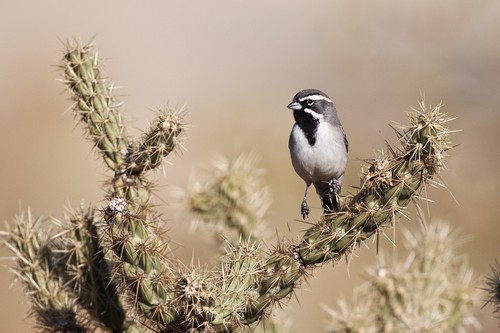
Black-throated Sparrow
12-14 cm (4.7-5.5 in) long, about 19-20 cm (7.5-8 in) wingspan
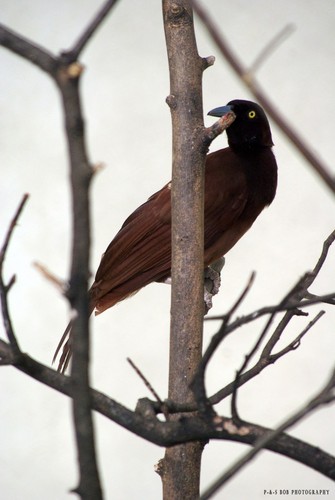
Greater Bird-of-paradise
Body about 43 cm; males with additional flank plumes up to 50 cm and long tail wires
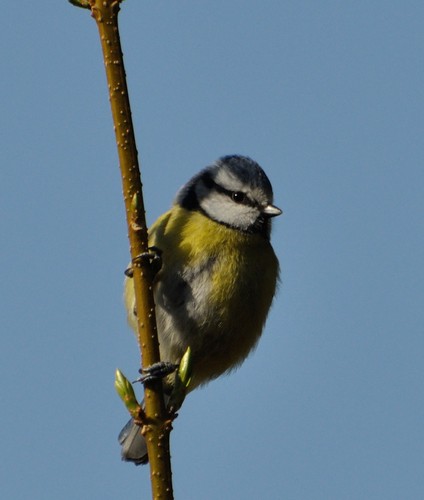
Blue Tit
11-12 cm (4.3-4.7 in) long, 17-20 cm wingspan

Red-billed Quelea
11.5–13 cm long, wingspan about 20–22 cm
White-plumed Antbird
13-14 cm (5-5.5 in) long
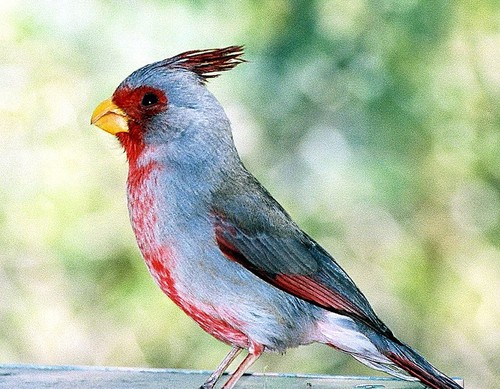
Pyrrhuloxia
19-22 cm (7.5-8.7 in) long, 30 cm wingspan
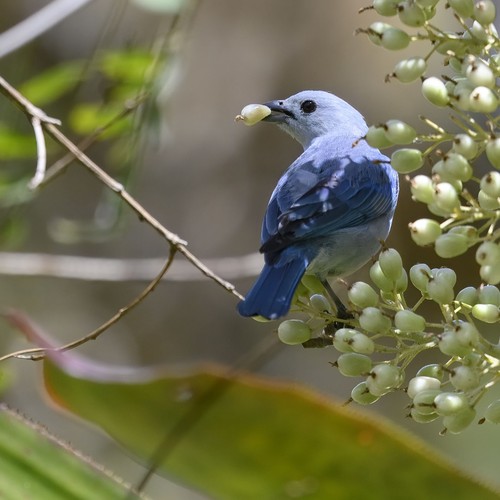
Blue-gray Tanager
16-18 cm (6-7 in) long
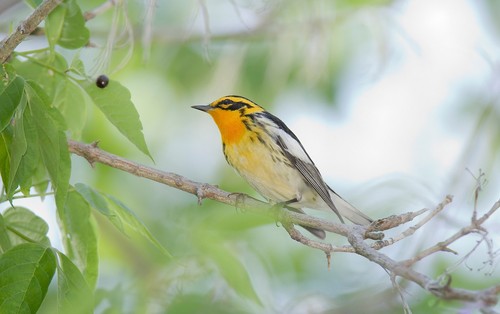
Blackburnian Warbler
11-13 cm (4.3-5.1 in) long, 20-22 cm wingspan
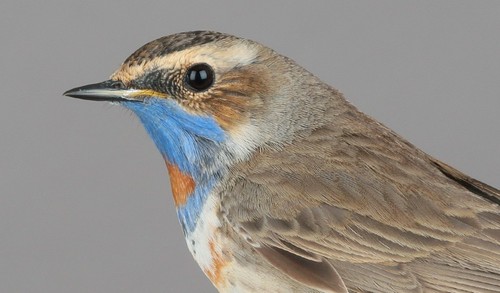
Bluethroat
13-14 cm (5.1-5.5 in) long, 20-22 cm wingspan
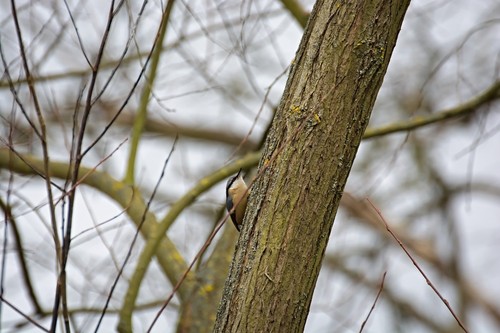
Eurasian Nuthatch
12-14.5 cm (4.7-5.7 in) long, 22.5-27 cm wingspan
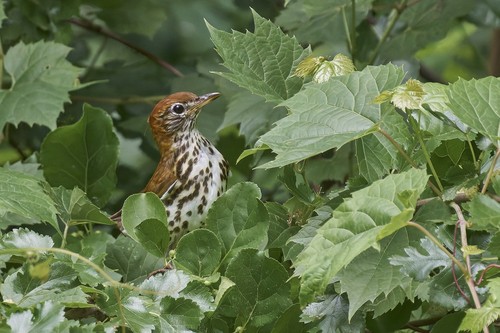
Wood Thrush
19-21 cm (7.5-8.3 in) long, about 33 cm (13 in) wingspan