
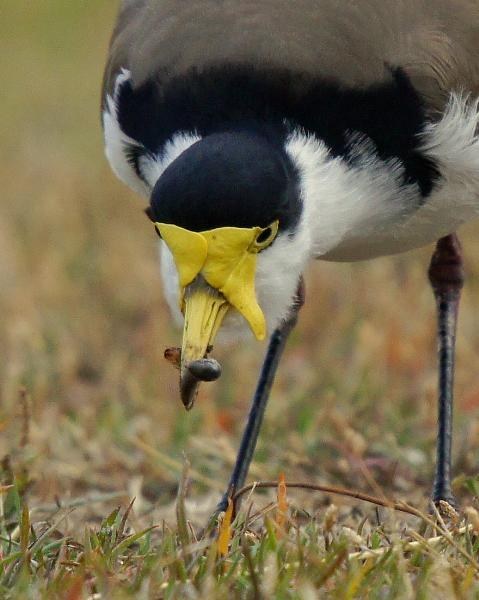
Masked Lapwing
Vanellus miles
A large, loud Australasian lapwing with prominent yellow facial wattles and a sharp yellow spur on each wing, common in parks, pastures, and wetlands.
- Size
- 30-37 cm (12-14.5 in) long, 75-85 cm wingspan
- Habitat
- open grasslands, wetlands, farmland, and urban parks
- Type
- shorebird
Spotted a bird like this?
Identify any bird from a photo, free.
Overview
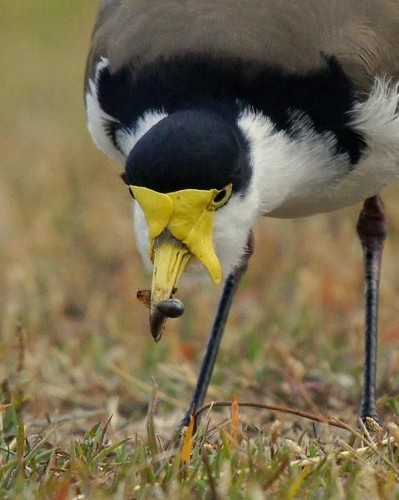
The Masked Lapwing is a large, conspicuous plover instantly recognizable by the large, fleshy yellow wattles that hang from its face, giving it a distinctive "masked" appearance. It has a black crown, brown back, and white underparts, with bright yellow legs and a sharp yellow spur concealed at the bend of each wing, used as a weapon in territorial disputes.
Widespread and often abundant across Australia and New Guinea, it has adapted well to human-modified landscapes and is a familiar sight on sports fields, golf courses, and suburban parks, where its loud alarm calls and aggressive nest defense are well known to residents.
Two subspecies are recognized, differing mainly in the extent of black on the head and the size of the wattles.
How to identify it
Key field marks
- Large yellow facial wattles, unique among lapwings
- Black crown and hindneck, brown back, white underparts
- Bright yellow legs
- Yellow carpal (wing) spur, visible at close range or in disputes
- Loud, rattling alarm call
Similar species
- Southern Lapwing of South America has a red (not yellow) eye-ring and lacks large facial wattles; ranges do not overlap.
- No other Australasian shorebird shares its wattled face.
Habitat & range
Masked Lapwings occupy a wide range of open habitats across Australia, New Guinea, and nearby islands, including wetlands, pastures, farmland, floodplains, and increasingly parks, golf courses, school ovals, and other short-grass urban environments.
Most populations are largely sedentary or make only local movements, though some southern Australian populations shift seasonally in response to rainfall and food availability.
Behavior & voice
Voice
A loud, harsh, rattling kekekekekek alarm call, frequently given in flight, especially when disturbed near a nest.
Feeding
Forages by walking across open ground, using the classic plover run-stop-peck technique to find insects, earthworms, and other invertebrates in short grass or soil.
Nesting
Nests in a simple scrape on open ground, often in highly exposed locations including sports fields, road verges, and rooftops. Extremely defensive of its nest and chicks, it will dive-bomb intruders—including people—while striking with the sharp spurs on its wings.
Frequently asked questions
What are the yellow flaps on a Masked Lapwing's face?
These are fleshy wattles, a distinctive feature unique to this species among lapwings, giving it its masked appearance.
Why does the Masked Lapwing dive-bomb people?
It aggressively defends its nest and chicks from anything it perceives as a threat, including people who walk too close, sometimes striking with the spurs on its wings.
Does the Masked Lapwing have spurs?
Yes, each wing bears a sharp yellow spur at the bend, used as a weapon in territorial and nest-defense disputes.
Where is the Masked Lapwing found?
It is common and widespread across Australia and New Guinea, including in urban parks, farmland, and wetlands.
Masked Lapwing guides
In-depth guides for identifying, finding, and understanding Masked Lapwing.
Other birds you may enjoy
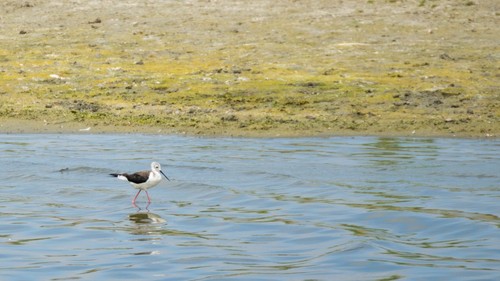
Black-winged Stilt
33-36 cm (13-14 in) long, wingspan 67-83 cm
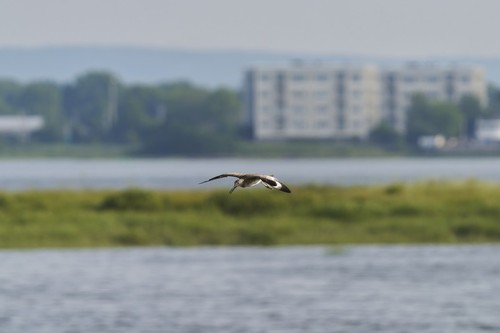
Willet
33-41 cm (13-16 in) long, 65-70 cm wingspan
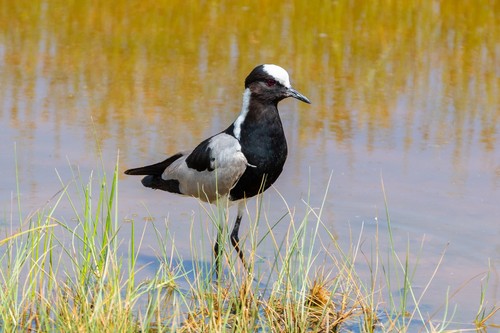
Blacksmith Lapwing
Body length about 30 cm; wingspan 55-65 cm
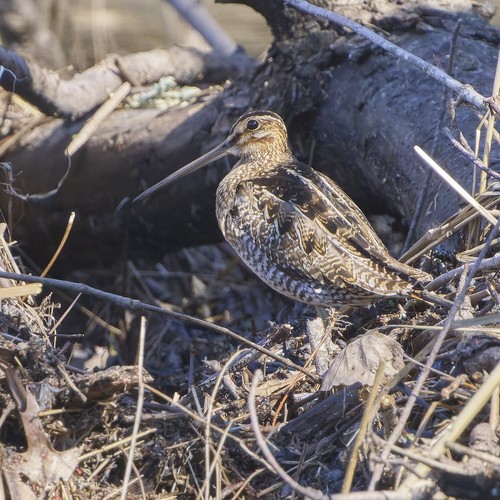
Wilson's Snipe
25-30 cm (10-12 in) long, 39-45 cm wingspan
Western Sandpiper
14-17 cm (5.5-6.7 in) long, 28-37 cm wingspan
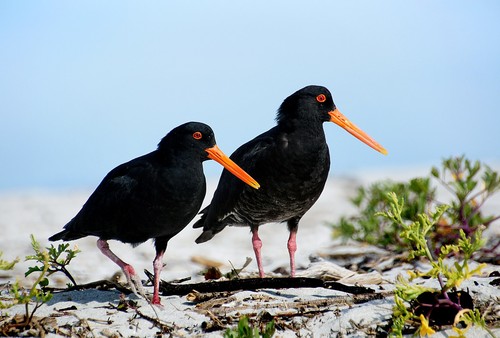
Variable Oystercatcher
46-49 cm (18-19 in) long
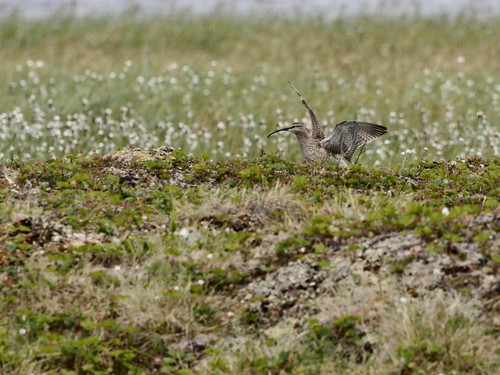
Whimbrel
40-46 cm (16-18 in) long, 76-89 cm wingspan
Wilson's Phalarope
22-24 cm (8.5-9.5 in) long, 37-43 cm wingspan
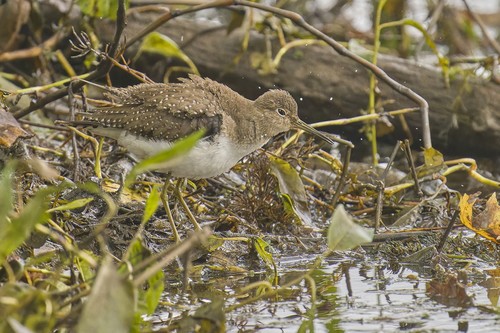
Solitary Sandpiper
19-23 cm (7.5-9 in) long, 50-56 cm wingspan
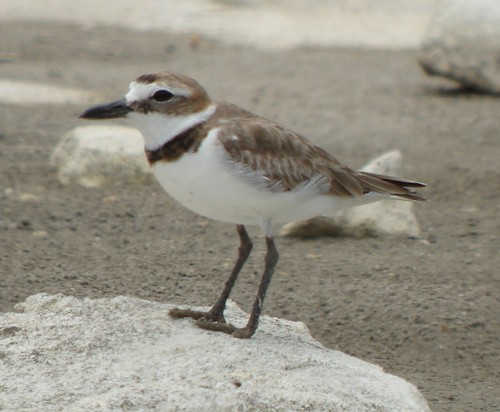
Wilson's Plover
17-19 cm (6.7-7.5 in) long, 45-50 cm wingspan
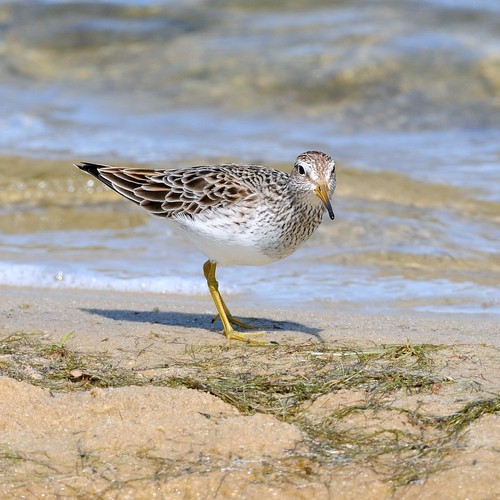
Pectoral Sandpiper
19-23 cm (7.5-9 in) long, 43-49 cm wingspan
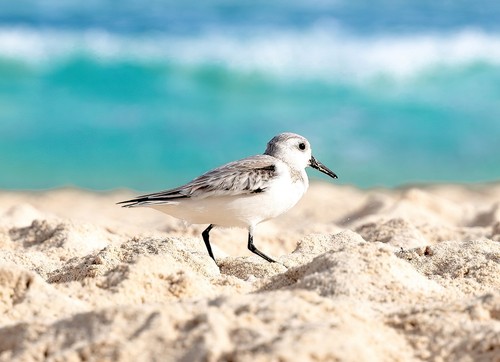
Sanderling
18-20 cm (7-8 in) long, 40-43 cm wingspan