
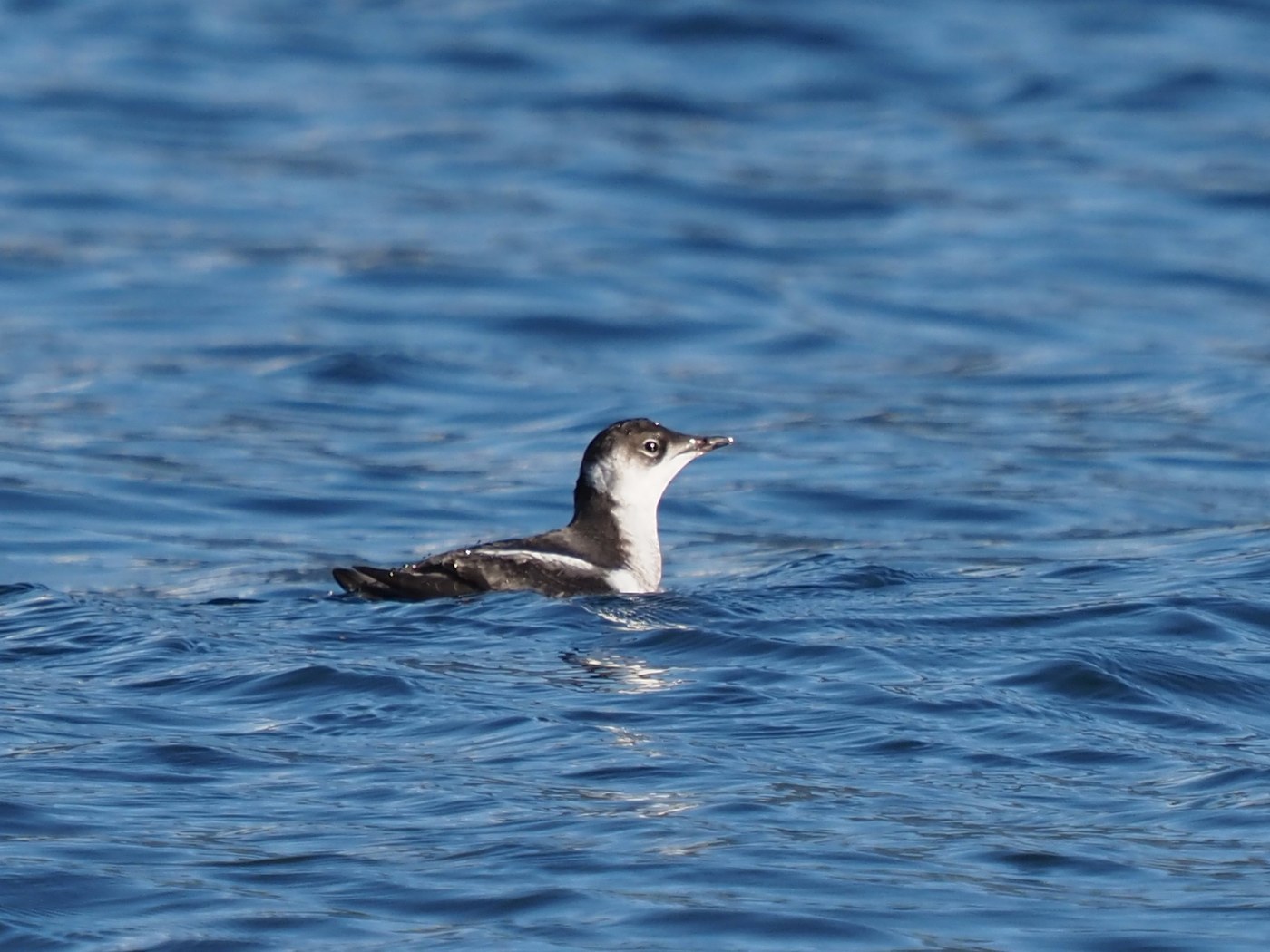
Marbled Murrelet
Brachyramphus marmoratus
A small North Pacific seabird unique among auks for nesting solitarily high in the mossy branches of old-growth conifers, far from the coast.
- Size
- 24-25 cm (9.5-10 in) long, about 40-55 cm wingspan
- Habitat
- nearshore North Pacific waters; nests in old-growth coastal forest
- Type
- seabird
Spotted a bird like this?
Identify any bird from a photo, free.
Overview
The Marbled Murrelet is a small, secretive seabird with an unusual and long-mysterious breeding habit: rather than nesting in colonies on cliffs or in burrows like most auks, it nests solitarily on wide, moss-covered branches high in old-growth conifer trees, sometimes many kilometers inland. In breeding plumage, birds are mottled dark brown overall, providing effective camouflage against tree bark and moss, while in winter they show a cleaner black-and-white pattern more typical of other small auks.
The species' reliance on ancient forest for nesting, combined with its use of nearshore marine waters for feeding, makes it an important indicator of the health of both old-growth forest and coastal marine ecosystems.
How to identify it
Key field marks
- Small, compact body with a short bill
- Mottled dark brown "marbled" plumage in breeding season
- Black-and-white pattern in non-breeding plumage, with a white scapular stripe
- Fast, direct flight low over the water
Similar species
- Long-billed Murrelet, a rare Asian relative, is very similar but slightly larger with subtle plumage differences and a longer bill; it is a rare vagrant elsewhere.
- Cassin's Auklet is similarly small but plainer grey overall, lacking the murrelet's mottled brown breeding plumage.
- Winter Marbled Murrelets can resemble small murres or guillemots at a distance but are much smaller and stockier.
Habitat & range
Marbled Murrelets forage in nearshore marine waters along the North Pacific coast from California north through Oregon, Washington, British Columbia, and into southern Alaska, typically staying within a few kilometers of shore. Uniquely among seabirds, they fly inland, sometimes over 50 kilometers, to nest in old-growth or mature coniferous forest, selecting large trees with wide, moss-covered branches suitable for their unusual nesting habit.
The species does not undertake long-distance migration, but does shift somewhat between nesting and wintering areas along the coast, generally remaining within the broader North Pacific coastal region year-round.
Behavior & voice
Behavior
Marbled Murrelets commute between coastal feeding waters and inland forest nest sites, often flying at dawn or dusk under cover of low light to avoid predators, and their unusual nesting habits kept their breeding sites unknown to science until relatively recently.
Voice
A distinctive sharp, nasal "keer" call is given in flight, especially near forest nest sites and over water.
Feeding
Small fish and invertebrates such as krill are caught by diving in nearshore marine waters, with adults sometimes flying long distances inland to deliver a single fish to their chick.
Nesting and breeding
A single egg is laid directly on a wide, moss-covered branch high in an old-growth conifer, without any nest structure; both parents share incubation duties, commuting individually between the nest and coastal foraging areas to feed the chick.
Frequently asked questions
Where does the Marbled Murrelet nest?
Unusually for a seabird, it nests solitarily on wide, moss-covered branches high in old-growth conifer trees, sometimes far inland from the coast.
Why is the Marbled Murrelet Endangered?
Loss of old-growth forest nesting habitat, along with threats at sea such as gillnet bycatch and oil spills, has driven significant population declines.
How far inland do Marbled Murrelets fly to nest?
They can fly more than 50 kilometers inland from the coast to reach suitable old-growth forest nesting trees.
What does a Marbled Murrelet eat?
Small fish and invertebrates like krill, caught by diving in nearshore marine waters.
How is the Marbled Murrelet different from other auks?
Most auks nest in colonies on cliffs, in burrows, or in rock crevices, while the Marbled Murrelet nests alone on tree branches in old-growth forest, a highly unusual strategy for a seabird.
Marbled Murrelet guides
In-depth guides for identifying, finding, and understanding Marbled Murrelet.
Other birds you may enjoy
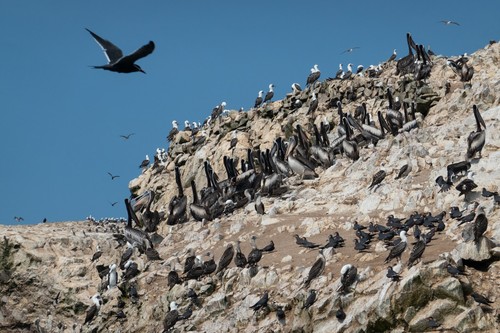
Peruvian Pelican
137-152 cm (54-60 in) long, up to 228 cm wingspan
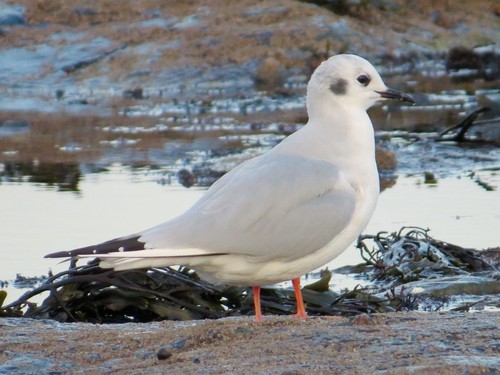
Bonaparte's Gull
28-33 cm (11-13 in) long, 76-84 cm wingspan
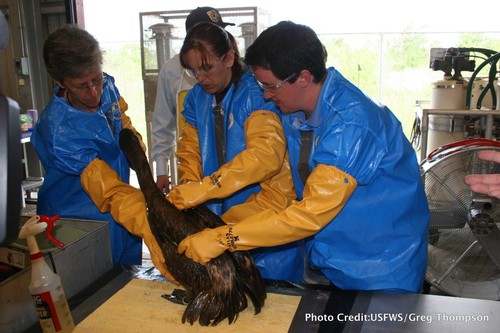
Brown Pelican
106-137 cm (42-54 in) long, 200-230 cm wingspan
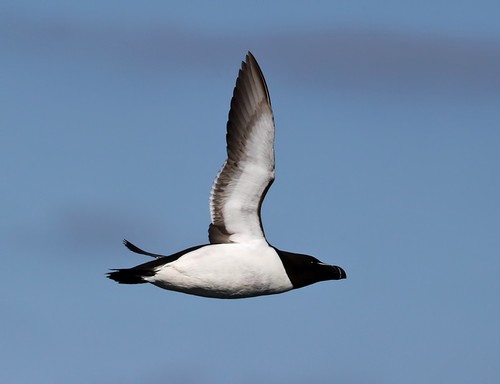
Razorbill
37-39 cm (15-15.5 in) long, 63-68 cm wingspan
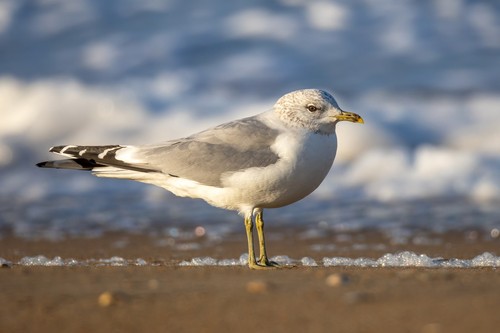
Common Gull
40-46 cm (16-18 in) long, 110-130 cm wingspan
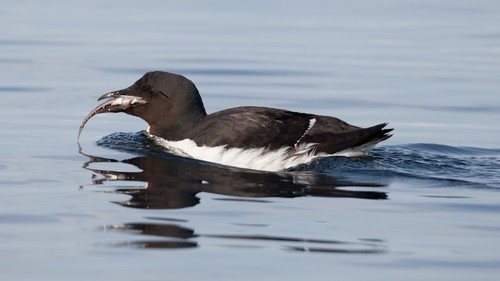
Thick-billed Murre
40-48 cm (16-19 in) long, 65-75 cm wingspan
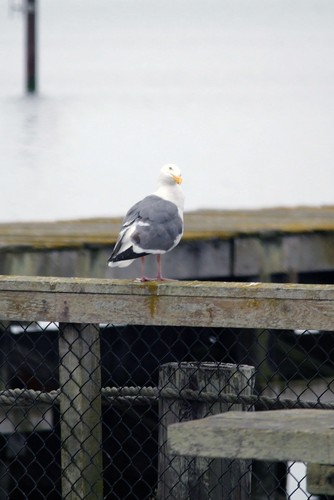
Western Gull
55-68 cm (22-27 in) long, 130-144 cm wingspan
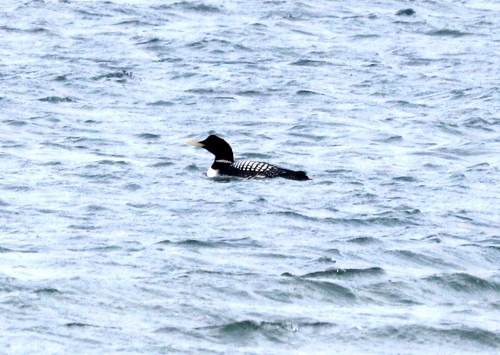
Yellow-billed Loon
76-97 cm (30-38 in) long, 135-152 cm wingspan
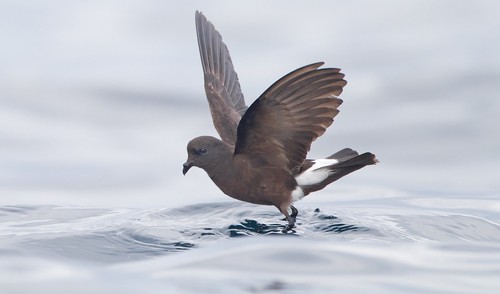
Wilson's Storm-Petrel
15-19 cm (6-7.5 in) long, wingspan 38-42 cm (15-16.5 in)
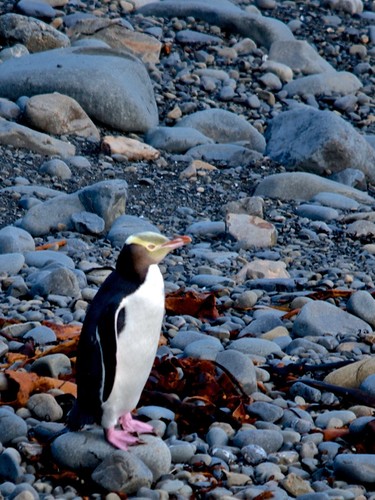
Yellow-eyed Penguin
62-79 cm (24-31 in) tall, 3-8.5 kg (6.6-18.7 lb)
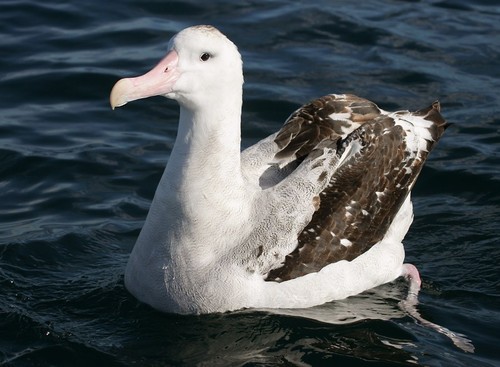
Wandering Albatross
107-135 cm (42-53 in) long, wingspan up to 3.5 m (11.5 ft)
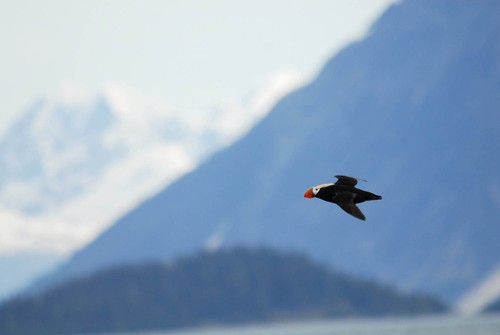
Tufted Puffin
35-41 cm (14-16 in) long, about 63-70 cm wingspan