
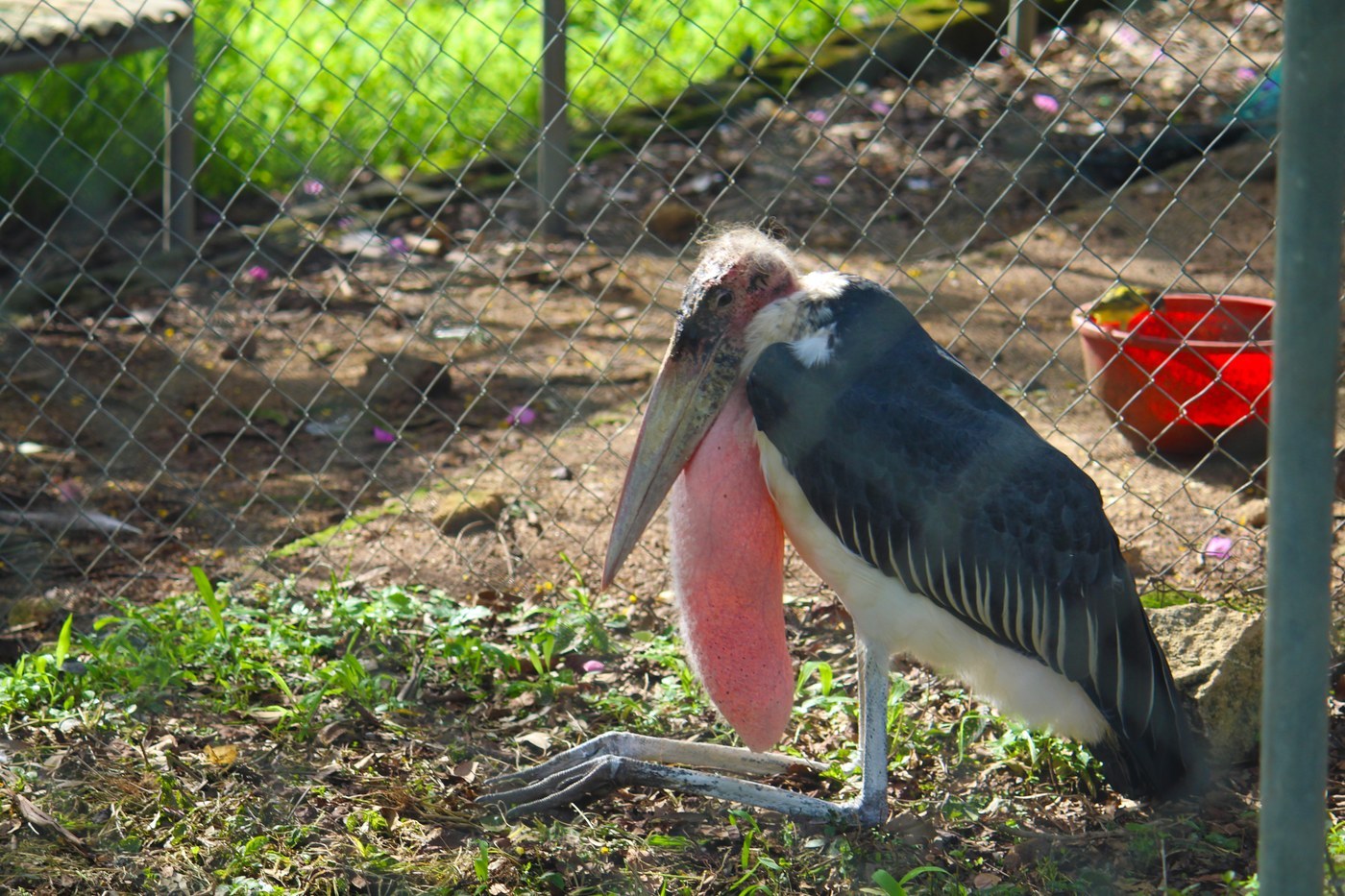
Marabou Stork
Leptoptilos crumenifer
A huge African scavenger stork with a bald pink head, massive bill, and one of the largest wingspans of any living land bird.
- Size
- 110-152 cm (43-60 in) long, 225-287 cm wingspan
- Habitat
- savanna, wetlands, garbage dumps, and open areas across sub-Saharan Africa
- Type
- wading-bird
Spotted a bird like this?
Identify any bird from a photo, free.
Overview
The Marabou Stork is an enormous, unmistakable bird of sub-Saharan Africa, sometimes nicknamed the 'undertaker bird' for its dour expression, hunched posture, and habit of scavenging alongside vultures. It has a bald, blotchy pink or reddish head and neck, a massive wedge-shaped bill, and a pendulous pink air sac (gular pouch) hanging from the throat.
The body plumage is a mix of blackish-grey upperparts and white underparts, with the wings folded to create a cloak-like effect over a hunched frame. Despite its unglamorous appearance, the Marabou Stork is a highly successful and adaptable species, equally at home on the open savanna and in the middle of busy urban garbage dumps.
How to identify it
Key field marks
- Enormous size with a bald, mottled pink head and neck
- Massive, heavy, wedge-shaped bill
- Pink, pendulous throat pouch
- Blackish-grey back and wings, white underparts, hunched stance
- Soars on very broad wings with an exceptionally large wingspan
Similar species
Other large African storks such as the Saddle-billed Stork and Yellow-billed Stork have feathered heads and colorful bills, unlike the Marabou's bald head and dull bill. Vultures, with which Marabous often associate at carcasses, are smaller with hooked bills built for tearing flesh rather than the Marabou's massive dagger-like bill.
Habitat & range
Marabou Storks occupy a wide range of open habitats across sub-Saharan Africa, including savanna, floodplains, lakeshores, and wetlands, but they are equally comfortable around human settlements, fishing villages, slaughterhouses, and open garbage dumps, where they scavenge food waste.
The species is largely resident, though individuals may wander considerable distances in search of food, particularly following the availability of carrion or refuse. It is one of the most widespread and adaptable large storks in Africa, ranging from Senegal and Sudan south to South Africa.
Behavior & voice
Marabou Storks are opportunistic scavengers, often seen alongside vultures at carcasses, using their powerful bills to tear off scraps or to steal food directly. They also actively hunt fish, frogs, insects, rodents, and even other birds, and readily forage at rubbish dumps and fishing docks.
They are typically silent apart from bill-clattering and occasional low grunts or croaks. Marabous nest colonially in tall trees, often alongside other large waterbirds, building large stick platforms. Both parents incubate the 2-3 eggs and feed the chicks. Their enormous wingspan, among the largest of any living bird, allows them to soar efficiently on thermals over long distances while searching for food.
Frequently asked questions
Why does the Marabou Stork have a bald head?
As with vultures, a bald head helps keep the bird cleaner while feeding on carrion, since feathers would otherwise become soiled with blood and gore.
What is the pink pouch on a Marabou Stork's neck?
It is an inflatable gular sac used in vocal and visual displays, particularly during courtship and territorial interactions.
Do Marabou Storks eat other birds?
Yes, in addition to carrion and fish, they will opportunistically prey on smaller birds, chicks, and other small animals.
How big is a Marabou Stork's wingspan?
Its wingspan can reach up to about 2.87 meters (over 9 feet), among the largest of any living land bird.
Why are Marabou Storks found at garbage dumps?
They are highly adaptable scavengers that exploit human food waste as an easy, abundant food source, especially in and around African cities.
Marabou Stork guides
In-depth guides for identifying, finding, and understanding Marabou Stork.
Other birds you may enjoy
Demoiselle Crane
85-100 cm (33-39 in) long, 155-180 cm wingspan
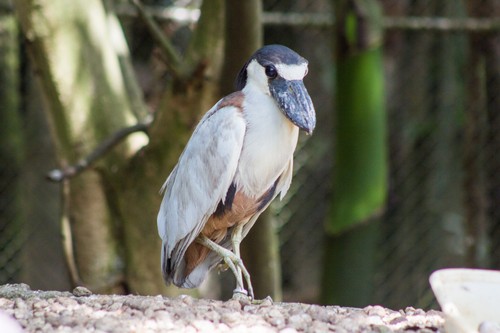
Boat-billed Heron
41-56 cm (16-22 in) long
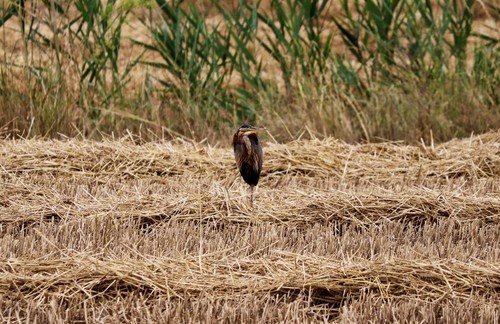
Purple Heron
78-90 cm (31-35 in) long, 120-152 cm wingspan
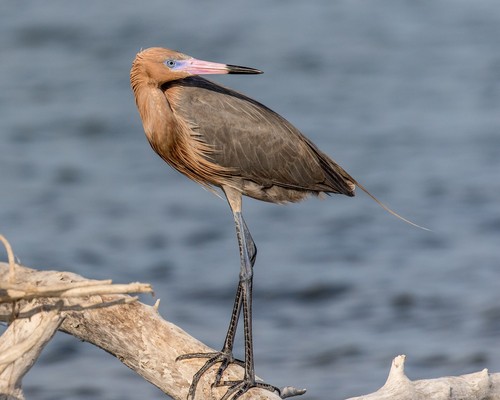
Reddish Egret
68-82 cm (27-32 in) long, 116-125 cm wingspan
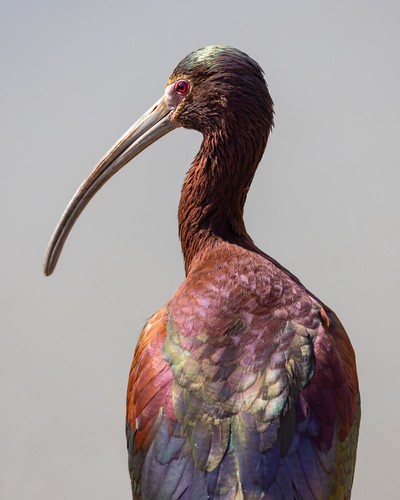
White-faced Ibis
46-56 cm (18-22 in) long, 88-93 cm wingspan
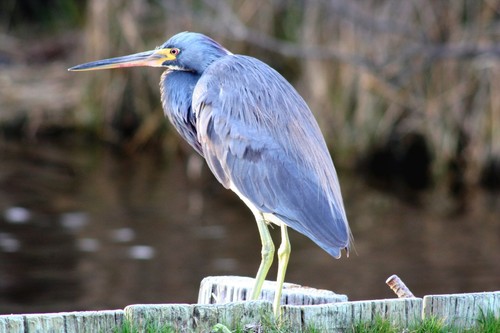
Tricolored Heron
61-76 cm (24-30 in) long, about 96 cm wingspan
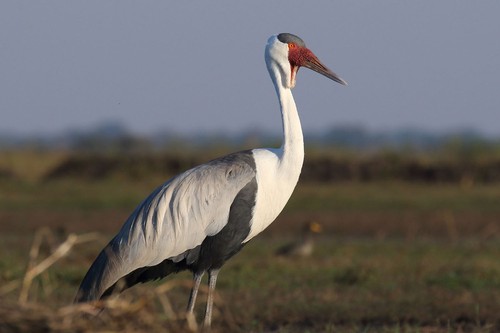
Wattled Crane
120-175 cm (47-69 in) tall, one of the tallest cranes, wingspan up to about 230 cm (7.5 ft)
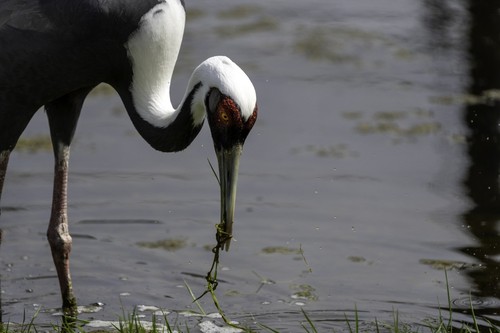
White-naped Crane
112-125 cm (44-49 in) long, 195-210 cm wingspan
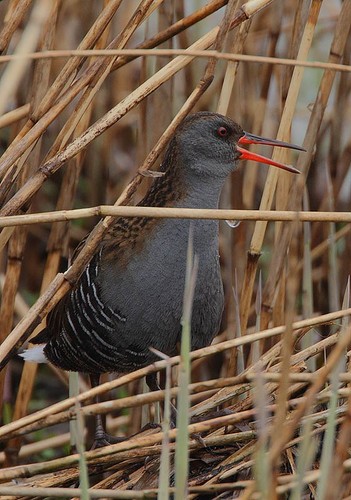
Water Rail
23-28 cm (9-11 in) long, wingspan 38-45 cm
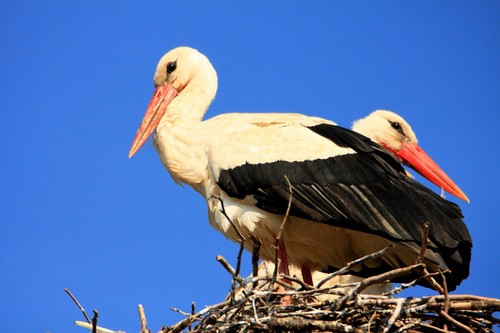
White Stork
100-125 cm (39-49 in) long, 155-215 cm wingspan
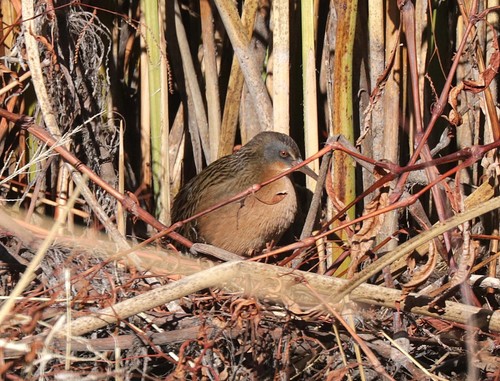
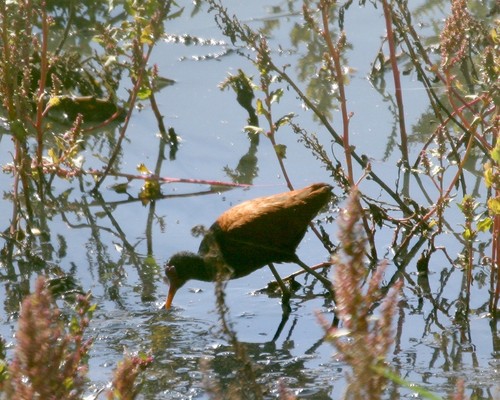
Virginia Rail
20-27 cm (8-11 in) long, wingspan 32-38 cm
Wattled Jacana
17-23 cm (7-9 in) long