
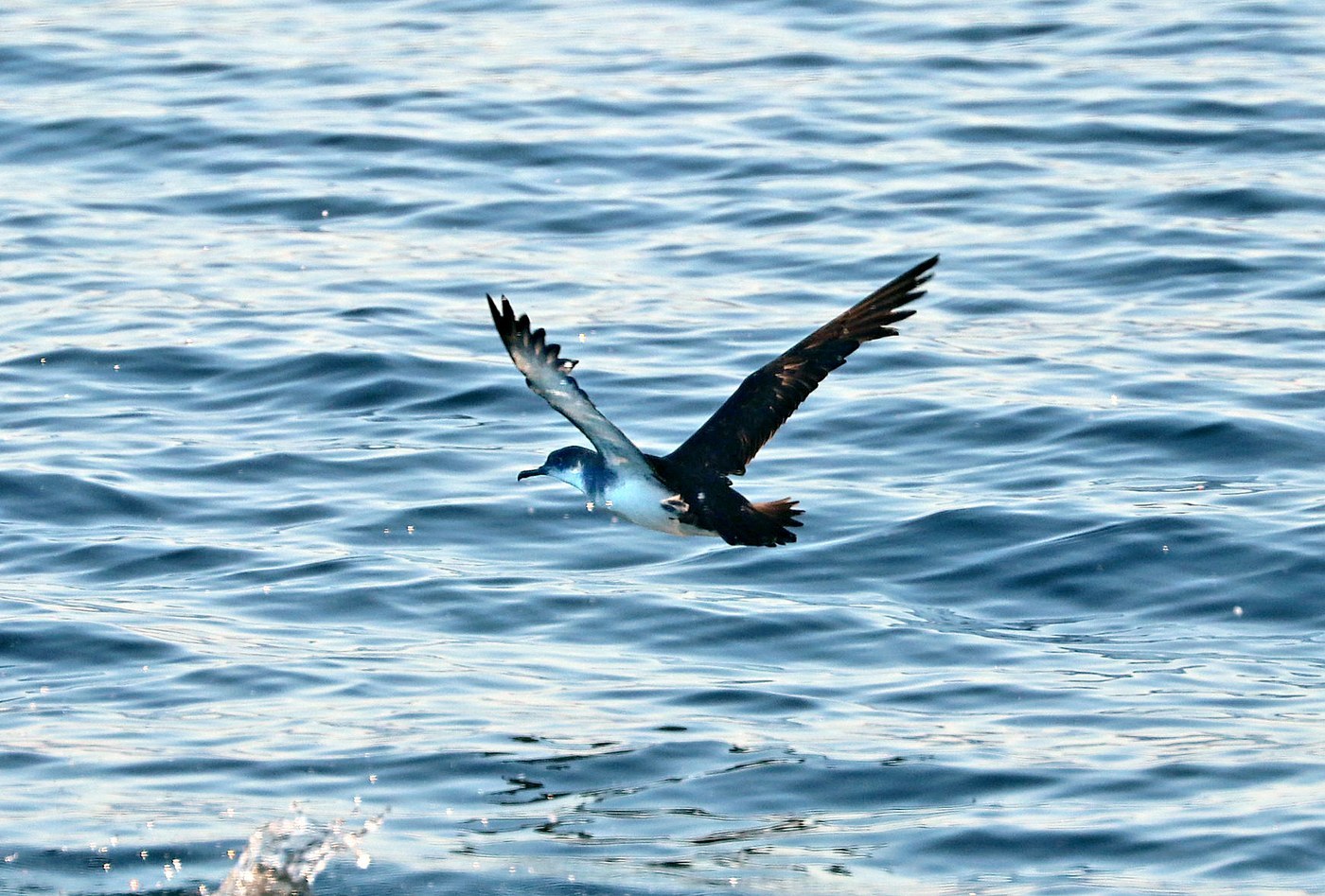
Manx Shearwater
Puffinus puffinus
A small, sharply black-and-white shearwater of the North Atlantic that skims low over waves with stiff wingbeats, nesting in burrows on grassy offshore islands.
- Size
- 30-38 cm (12-15 in) long, wingspan 76-89 cm (30-35 in)
- Habitat
- open North Atlantic waters, breeding on offshore islands with burrowable soil
- Type
- seabird
Spotted a bird like this?
Identify any bird from a photo, free.
Overview
The Manx Shearwater is a slim, medium-small shearwater with crisply contrasting plumage: black upperparts and a clean white underside, sharply demarcated along the flanks, giving the bird a distinctive black-and-white flashing appearance as it banks in flight.
At sea, this species has a characteristic low, fast, gliding flight, alternating stiff wingbeats with long glides that bring it so close to the water's surface that it appears to shear the wave tops, the origin of the family name "shearwater."
Some of the world's largest colonies of Manx Shearwater are found on grassy offshore islands in the United Kingdom and Ireland, such as Skomer and Rum, where birds nest in burrows and visit the colony only under cover of darkness to avoid predatory gulls and skuas.
How to identify it
Key field marks
- Sharp black-and-white contrast between dark upperparts and white underparts
- Slim build with narrow, stiffly held wings
- Fast, low, banking flight close to the wave surface
Similar species
- Balearic Shearwater, a close relative, is browner overall with less crisp contrast between upper- and underparts, and breeds in the Mediterranean rather than the North Atlantic.
- Sooty Shearwater is much larger and uniformly dark brown, lacking the Manx Shearwater's clean white underside.
Habitat & range
Manx Shearwaters breed on offshore islands across the North Atlantic, with major strongholds in the United Kingdom and Ireland, including islands like Skomer, Skokholm, and Rum, where deep, soft soil allows extensive burrow digging. Colonies are also found in Iceland and the Faroe Islands.
Outside the breeding season, the species migrates across the Atlantic to winter in productive waters off the coast of South America, particularly off Brazil and Argentina, before returning to the Northern Hemisphere to breed.
Behavior & voice
Voice
At night around breeding colonies, Manx Shearwaters give eerie, cackling, and crowing calls exchanged between mates and rivals, audible from within burrows and overhead in the dark.
Feeding
They feed on small fish such as sprat and herring, along with squid and crustaceans, caught by surface-seizing and shallow pursuit diving, sometimes at considerable depths for a bird of its size.
Nesting and breeding
Pairs nest in burrows dug into soft, grassy soil, returning to the same burrow in successive years, and lay a single egg. Adults visit the colony only at night, and fledglings depart the burrow alone, finding their own way out to sea.
Frequently asked questions
Why is it called a shearwater?
The name comes from its low, fast flight style that appears to shear or skim the tops of the waves as it glides.
Where does the Manx Shearwater breed?
Major colonies are found on grassy offshore islands in the United Kingdom and Ireland, such as Skomer and Rum, along with sites in Iceland and the Faroe Islands.
How can you identify a Manx Shearwater?
Look for its sharply contrasting black upperparts and white underparts, and its low, fast, banking flight close to the water.
Where do Manx Shearwaters go in winter?
They migrate across the Atlantic to spend the non-breeding season in productive waters off South America, particularly Brazil and Argentina.
What does the Manx Shearwater eat?
It eats small fish such as sprat and herring, along with squid and crustaceans.
Manx Shearwater guides
In-depth guides for identifying, finding, and understanding Manx Shearwater.
Other birds you may enjoy
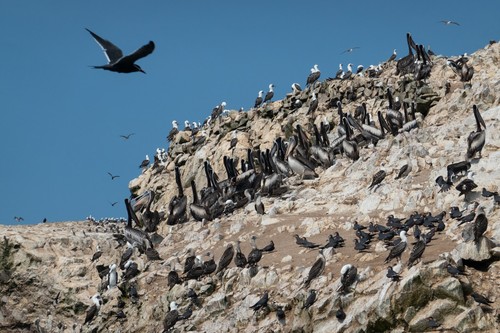
Peruvian Pelican
137-152 cm (54-60 in) long, up to 228 cm wingspan
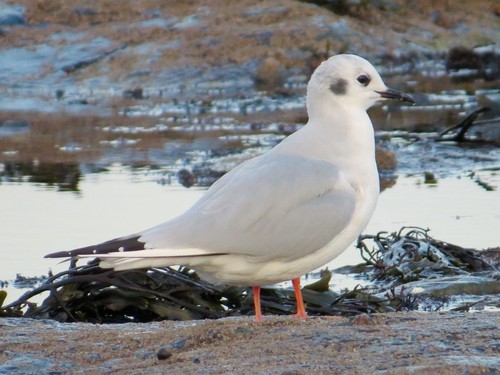
Bonaparte's Gull
28-33 cm (11-13 in) long, 76-84 cm wingspan
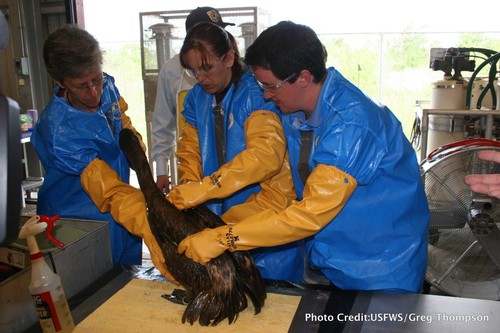
Brown Pelican
106-137 cm (42-54 in) long, 200-230 cm wingspan
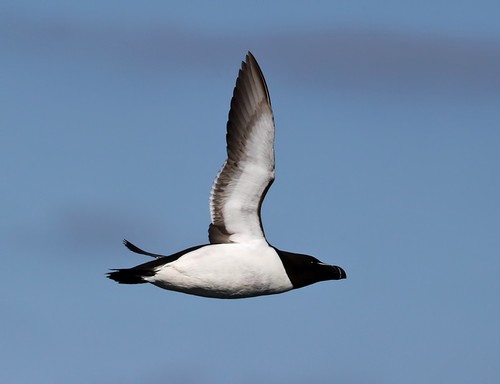
Razorbill
37-39 cm (15-15.5 in) long, 63-68 cm wingspan
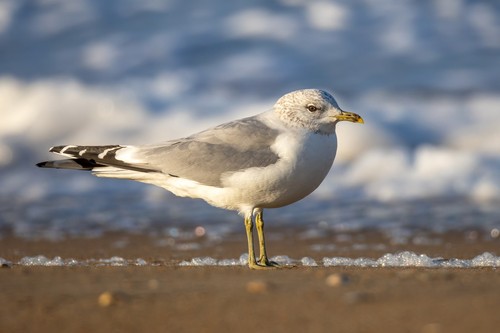
Common Gull
40-46 cm (16-18 in) long, 110-130 cm wingspan
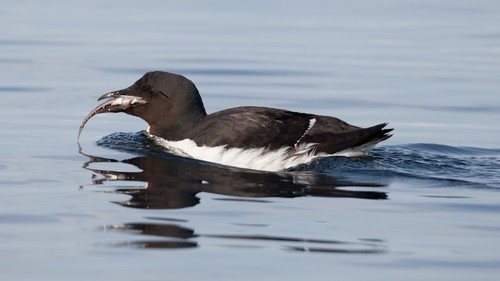
Thick-billed Murre
40-48 cm (16-19 in) long, 65-75 cm wingspan
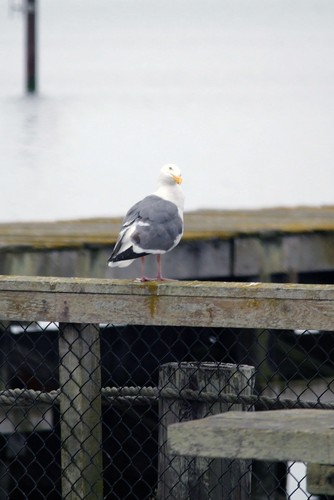
Western Gull
55-68 cm (22-27 in) long, 130-144 cm wingspan
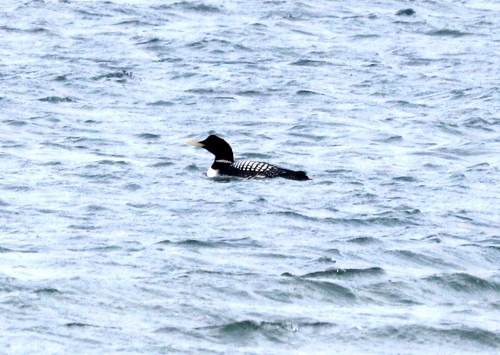
Yellow-billed Loon
76-97 cm (30-38 in) long, 135-152 cm wingspan
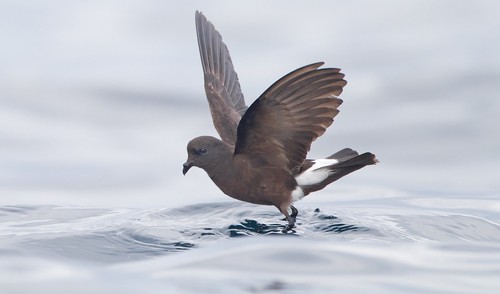
Wilson's Storm-Petrel
15-19 cm (6-7.5 in) long, wingspan 38-42 cm (15-16.5 in)
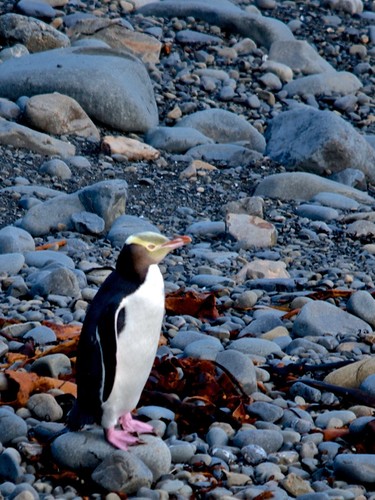
Yellow-eyed Penguin
62-79 cm (24-31 in) tall, 3-8.5 kg (6.6-18.7 lb)
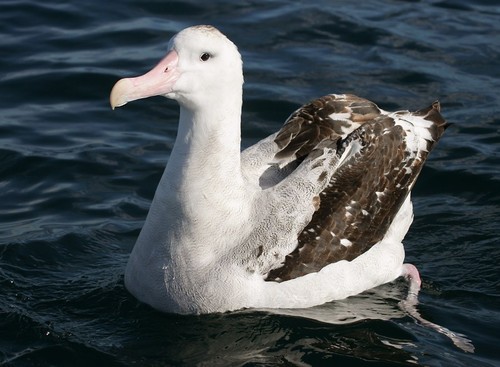
Wandering Albatross
107-135 cm (42-53 in) long, wingspan up to 3.5 m (11.5 ft)
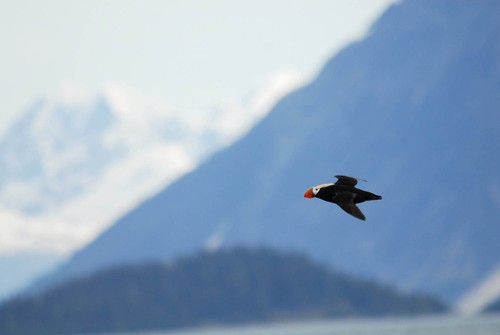
Tufted Puffin
35-41 cm (14-16 in) long, about 63-70 cm wingspan