
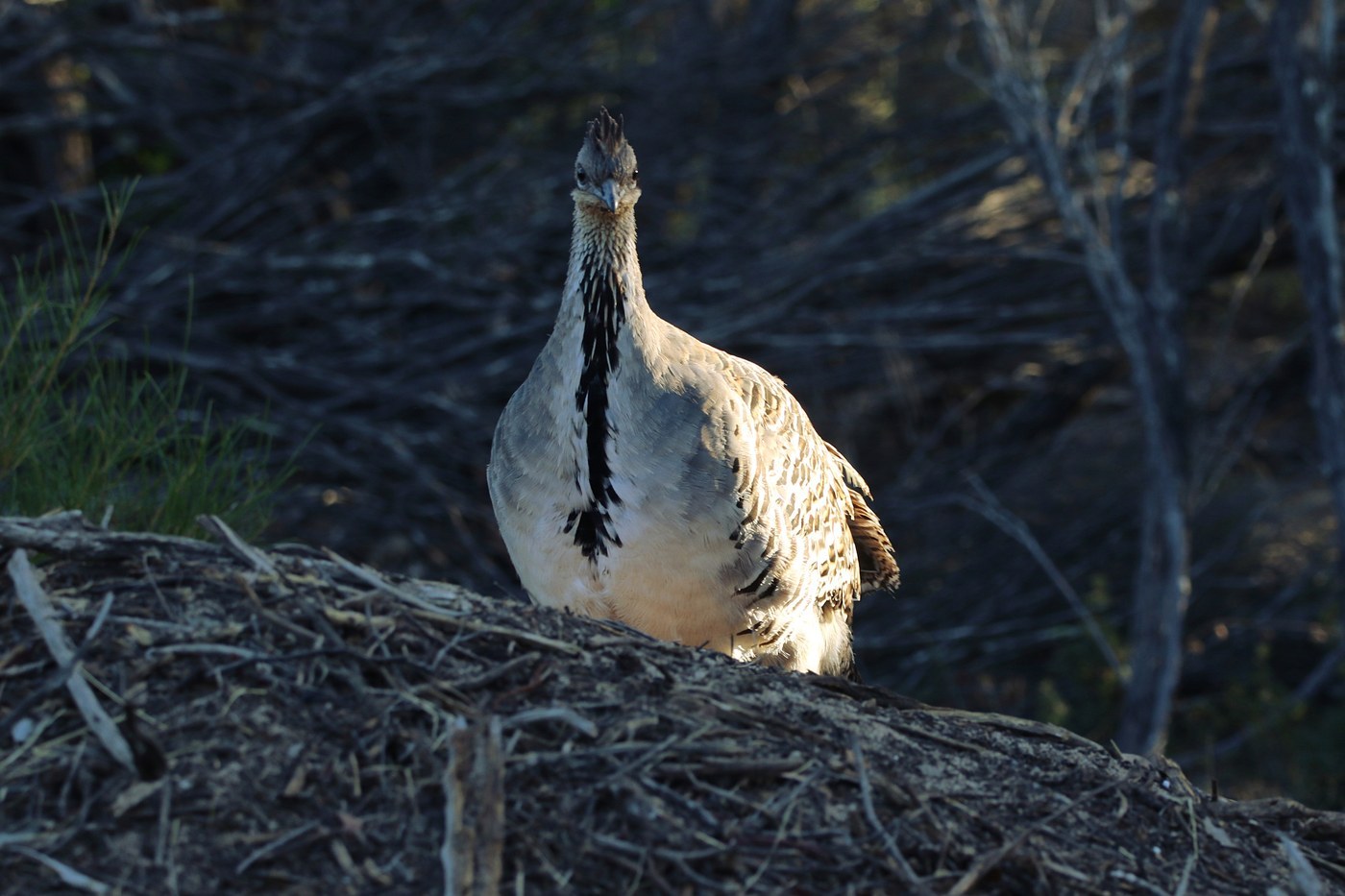
Malleefowl
Leipoa ocellata
A ground-dwelling mound-building bird of arid mallee scrub, camouflaged in intricately mottled grey, brown, black, and chestnut plumage.
- Size
- 55-61 cm (22-24 in) long
- Habitat
- mallee woodland and semi-arid scrub
- Type
- gamebird
Spotted a bird like this?
Identify any bird from a photo, free.
Overview
The Malleefowl is a plump, ground-dwelling bird of Australia's semi-arid interior, cloaked in finely mottled and barred plumage of grey, brown, black, chestnut, and white that provides superb camouflage against the leaf litter and dappled shade of mallee scrub. Unlike the closely related Australian Brushturkey, its head is fully feathered rather than bare, giving it a more subdued, cryptic appearance overall.
Like other megapodes, malleefowl build and maintain massive incubation mounds, but theirs is an especially demanding task in the harsh, variable climate of the semi-arid mallee, requiring the male to work almost year-round adjusting the depth and covering of the mound to keep the internal temperature within a narrow range. Populations have declined significantly due to habitat clearance and predation by introduced foxes and cats, and the species is now considered vulnerable across much of its range.
How to identify it
Key field marks
- Intricately mottled and barred grey, brown, black, and chestnut plumage over the entire body
- Fully feathered head, unlike the bare-headed brushturkey
- Plump, rounded body shape with a small head and short, downcurved bill
- Cryptic, ground-hugging posture, often first detected by movement rather than color
Similar species
- Australian Brushturkey has a bare red head and neck and glossy black body plumage, quite different from the malleefowl's camouflaged pattern, and prefers wetter forest habitat.
- No other bird in the arid mallee shares this intricate barred camouflage pattern combined with ground-dwelling habits.
Habitat & range
Habitat
Restricted to mallee eucalypt woodland and other semi-arid scrub with a sandy or friable soil substrate suitable for mound building, and sufficient leaf litter to fuel incubation.
Range
Occurs in fragmented populations across semi-arid southern Australia, including parts of Western Australia, South Australia, Victoria, and New South Wales.
Migration
Sedentary and strongly tied to a home range and incubation mound, rarely moving far from established territory.
Behavior & voice
Behavior
Shy and wary, generally moving quietly on the ground and quick to freeze or slip away through scrub when disturbed; the male spends the better part of the year maintaining and adjusting the incubation mound.
Voice
Mostly silent, but capable of a low booming or grunting call, particularly males near the mound during the breeding season.
Feeding
Forages on the ground for seeds, fallen vegetation, insects, and other invertebrates, scratching through leaf litter and soil.
Nesting
Builds an enormous mound of sand and leaf litter, often several meters across, in which eggs are buried and incubated by heat generated from decomposing vegetation; the male monitors and adjusts the mound almost continuously to keep internal temperature stable, and chicks hatch fully independent.
Frequently asked questions
Why is the Malleefowl considered vulnerable?
Populations have declined significantly due to clearing of mallee habitat for agriculture and predation of eggs, chicks, and adults by introduced foxes and cats.
How does a Malleefowl incubate its eggs?
It buries eggs within a large mound of sand and decomposing leaf litter, relying on heat from decomposition rather than body warmth, with the male carefully regulating mound temperature by adjusting its covering.
How is the Malleefowl different from the Australian Brushturkey?
The Malleefowl has a fully feathered head with cryptic mottled plumage and lives in dry mallee scrub, while the Brushturkey has a bare red head, glossy black body, and lives in wetter forest.
What does a Malleefowl eat?
Seeds, fallen vegetation, insects, and other invertebrates foraged from the ground.
Malleefowl guides
In-depth guides for identifying, finding, and understanding Malleefowl.
Other birds you may enjoy
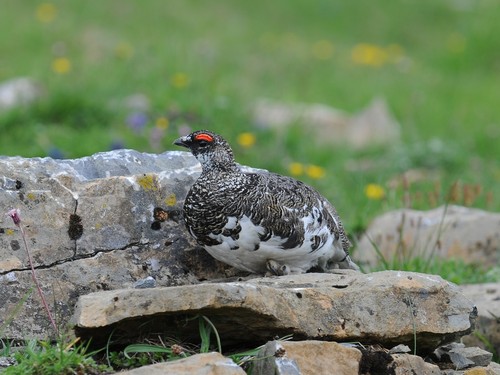
Rock Ptarmigan
34-36 cm (13-14 in) long
Congo Peafowl
Males about 64-70 cm long; females slightly smaller; no elaborate train
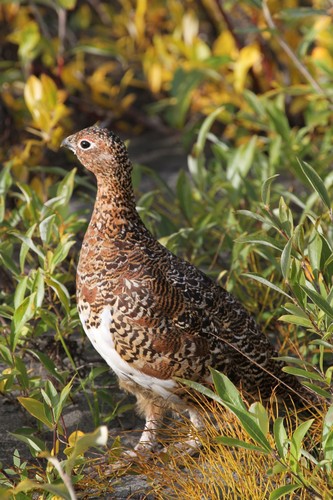
Willow Ptarmigan
37-42 cm (15-16.5 in) long
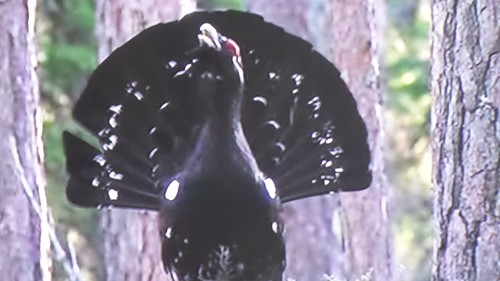
Western Capercaillie
male 74-90 cm (29-35 in), female 54-64 cm; male wingspan up to 125-130 cm
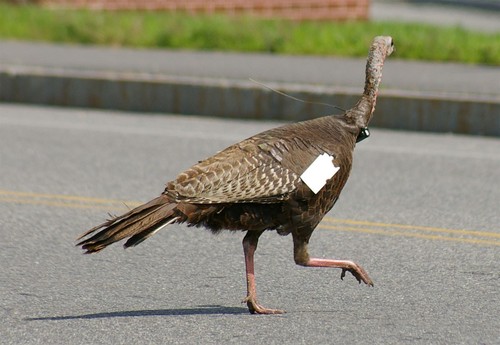
Wild Turkey
males 100-125 cm (39-49 in) long; females smaller, around 76-95 cm (30-37 in)
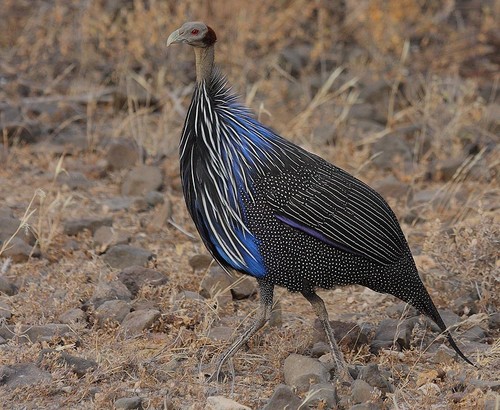
Vulturine Guineafowl
Length 61-71 cm, the largest guineafowl species, with a notably long neck and tail
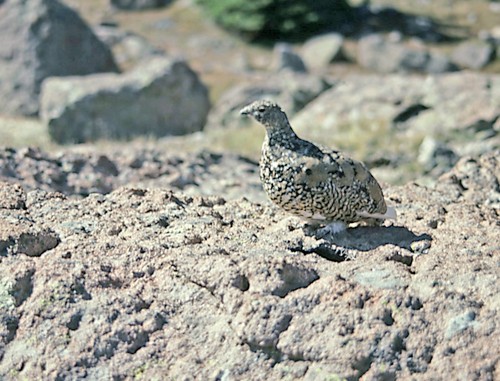
White-tailed Ptarmigan
30-33 cm (12-13 in) long; the smallest ptarmigan species
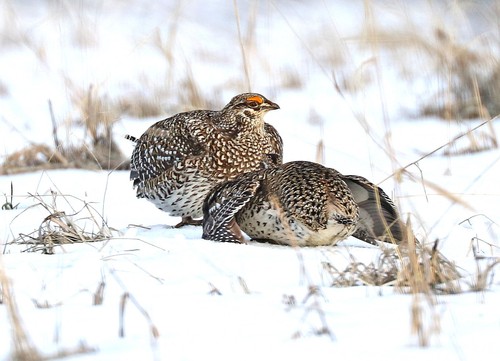
Sharp-tailed Grouse
38-48 cm (15-19 in) long
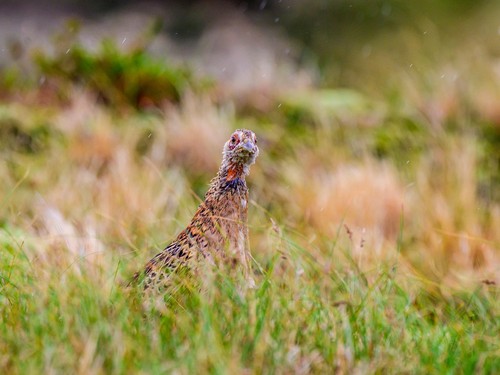
Ring-necked Pheasant
males 76-90 cm (30-35 in) long including a long tail; females smaller, 55-65 cm (22-26 in)
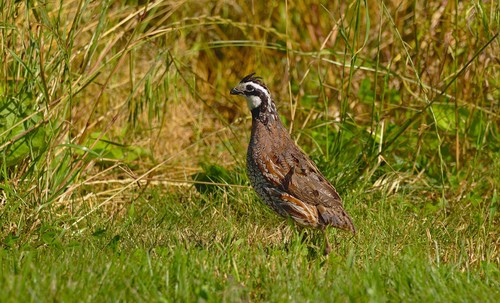
Northern Bobwhite
24-28 cm (9.5-11 in) long, 33-38 cm wingspan
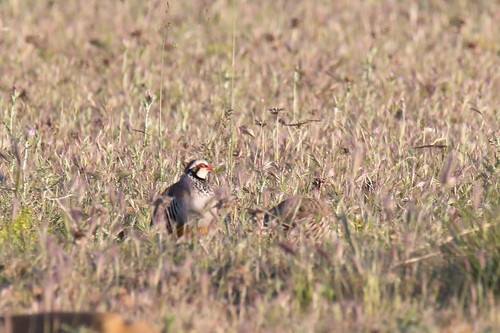
Red-legged Partridge
32-34 cm (13 in) long, 47-50 cm wingspan
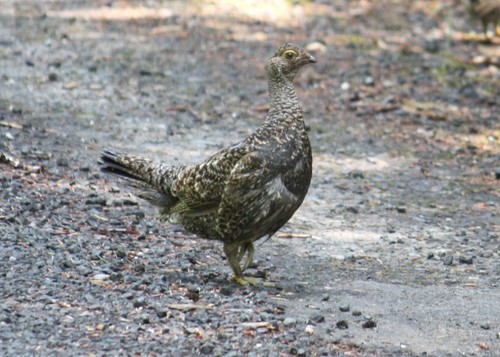
Sooty Grouse
43-48 cm (17-19 in) long; males larger than females