
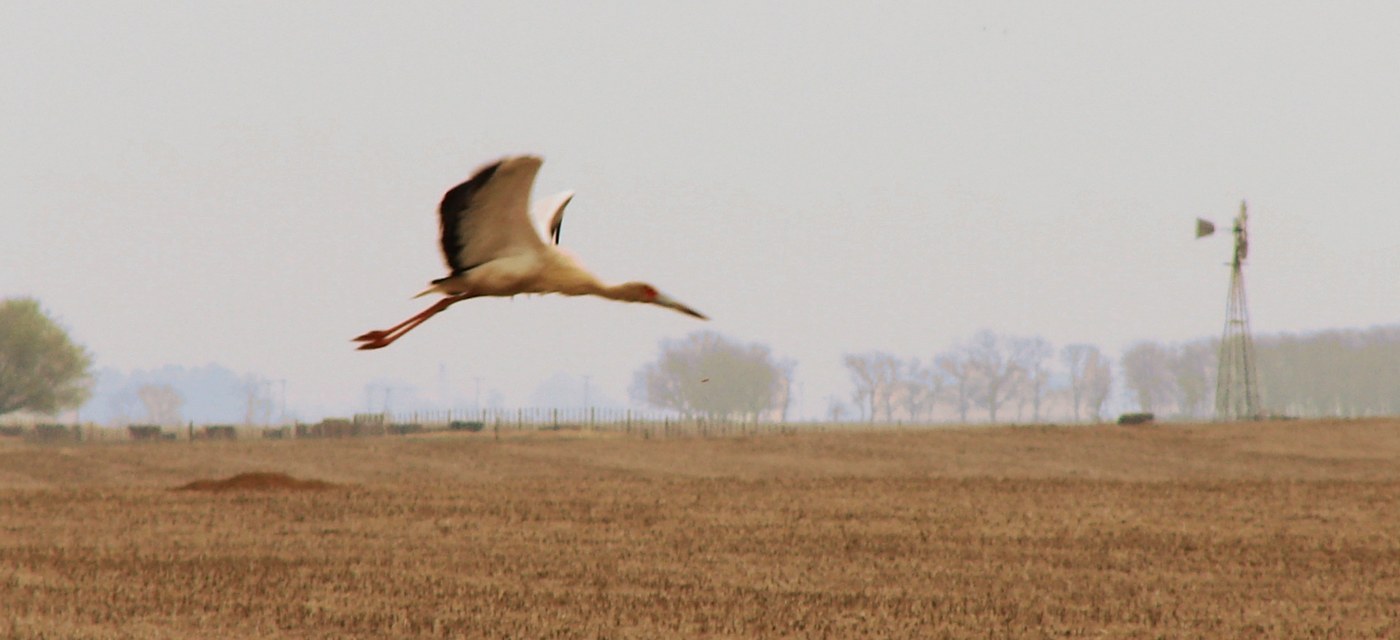
Maguari Stork
Ciconia maguari
A South American stork closely resembling the White Stork, with white plumage, black flight feathers, and pale blue-grey bill.
- Size
- 97-120 cm (38-47 in) long, 150-180 cm wingspan
- Habitat
- grasslands, marshes, and wetlands of South America
- Type
- wading-bird
Spotted a bird like this?
Identify any bird from a photo, free.
Overview
The Maguari Stork is South America's counterpart to the White Stork, sharing a similar overall shape and largely white plumage with black flight feathers and tail. It differs most obviously in bill and leg color, showing a pale bluish-grey bill rather than red, along with a small patch of bare red-orange skin around the eye.
It is a widespread and locally common stork across the open wetlands and grasslands of South America, often seen foraging in flooded pastures and marshes.
How to identify it
Key field marks
- White body with black flight feathers and black tail
- Pale blue-grey bill (not red)
- Reddish-pink legs
- Small patch of bare red-orange skin around the eye
Similar species
The White Stork, an occasional vagrant to South America, has a red (not blue-grey) bill and red legs. The Wood Stork has a dark, bald, scaly head rather than a white, feathered head. Whooping Crane and other large white waterbirds fly with the neck retracted, whereas the Maguari Stork extends its neck fully in flight like other storks.
Habitat & range
Maguari Storks inhabit open wetlands, marshes, flooded grasslands, and river margins across much of South America, from Colombia and Venezuela south to Argentina, with strongholds in areas such as the Pantanal and the Llanos.
The species is largely resident, though southern populations may undertake local seasonal movements linked to flooding and drought cycles. It is generally found singly, in pairs, or in small loose groups rather than large colonies.
Behavior & voice
Maguari Storks forage by walking through shallow water and grassland, catching fish, amphibians, insects, and small reptiles with quick jabs of the bill, and will also take advantage of prey flushed by grassland fires or flooding.
They are largely silent apart from bill-clattering displays used in courtship and nest defense. Unlike some colonial storks, Maguari Storks often nest singly or in loose, small groups, building a bulky stick nest in a tree, on a cliff, or occasionally on the ground in treeless wetlands. Both parents share incubation of the typical 3-4 egg clutch and the feeding of chicks.
Frequently asked questions
How is the Maguari Stork different from the White Stork?
The Maguari Stork has a pale blue-grey bill rather than red, along with a patch of bare red-orange skin around the eye; the two species also do not naturally overlap in range.
Where does the Maguari Stork live?
It is found across much of South America, from Colombia and Venezuela south to Argentina, in open wetlands and grasslands.
What does a Maguari Stork eat?
It feeds on fish, amphibians, insects, and small reptiles caught while walking through shallow water and grassland.
Does the Maguari Stork nest in colonies?
It typically nests alone or in small loose groups rather than the large dense colonies formed by some other stork species.
Maguari Stork guides
In-depth guides for identifying, finding, and understanding Maguari Stork.
Other birds you may enjoy
Demoiselle Crane
85-100 cm (33-39 in) long, 155-180 cm wingspan
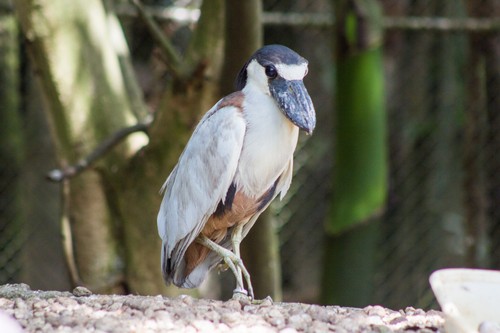
Boat-billed Heron
41-56 cm (16-22 in) long
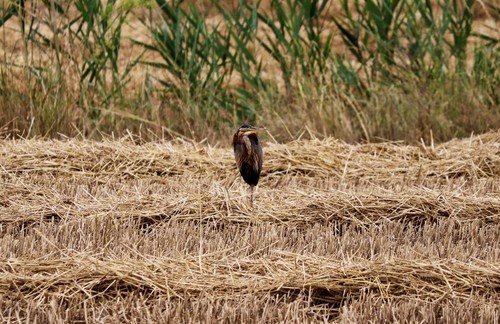
Purple Heron
78-90 cm (31-35 in) long, 120-152 cm wingspan
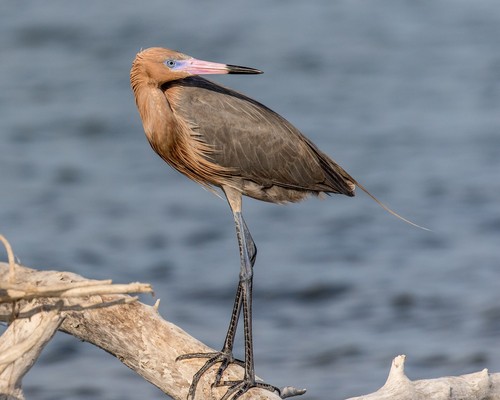
Reddish Egret
68-82 cm (27-32 in) long, 116-125 cm wingspan
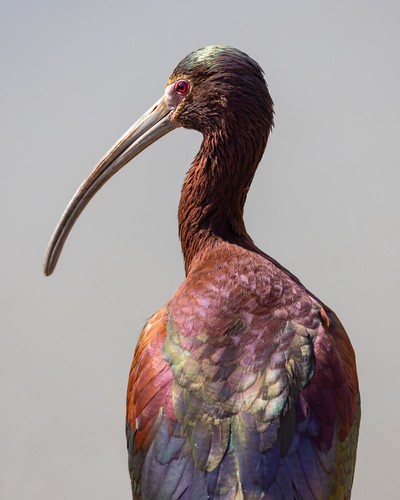
White-faced Ibis
46-56 cm (18-22 in) long, 88-93 cm wingspan
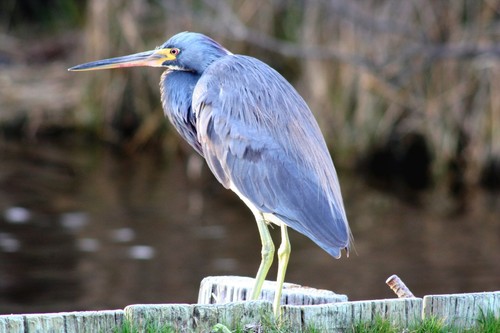
Tricolored Heron
61-76 cm (24-30 in) long, about 96 cm wingspan
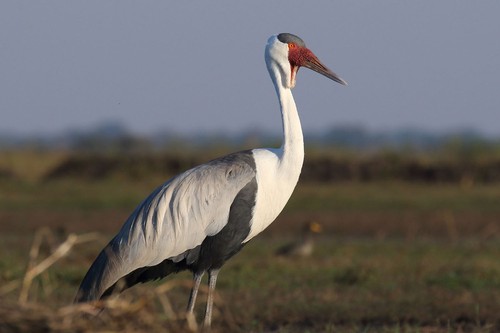
Wattled Crane
120-175 cm (47-69 in) tall, one of the tallest cranes, wingspan up to about 230 cm (7.5 ft)
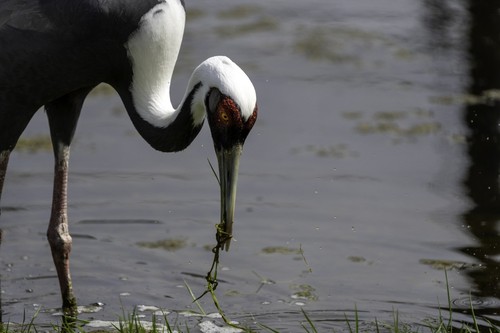
White-naped Crane
112-125 cm (44-49 in) long, 195-210 cm wingspan
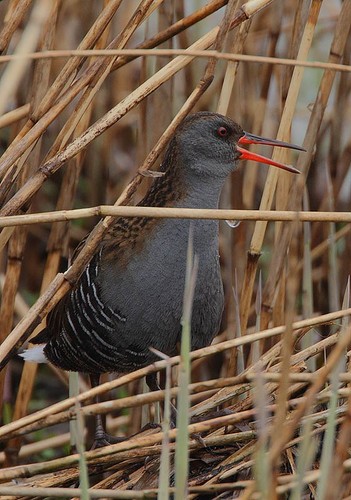
Water Rail
23-28 cm (9-11 in) long, wingspan 38-45 cm
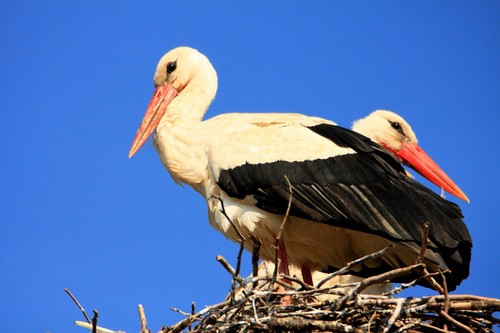
White Stork
100-125 cm (39-49 in) long, 155-215 cm wingspan
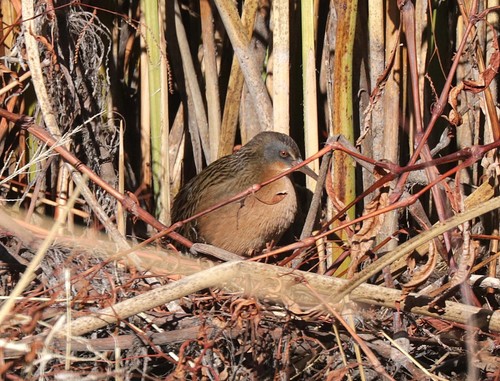
Virginia Rail
20-27 cm (8-11 in) long, wingspan 32-38 cm
Wattled Jacana
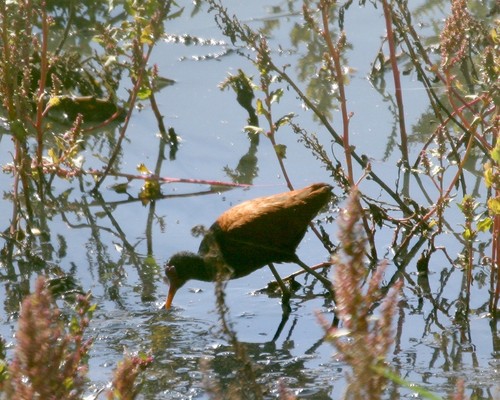
17-23 cm (7-9 in) long