
Magpie Tanager
Cissopis leverianus
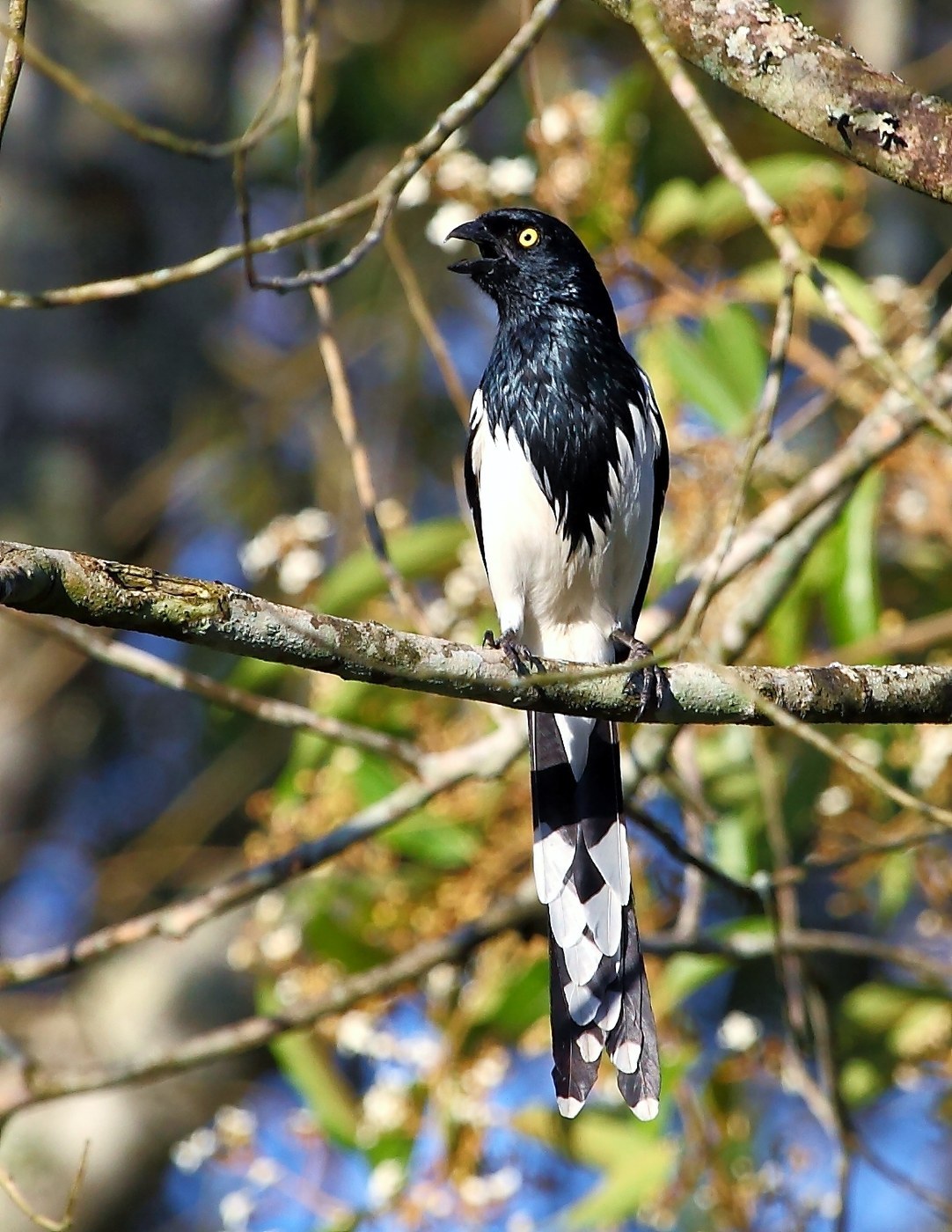
A large, boldly black-and-white tanager with an unusually long tail, resembling a small magpie as it moves through forest edge and clearings.
- Size
- 27-29 cm (10.5-11.5 in) long, including a very long tail
- Habitat
- forest edge, clearings, riverine growth, and gardens in tropical South America
- Type
- songbird
Spotted a bird like this?
Identify any bird from a photo, free.
Overview
The Magpie Tanager is one of the largest and most distinctive members of the tanager family, named for its bold black-and-white pattern and unusually long, graduated tail that recall a true magpie. The head, throat, and much of the upperparts are glossy black, contrasting sharply with clean white underparts and white patches on the wings, while the very long black tail is often held cocked or flicked as the bird moves.
Juveniles show a duller, more grayish-brown version of the adult pattern before molting into full adult plumage. The overall build is slim and long-tailed compared to most tanagers, most of which are compact, short-tailed birds.
Magpie Tanagers are usually encountered in small, active family groups that move conspicuously through the mid-story and canopy of forest edges, calling frequently as they go.
How to identify it
Key field marks
- Glossy black head, throat, and upperparts contrasting with clean white underparts
- White patches visible on the wing in flight
- Very long, graduated black tail, often flicked or cocked
- Notably larger and longer-tailed than most other tanagers
Similar species
No other tanager shares this combination of large size, black-and-white pattern, and very long tail; within its range it is unlikely to be confused with any species other than perhaps a large flycatcher or shrike-like bird at a distance, but the tail length and social behavior are diagnostic.
Habitat & range
Habitat
This species favors forest edge, clearings, riverine and gallery forest growth, secondary woodland, and gardens with scattered trees, rather than deep closed-canopy forest.
Range
It is distributed widely across tropical South America, including Colombia, Venezuela, the Guianas, and much of Brazil, south to Bolivia, Paraguay, and northern Argentina.
Migration
The Magpie Tanager is a non-migratory resident throughout its range.
Behavior & voice
Behavior
Magpie Tanagers are typically found in small, noisy family groups that move actively and conspicuously through vegetation, hopping and flitting between perches while flicking their long tails.
Voice
The calls include a variety of harsh, chattering, and squeaky notes, often given as the group moves and communicates while foraging.
Feeding
It feeds on a mix of insects and fruit, foraging actively at various levels from the understory to the canopy, often working along branches and through tangled vegetation.
Nesting and breeding
The species builds a bulky open cup nest in a tree or shrub, and breeding pairs may receive help from other group members, consistent with cooperative or family-group social behavior seen in the species.
Frequently asked questions
Why is it called the Magpie Tanager?
Its bold black-and-white plumage and unusually long tail resemble those of a true magpie, though it is unrelated and is actually a tanager.
How big is the Magpie Tanager?
It is one of the largest tanagers, reaching about 27-29 cm including its long tail.
Where is the Magpie Tanager found?
It is widespread across tropical South America, from Colombia and Venezuela south to Bolivia, Paraguay, and northern Argentina.
Does the Magpie Tanager travel in flocks?
Yes, it is usually seen in small, active, noisy family groups rather than alone.
Magpie Tanager guides
In-depth guides for identifying, finding, and understanding Magpie Tanager.
Other birds you may enjoy
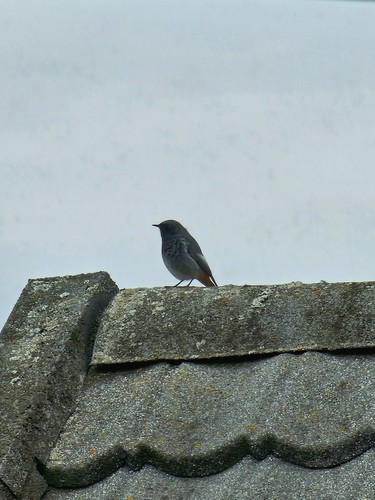
Black Redstart
13-14.5 cm (5.1-5.7 in) long, 23-26 cm wingspan
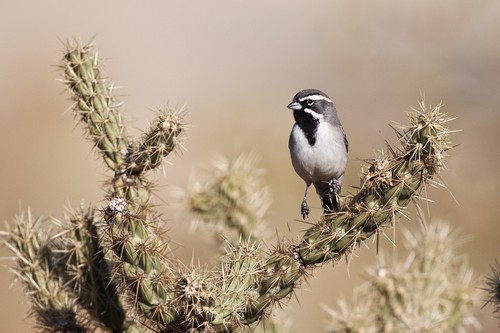
Black-throated Sparrow
12-14 cm (4.7-5.5 in) long, about 19-20 cm (7.5-8 in) wingspan
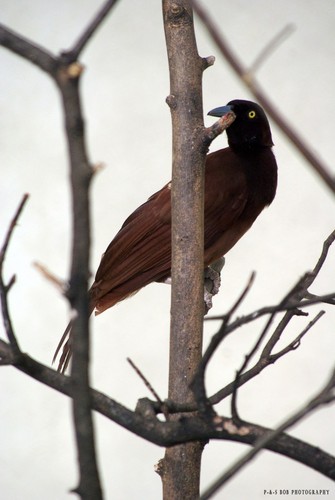
Greater Bird-of-paradise
Body about 43 cm; males with additional flank plumes up to 50 cm and long tail wires
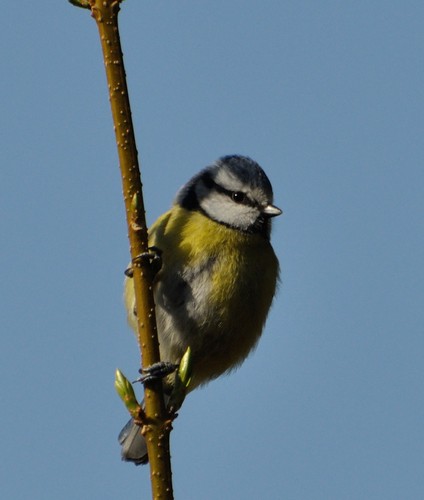
Blue Tit
11-12 cm (4.3-4.7 in) long, 17-20 cm wingspan

Red-billed Quelea
11.5–13 cm long, wingspan about 20–22 cm
White-plumed Antbird
13-14 cm (5-5.5 in) long
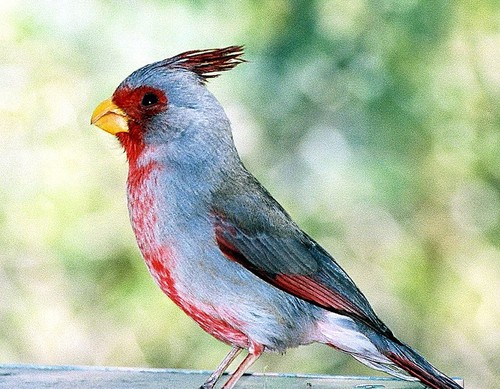
Pyrrhuloxia
19-22 cm (7.5-8.7 in) long, 30 cm wingspan
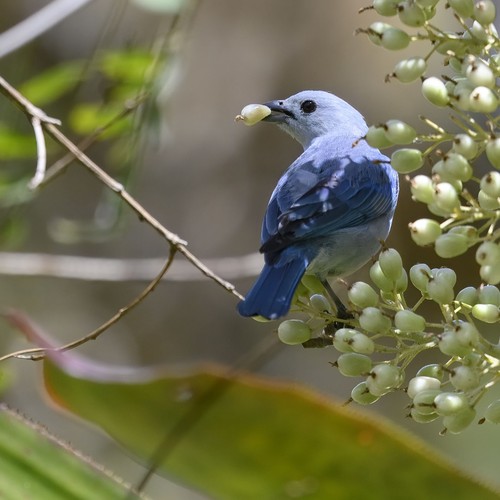
Blue-gray Tanager
16-18 cm (6-7 in) long
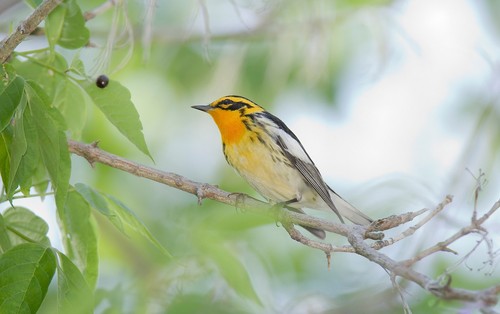
Blackburnian Warbler
11-13 cm (4.3-5.1 in) long, 20-22 cm wingspan
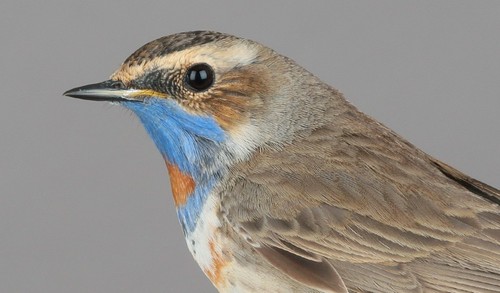
Bluethroat
13-14 cm (5.1-5.5 in) long, 20-22 cm wingspan
Eurasian Nuthatch
12-14.5 cm (4.7-5.7 in) long, 22.5-27 cm wingspan
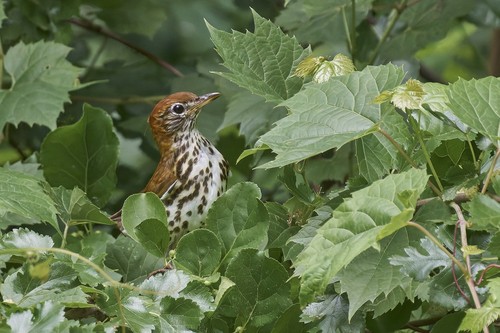
Wood Thrush
19-21 cm (7.5-8.3 in) long, about 33 cm (13 in) wingspan