
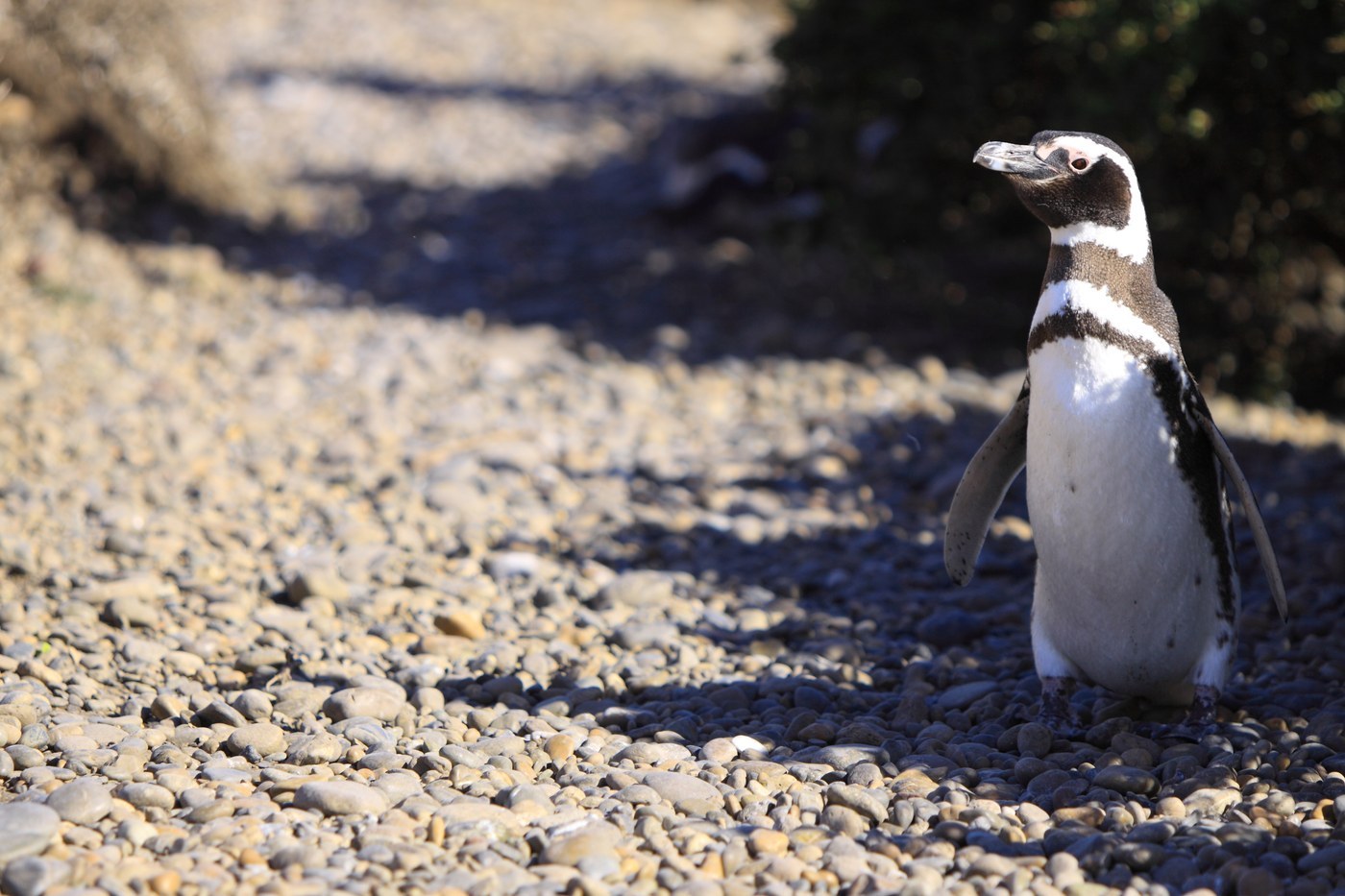
Magellanic Penguin
Spheniscus magellanicus
A medium-sized South American banded penguin, marked by a single black band across the chest, that nests in burrows along the coasts of Argentina, Chile, and the Falklands.
- Size
- 61-76 cm (24-30 in) tall, 2.7-6.5 kg (6-14.3 lb)
- Habitat
- temperate coastal waters and burrowing grounds of southern South America
- Type
- seabird
Spotted a bird like this?
Identify any bird from a photo, free.
Overview
The Magellanic Penguin is a medium-sized banded penguin found along the coasts of southern South America and the Falkland Islands. It has black upperparts and a white underside crossed by a single horseshoe-shaped black band running from the chest down each flank, distinguishing it from its closest relatives.
Named for the explorer Ferdinand Magellan, whose expedition first documented the species, this penguin forms some of the largest breeding colonies of any penguin species, with certain sites hosting hundreds of thousands of nesting pairs.
Magellanic Penguins are notably vocal, braying loudly at their burrow entrances, which has led to the same "Jackass Penguin" nickname sometimes applied to their African relative.
How to identify it
Key field marks
- A single black band curving across the upper chest and down the flanks
- White stripe running from above the eye, around the black cheek, to the throat
- Black bill, pinkish-grey legs and feet
- No black spots scattered on the belly, unlike the African Penguin
Similar species
- Humboldt Penguin looks very similar but has a pink patch of bare skin at the base of the bill and a thinner black band; ranges barely overlap.
- African Penguin has a black band plus scattered black belly spots and pink patches above the eyes, and occurs only in Africa.
Habitat & range
Magellanic Penguins breed along the Atlantic and Pacific coasts of Argentina and Chile, as well as on the Falkland Islands, nesting in burrows dug into soil or under shrubs in coastal steppe habitat. Some of the largest colonies, such as Punta Tombo in Argentina, host enormous numbers of breeding pairs each austral spring and summer.
After breeding, many birds migrate north along the South American coast, with some individuals traveling as far as southern Brazil in the non-breeding season, before returning south to breed again.
Behavior & voice
Voice
Magellanic Penguins give loud, braying calls at their burrow entrances, especially during courtship and territorial disputes, audible throughout dense colonies.
Feeding
They pursue small schooling fish, squid, and krill in the nutrient-rich coastal waters near their colonies, diving to moderate depths and sometimes traveling considerable distances on foraging trips during chick-rearing.
Nesting and breeding
Pairs dig nesting burrows in soft coastal soil or shelter under bushes, returning to the same burrow and mate in subsequent years. They typically lay two eggs, and both parents share incubation and chick feeding duties over the breeding season.
Frequently asked questions
Where do Magellanic Penguins live?
They breed along the coasts of Argentina, Chile, and the Falkland Islands, and many migrate north along the South American coast outside the breeding season.
How can you identify a Magellanic Penguin?
Look for a single black band curving across the white chest and down the flanks, along with a white stripe running from the eye around the black cheek.
Why do Magellanic Penguins nest in burrows?
Burrows dug into soil or tucked under vegetation help protect eggs and chicks from predators and extreme temperatures.
How is a Magellanic Penguin different from a Humboldt Penguin?
Magellanic Penguins lack the bare pink skin patch at the base of the bill that Humboldt Penguins have, and their ranges are mostly separate.
What do Magellanic Penguins eat?
They eat small schooling fish, squid, and krill caught during pursuit dives in coastal waters.
Magellanic Penguin guides
In-depth guides for identifying, finding, and understanding Magellanic Penguin.
Other birds you may enjoy
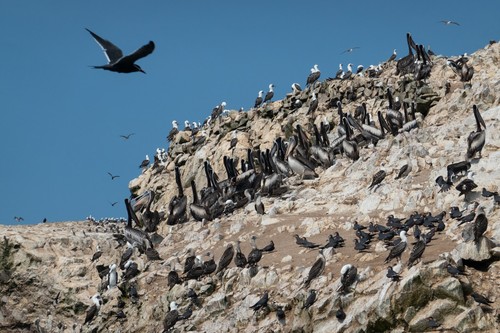
Peruvian Pelican
137-152 cm (54-60 in) long, up to 228 cm wingspan
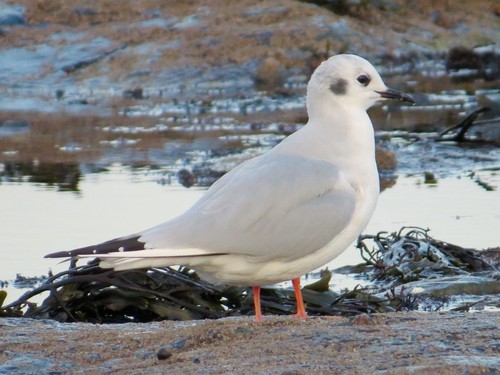
Bonaparte's Gull
28-33 cm (11-13 in) long, 76-84 cm wingspan
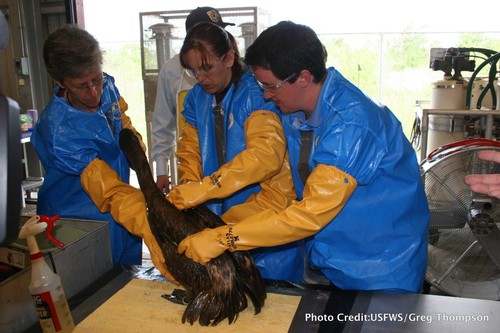
Brown Pelican
106-137 cm (42-54 in) long, 200-230 cm wingspan
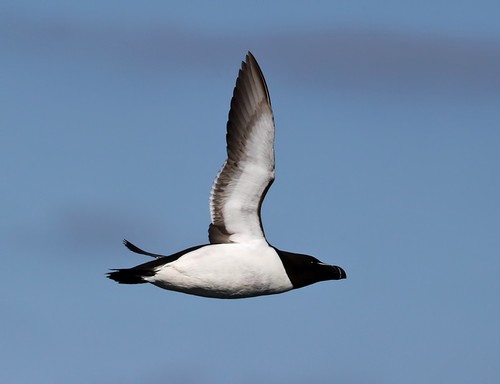
Razorbill
37-39 cm (15-15.5 in) long, 63-68 cm wingspan
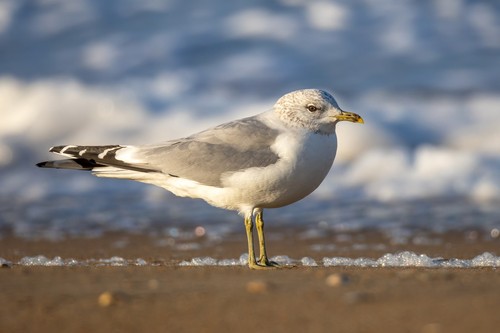
Common Gull
40-46 cm (16-18 in) long, 110-130 cm wingspan
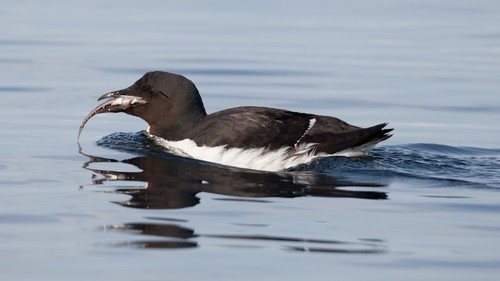
Thick-billed Murre
40-48 cm (16-19 in) long, 65-75 cm wingspan
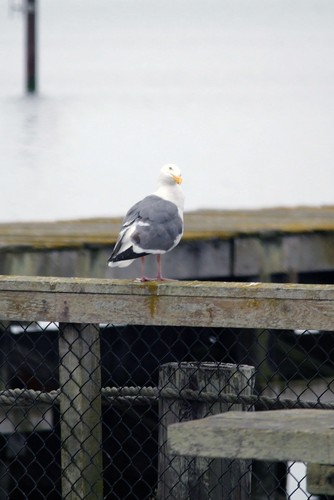
Western Gull
55-68 cm (22-27 in) long, 130-144 cm wingspan
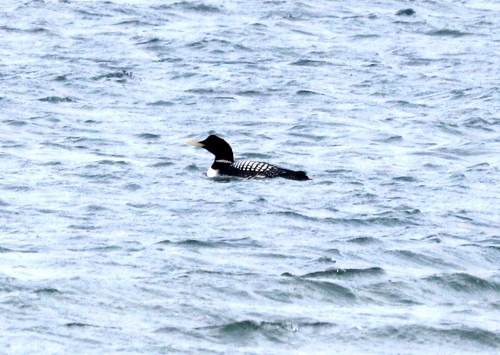
Yellow-billed Loon
76-97 cm (30-38 in) long, 135-152 cm wingspan
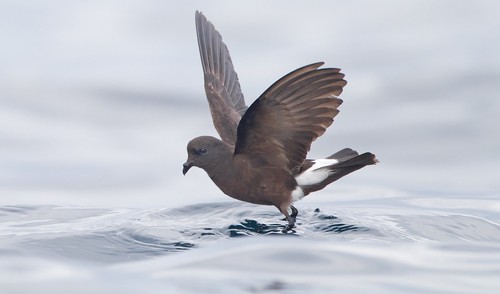
Wilson's Storm-Petrel
15-19 cm (6-7.5 in) long, wingspan 38-42 cm (15-16.5 in)
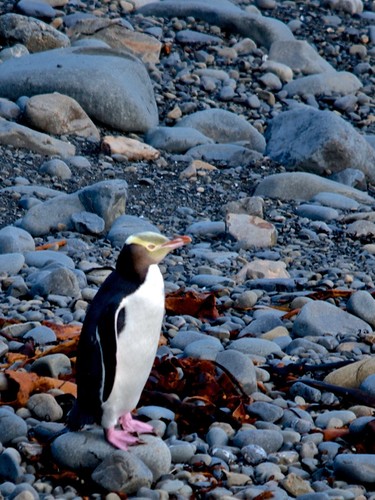
Yellow-eyed Penguin
62-79 cm (24-31 in) tall, 3-8.5 kg (6.6-18.7 lb)
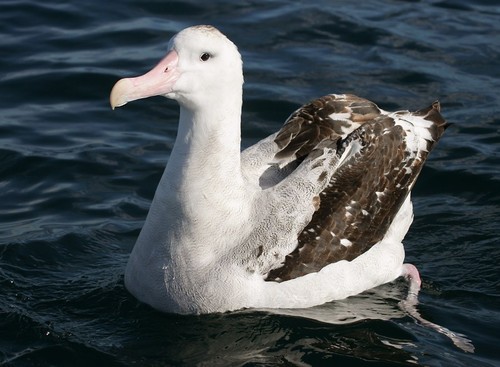
Wandering Albatross
107-135 cm (42-53 in) long, wingspan up to 3.5 m (11.5 ft)
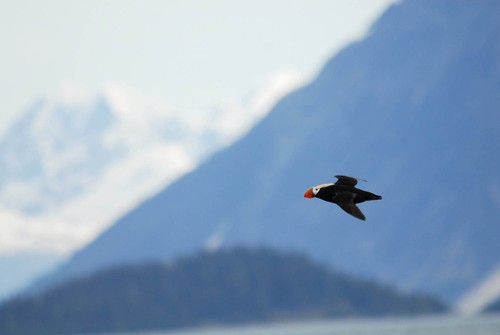
Tufted Puffin
35-41 cm (14-16 in) long, about 63-70 cm wingspan