
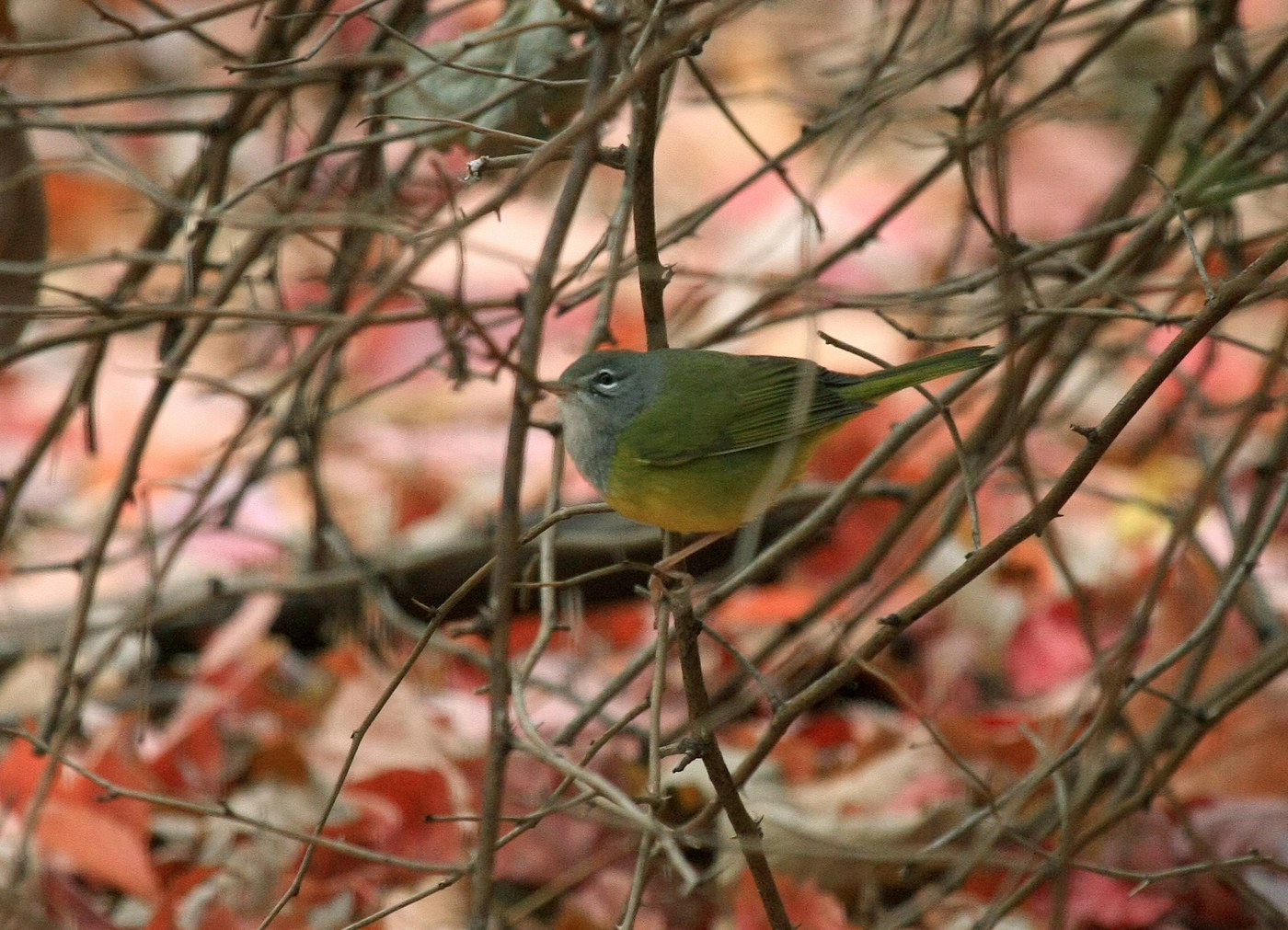
MacGillivray's Warbler
Geothlypis tolmiei
The western counterpart of the Mourning Warbler, a gray-hooded skulker distinguished by bold broken white eye-crescents above and below the eye.
- Size
- 13 cm (5.1 in) long, 18-19 cm wingspan
- Habitat
- dense shrubby understory, montane thickets, and streamside vegetation
- Type
- songbird
Spotted a bird like this?
Identify any bird from a photo, free.
Overview
MacGillivray's Warbler closely parallels the Mourning Warbler in appearance and habits but occupies the western half of the continent. Males show a gray hood over the head and upper breast, with blackish lores in front of the eye, while the rest of the underparts are bright yellow and the back is plain olive-green.
Its most useful field mark is a pair of bold, broken white crescents forming incomplete "spectacles" above and below the eye, a pattern the closely related Mourning Warbler lacks or shows only faintly. Females and immatures are duller, with a paler grayish hood.
How to identify it
Key field marks
- Gray hood over the head and breast, with blackish lores in males
- Bold, broken white eye-crescents ("spectacles") above and below the eye
- Olive-green back, bright yellow underparts
- No wingbars
Similar species
Mourning Warbler is nearly identical in overall pattern but lacks the bold white eye-crescents, showing at most a faint, thin broken eyering; the two species' breeding ranges are largely separate (MacGillivray's in the West, Mourning in the East), with only limited overlap.
Habitat & range
MacGillivray's Warblers breed in dense shrubby understory across the mountains of the western United States and western Canada, including montane thickets, regenerating burn areas, streamside willow and alder tangles, and shrubby forest edges at a range of elevations.
They winter from Mexico south through Central America, favoring similarly dense, shrubby habitat.
Behavior & voice
Behavior and voice
Like its eastern counterpart, MacGillivray's Warbler is a skulking species that stays low and hidden in dense vegetation while foraging for insects and spiders, making it easier to hear than see.
The song is similar to that of Mourning Warbler, a husky, rolling series often rendered as "sweeter-sweeter-sweeter-sweet."
Nesting
The nest is built low in dense shrubs, often just above the ground, made of grass, bark strips, and leaves. Clutches typically contain 3-5 eggs.
Frequently asked questions
How do you tell MacGillivray's Warbler from Mourning Warbler?
MacGillivray's Warbler shows bold, broken white crescents above and below the eye, forming incomplete spectacles, while Mourning Warbler lacks this pattern or shows it only very faintly. The two species also occupy largely separate breeding ranges, west versus east.
Where does MacGillivray's Warbler breed?
In dense shrubby understory across the mountains of the western United States and western Canada, including burned areas, streamside thickets, and forest edges.
Why is MacGillivray's Warbler hard to spot?
It is a skulking species that stays low in dense cover while foraging, so it is typically detected by its distinctive husky song rather than by sight.
Who was MacGillivray's Warbler named after?
It honors Scottish naturalist William MacGillivray; it is also sometimes called Tolmie's Warbler after botanist William Fraser Tolmie, reflected in its scientific species name tolmiei.
What does a MacGillivray's Warbler eat?
Insects and spiders, gleaned from foliage low in dense shrubby vegetation.
MacGillivray's Warbler guides
In-depth guides for identifying, finding, and understanding MacGillivray's Warbler.
Other birds you may enjoy
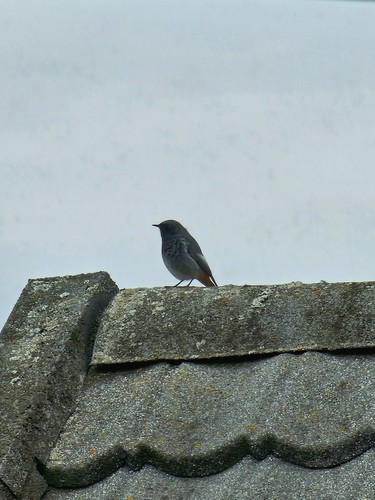
Black Redstart
13-14.5 cm (5.1-5.7 in) long, 23-26 cm wingspan
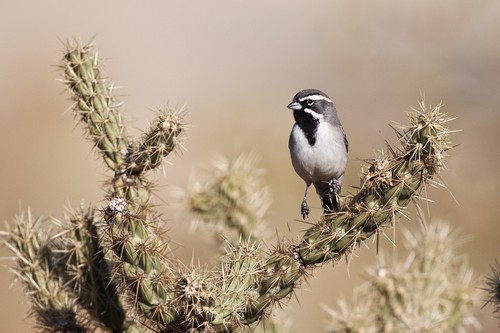
Black-throated Sparrow
12-14 cm (4.7-5.5 in) long, about 19-20 cm (7.5-8 in) wingspan
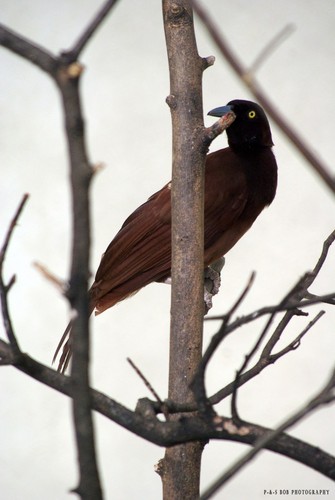
Greater Bird-of-paradise
Body about 43 cm; males with additional flank plumes up to 50 cm and long tail wires
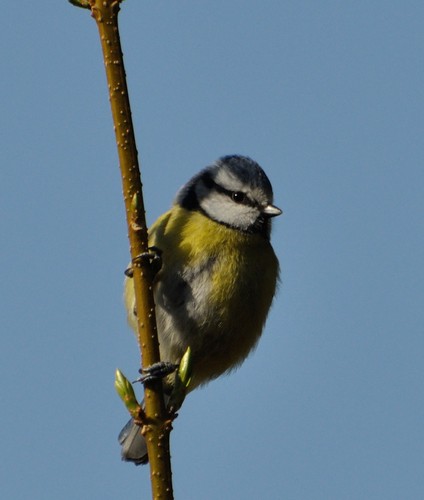
Blue Tit
11-12 cm (4.3-4.7 in) long, 17-20 cm wingspan

Red-billed Quelea
11.5–13 cm long, wingspan about 20–22 cm
White-plumed Antbird
13-14 cm (5-5.5 in) long
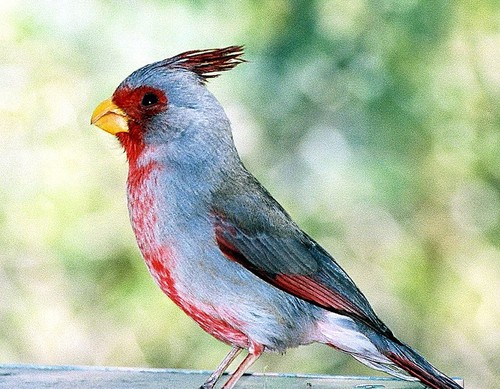
Pyrrhuloxia
19-22 cm (7.5-8.7 in) long, 30 cm wingspan
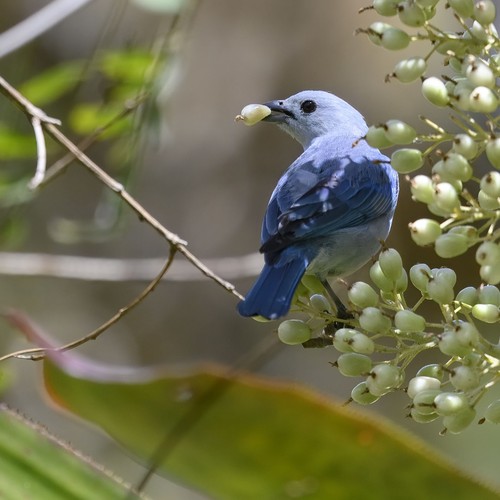
Blue-gray Tanager
16-18 cm (6-7 in) long
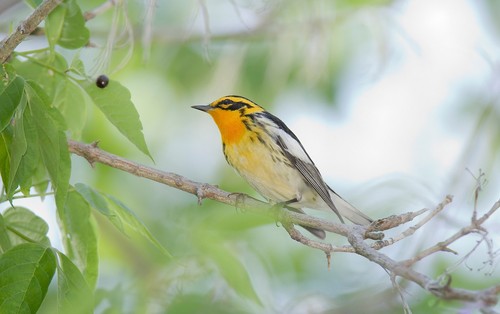
Blackburnian Warbler
11-13 cm (4.3-5.1 in) long, 20-22 cm wingspan
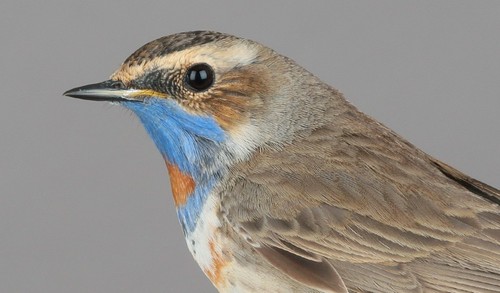
Bluethroat
13-14 cm (5.1-5.5 in) long, 20-22 cm wingspan
Eurasian Nuthatch
12-14.5 cm (4.7-5.7 in) long, 22.5-27 cm wingspan
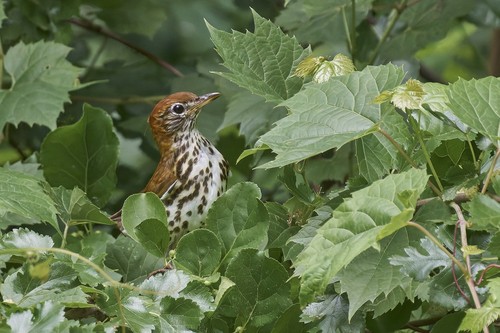
Wood Thrush
19-21 cm (7.5-8.3 in) long, about 33 cm (13 in) wingspan