
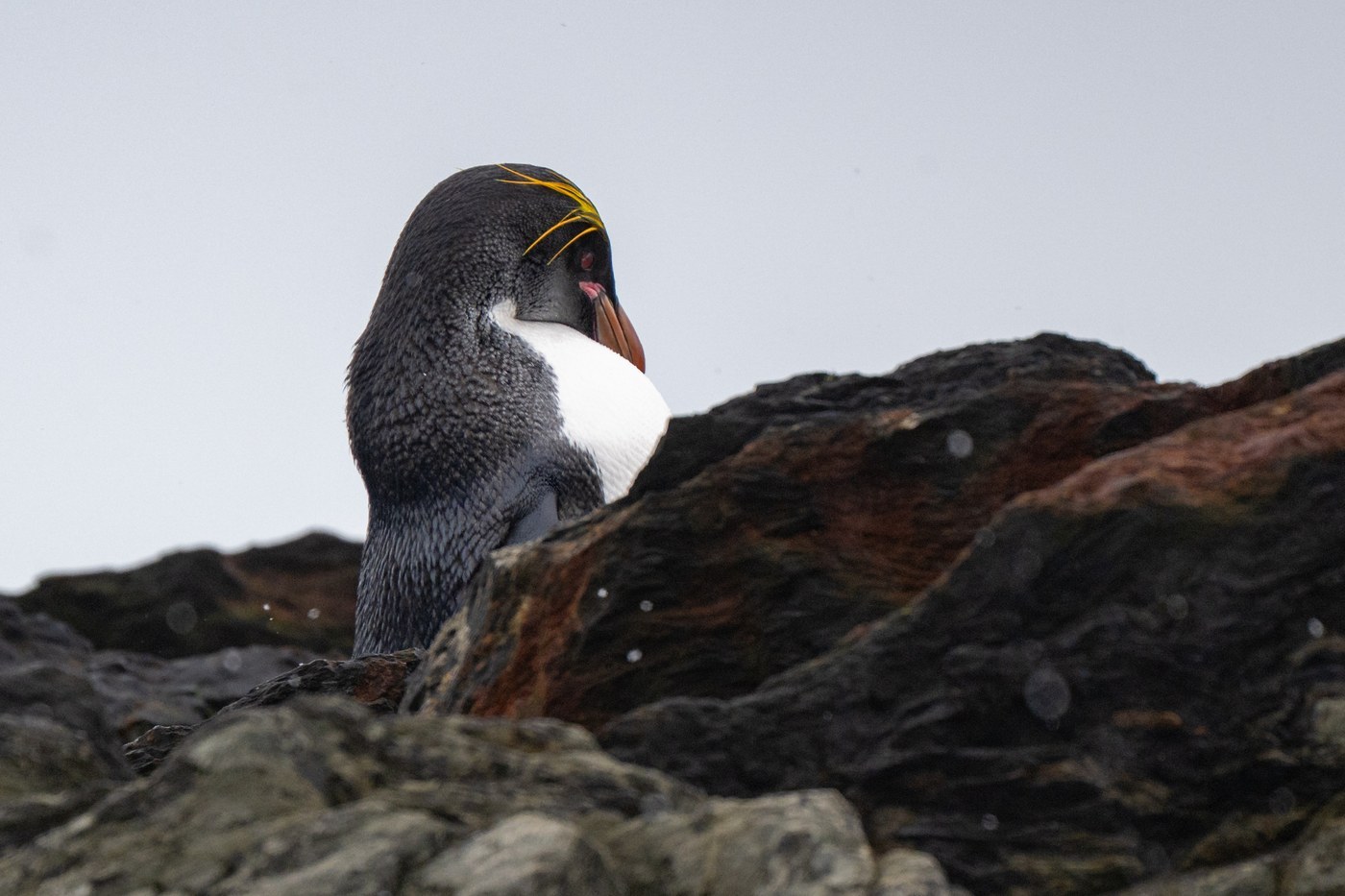
Macaroni Penguin
Eudyptes chrysolophus
A crested penguin with flamboyant golden-yellow plumes sweeping back from the forehead, once among the most abundant penguins on Earth.
- Size
- 51-76 cm (20-30 in) tall, up to about 6 kg (13 lb)
- Habitat
- sub-Antarctic islands with rocky, often steep coastlines
- Type
- seabird
Spotted a bird like this?
Identify any bird from a photo, free.
Overview
The Macaroni Penguin is a medium-sized crested penguin instantly recognizable by its striking orange-yellow plumes, which sprout from a patch on the forehead and sweep backward over the crown in a flamboyant crest. It has a black head and upperparts, white underparts, and a large, robust reddish-brown bill. It is one of the most numerous penguin species in the world by historical population, though numbers have declined significantly in recent decades.
Its common name is said to derive from 18th-century British slang, in which fashionable, flamboyantly dressed young men were called "macaronis," a nod to the penguin's own showy head plumes.
How to identify it
Key field marks
- Bright orange-yellow crest plumes sweeping back from a patch on the forehead
- Black head and upperparts contrasting with white underparts
- Large, heavy reddish-brown bill
Similar species
- Royal Penguin is very similar but has a white or pale grey face rather than black, and is restricted to Macquarie Island.
- Other crested penguins such as Rockhopper Penguins are smaller with thinner, more separated yellow plumes rather than a fused crest.
Habitat & range
Habitat
Breeds on rocky, often steep and boulder-strewn coastal slopes of sub-Antarctic islands; forages in cold offshore waters.
Range
Breeds on islands including South Georgia, the South Sandwich Islands, Kerguelen, and the South Shetland Islands.
Migration
Spends the non-breeding winter months dispersed widely at sea, returning to densely packed colonies each spring to breed.
Behavior & voice
Behavior
Breeds in some of the largest and densest penguin colonies in the world, with birds often having to clamber over steep, rocky terrain to reach nesting sites.
Voice
Gives loud, harsh braying and trumpeting calls, especially during courtship displays involving head-shaking to show off the crest.
Feeding
Dives to catch krill as its primary prey, supplemented by small fish and squid.
Nesting
Builds a simple nest scrape often lined with pebbles on rocky ground; typically lays 2 eggs, though usually only the larger second egg produces a surviving chick.
Frequently asked questions
Why is it called the Macaroni Penguin?
The name is thought to reference 18th-century British "macaronis," fashionable young men known for extravagant style, a playful nod to the penguin's flamboyant golden head plumes.
How do you identify a Macaroni Penguin?
Look for a black-headed penguin with bright orange-yellow crest plumes sweeping back from the forehead and a large reddish-brown bill.
Why is the Macaroni Penguin considered Vulnerable?
Despite once being among the most numerous penguins in the world, its populations have declined substantially in recent decades due to changes in food availability and other pressures.
What do Macaroni Penguins eat?
Their diet is dominated by krill, supplemented with small fish and squid caught while diving.
Macaroni Penguin guides
In-depth guides for identifying, finding, and understanding Macaroni Penguin.
Other birds you may enjoy
Peruvian Pelican
137-152 cm (54-60 in) long, up to 228 cm wingspan
Brown Pelican
106-137 cm (42-54 in) long, 200-230 cm wingspan
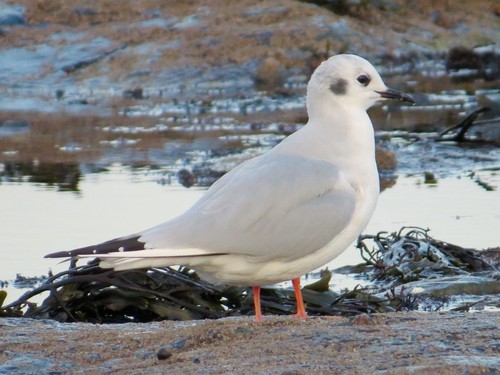
Bonaparte's Gull
28-33 cm (11-13 in) long, 76-84 cm wingspan
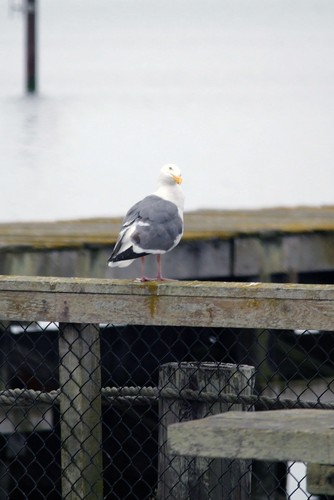
Western Gull
55-68 cm (22-27 in) long, 130-144 cm wingspan
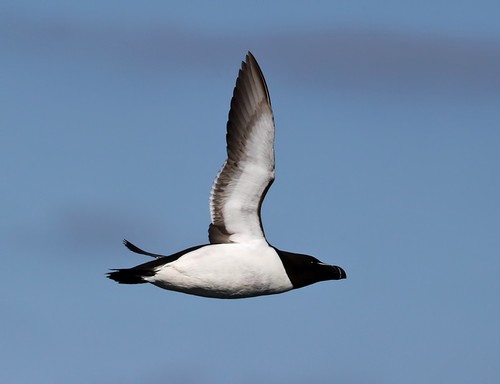
Razorbill
37-39 cm (15-15.5 in) long, 63-68 cm wingspan
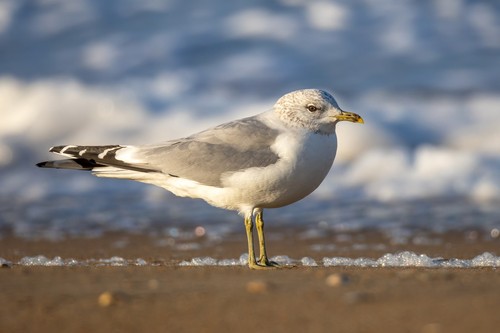
Common Gull
40-46 cm (16-18 in) long, 110-130 cm wingspan
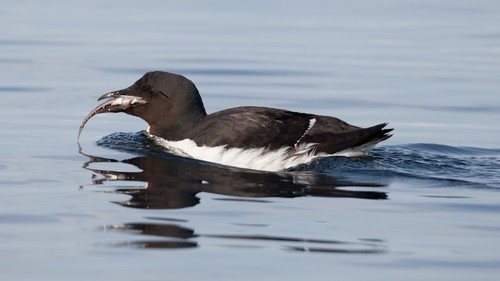
Thick-billed Murre
40-48 cm (16-19 in) long, 65-75 cm wingspan
Yellow-billed Loon
76-97 cm (30-38 in) long, 135-152 cm wingspan
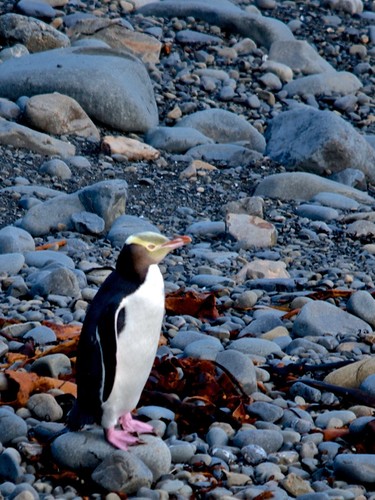
Yellow-eyed Penguin
62-79 cm (24-31 in) tall, 3-8.5 kg (6.6-18.7 lb)
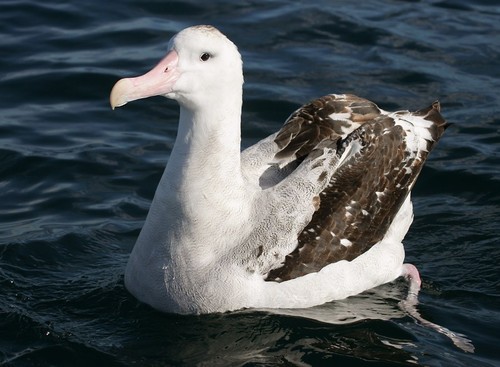
Wandering Albatross
107-135 cm (42-53 in) long, wingspan up to 3.5 m (11.5 ft)
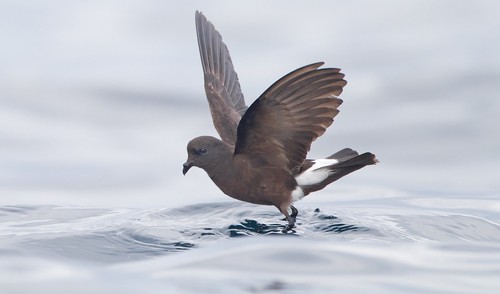
Wilson's Storm-Petrel
15-19 cm (6-7.5 in) long, wingspan 38-42 cm (15-16.5 in)
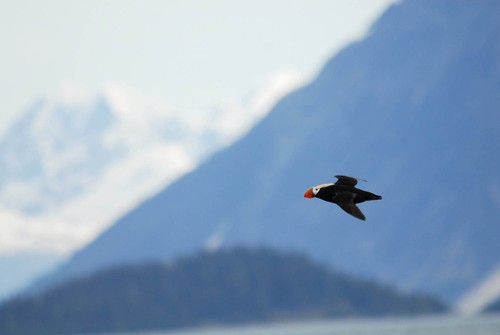
Tufted Puffin
35-41 cm (14-16 in) long, about 63-70 cm wingspan