
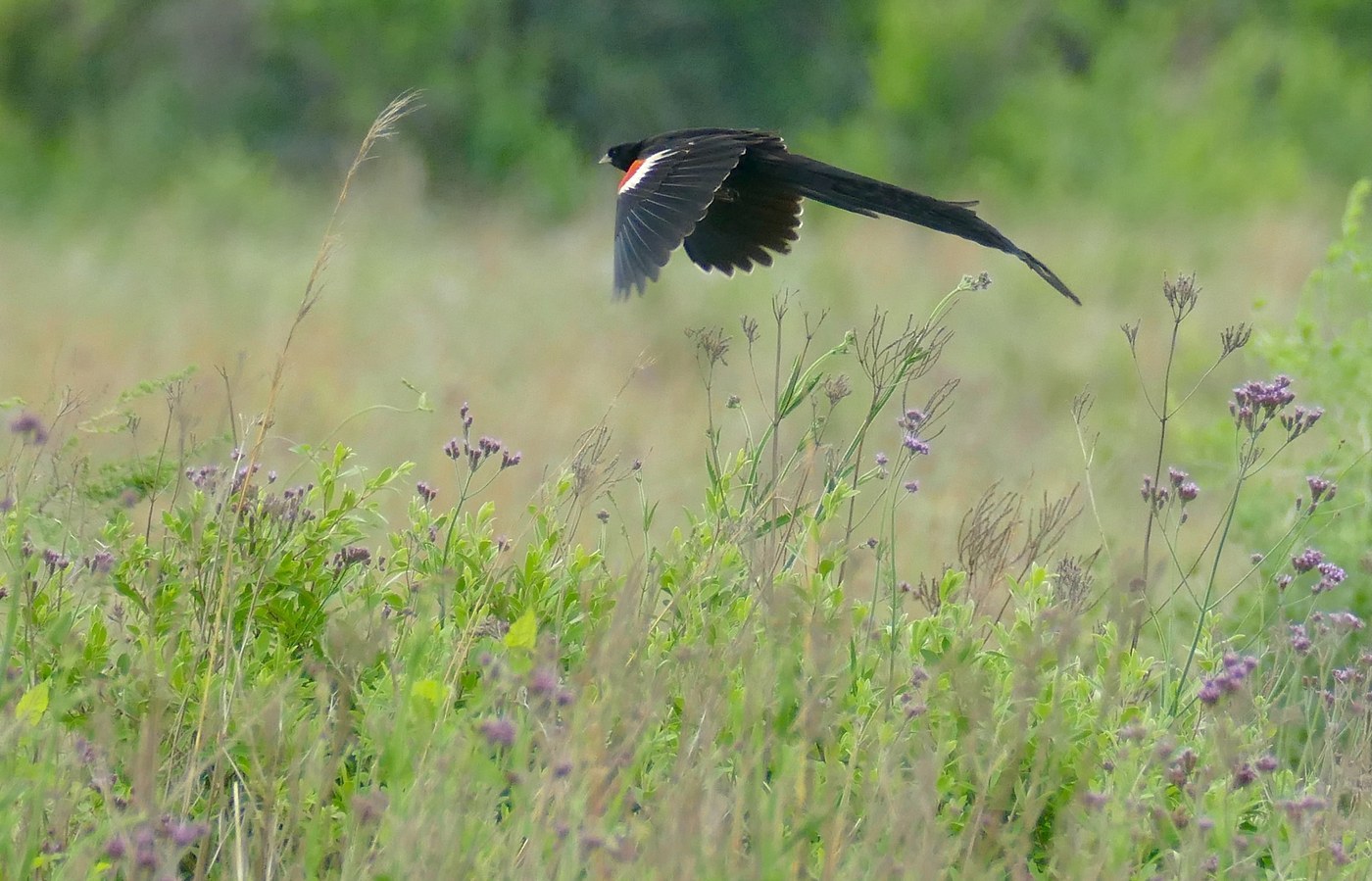
Long-tailed Widowbird
Euplectes progne
A grassland songbird whose breeding male grows an extravagant tail up to half a metre long, displayed in slow, labored flight over his territory.
- Size
- Body about 15 cm; breeding male's tail up to 50 cm, wingspan moderate
- Habitat
- Open grassland and highveld with rank grass
- Type
- songbird
Spotted a bird like this?
Identify any bird from a photo, free.
Overview
The Long-tailed Widowbird is a striking grassland bird of eastern and southern Africa, best known for the extraordinary tail grown by breeding males. Outside the breeding season, both sexes are dull, streaky brown and sparrow-like, but during the breeding season the male molts into glossy black plumage set off by bold red-and-buff shoulder patches (epaulettes) and an enormously elongated, broad black tail that can reach around 50 centimeters, several times the length of his body.
This exaggerated tail is a classic example of sexual selection, evolved through female preference for males with longer tails, and it comes at a real cost to the male's flight efficiency and predator evasion.
Females and non-breeding males lack the long tail and epaulettes, appearing as streaky brown birds similar to many other grassland seedeaters.
How to identify it
Key field marks
- Breeding male: glossy black body, bright red-and-buff shoulder patches, and an extremely long, broad black tail
- Slow, labored, fluttering flight of the breeding male, with the tail often drooping below the body
- Non-breeding male and female: streaky brown, sparrow-like, with a short tail and no epaulettes
- Stout, conical bill typical of the Euplectes group
Similar species
- Fan-tailed Widowbird and Red-collared Widowbird are smaller with much shorter tails, even in breeding plumage.
- Female and non-breeding male widowbirds and bishops are very similar; look for habitat (tall grassland) and check for any accompanying long-tailed males.
- No other African grassland songbird shows a comparably exaggerated tail length relative to body size.
Habitat & range
Range
Found in eastern and southern Africa, including South Africa, Zimbabwe, Zambia, and parts of East Africa such as Kenya and Tanzania, generally in higher-altitude grassland regions.
Habitat
Occupies open grassland, highveld, and rank grass in moist areas, often near vleis or seasonally damp ground, avoiding heavily wooded or cultivated land.
Movements
Mainly resident, though some local movements may occur outside the breeding season as birds gather in flocks to forage.
Behavior & voice
Behavior
During the breeding season, males are strongly territorial, defending grassland territories where they perform slow, floating display flights with the long tail spread to attract females. Outside the breeding season, birds are gregarious and form flocks, often mixed with other seedeaters.
Voice
Gives buzzy, wheezy, chattering calls and a jumbled, insect-like song, often delivered during the male's display flight.
Feeding
Forages mainly on the ground for grass and other seeds, and also takes insects, particularly when feeding young.
Nesting and breeding
The male is polygynous, mating with several females who each build a domed grass nest low in dense grass within his territory and raise the brood largely without his direct assistance beyond territory defense. Breeding coincides with the growth of long grass in the rainy season.
Frequently asked questions
How do you identify a Long-tailed Widowbird?
Look for a black bird with bright red-and-buff shoulder patches and an extremely long, drooping black tail in breeding males; females and non-breeding males are streaky brown with a short tail.
Why do male Long-tailed Widowbirds have such long tails?
The long tail is a product of sexual selection: females prefer males with longer tails, so the trait has become exaggerated over evolutionary time despite its cost to flight.
How long is the tail of a Long-tailed Widowbird?
The breeding male's tail can reach roughly 50 centimeters, several times longer than his body.
Where does the Long-tailed Widowbird live?
It lives in open grassland and highveld habitats in eastern and southern Africa.
Do female Long-tailed Widowbirds have long tails?
No, females have short tails year-round and look like streaky brown grassland birds, quite unlike the ornamented breeding male.
Long-tailed Widowbird guides
In-depth guides for identifying, finding, and understanding Long-tailed Widowbird.
Other birds you may enjoy
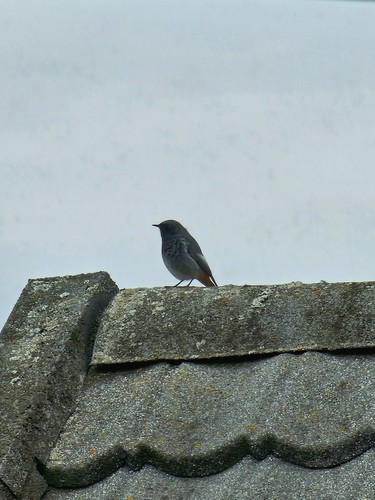
Black Redstart
13-14.5 cm (5.1-5.7 in) long, 23-26 cm wingspan
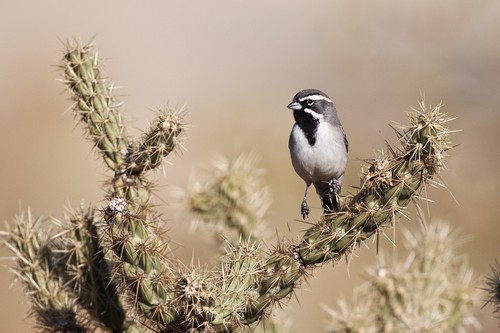
Black-throated Sparrow
12-14 cm (4.7-5.5 in) long, about 19-20 cm (7.5-8 in) wingspan
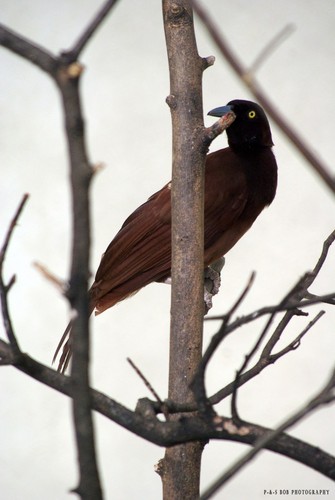
Greater Bird-of-paradise
Body about 43 cm; males with additional flank plumes up to 50 cm and long tail wires
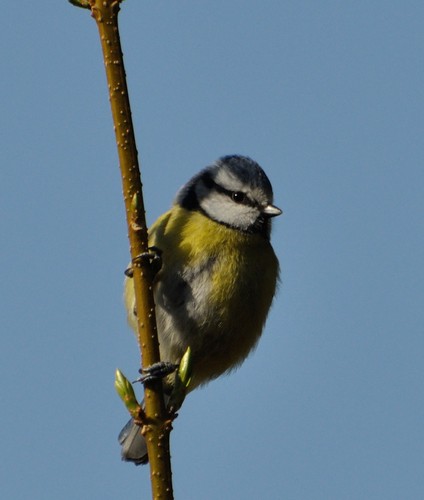
Blue Tit
11-12 cm (4.3-4.7 in) long, 17-20 cm wingspan

Red-billed Quelea
11.5–13 cm long, wingspan about 20–22 cm
White-plumed Antbird
13-14 cm (5-5.5 in) long
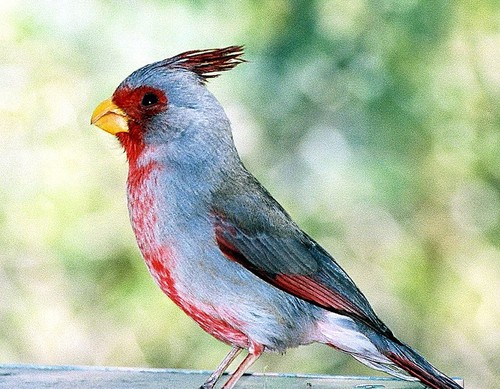
Pyrrhuloxia
19-22 cm (7.5-8.7 in) long, 30 cm wingspan
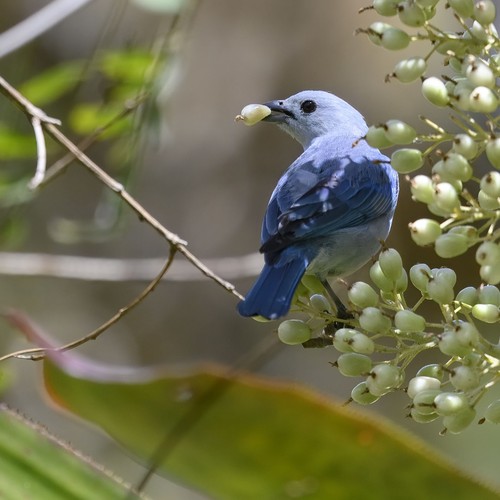
Blue-gray Tanager
16-18 cm (6-7 in) long
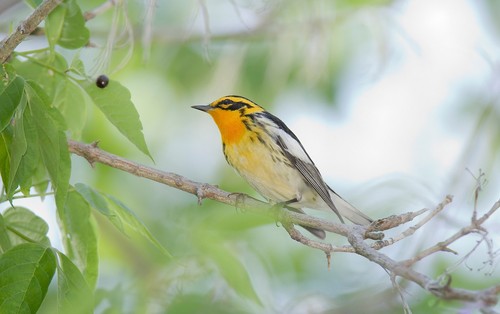
Blackburnian Warbler
11-13 cm (4.3-5.1 in) long, 20-22 cm wingspan
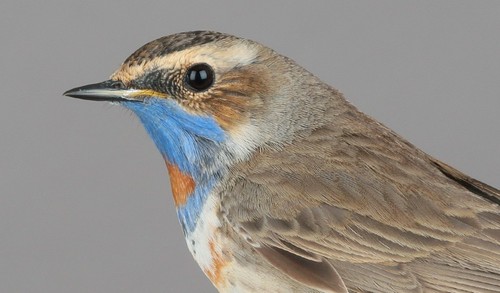
Bluethroat
13-14 cm (5.1-5.5 in) long, 20-22 cm wingspan
Eurasian Nuthatch
12-14.5 cm (4.7-5.7 in) long, 22.5-27 cm wingspan
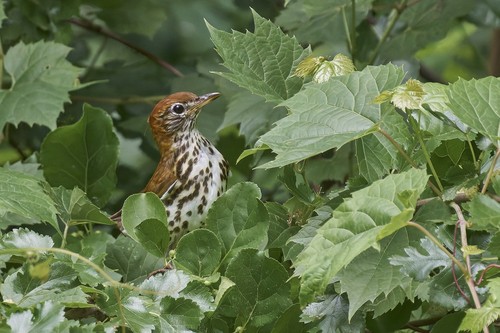
Wood Thrush
19-21 cm (7.5-8.3 in) long, about 33 cm (13 in) wingspan