
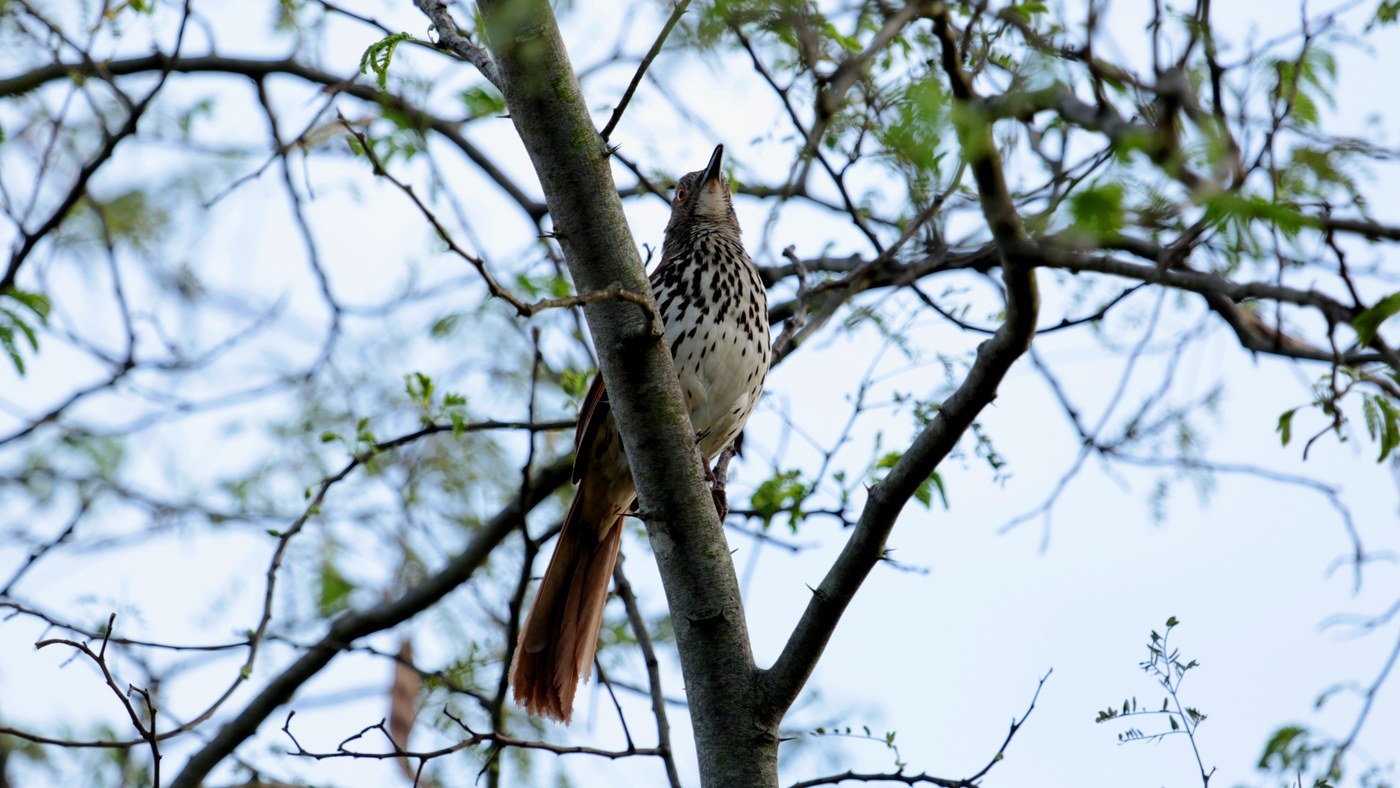
Long-billed Thrasher
Toxostoma longirostre
A darker, longer-billed cousin of the Brown Thrasher found in dense brush of south Texas and northeastern Mexico.
- Size
- 26-29 cm (10-11.5 in) long
- Habitat
- dense brushy woodlands and thorn scrub
- Type
- songbird
Spotted a bird like this?
Identify any bird from a photo, free.
Overview
The Long-billed Thrasher is closely related to the more widespread Brown Thrasher and occupies a similar ecological niche, but is restricted to the dense thorn scrub and brushy woodlands of south Texas and northeastern Mexico. It closely resembles Brown Thrasher but is somewhat grayer and darker overall, with a notably longer and more strongly curved bill.
Bright orange-yellow eyes stand out against a grayish face marked with a dark malar stripe, while the underparts show heavy, bold dark streaking on a whitish background, similar in pattern to Brown Thrasher but with a cooler overall tone.
How to identify it
Key field marks
- Grayish-brown to dark brown upperparts (grayer/darker than Brown Thrasher)
- Long, strongly downcurved bill, longer than Brown Thrasher's
- Bright orange-yellow eyes
- Heavy dark streaking on whitish underparts
- Grayish face with a dark malar stripe
Similar species
Brown Thrasher is warmer rufous-brown above with a shorter bill and largely overlaps in the eastern and central US rather than south Texas. Curve-billed Thrasher, which overlaps in range, lacks bold streaking and shows only faint diffuse breast spotting instead.
Habitat & range
Habitat
Long-billed Thrashers favor dense, thorny brush and riparian woodland understory, particularly in the Rio Grande Valley and adjacent thornscrub habitat.
Range
The species is largely restricted to south Texas, especially the lower Rio Grande Valley, and extends south through much of eastern and central Mexico.
Migration
Long-billed Thrashers are non-migratory residents, remaining on territory within their brushy habitat year-round.
Behavior & voice
Behavior
Long-billed Thrashers forage on the ground within dense cover, using their long bills to flip leaf litter and probe soil for insects and other invertebrates, and also eat fruit; they tend to stay low and somewhat hidden within thick brush.
Voice
The song is a varied series of musical phrases, often delivered in pairs like other Toxostoma thrashers, generally similar to but distinguishable from Brown Thrasher's song with practice; the call is a sharp, whistled note.
Nesting
Nests are built low within dense thorny shrubs, constructed as a bulky cup of twigs. Females lay 2-5 pale blue-green eggs marked with fine spots.
Frequently asked questions
How do you tell Long-billed Thrasher from Brown Thrasher?
Long-billed Thrasher is grayer and darker overall with a longer, more strongly curved bill and bright orange-yellow eyes, while Brown Thrasher is warmer rufous-brown with a shorter bill, and the two species have largely separate ranges.
Where does the Long-billed Thrasher live?
It is largely restricted in the US to south Texas, especially the lower Rio Grande Valley, with the bulk of its range extending into eastern and central Mexico.
What does a Long-billed Thrasher eat?
It eats insects and other invertebrates found by foraging on the ground, along with fruit.
Does the Long-billed Thrasher migrate?
No, it is a non-migratory resident that stays within its brushy habitat year-round.
Long-billed Thrasher guides
In-depth guides for identifying, finding, and understanding Long-billed Thrasher.
Other birds you may enjoy
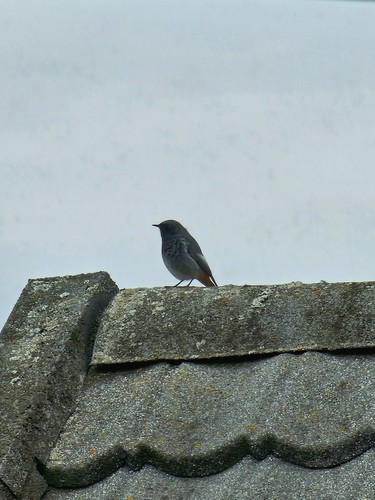
Black Redstart
13-14.5 cm (5.1-5.7 in) long, 23-26 cm wingspan
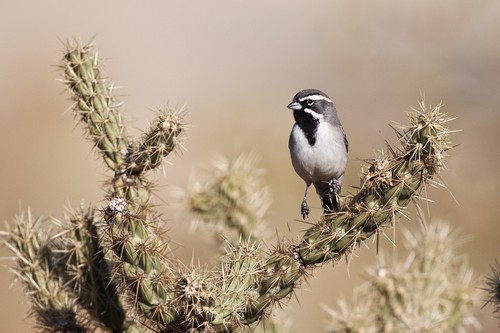
Black-throated Sparrow
12-14 cm (4.7-5.5 in) long, about 19-20 cm (7.5-8 in) wingspan
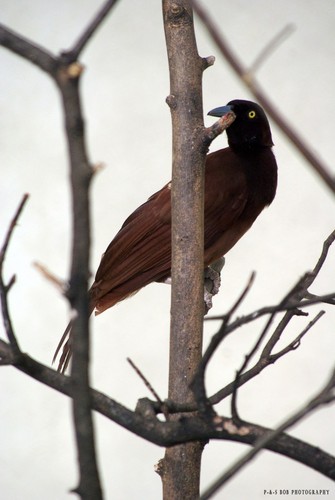
Greater Bird-of-paradise
Body about 43 cm; males with additional flank plumes up to 50 cm and long tail wires
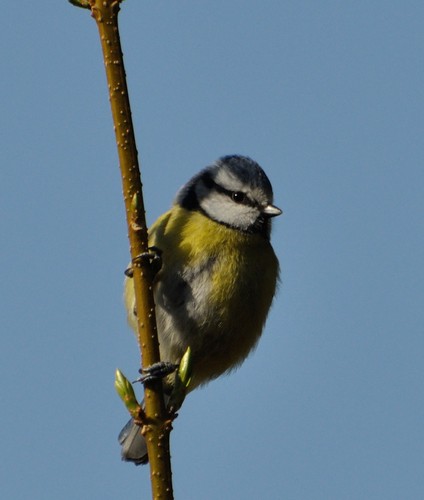
Blue Tit
11-12 cm (4.3-4.7 in) long, 17-20 cm wingspan

Red-billed Quelea
11.5–13 cm long, wingspan about 20–22 cm
White-plumed Antbird
13-14 cm (5-5.5 in) long
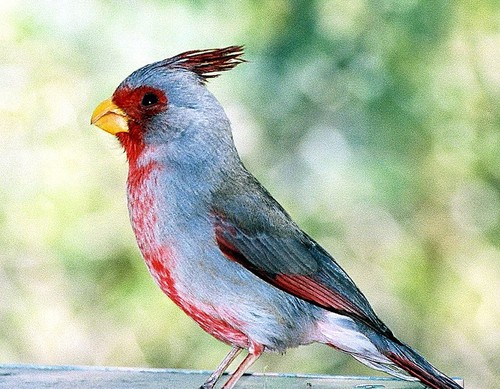
Pyrrhuloxia
19-22 cm (7.5-8.7 in) long, 30 cm wingspan
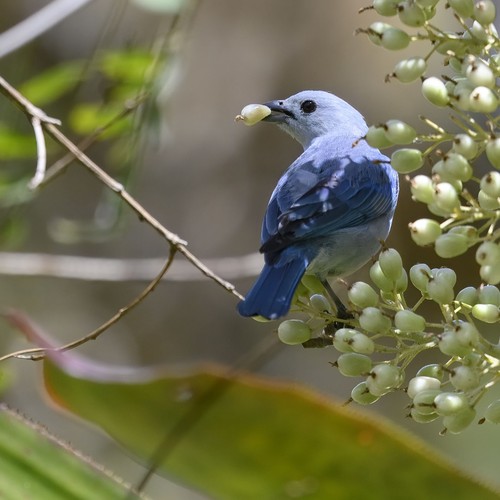
Blue-gray Tanager
16-18 cm (6-7 in) long
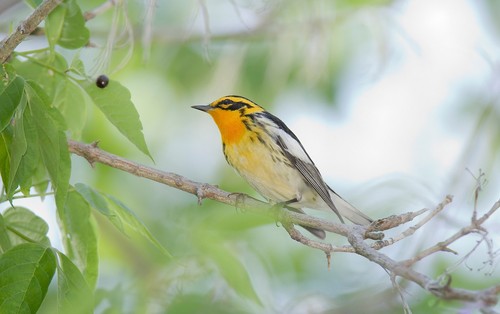
Blackburnian Warbler
11-13 cm (4.3-5.1 in) long, 20-22 cm wingspan
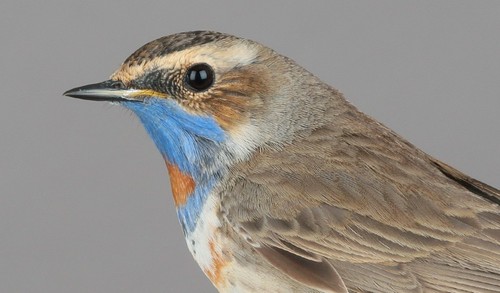
Bluethroat
13-14 cm (5.1-5.5 in) long, 20-22 cm wingspan
Eurasian Nuthatch
12-14.5 cm (4.7-5.7 in) long, 22.5-27 cm wingspan
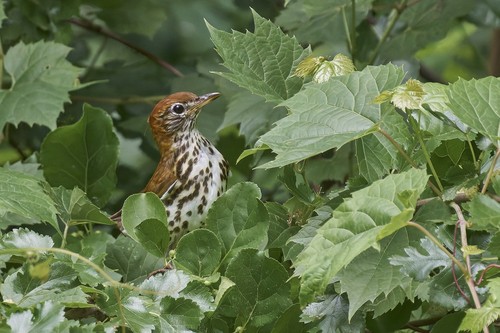
Wood Thrush
19-21 cm (7.5-8.3 in) long, about 33 cm (13 in) wingspan