
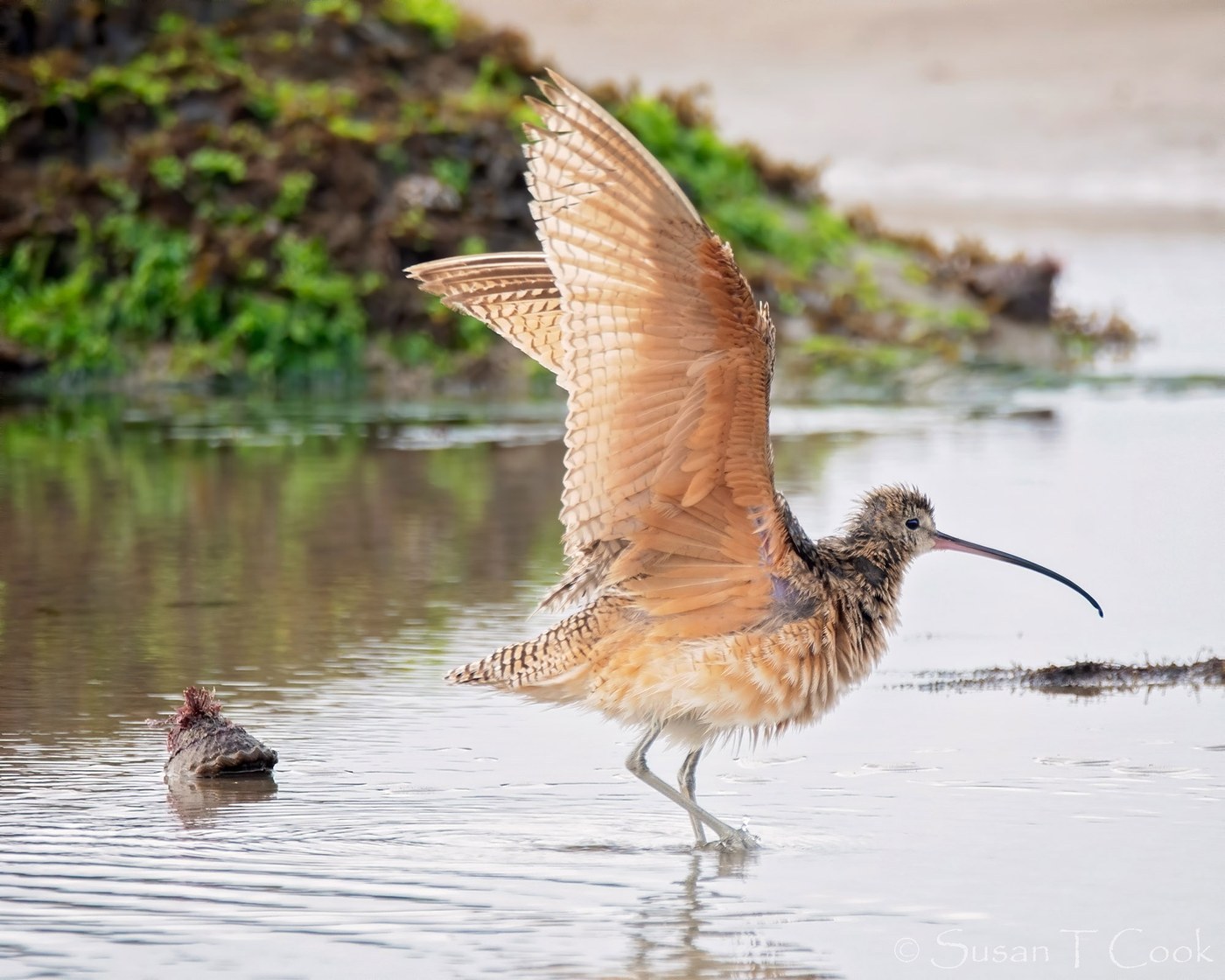
Long-billed Curlew
Numenius americanus
North America's largest shorebird, unmistakable for its extremely long, dramatically downcurved bill and warm cinnamon-buff plumage.
- Size
- 50-65 cm (20-26 in) long, 80-100 cm wingspan
- Habitat
- grasslands and prairies (breeding); coastal mudflats and agricultural fields (non-breeding)
- Type
- shorebird
Spotted a bird like this?
Identify any bird from a photo, free.
Overview
The Long-billed Curlew is the largest shorebird in North America, immediately recognizable by its extraordinarily long, strongly decurved bill—the longest of any North American bird relative to body size. Overall plumage is warm cinnamon-buff, finely streaked and mottled with dark brown, and the underwings and axillaries show a rich cinnamon color visible in flight.
Females have noticeably longer bills than males, an unusually pronounced example of sexual dimorphism in bill length among shorebirds.
Once much more numerous, the species suffered historical declines from habitat loss on its native-grassland breeding grounds but remains fairly widespread across the interior western United States and Canada.
How to identify it
Key field marks
- Extremely long, strongly downcurved bill—longer than the bird's head length several times over
- Warm cinnamon-buff overall plumage
- Cinnamon underwings and axillaries, visible in flight
- Large size, noticeably bigger than a Whimbrel
Similar species
- Whimbrel is smaller with a shorter, less dramatically curved bill and a bold striped crown pattern.
- Marbled Godwit has an upturned (not downcurved) bicolored bill and is smaller overall.
Habitat & range
Long-billed Curlews breed in native short- and mixed-grass prairies and grasslands of the interior western United States and southern Canada. Outside the breeding season they winter on coastal mudflats, beaches, and estuaries along the Pacific and Gulf coasts and in agricultural fields and grasslands further inland, from the southern United States to Central America.
Behavior & voice
Voice
A loud, rising, whistled cur-lee call, from which the family gets its name, along with various other whistled and bubbling notes given during breeding displays.
Feeding
Uses its long bill to probe deep into mud, sand, and soil for crustaceans, mollusks, and insects, and also forages by picking insects from grasslands; occasionally takes small vertebrates such as toads or the eggs of other ground-nesting birds.
Nesting
Nests on the ground in short-grass prairie, often in a simple, sparsely lined scrape. Both parents incubate and defend the nest, though prairie habitat loss and conversion to cropland have reduced available nesting areas across much of the species' historical breeding range.
Frequently asked questions
What is the largest shorebird in North America?
The Long-billed Curlew, distinguished by its extremely long, strongly downcurved bill and large overall size.
Why is its bill so long?
The long, curved bill allows it to probe deeply into mud, sand, and soil to reach prey such as crustaceans and mollusks that other shorebirds cannot access.
Do male and female Long-billed Curlews look different?
They look similar in plumage, but females have notably longer bills than males, one of the most pronounced examples of bill-length dimorphism among shorebirds.
Where does the Long-billed Curlew breed?
In native grasslands and prairies of the interior western United States and southern Canada.
Long-billed Curlew guides
In-depth guides for identifying, finding, and understanding Long-billed Curlew.
Other birds you may enjoy
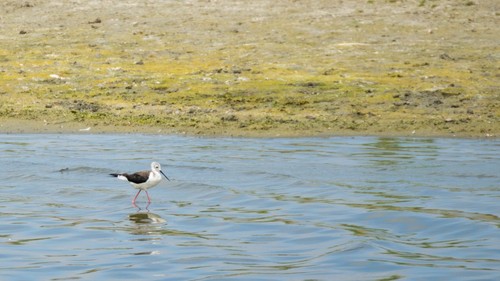
Black-winged Stilt
33-36 cm (13-14 in) long, wingspan 67-83 cm
Willet
33-41 cm (13-16 in) long, 65-70 cm wingspan
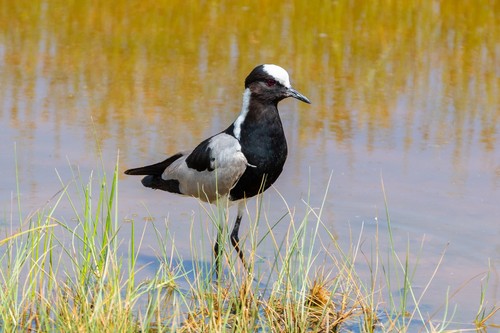
Blacksmith Lapwing
Body length about 30 cm; wingspan 55-65 cm
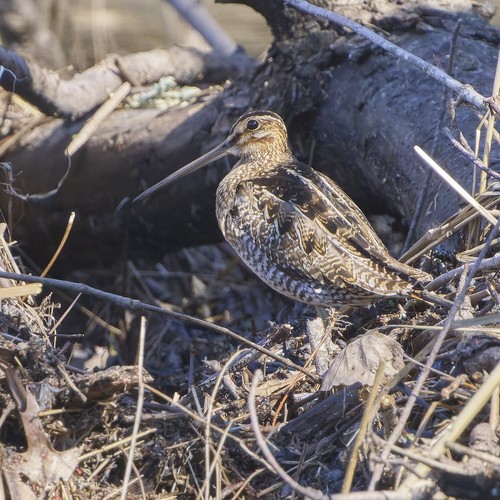
Wilson's Snipe
25-30 cm (10-12 in) long, 39-45 cm wingspan
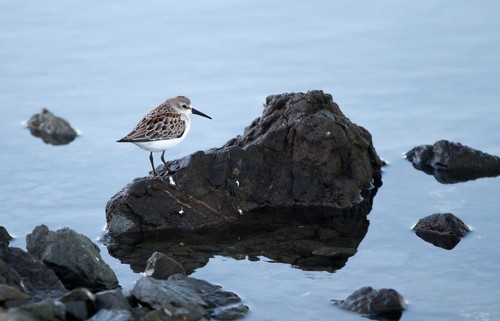
Western Sandpiper
14-17 cm (5.5-6.7 in) long, 28-37 cm wingspan
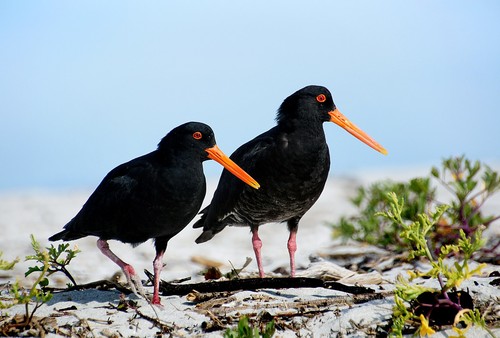
Variable Oystercatcher
46-49 cm (18-19 in) long
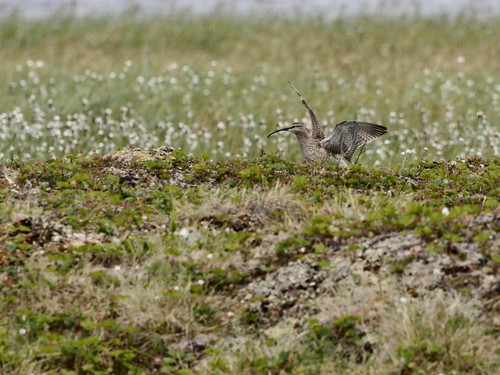
Whimbrel
40-46 cm (16-18 in) long, 76-89 cm wingspan
Wilson's Phalarope
22-24 cm (8.5-9.5 in) long, 37-43 cm wingspan
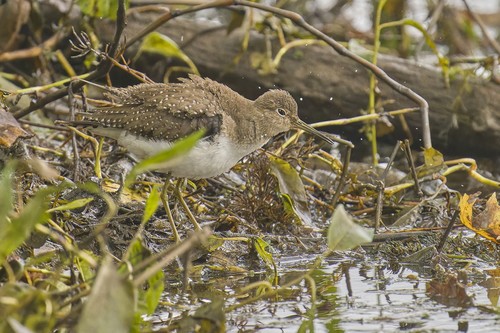
Solitary Sandpiper
19-23 cm (7.5-9 in) long, 50-56 cm wingspan
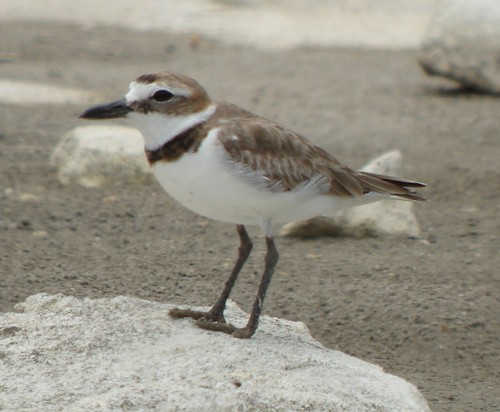
Wilson's Plover
17-19 cm (6.7-7.5 in) long, 45-50 cm wingspan
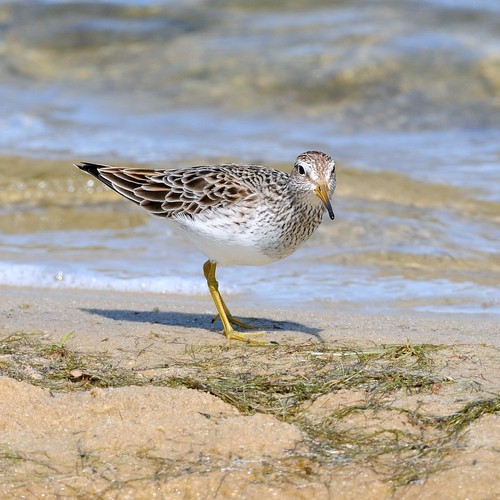
Pectoral Sandpiper
19-23 cm (7.5-9 in) long, 43-49 cm wingspan
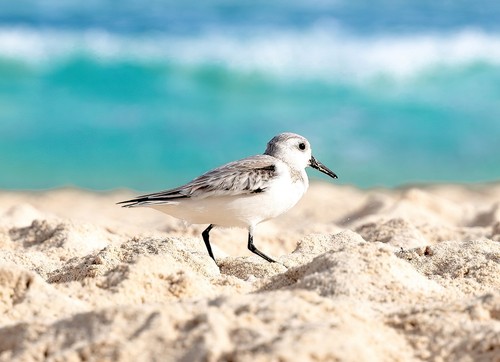
Sanderling
18-20 cm (7-8 in) long, 40-43 cm wingspan