
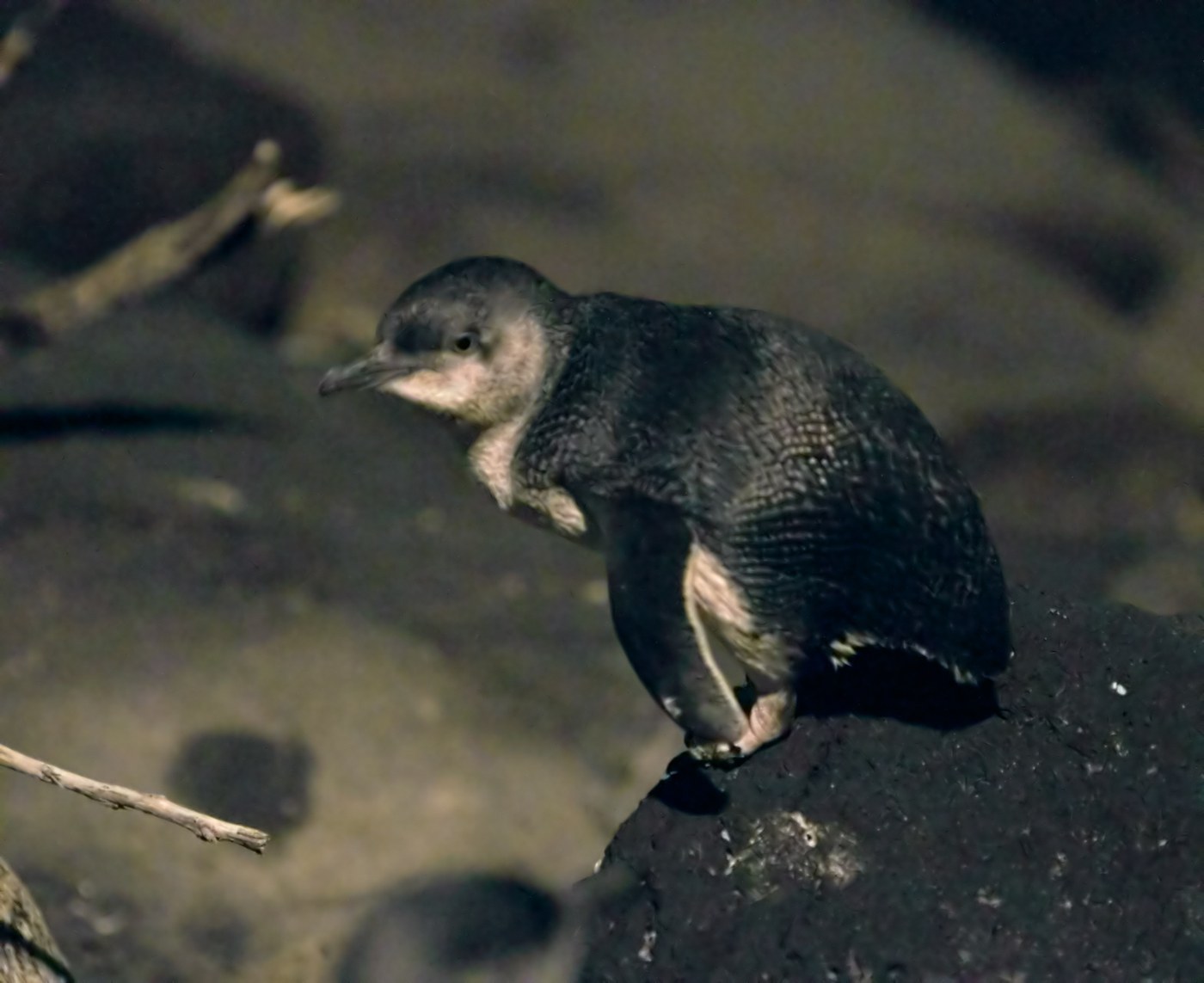
Little Penguin
Eudyptula minor
The world's smallest penguin species, with slate-blue upperparts and white underparts, that comes ashore only after dark to avoid predators.
- Size
- 30-33 cm (12-13 in) tall, 1-1.5 kg (2.2-3.3 lb)
- Habitat
- coastal waters, sandy and rocky shorelines, offshore islands
- Type
- seabird
Spotted a bird like this?
Identify any bird from a photo, free.
Overview
The Little Penguin is the smallest of all penguin species, standing barely a foot tall. Its plumage is a soft slate-blue to indigo above, shading to white below, which has earned it the popular nickname "Fairy Penguin" or "Little Blue Penguin."
Unlike many of its larger relatives, this species is famously shy and nocturnal on land, coming ashore under cover of darkness to avoid predators, a behavior that has made evening "penguin parades" a popular wildlife-viewing spectacle in parts of its range.
Despite its diminutive size, the Little Penguin is a strong and agile swimmer, spending most of its life at sea.
How to identify it
Key field marks
- Very small size, less than half the height of most other penguins
- Slate-blue to indigo upperparts with a silvery sheen
- Clean white underparts and white-tipped flippers
- Pale pinkish-grey feet
Similar species
- No other penguin overlaps in range or size across most of southern Australia and New Zealand, making the Little Penguin generally unmistakable.
- Juveniles are simply a duller, browner version of the adult plumage.
Habitat & range
Little Penguins are found around the coasts of southern Australia and New Zealand, breeding in burrows, rock crevices, or dense coastal vegetation on offshore islands and sheltered mainland shorelines. They favor sandy beaches and rocky headlands close to productive inshore feeding waters.
They are largely sedentary, foraging within a relatively short distance of their breeding colony year-round rather than undertaking long migrations.
Behavior & voice
Voice
At colonies after dark, Little Penguins give a range of loud brays, growls, and trumpeting calls used to locate mates and defend burrows.
Feeding
They forage in near-shore waters, making short, shallow dives to catch small schooling fish, squid, and krill, often returning to sea for days at a time between feeding trips.
Nesting and breeding
Pairs nest in burrows, natural cavities, or under dense vegetation, and typically lay two eggs. Adults commute to and from the colony at dusk and dawn, gathering in rafts offshore before coming ashore together in groups for safety.
Frequently asked questions
What is the smallest penguin in the world?
The Little Penguin is the smallest penguin species, standing only about 30-33 cm (12-13 in) tall.
Why are Little Penguins also called Fairy Penguins?
Their small size and soft slate-blue plumage inspired the nicknames "Fairy Penguin" and "Little Blue Penguin."
Where do Little Penguins live?
They live around the coasts of southern Australia and New Zealand, nesting in burrows on offshore islands and sheltered mainland shores.
Why do Little Penguins come ashore at night?
Coming ashore after dark helps them avoid land predators and aerial predators that could otherwise easily spot their movements in daylight.
What do Little Penguins eat?
They eat small fish, squid, and krill, caught during short dives in near-shore waters.
Little Penguin guides
In-depth guides for identifying, finding, and understanding Little Penguin.
Other birds you may enjoy
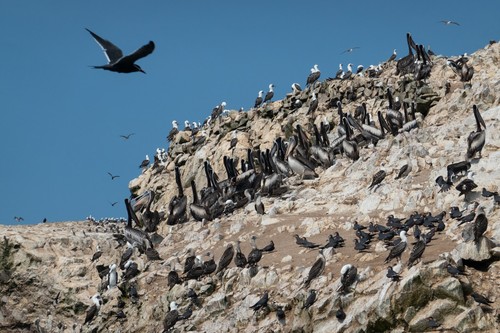
Peruvian Pelican
137-152 cm (54-60 in) long, up to 228 cm wingspan
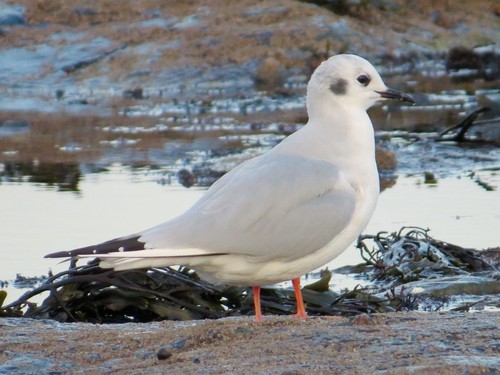
Bonaparte's Gull
28-33 cm (11-13 in) long, 76-84 cm wingspan
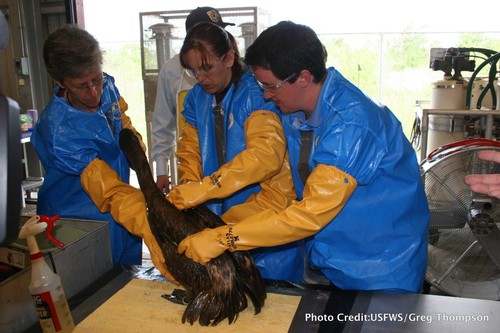
Brown Pelican
106-137 cm (42-54 in) long, 200-230 cm wingspan
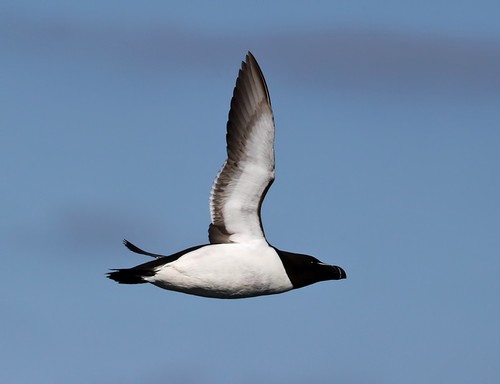
Razorbill
37-39 cm (15-15.5 in) long, 63-68 cm wingspan
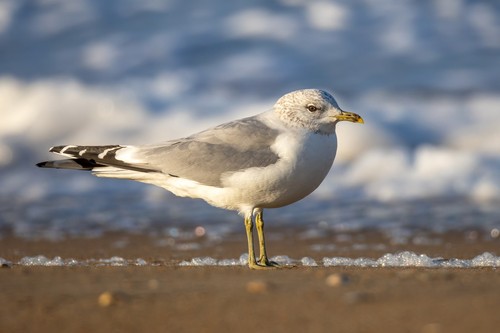
Common Gull
40-46 cm (16-18 in) long, 110-130 cm wingspan
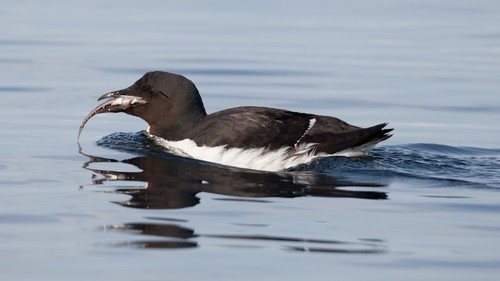
Thick-billed Murre
40-48 cm (16-19 in) long, 65-75 cm wingspan
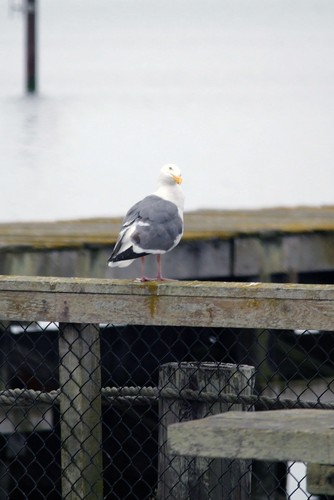
Western Gull
55-68 cm (22-27 in) long, 130-144 cm wingspan
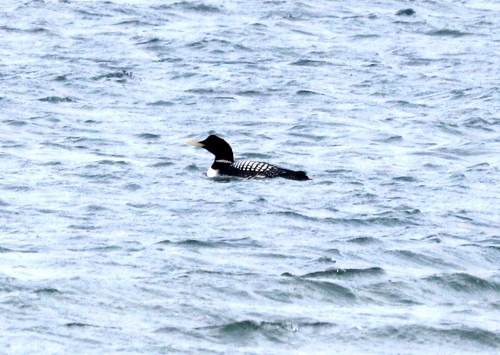
Yellow-billed Loon
76-97 cm (30-38 in) long, 135-152 cm wingspan
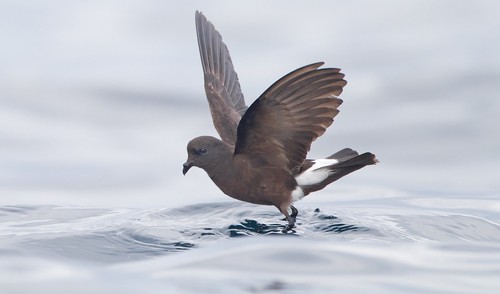
Wilson's Storm-Petrel
15-19 cm (6-7.5 in) long, wingspan 38-42 cm (15-16.5 in)
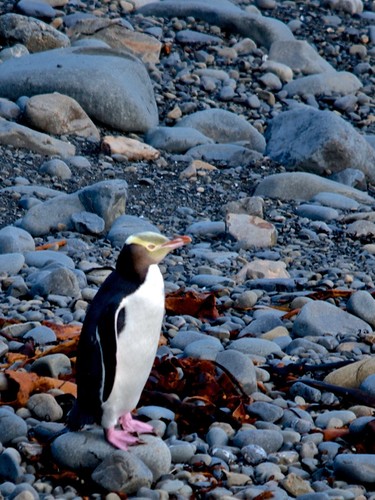
Yellow-eyed Penguin
62-79 cm (24-31 in) tall, 3-8.5 kg (6.6-18.7 lb)
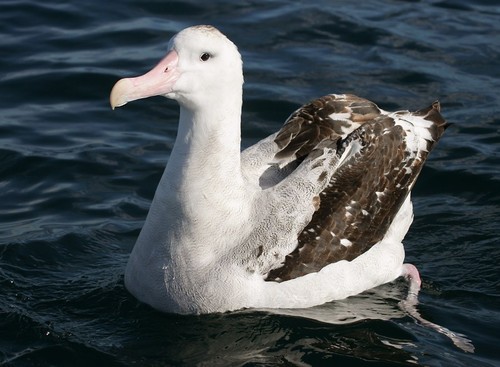
Wandering Albatross
107-135 cm (42-53 in) long, wingspan up to 3.5 m (11.5 ft)
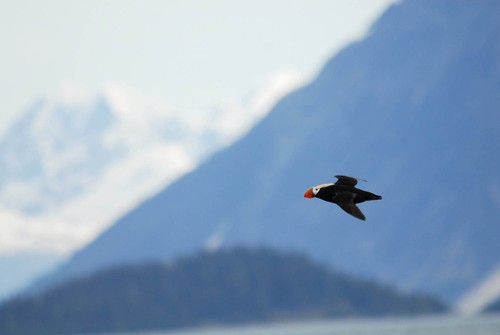
Tufted Puffin
35-41 cm (14-16 in) long, about 63-70 cm wingspan