
Little Penguin Identification Guide
The world's smallest penguin species, with distinctive slate-blue upperparts, found only along the coasts of southern Australia and New Zealand.
Read the full Little Penguin encyclopedia entry →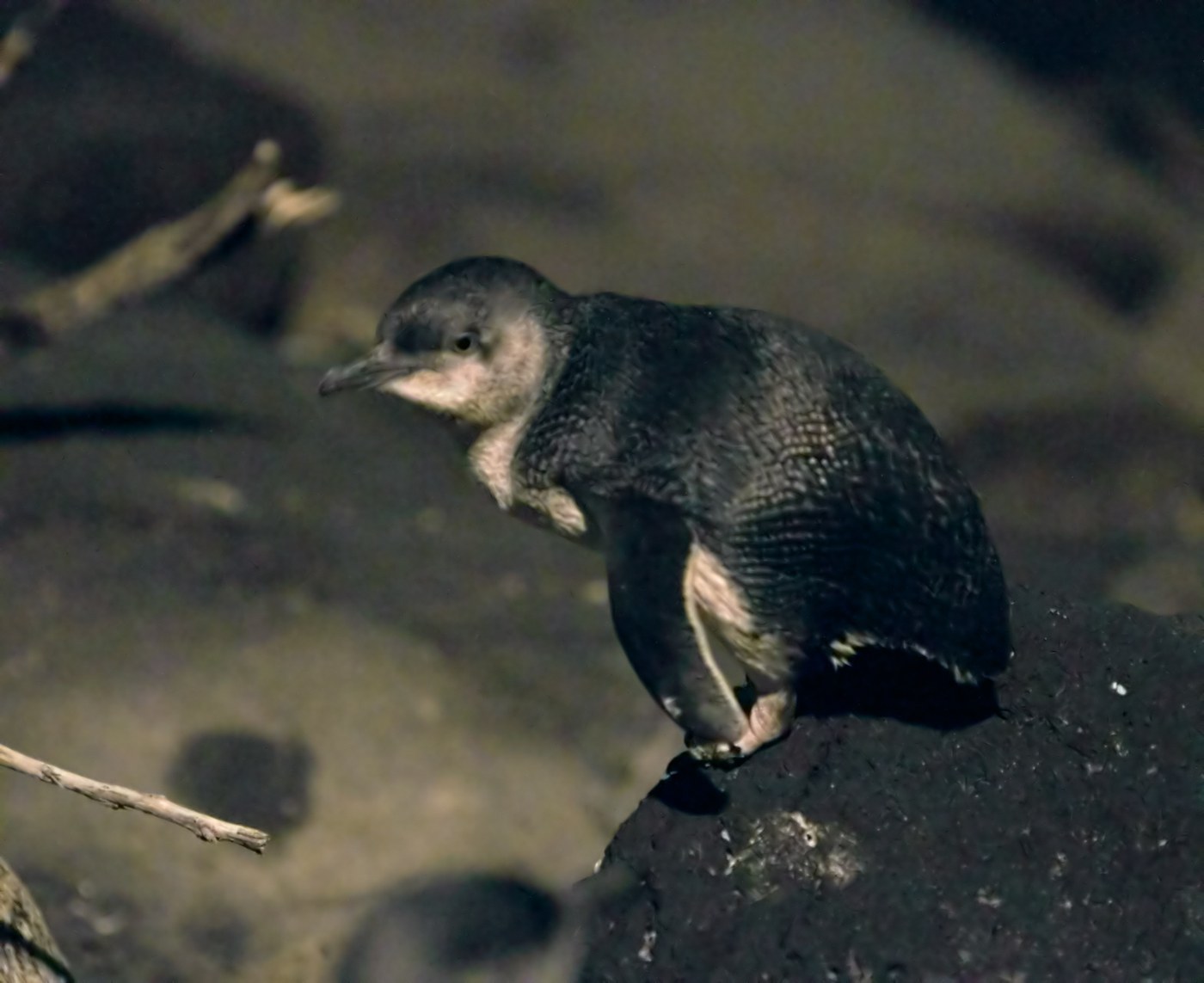
Key Field Marks
- Size & shape: The smallest of all penguin species, standing only about 30–33 cm tall and weighing roughly 1–1.5 kg.
- Plumage: Distinctive indigo-blue to slate-blue upperparts (unlike the black of larger penguins) and clean white underparts; no head stripes, crests, or facial patches.
- Bill & eyes: Short, dark bill; pale silvery to reddish-brown eye depending on subspecies/population.
- Behavior: Comes ashore only after dark to avoid predators, waddling from the surf to burrows or rock crevices in small groups called "rafts"; strictly marine and highly agile underwater, diving for small fish and squid.
Separating It From Similar Species
- No overlapping penguin species: Within its Australian range it is the only penguin species present, so size and blue coloration alone confirm identification; in New Zealand it may occur near other species (e.g., Yellow-eyed Penguin, Fiordland Crested Penguin) which are much larger and have bold facial/head markings the Little Penguin lacks.
- Also known as Fairy Penguin: Same species, different common name used especially in Australia.
Where & When to See It
- Habitat: Sandy and rocky coastlines, offshore islands, and sheltered bays, nesting in burrows, vegetation, or artificial nest boxes near the shoreline.
- Range: Coasts of southern Australia (from around Fremantle in Western Australia to southern Queensland, including Tasmania) and all around New Zealand's coastline and offshore islands.
- Season: Resident year-round; the best viewing is at dusk when colonies of birds return from the sea to their burrows, a spectacle marketed at well-known sites such as Phillip Island, Australia.
Voice
- Loud, harsh braying, growling, and trumpeting calls exchanged at colonies after dark, used for mate and chick recognition amid the noisy nightly return from sea.
Frequently asked questions
What is another common name for the Little Penguin?
It is also widely known as the Fairy Penguin, especially in Australia.
How can you tell a Little Penguin apart from other penguin species?
Its very small size and unusual slate-blue (rather than black) upperparts are distinctive, and in Australia it is the only penguin species present at all.
When is the best time to see Little Penguins coming ashore?
At dusk and after dark, when they return from a day of feeding at sea and waddle up the beach to their burrows in groups.
Where do Little Penguins nest?
In burrows dug into sand or soil, natural rock crevices, dense vegetation, or artificial nest boxes near the coastline, often on predator-free islands.