
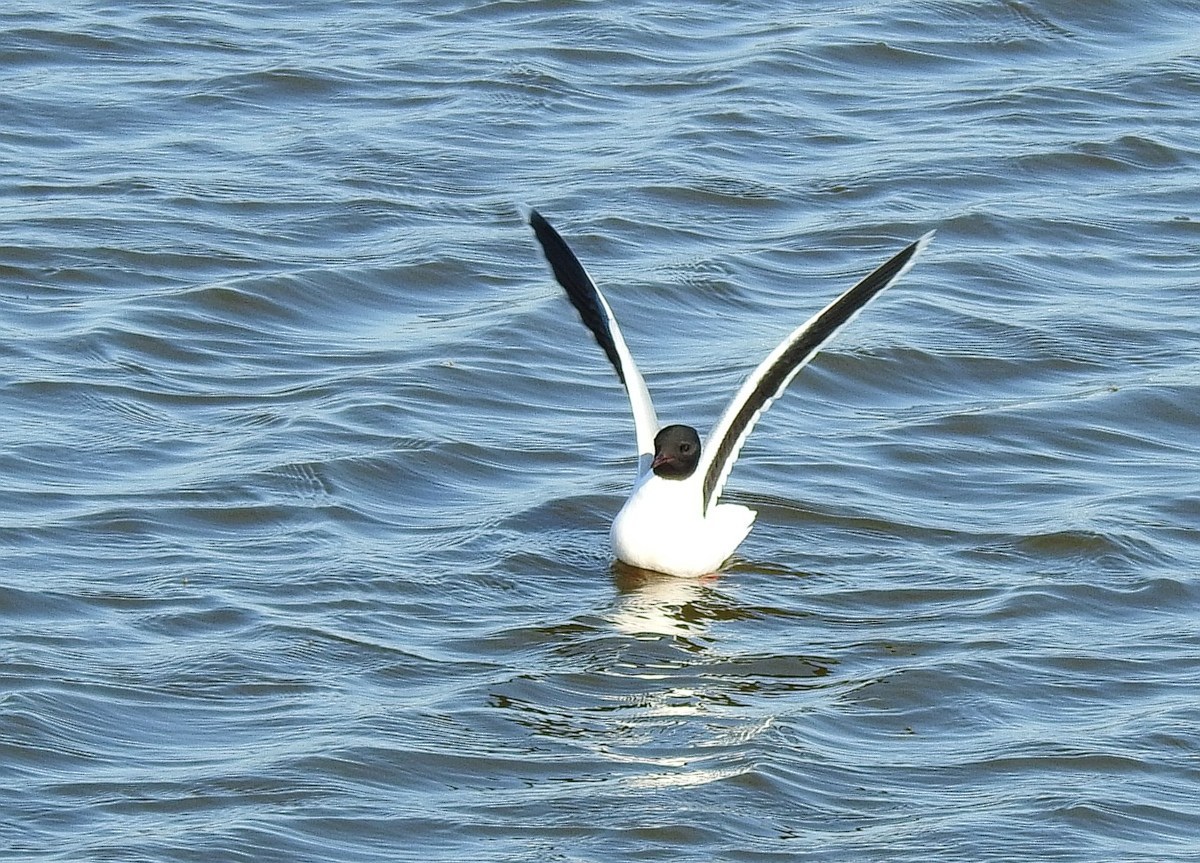
Little Gull
Hydrocoloeus minutus
The smallest gull in the world, a dainty, tern-like bird best known for its distinctive blackish underwings, unique among gulls.
- Size
- 25-27 cm (10-11 in) long, 61-69 cm wingspan
- Habitat
- freshwater marshes for breeding; coasts and large lakes in winter
- Type
- seabird
Spotted a bird like this?
Identify any bird from a photo, free.
Overview
The Little Gull lives up to its name as the smallest gull species on Earth, barely larger than some terns and noticeably daintier than even Bonaparte's Gull. In breeding plumage it has a full black hood, pale gray upperparts, and a dark red bill and legs.
The single most distinctive feature of the Little Gull, however, is visible only in flight: the underwings are blackish-gray, a pattern found in no other gull species, creating a striking contrast with the white body as the bird flutters and dips over the water in buoyant, tern-like flight. The upperwing is pale gray with white trailing edges and lacks the dark wingtips typical of most gulls.
Originally an Old World species breeding across Eurasia, the Little Gull has established a small breeding presence around the Great Lakes region of North America and is a scarce but regular visitor along both coasts.
How to identify it
Key field marks
- Very small size, smallest gull in the world
- Blackish underwings, unique among gulls, visible in flight
- Black hood in breeding plumage
- Dark red bill and legs
- Rounded wings and buoyant, fluttering flight
Similar species
- Bonaparte's Gull: larger, black bill, and pale (not dark) underwings with a white leading-edge wedge.
- Black Tern: superficially similar dark appearance but has a forked tail and different flight action; not a true gull.
Habitat & range
Habitat
Breeds in freshwater marshes with dense emergent vegetation. In migration and winter it favors coastal waters, bays, and large lakes, often well offshore.
Range and migration
Breeds primarily across northern and eastern Europe and Asia, with a small breeding population established around the Great Lakes of North America. Winters along temperate coasts including the North Sea, Mediterranean, and, in smaller numbers, the Atlantic and Pacific coasts of North America.
Behavior & voice
Behavior
Little Gulls forage buoyantly over the water, dipping to the surface in flight much like a tern rather than swimming and picking as many larger gulls do.
Voice
Calls include a short, sharp "kek" or "kay-ek" note, higher-pitched than the calls of larger gulls.
Feeding
Feeds primarily on insects, small fish, and crustaceans, often caught by dipping to the surface during agile, tern-like flight.
Nesting and breeding
Nests in loose colonies in marshes, building a well-hidden nest of vegetation among reeds or on floating mats. Clutches typically contain two to three eggs, incubated by both parents.
Frequently asked questions
What is the smallest gull in the world?
The Little Gull holds this distinction, measuring only about 25-27 cm (10-11 in) in length.
What is the best way to identify a Little Gull?
Look for its very small size and, most diagnostically, blackish underwings visible in flight, a pattern unique among gulls.
Is the Little Gull found in North America?
Yes, a small breeding population exists around the Great Lakes, and it is a scarce but regular visitor along both coasts.
What does the Little Gull eat?
Mainly insects, small fish, and crustaceans, often caught in agile, tern-like flight over water.
Little Gull guides
In-depth guides for identifying, finding, and understanding Little Gull.
Other birds you may enjoy
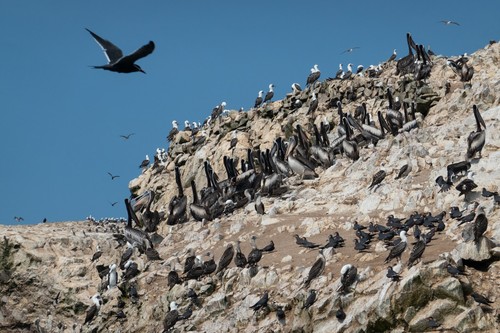
Peruvian Pelican
137-152 cm (54-60 in) long, up to 228 cm wingspan
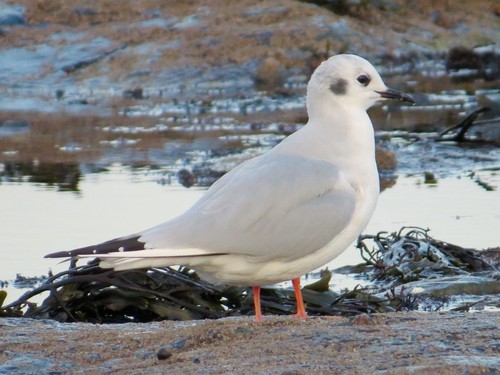
Bonaparte's Gull
28-33 cm (11-13 in) long, 76-84 cm wingspan
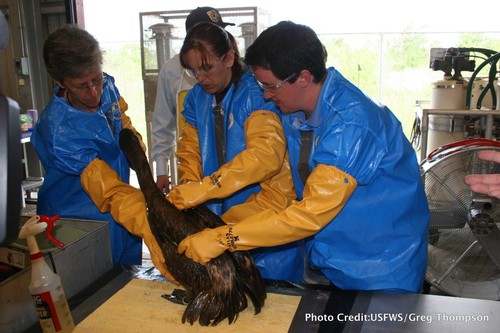
Brown Pelican
106-137 cm (42-54 in) long, 200-230 cm wingspan
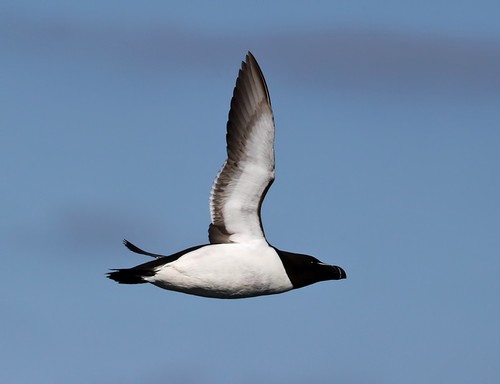
Razorbill
37-39 cm (15-15.5 in) long, 63-68 cm wingspan
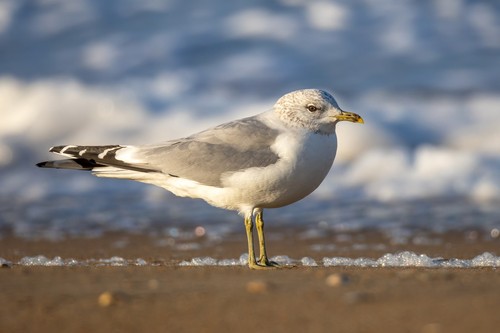
Common Gull
40-46 cm (16-18 in) long, 110-130 cm wingspan
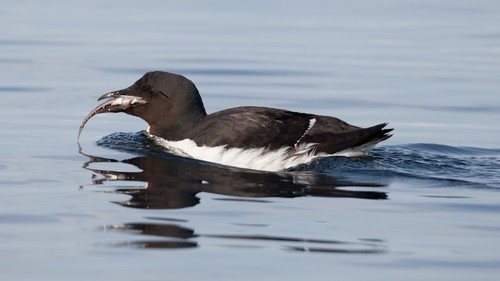
Thick-billed Murre
40-48 cm (16-19 in) long, 65-75 cm wingspan
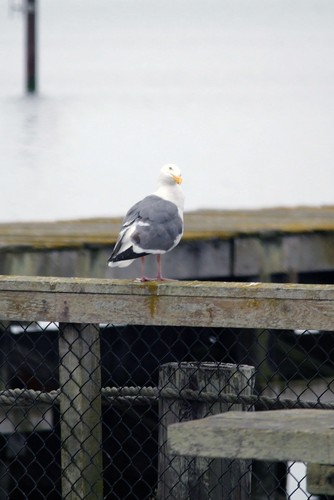
Western Gull
55-68 cm (22-27 in) long, 130-144 cm wingspan
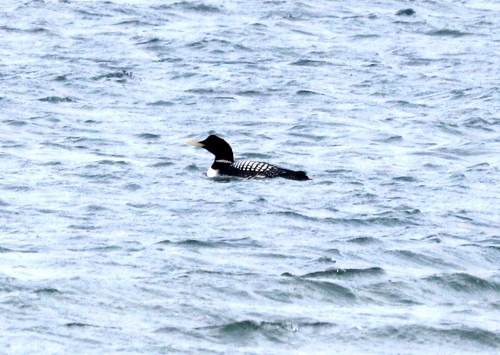
Yellow-billed Loon
76-97 cm (30-38 in) long, 135-152 cm wingspan
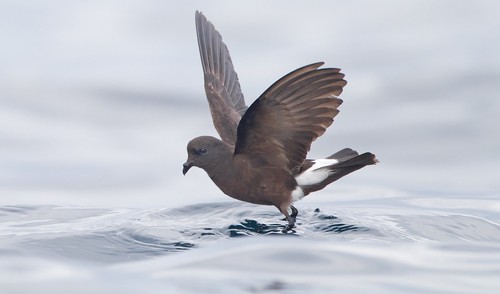
Wilson's Storm-Petrel
15-19 cm (6-7.5 in) long, wingspan 38-42 cm (15-16.5 in)
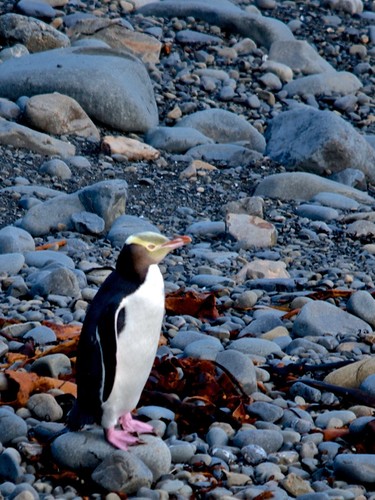
Yellow-eyed Penguin
62-79 cm (24-31 in) tall, 3-8.5 kg (6.6-18.7 lb)
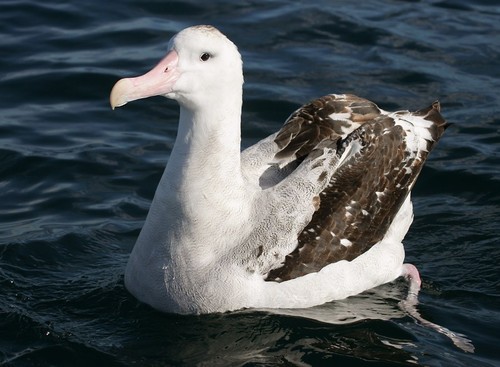
Wandering Albatross
107-135 cm (42-53 in) long, wingspan up to 3.5 m (11.5 ft)
Tufted Puffin
35-41 cm (14-16 in) long, about 63-70 cm wingspan