
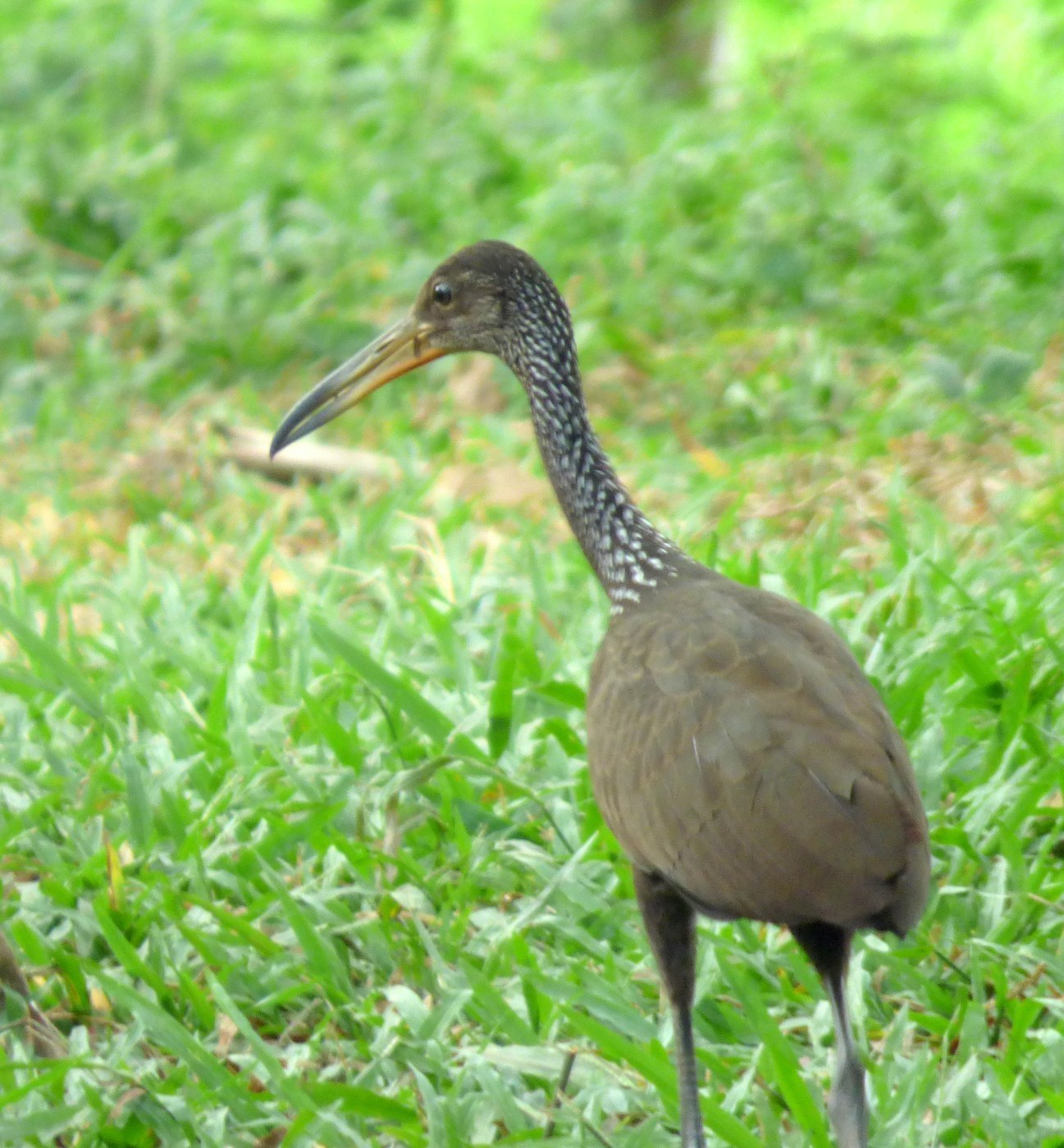
Limpkin
Aramus guarauna
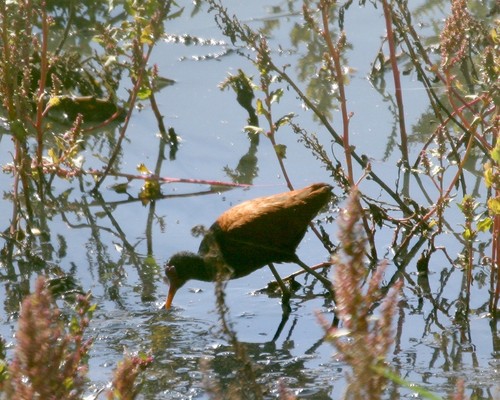
A large brown wading bird with a long downcurved bill specialized for extracting apple snails, famous for its loud, wailing nocturnal call.
- Size
- 64-73 cm (25-29 in) long, 100-107 cm wingspan
- Habitat
- freshwater marshes, swamps, and wetland edges
- Type
- wading-bird
Spotted a bird like this?
Identify any bird from a photo, free.
Overview
The Limpkin is a large, long-legged, long-necked wetland bird of subtropical and tropical wetlands, occupying its own family (Aramidae) that bridges rails and cranes. Plumage is rich chocolate-brown liberally streaked and spotted with white, giving a somewhat mottled appearance. Its long, slightly downcurved bill is specially adapted — often with a slight rightward twist near the tip — for extracting apple snails from their shells, its primary prey nearly everywhere it occurs.
How to identify it
Key field marks
- Large size, long neck and legs, olive-brown plumage heavily streaked with white.
- Long, slightly downcurved bill.
- Slow, deliberate walking gait through shallow wetlands.
Similar species
Immature night-herons show some superficial streaking but are shorter-necked and shorter-billed with a stockier build. The Limpkin's combination of size, long downcurved bill, and mottled brown-and-white plumage is distinctive within its wetland habitat.
Habitat & range
Limpkins inhabit freshwater marshes, swamps, wet prairies, and the vegetated edges of lakes and slow rivers. The species ranges from Florida and the Caribbean through Mexico and Central America to Argentina, generally in lowland wetlands. Most populations are resident, though some individuals disperse seasonally in response to water levels, and the species has notably expanded its range northward in the southeastern United States in recent decades, tracking the spread of introduced apple snails.
Behavior & voice
Voice
One of the most evocative sounds of Neotropical wetlands: a loud, wailing, far-carrying scream or cry, often given at night or dawn/dusk, frequently used as generic "jungle" sound effects in films.
Feeding
Limpkins forage by wading slowly through shallow water and mudflats, probing for apple snails and other freshwater mollusks, which they extract from the shell using their specialized bill without needing to crush it.
Nesting and breeding
Nests are built as a platform of reeds and marsh vegetation, either on the ground amid dense marsh growth or low in a shrub or tree over water. Both parents share incubation and care of the precocial chicks, which can leave the nest and forage soon after hatching.
Frequently asked questions
What does a Limpkin eat?
Overwhelmingly apple snails and other freshwater snails and mussels, extracted from the shell with its specialized bill.
Why is the Limpkin's call so famous?
Its loud, wailing scream is one of the most distinctive and far-carrying sounds of Neotropical wetlands and has often been used to create eerie jungle soundscapes in film and television.
Is the Limpkin related to herons?
No, despite superficial resemblance it is in its own family, Aramidae, more closely related to rails and cranes than to herons.
Where do Limpkins live?
In freshwater marshes and wetlands from Florida and the Caribbean through Mexico, Central America, and much of South America.
Limpkin guides
In-depth guides for identifying, finding, and understanding Limpkin.
Other birds you may enjoy
Demoiselle Crane
85-100 cm (33-39 in) long, 155-180 cm wingspan
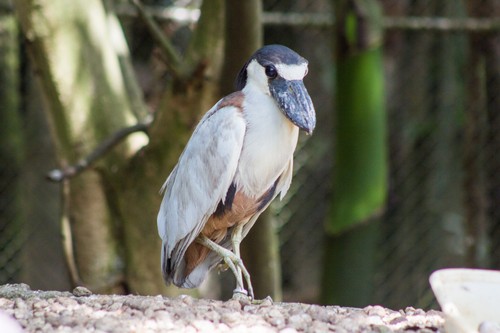
Boat-billed Heron
41-56 cm (16-22 in) long
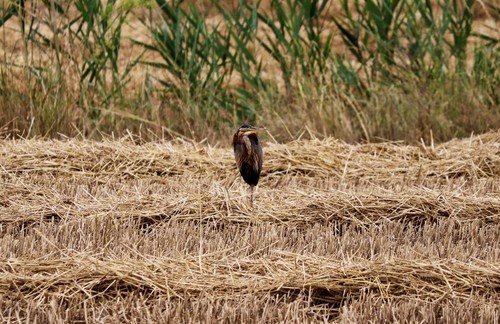
Purple Heron
78-90 cm (31-35 in) long, 120-152 cm wingspan
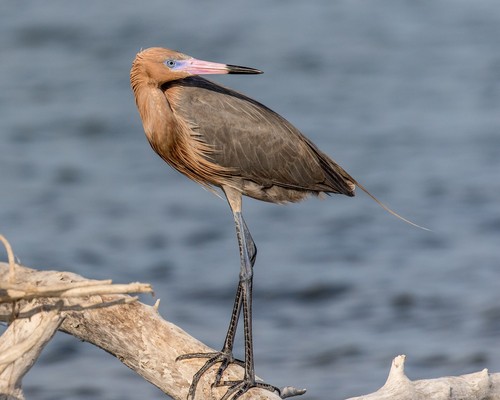
Reddish Egret
68-82 cm (27-32 in) long, 116-125 cm wingspan
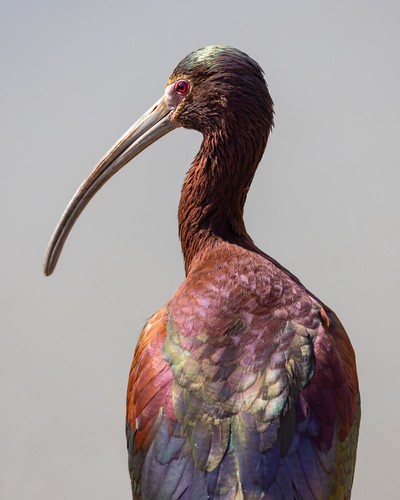
White-faced Ibis
46-56 cm (18-22 in) long, 88-93 cm wingspan
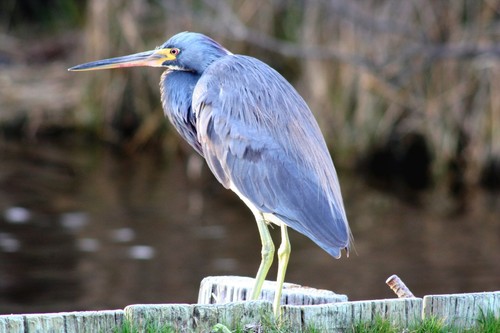
Tricolored Heron
61-76 cm (24-30 in) long, about 96 cm wingspan
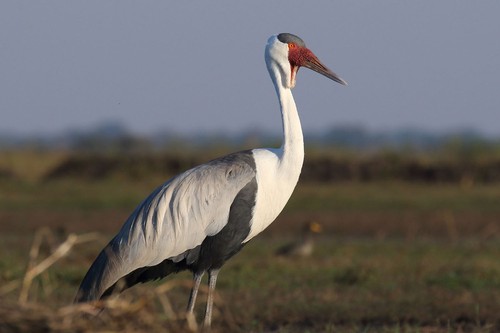
Wattled Crane
120-175 cm (47-69 in) tall, one of the tallest cranes, wingspan up to about 230 cm (7.5 ft)
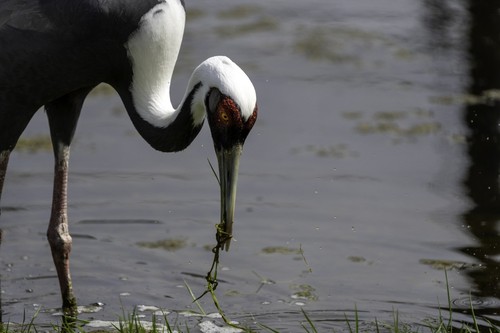
White-naped Crane
112-125 cm (44-49 in) long, 195-210 cm wingspan
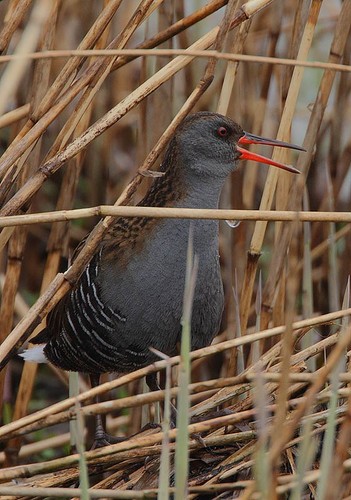
Water Rail
23-28 cm (9-11 in) long, wingspan 38-45 cm
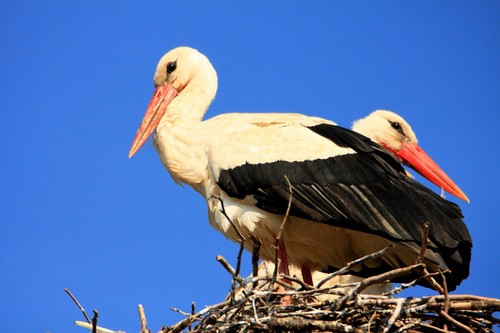
White Stork
100-125 cm (39-49 in) long, 155-215 cm wingspan
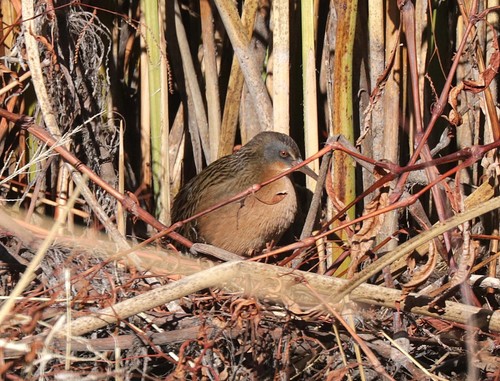
Virginia Rail
20-27 cm (8-11 in) long, wingspan 32-38 cm
Wattled Jacana
17-23 cm (7-9 in) long