
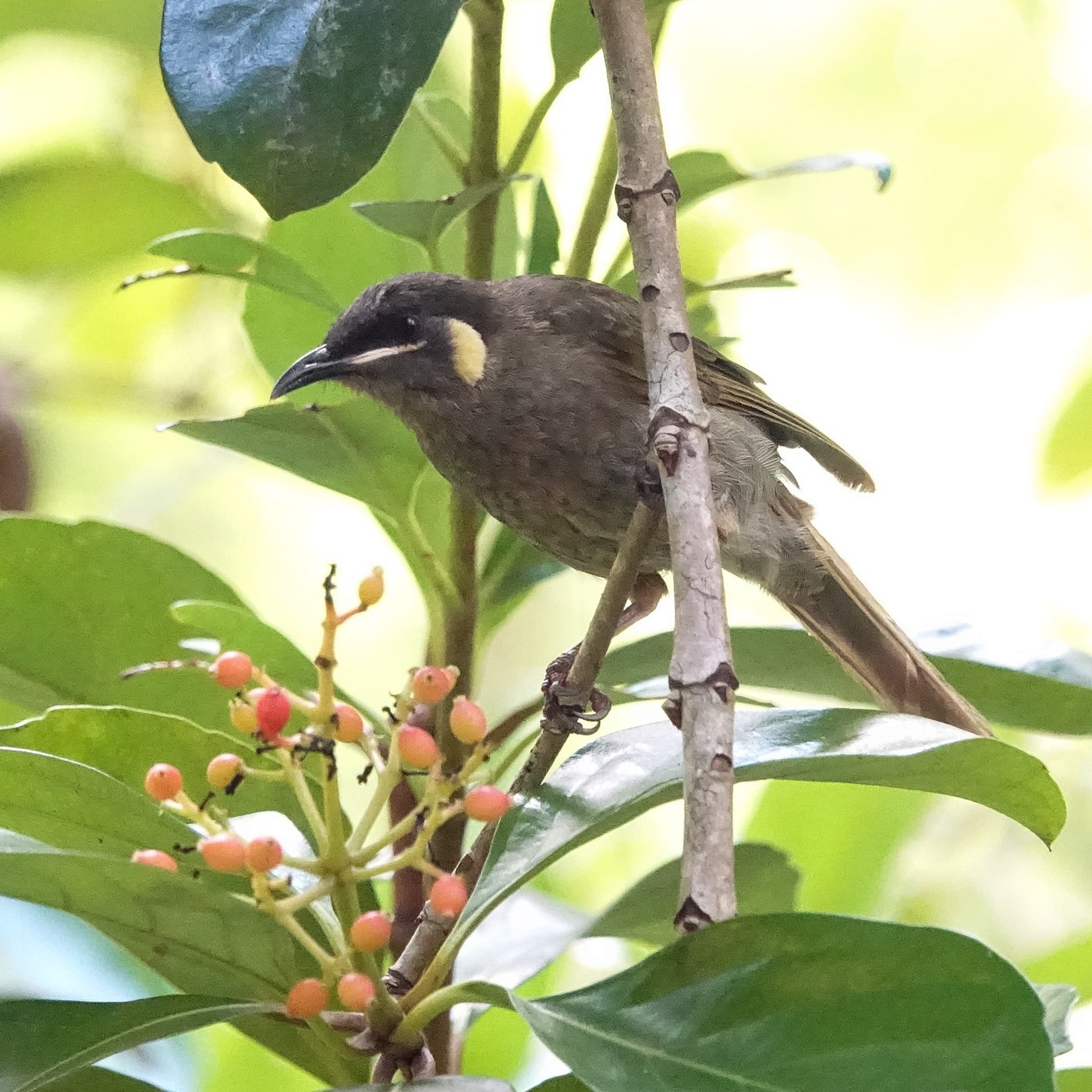
Lewin's Honeyeater
Meliphaga lewinii
An olive-green rainforest honeyeater with a distinctive yellow crescent-shaped ear patch and a loud, rattling call.
- Size
- 19-22 cm (7.5-8.7 in) long, 27-32 cm wingspan
- Habitat
- rainforest, wet eucalypt forest, and well-vegetated gardens
- Type
- songbird
Spotted a bird like this?
Identify any bird from a photo, free.
Overview
Lewin's Honeyeater is a solidly built, olive-green honeyeater of the wetter forests of eastern Australia, with plain dull-olive plumage relieved by a bright yellow, crescent-shaped patch on the ear coverts. The bill is fairly short and slightly downcurved, and the overall impression is of a robust, somewhat plain honeyeater best identified by its distinctive facial mark and voice.
It is a common and conspicuous inhabitant of rainforest and wet sclerophyll forest, frequently descending to feed on fallen or fruiting trees and shrubs, and its loud, machine-gun-like rattling call is one of the characteristic sounds of eastern Australian rainforest.
How to identify it
Key field marks
- Plain olive-green plumage overall, darker above, paler below
- Bright yellow, crescent-shaped patch on the ear coverts
- Short, slightly downcurved bill
- Sturdy, medium-large honeyeater build
Similar species
- Yellow-spotted Honeyeater (northern Queensland) is very similar but has a spotted rather than crescent-shaped ear patch and a small yellow gape spot.
- Graceful Honeyeater is smaller and slimmer with a less prominent ear patch.
Habitat & range
Habitat
Inhabits rainforest, wet eucalypt forest, subtropical and temperate forest margins, and dense, well-vegetated gardens.
Range
Found along the east coast of Australia from central Queensland through New South Wales to eastern Victoria.
Migration
Mostly sedentary, with limited local movement.
Behavior & voice
Behavior
Active and often solitary or in loose pairs, foraging at all levels of the forest from the canopy to low shrubs; bold and vocal, frequently announcing its presence before being seen.
Voice
A loud, distinctive, rapid rattling call likened to a machine gun or clockwork toy, along with softer chattering notes.
Feeding
Feeds on fruit and berries, nectar from flowering trees and shrubs, and insects gleaned from foliage and bark.
Nesting
Builds a deep, cup-shaped nest of bark, vine tendrils, and moss, suspended from a fork in dense vegetation; lays 2 pale pinkish eggs with reddish spotting.
Frequently asked questions
How do you identify a Lewin's Honeyeater?
Look for a plain olive-green honeyeater with a bright yellow, crescent-shaped patch on the ear coverts and listen for its loud rattling call.
What does a Lewin's Honeyeater sound like?
It gives a loud, rapid, machine-gun-like rattling call that is one of the characteristic sounds of eastern Australian rainforest.
What does a Lewin's Honeyeater eat?
Fruit and berries, nectar, and insects gleaned from foliage and bark.
Where does the Lewin's Honeyeater live?
In rainforest and wet eucalypt forest along the east coast of Australia from central Queensland to eastern Victoria.
Lewin's Honeyeater guides
In-depth guides for identifying, finding, and understanding Lewin's Honeyeater.
Other birds you may enjoy
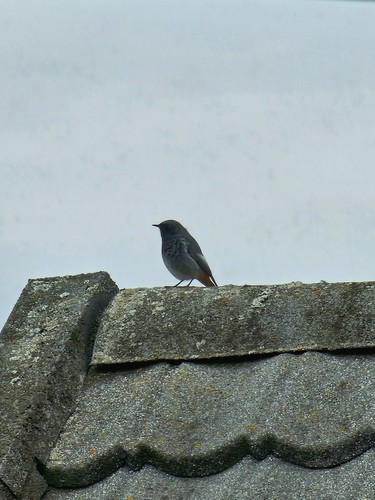
Black Redstart
13-14.5 cm (5.1-5.7 in) long, 23-26 cm wingspan
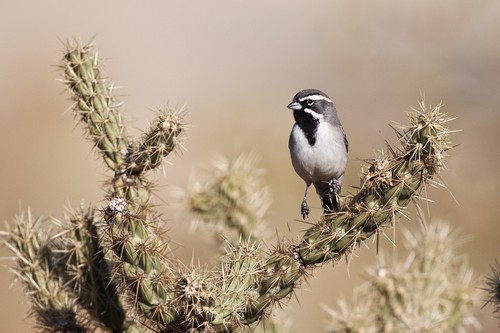
Black-throated Sparrow
12-14 cm (4.7-5.5 in) long, about 19-20 cm (7.5-8 in) wingspan
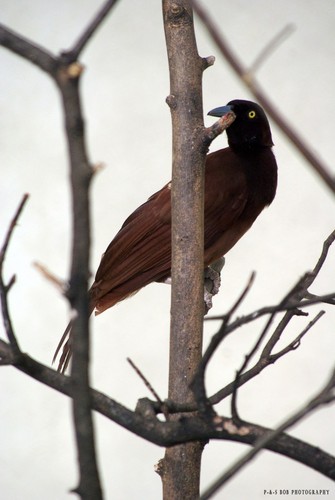
Greater Bird-of-paradise
Body about 43 cm; males with additional flank plumes up to 50 cm and long tail wires
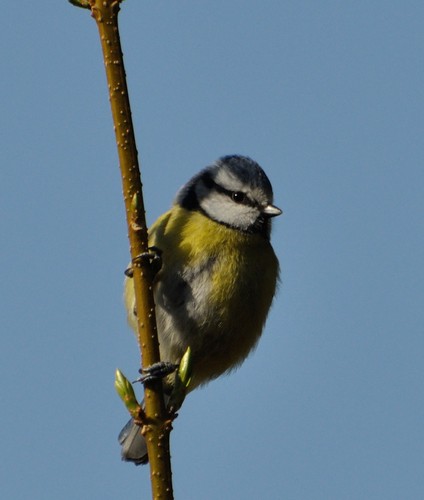
Blue Tit
11-12 cm (4.3-4.7 in) long, 17-20 cm wingspan
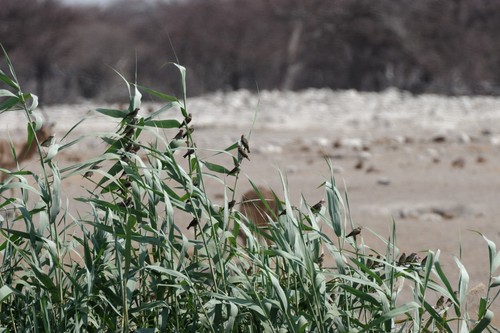
Red-billed Quelea
11.5–13 cm long, wingspan about 20–22 cm
White-plumed Antbird
13-14 cm (5-5.5 in) long
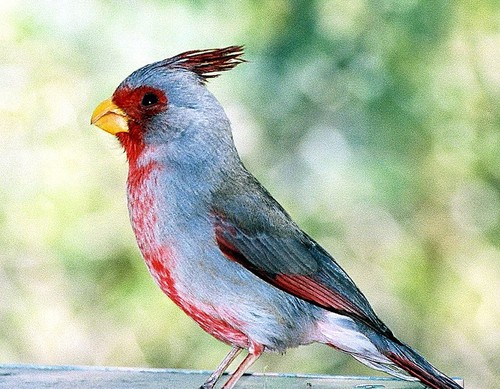
Pyrrhuloxia
19-22 cm (7.5-8.7 in) long, 30 cm wingspan
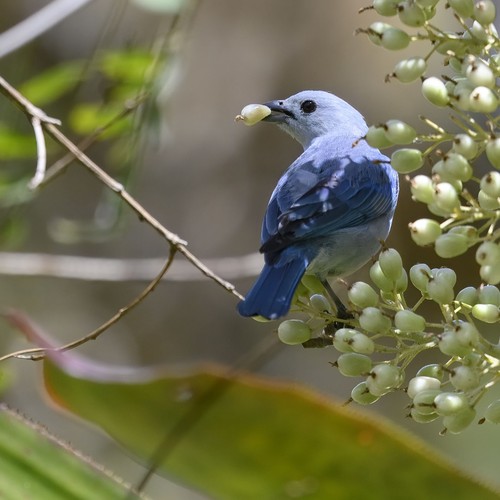
Blue-gray Tanager
16-18 cm (6-7 in) long
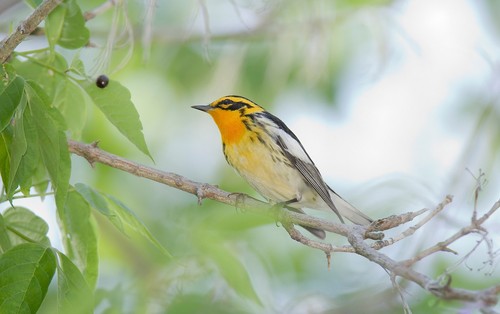
Blackburnian Warbler
11-13 cm (4.3-5.1 in) long, 20-22 cm wingspan
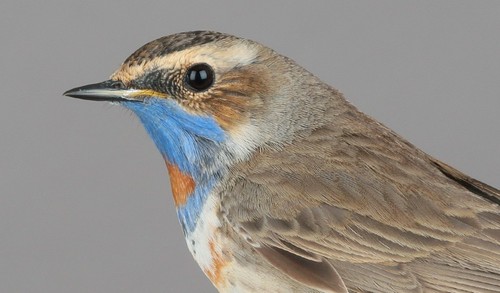
Bluethroat
13-14 cm (5.1-5.5 in) long, 20-22 cm wingspan
Eurasian Nuthatch
12-14.5 cm (4.7-5.7 in) long, 22.5-27 cm wingspan
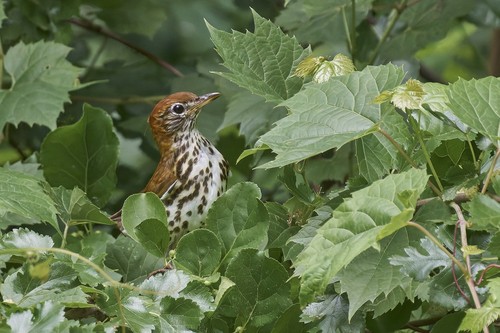
Wood Thrush
19-21 cm (7.5-8.3 in) long, about 33 cm (13 in) wingspan