
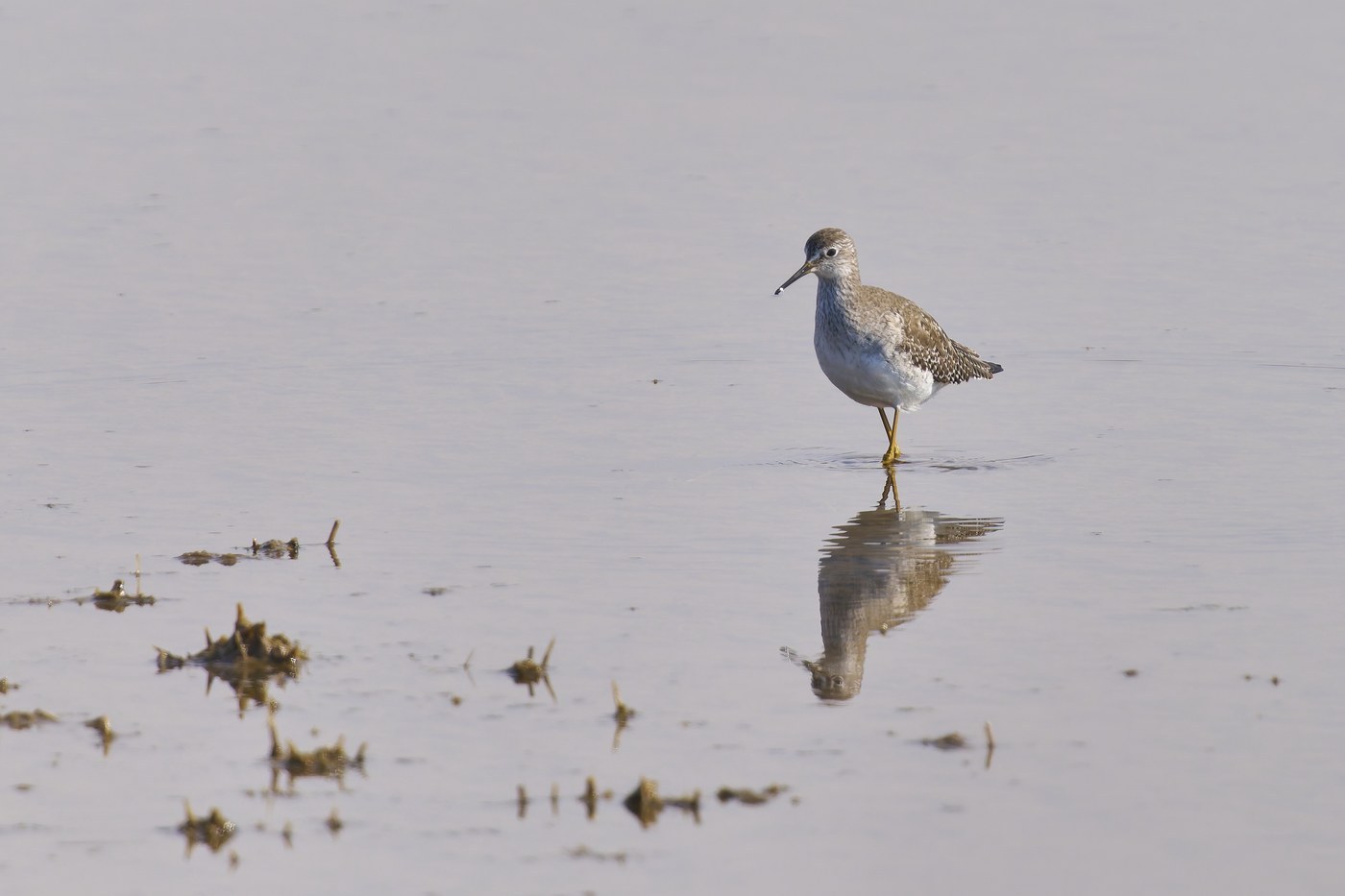
Lesser Yellowlegs
Tringa flavipes
A slim, delicate sandpiper with bright yellow legs, essentially a smaller, daintier version of the Greater Yellowlegs with a shorter, straighter bill.
- Size
- 23-25 cm (9-10 in) long, 50-58 cm wingspan
- Habitat
- boreal forest clearings and muskeg (breeding); marshes, mudflats, and shallow wetlands (non-breeding)
- Type
- shorebird
Spotted a bird like this?
Identify any bird from a photo, free.
Overview
The Lesser Yellowlegs is a slender, elegant sandpiper closely resembling its larger relative, the Greater Yellowlegs, but noticeably smaller and more delicate in build. Its legs are long and bright yellow, and its bill is thin, straight, and proportionally shorter—roughly equal to the length of its head, unlike the longer, slightly upturned bill of the Greater Yellowlegs.
Plumage is gray-brown above with fine spotting, and white below, with more streaking on the breast during breeding season.
It breeds in the boreal forest and forest-tundra transition zone of North America and undertakes long migrations to wintering grounds across the southern United States, Central America, and South America.
How to identify it
Key field marks
- Long, bright yellow legs
- Thin, straight, needle-like bill, about equal to head length
- Gray-brown, finely spotted upperparts
- Softer, quieter call than Greater Yellowlegs
Similar species
- Greater Yellowlegs is larger with a longer, slightly upturned bill and a louder, more insistent call.
- Solitary Sandpiper lacks yellow legs and shows a dark, bold eye-ring and darker overall plumage.
Habitat & range
Lesser Yellowlegs breed in open boreal forest clearings, muskeg, and the forest-tundra transition zone across Alaska and Canada. During migration and winter they occupy shallow freshwater and brackish wetlands, mudflats, flooded fields, and marshes, wintering from the southern United States through Central America to southern South America.
Behavior & voice
Voice
A soft, one- or two-note whistled call, often rendered as tu or tu-tu, notably quieter and less insistent than the sharper, louder call of the Greater Yellowlegs.
Feeding
Forages by picking and probing in shallow water and mud for insects and small crustaceans; less prone to actively chasing fish than the Greater Yellowlegs, though it occasionally does so.
Nesting
Nests on the ground in open, often burned or sparsely treed boreal habitat, in a shallow scrape lined with a few leaves or grasses. Both parents share incubation, and adults give alarm calls and perform distraction displays to protect the nest.
Frequently asked questions
How can you tell a Lesser Yellowlegs from a Greater Yellowlegs?
The Lesser Yellowlegs is smaller and more delicate, with a shorter, thinner, perfectly straight bill roughly equal to its head length, compared to the longer, slightly upturned bill of the Greater Yellowlegs.
What does the Lesser Yellowlegs eat?
Mostly insects and small crustaceans picked from shallow water, mud, and wet fields.
Where does the Lesser Yellowlegs breed?
In open boreal forest clearings and muskeg across Alaska and Canada.
Is the Lesser Yellowlegs's call different from the Greater Yellowlegs?
Yes, it gives a softer, quieter one- or two-note call, compared to the louder, more insistent multi-note call of the Greater Yellowlegs.
Lesser Yellowlegs guides
In-depth guides for identifying, finding, and understanding Lesser Yellowlegs.
Other birds you may enjoy
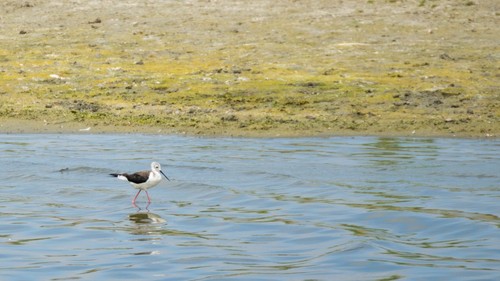
Black-winged Stilt
33-36 cm (13-14 in) long, wingspan 67-83 cm
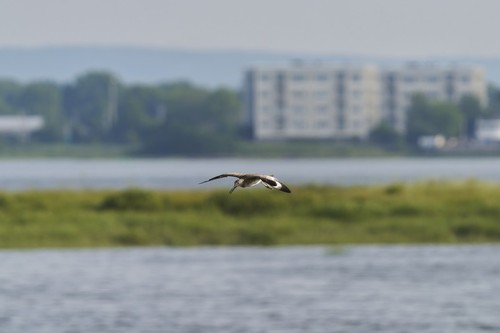
Willet
33-41 cm (13-16 in) long, 65-70 cm wingspan
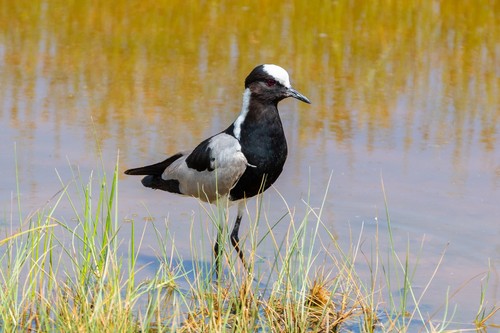
Blacksmith Lapwing
Body length about 30 cm; wingspan 55-65 cm
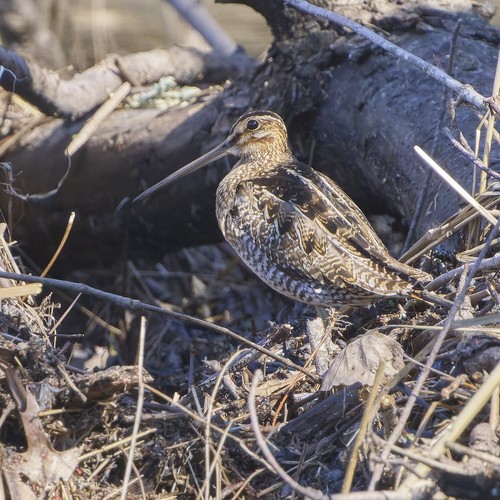
Wilson's Snipe
25-30 cm (10-12 in) long, 39-45 cm wingspan
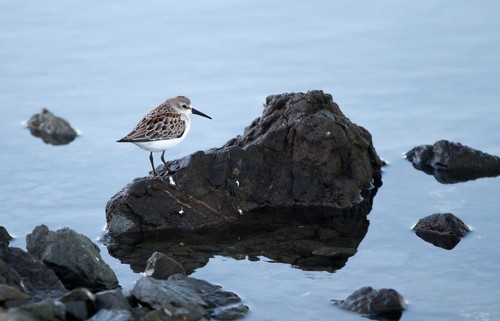
Western Sandpiper
14-17 cm (5.5-6.7 in) long, 28-37 cm wingspan
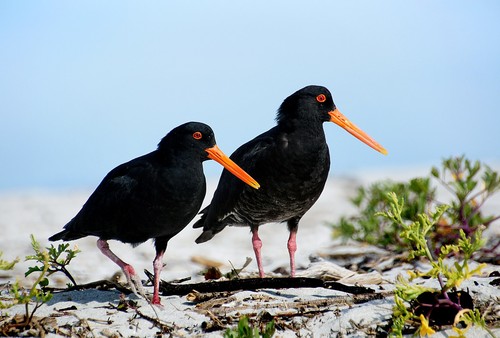
Variable Oystercatcher
46-49 cm (18-19 in) long
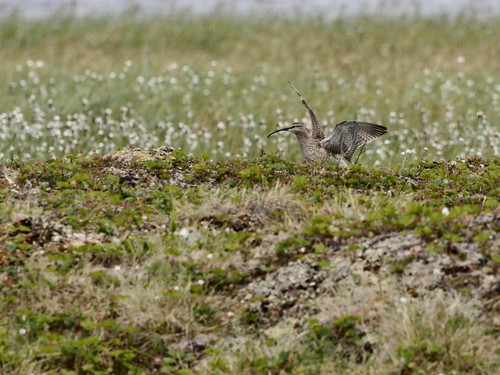
Whimbrel
40-46 cm (16-18 in) long, 76-89 cm wingspan
Wilson's Phalarope
22-24 cm (8.5-9.5 in) long, 37-43 cm wingspan
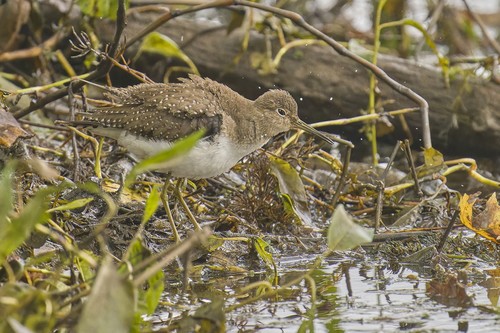
Solitary Sandpiper
19-23 cm (7.5-9 in) long, 50-56 cm wingspan
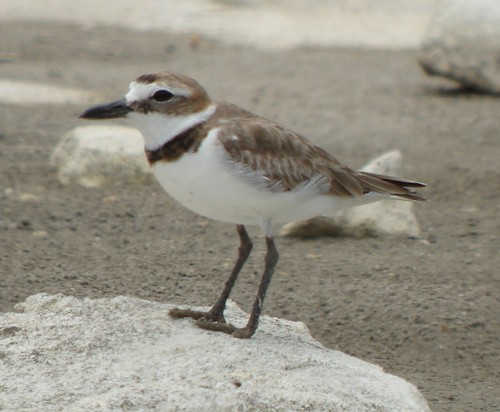
Wilson's Plover
17-19 cm (6.7-7.5 in) long, 45-50 cm wingspan
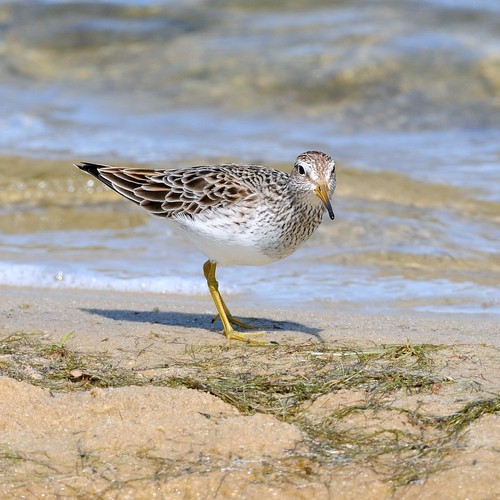
Pectoral Sandpiper
19-23 cm (7.5-9 in) long, 43-49 cm wingspan
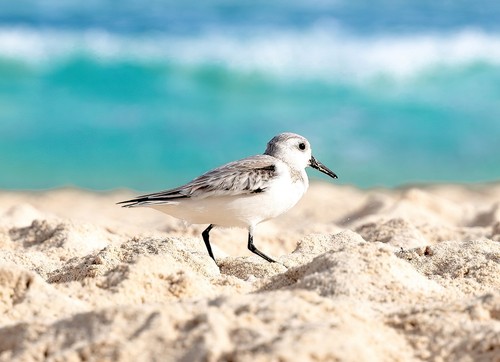
Sanderling
18-20 cm (7-8 in) long, 40-43 cm wingspan