
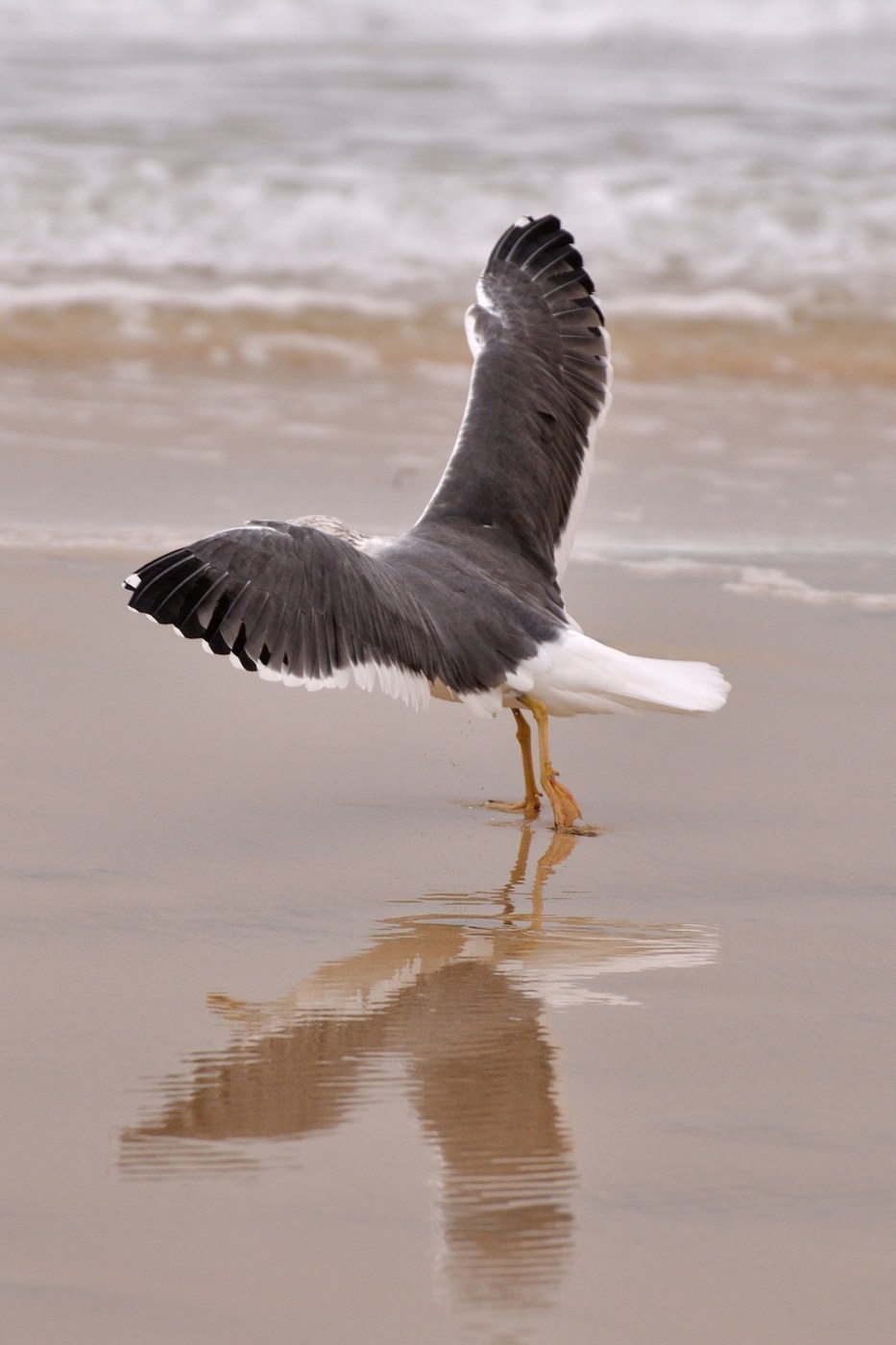
Lesser Black-backed Gull
Larus fuscus
A medium-large European gull with a dark slate mantle and yellow legs, increasingly common as a wintering visitor to North America in recent decades.
- Size
- 51-64 cm (20-25 in) long, 117-134 cm wingspan
- Habitat
- coastlines, lakes, landfills, and increasingly inland areas
- Type
- seabird
Spotted a bird like this?
Identify any bird from a photo, free.
Overview
The Lesser Black-backed Gull is a medium-large gull native to Europe, closely related to the Herring Gull but readily separated by its darker upperparts and yellow (rather than pink) legs.
Adults have a dark slate-gray to blackish mantle and upperwings — darker than Herring Gull but generally somewhat paler than the very dark Great Black-backed Gull, depending on subspecies — with a white head and body, and a yellow bill marked with a red spot near the tip. The legs are a distinctive bright yellow, a useful field mark shared with few other large gulls in its range.
How to identify it
Key field marks
- Dark slate-gray to blackish mantle and upperwings
- Bright yellow legs (a key distinction from pink-legged Herring and Great Black-backed Gulls)
- Yellow bill with a red spot near the tip
- Medium-large size, between Herring and Great Black-backed Gull
Similar species
- Herring Gull: paler gray mantle and pink legs.
- Great Black-backed Gull: larger, with pink legs and, in most comparisons, an even darker mantle.
- Yellow legs combined with a dark mantle are the quickest way to separate this species from the other common large gulls within its range.
Habitat & range
Habitat
Lesser Black-backed Gulls use coastlines, estuaries, large lakes, and landfills, and have become increasingly common in inland and urban settings in parts of their range.
Range and migration
They breed across northern and western Europe, including the British Isles, Scandinavia, and Iceland. In recent decades the species has become an increasingly regular winter visitor to eastern North America, with numbers rising substantially since the late twentieth century, likely aided by the availability of food at landfills.
Behavior & voice
Behavior
Lesser Black-backed Gulls are adaptable and opportunistic, often gathering at landfills, fishing harbors, and agricultural fields, and readily mix with flocks of Herring Gulls and other large gulls in winter.
Voice
Calls include a deep, laughing "kyow" series, similar in structure to Herring Gull but generally somewhat deeper and more nasal.
Feeding
Their diet is broad and opportunistic, including fish, invertebrates, eggs and chicks of other birds, carrion, and human refuse at landfills and fishing operations.
Nesting and breeding
They nest colonially, often alongside Herring Gulls, on coastal cliffs, dunes, and offshore islands; both parents share incubation of the typically three-egg clutch and cooperate in feeding and defending the semi-precocial chicks.
Frequently asked questions
How do you identify a Lesser Black-backed Gull?
Look for a medium-large gull with a dark slate-gray to blackish mantle combined with bright yellow legs, distinguishing it from the pink-legged Herring and Great Black-backed Gulls.
Is the Lesser Black-backed Gull native to North America?
No, it is native to Europe, but it has become an increasingly regular and numerous winter visitor to eastern North America in recent decades.
How do you tell Lesser Black-backed Gull from Great Black-backed Gull?
Lesser Black-backed is smaller with yellow legs, while Great Black-backed is notably larger with pink legs and typically an even darker mantle.
Where does the Lesser Black-backed Gull breed?
Across northern and western Europe, including the British Isles, Scandinavia, and Iceland.
What does a Lesser Black-backed Gull eat?
A broad, opportunistic diet including fish, invertebrates, eggs, carrion, and refuse, often scavenged at landfills and fishing harbors.
Lesser Black-backed Gull guides
In-depth guides for identifying, finding, and understanding Lesser Black-backed Gull.
Other birds you may enjoy
Peruvian Pelican
137-152 cm (54-60 in) long, up to 228 cm wingspan
Bonaparte's Gull
28-33 cm (11-13 in) long, 76-84 cm wingspan
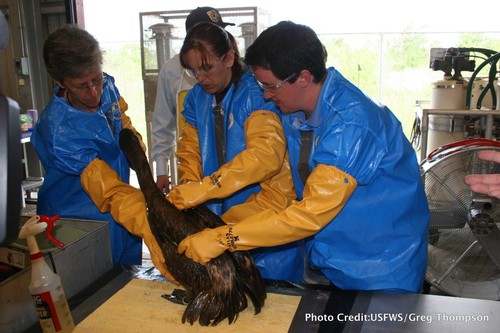
Brown Pelican
106-137 cm (42-54 in) long, 200-230 cm wingspan
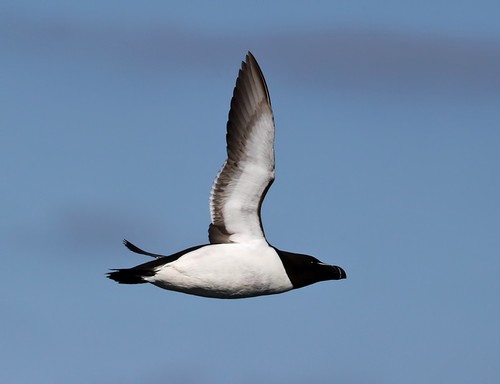
Razorbill
37-39 cm (15-15.5 in) long, 63-68 cm wingspan
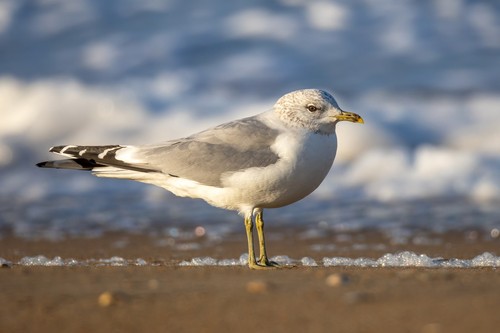
Common Gull
40-46 cm (16-18 in) long, 110-130 cm wingspan
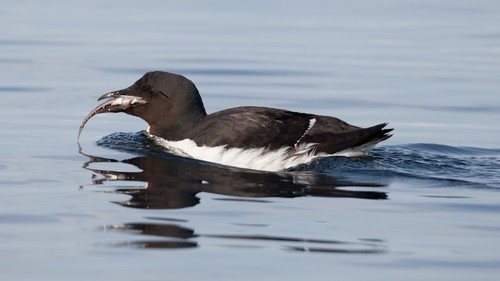
Thick-billed Murre
40-48 cm (16-19 in) long, 65-75 cm wingspan
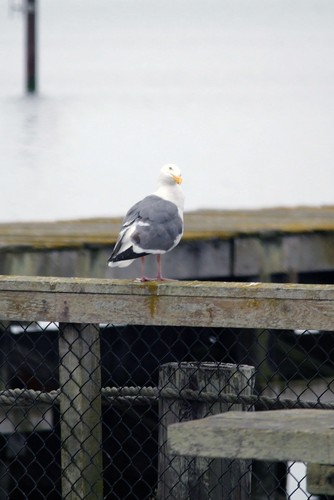
Western Gull
55-68 cm (22-27 in) long, 130-144 cm wingspan
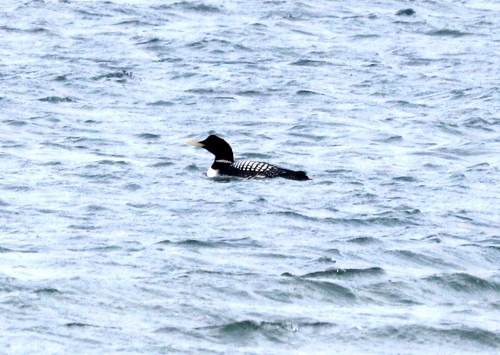
Yellow-billed Loon
76-97 cm (30-38 in) long, 135-152 cm wingspan
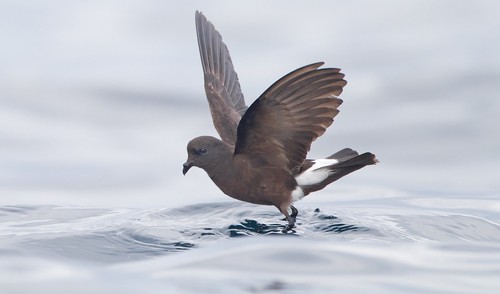
Wilson's Storm-Petrel
15-19 cm (6-7.5 in) long, wingspan 38-42 cm (15-16.5 in)
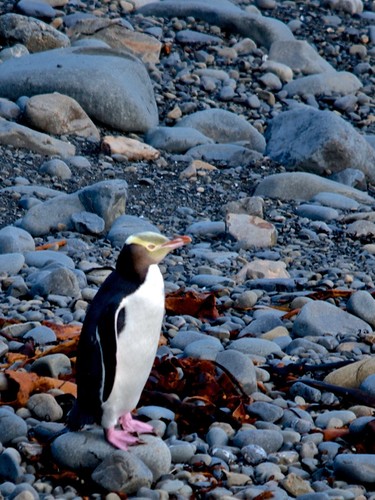
Yellow-eyed Penguin
62-79 cm (24-31 in) tall, 3-8.5 kg (6.6-18.7 lb)
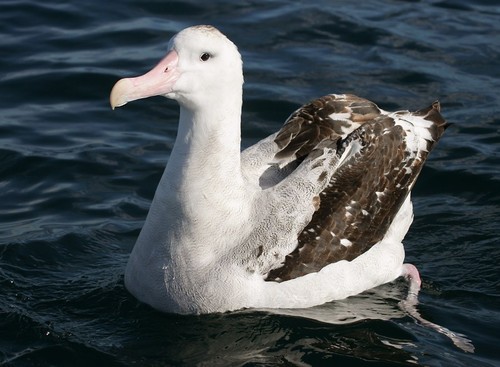
Wandering Albatross
107-135 cm (42-53 in) long, wingspan up to 3.5 m (11.5 ft)
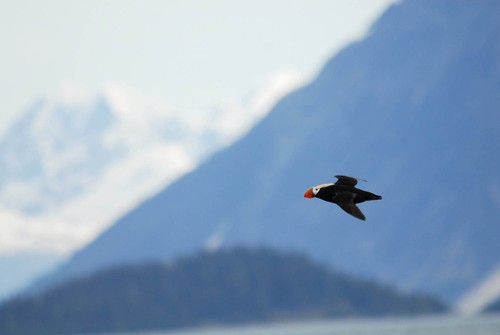
Tufted Puffin
35-41 cm (14-16 in) long, about 63-70 cm wingspan