
Least Sandpiper
Calidris minutilla
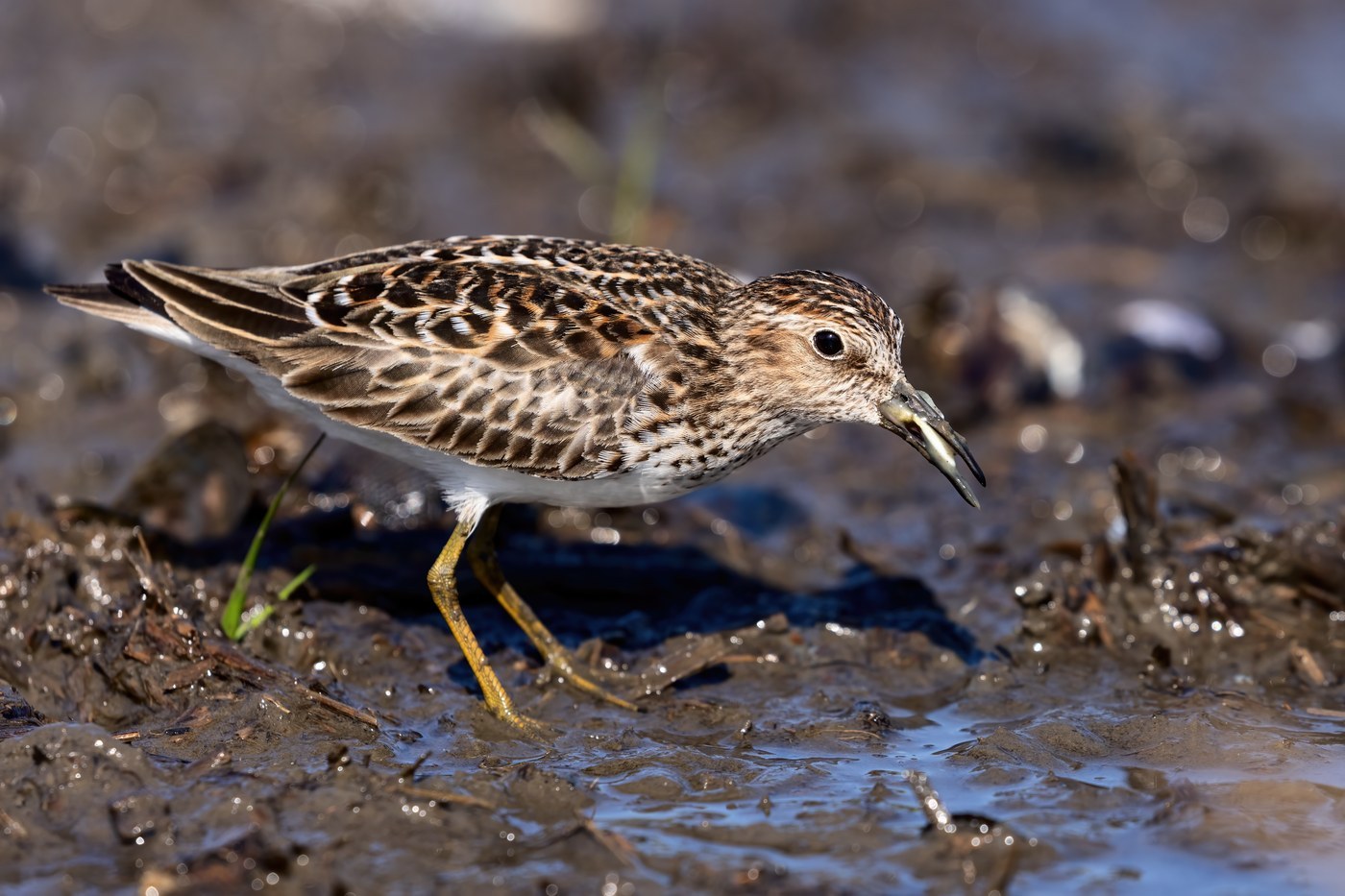
The smallest shorebird in the world, a tiny brown sandpiper best distinguished from its similar relatives by its greenish-yellow legs.
- Size
- 11-15 cm (4.3-5.9 in) long, 27-35 cm wingspan
- Habitat
- muddy edges of wetlands, wet meadows, and mudflats
- Type
- shorebird
Spotted a bird like this?
Identify any bird from a photo, free.
Overview
The Least Sandpiper holds the distinction of being the smallest shorebird on the planet, barely larger than a sparrow. Despite its diminutive size, it is a long-distance migrant and a familiar sight at wetland edges across much of North America.
Breeding plumage is warm brown, heavily mottled with darker feather centers on the back, giving a scaly appearance. Nonbreeding birds are duller grayish brown. The bill is thin, short, and slightly drooped, and the legs — the most reliable identification feature — are a distinctive yellowish-green rather than the black legs of most other small sandpipers.
How to identify it
Key field marks
- Yellowish-green (not black) legs — the single best field mark
- Very small size, smaller than other "peep" sandpipers
- Warm brown, scaly-looking upperparts in breeding plumage
- Thin, short, slightly drooped dark bill
- Often feeds on drier ground and grassy edges more than open mud
Similar species
- Semipalmated Sandpiper and Western Sandpiper: both have black legs and are slightly larger and grayer overall.
- Pectoral Sandpiper: notably larger with a sharply demarcated streaked breast band.
- Leg color is the most reliable way to separate the Least Sandpiper from its similarly sized relatives, especially in muddy conditions where legs may appear darker than they are.
Habitat & range
Habitat
Least Sandpipers favor the muddy, often grassy edges of freshwater and brackish wetlands, wet meadows, and the drier margins of mudflats, more so than the open tidal flats preferred by some other small sandpipers.
Range and migration
They breed across the subarctic and boreal wetlands, bogs, and tundra edges of Canada and Alaska. They winter from the southern United States through Central America, the Caribbean, and into South America, migrating through nearly all of North America along the way.
Behavior & voice
Behavior
Least Sandpipers often forage in loose, small groups, walking with a slightly crouched posture as they pick rapidly at the mud surface, distinguishing their feeding style somewhat from the more probing action of larger sandpipers.
Voice
The flight call is a thin, high, rolling "kreeet" or "breep," often given as the birds flush in tight, twisting flocks.
Feeding
They feed on small insects and other tiny invertebrates picked from mud, often in slightly drier or more vegetated spots than other peeps.
Nesting and breeding
Pairs nest on the ground in a shallow, well-hidden scrape amid sedges or moss in northern bogs and wet tundra; the female typically lays four eggs, and both parents share incubation duties.
Frequently asked questions
What is the smallest shorebird in the world?
The Least Sandpiper, which is barely larger than a sparrow.
How can you identify a Least Sandpiper?
Its yellowish-green legs are the most reliable field mark, distinguishing it from the black-legged Semipalmated and Western Sandpipers it often associates with.
Where do Least Sandpipers breed?
In subarctic and boreal wetlands, bogs, and tundra edges across Canada and Alaska.
What habitat do Least Sandpipers prefer?
Muddy, often grassy edges of wetlands and wet meadows, tending to use slightly drier ground than some other small sandpipers.
What do Least Sandpipers eat?
Small insects and other tiny invertebrates picked rapidly from the mud surface.
Least Sandpiper guides
In-depth guides for identifying, finding, and understanding Least Sandpiper.
Other birds you may enjoy
Black-winged Stilt
33-36 cm (13-14 in) long, wingspan 67-83 cm
Willet
33-41 cm (13-16 in) long, 65-70 cm wingspan
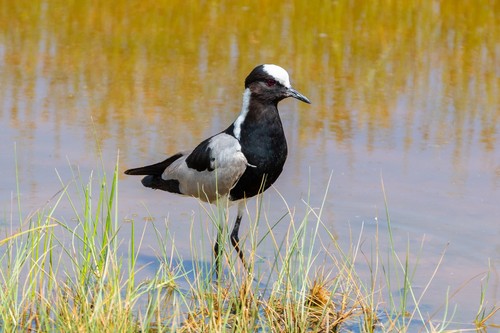
Blacksmith Lapwing
Body length about 30 cm; wingspan 55-65 cm
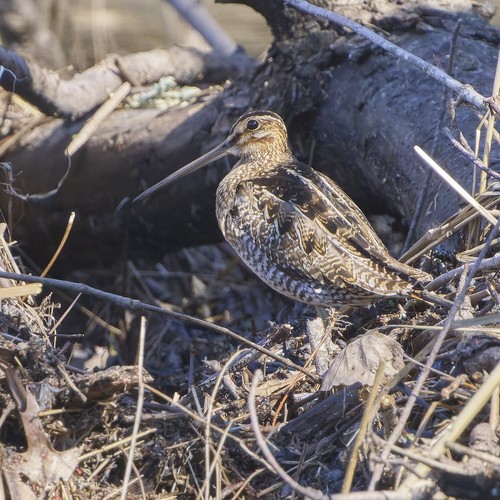
Wilson's Snipe
25-30 cm (10-12 in) long, 39-45 cm wingspan
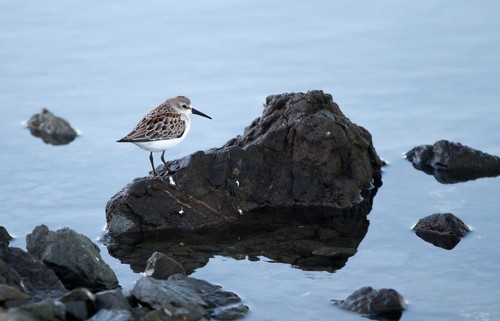
Western Sandpiper
14-17 cm (5.5-6.7 in) long, 28-37 cm wingspan
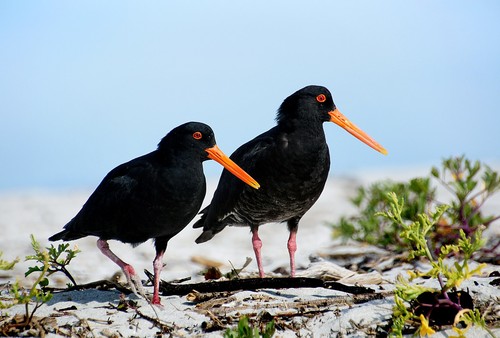
Variable Oystercatcher
46-49 cm (18-19 in) long
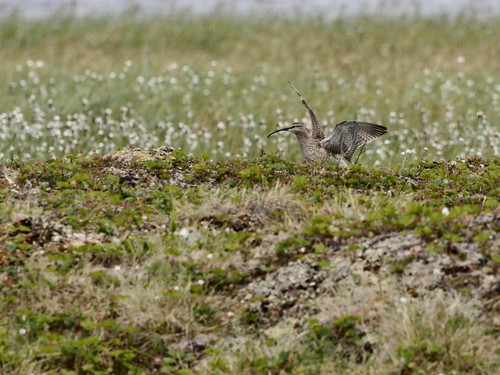
Whimbrel
40-46 cm (16-18 in) long, 76-89 cm wingspan
Wilson's Phalarope
22-24 cm (8.5-9.5 in) long, 37-43 cm wingspan
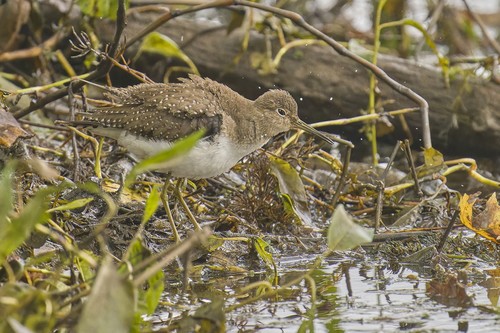
Solitary Sandpiper
19-23 cm (7.5-9 in) long, 50-56 cm wingspan
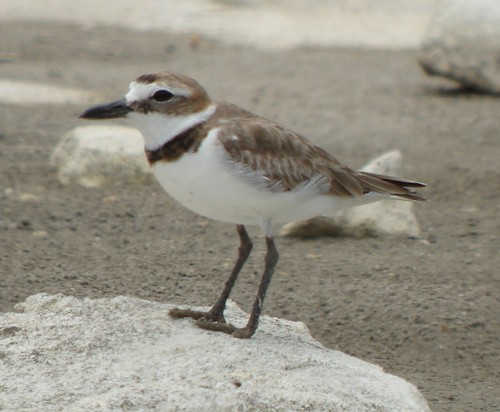
Wilson's Plover
17-19 cm (6.7-7.5 in) long, 45-50 cm wingspan
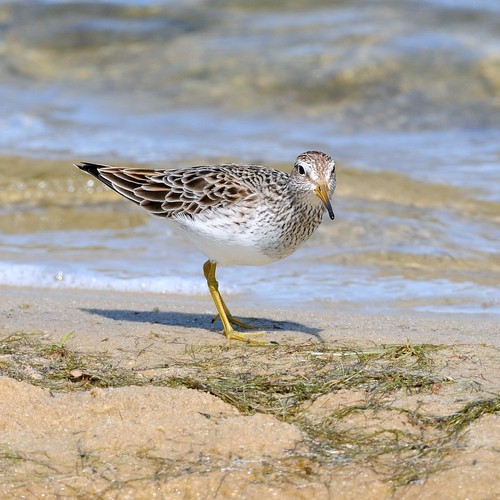
Pectoral Sandpiper
19-23 cm (7.5-9 in) long, 43-49 cm wingspan
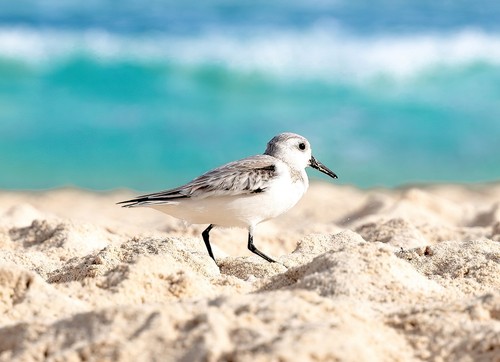
Sanderling
18-20 cm (7-8 in) long, 40-43 cm wingspan