
Le Conte's Sparrow
Ammospiza leconteii
A tiny, brightly colored, mouse-like sparrow of wet prairie and sedge marsh, more often glimpsed scurrying through grass than seen in the open.
- Size
- 11-13 cm (4.3-5 in) long, about 17 cm (6.7 in) wingspan
- Habitat
- wet grassy meadows, sedge marshes, and prairie
- Type
- songbird
Spotted a bird like this?
Identify any bird from a photo, free.
Overview
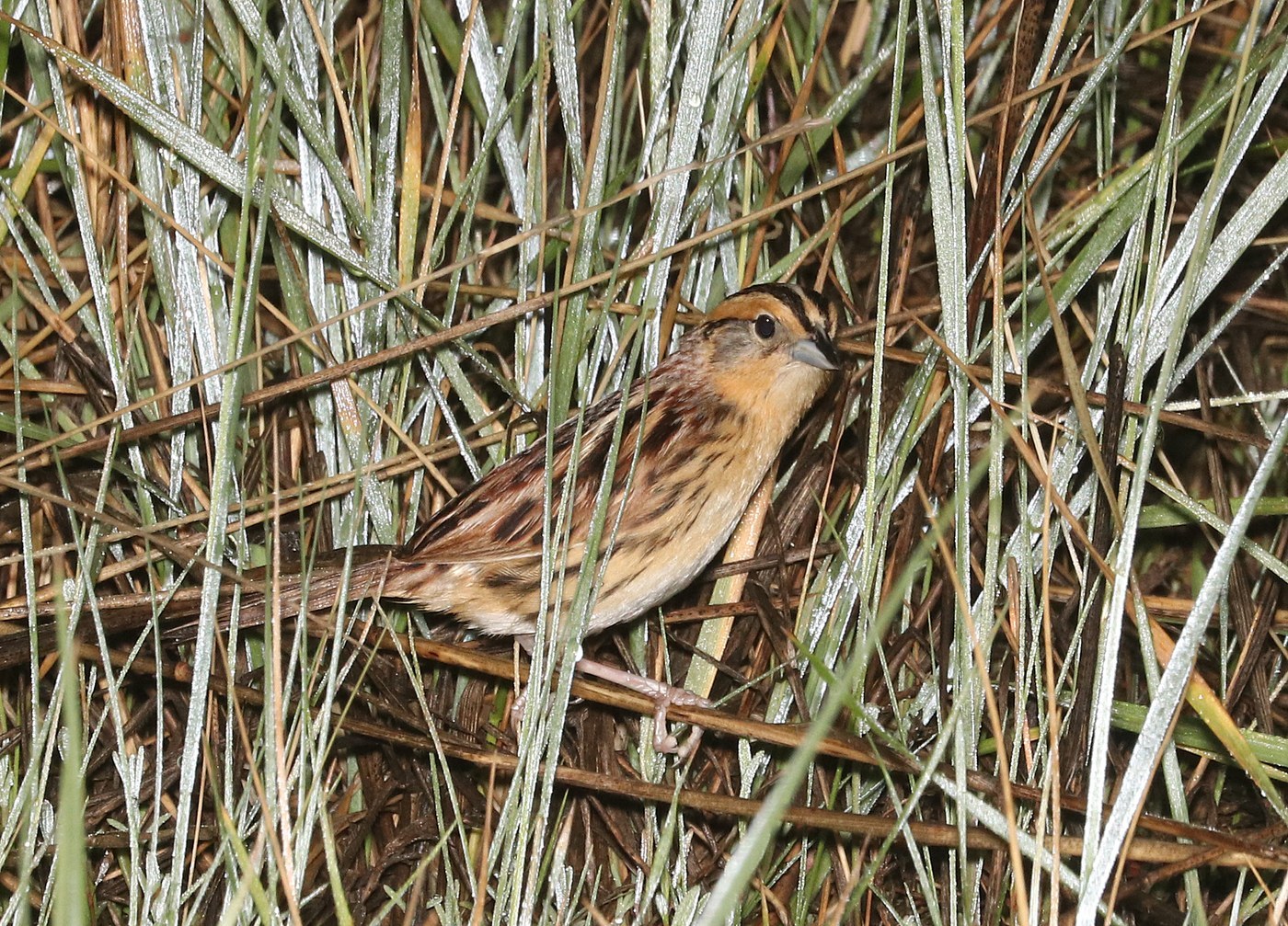
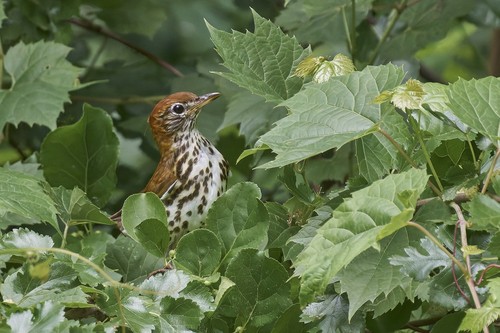
The Le Conte's Sparrow is a strikingly patterned but famously secretive little sparrow of wet, grassy prairie habitats. Despite bold, colorful markings, it is a master at staying hidden, preferring to run mouse-like through dense grass rather than fly into the open.
Adults show a bright orange-buff face and breast, a contrasting gray ear patch, and a purplish-chestnut streaked nape. The crown is dark with a pale, often whitish, central stripe, and the flanks show fine dark streaking against the warm buffy background. The overall effect is one of the most colorful and intricately patterned of the small grassland sparrows.
Because it stays so low and moves so quickly through cover, most observers get only brief glimpses, and the species is frequently detected first by its very high, thin, insect-like song.
How to identify it
Key Field Marks
- Bright orange-buff face and breast
- Contrasting gray patch on the ear coverts (cheek)
- Purplish-chestnut streaked nape
- Pale central crown stripe on an otherwise dark crown
- Fine dark streaking on the flanks
Similar Species
- Nelson's Sparrow: also has an orange face but shows blurrier, less crisp streaking and a plainer gray nape without the same purplish-chestnut tone
- Grasshopper Sparrow: shares an open grassland habitat but lacks the bright orange face and has a plain, unstreaked buffy breast
Behavior is a helpful clue: Le Conte's Sparrow tends to run through grass like a mouse rather than perch in the open, and it often flies only short distances low over the grass before dropping back down.
Habitat & range
Le Conte's Sparrow breeds in wet meadows, sedge marshes, and moist, grassy prairie across the northern Great Plains of the United States and much of central Canada, favoring areas with a mix of standing dead grass (litter) and green growth.
In winter, the species moves to coastal marshes, weedy fields, and grasslands of the southeastern United States, particularly along the Gulf Coast, where it again favors dense, grassy cover close to the ground.
Behavior & voice
Behavior
This is one of the most secretive sparrows in North America, typically running through dense grass rather than flying, and reluctant to flush even when closely approached; when it does fly, flights are usually short and low before it drops back into cover.
Voice
The song is a very high, thin, buzzy insect-like sound, often rendered as 'tik-zzzzzz-tik,' easy to miss or mistake for an insect if not listening carefully.
Feeding
Diet includes small insects and seeds gleaned from the ground and low grass stems.
Nesting and Breeding
The nest is a well-hidden cup built low in dense grass or sedge, sometimes slightly domed. Clutches typically contain 3-5 pale eggs with fine speckling.
Frequently asked questions
How do you identify a Le Conte's Sparrow?
Look for a small sparrow with a bright orange-buff face and breast, a gray cheek patch, a purplish-streaked nape, and a pale central crown stripe.
Why is the Le Conte's Sparrow so hard to see?
It is extremely secretive and typically runs through dense grass like a mouse rather than flying or perching in the open.
What does the Le Conte's Sparrow's song sound like?
It is a very high, thin, buzzy insect-like song, often described as 'tik-zzzzzz-tik.'
Where does the Le Conte's Sparrow live?
It breeds in wet meadows and sedge marshes across the northern Great Plains and Canada, and winters in grassy habitats of the southeastern US, especially near the Gulf Coast.
How is the Le Conte's Sparrow different from the Nelson's Sparrow?
Le Conte's shows crisper, more contrasting streaking and a purplish-chestnut nape, while Nelson's has blurrier streaking and a plainer gray nape.
Le Conte's Sparrow guides
In-depth guides for identifying, finding, and understanding Le Conte's Sparrow.
Other birds you may enjoy
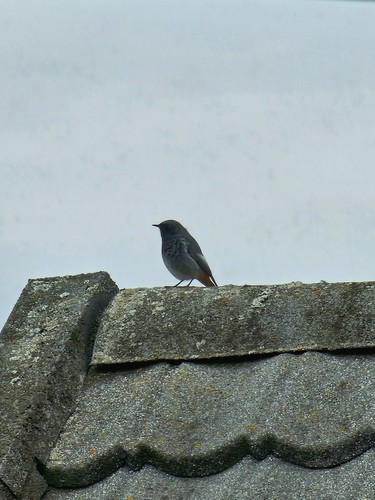
Black Redstart
13-14.5 cm (5.1-5.7 in) long, 23-26 cm wingspan
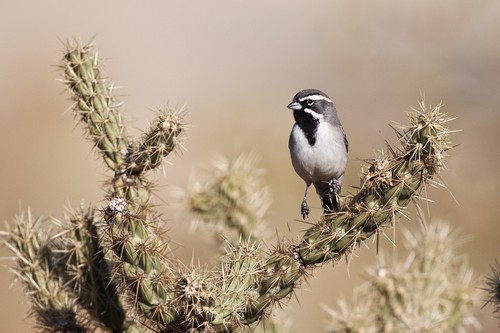
Black-throated Sparrow
12-14 cm (4.7-5.5 in) long, about 19-20 cm (7.5-8 in) wingspan
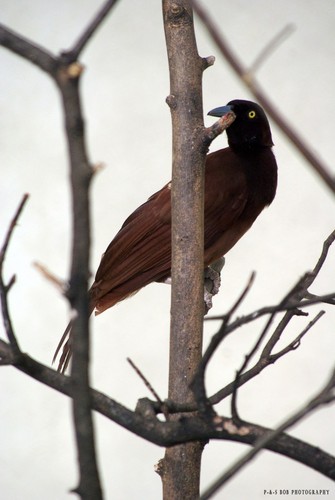
Greater Bird-of-paradise
Body about 43 cm; males with additional flank plumes up to 50 cm and long tail wires
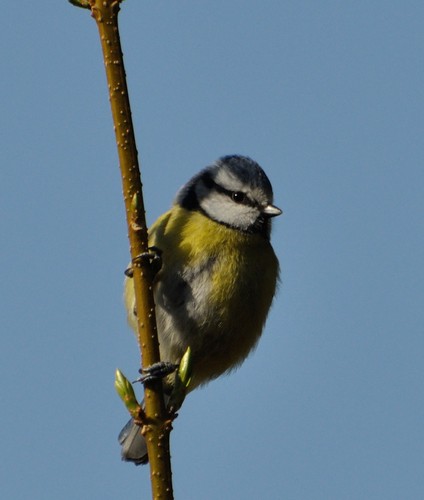
Blue Tit
11-12 cm (4.3-4.7 in) long, 17-20 cm wingspan
Red-billed Quelea
11.5–13 cm long, wingspan about 20–22 cm
White-plumed Antbird
13-14 cm (5-5.5 in) long
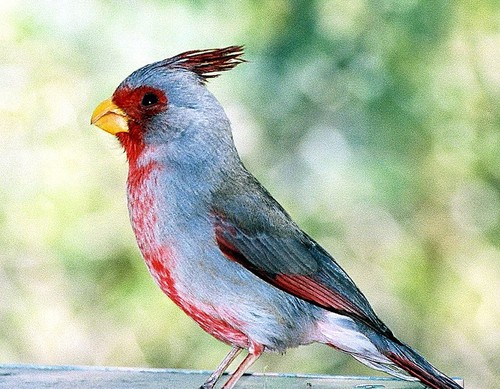
Pyrrhuloxia
19-22 cm (7.5-8.7 in) long, 30 cm wingspan
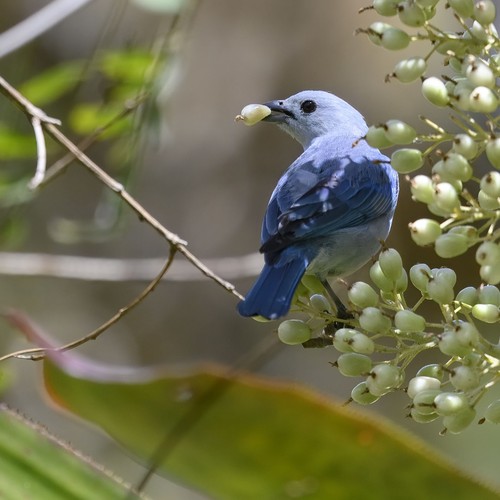
Blue-gray Tanager
16-18 cm (6-7 in) long
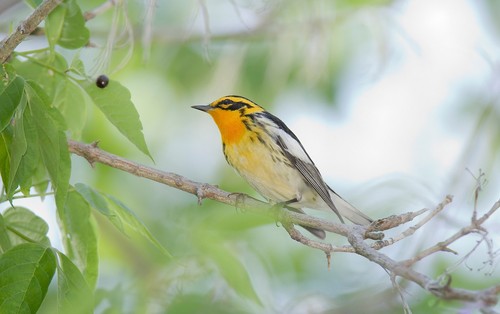
Blackburnian Warbler
11-13 cm (4.3-5.1 in) long, 20-22 cm wingspan
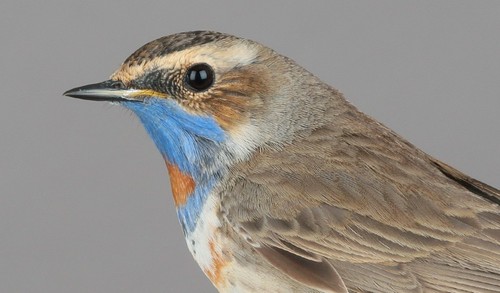
Bluethroat
13-14 cm (5.1-5.5 in) long, 20-22 cm wingspan
Eurasian Nuthatch
12-14.5 cm (4.7-5.7 in) long, 22.5-27 cm wingspan
Wood Thrush
19-21 cm (7.5-8.3 in) long, about 33 cm (13 in) wingspan