
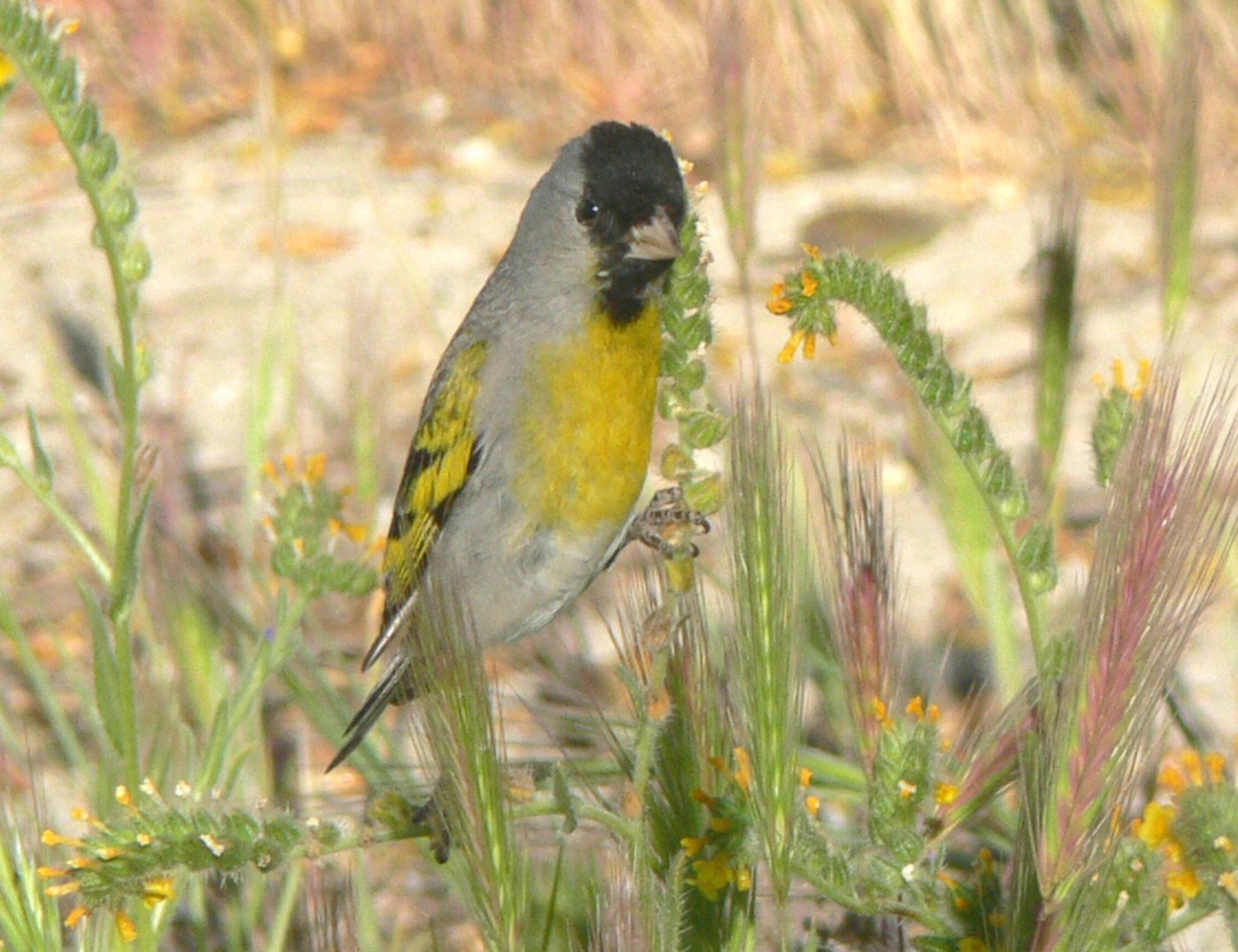
Lawrence's Goldfinch
Spinus lawrencei
A gray-and-yellow goldfinch with a black face, restricted to California and Baja California and famously unpredictable in its movements.
- Size
- 11-12 cm (4.3-4.7 in) long, 19-22 cm wingspan
- Habitat
- chaparral, oak woodlands, and dry scrub near water in California and Baja California
- Type
- songbird
Spotted a bird like this?
Identify any bird from a photo, free.
Overview
Lawrence's Goldfinch is the least colorful but arguably most understated attractive of the three North American goldfinches, with a soft gray body offset by patches of lemon-yellow on the breast, rump, and wing bars. Breeding males have a bold black face and chin patch, while females and nonbreeding birds are duller and lack the black face, showing more subdued yellow tones. This species is restricted almost entirely to California and northern Baja California, making it a sought-after bird for visiting birders.
Lawrence's Goldfinch is notably nomadic and unpredictable from year to year, with populations shifting locations based on rainfall patterns and the resulting abundance of favored seed plants, making it one of the more erratic species to track down reliably.
How to identify it
Key Field Marks
- Gray body with lemon-yellow patches on breast, rump, and wing bars
- Males: black face and chin patch
- Females: gray overall with less yellow, no black face
- Pinkish bill
- Yellow flight feather edges visible in the folded wing
Similar Species
- Lesser Goldfinch: has a full black cap (not just face) and much more extensive yellow underparts, plus a greenish or black back rather than gray.
- American Goldfinch: brighter overall yellow with a black forehead patch only in breeding males, and lacks the gray body tone.
- Pine Siskin: streaked brown overall, without the clean gray-and-yellow pattern.
Habitat & range
Habitat
This species favors dry chaparral, oak woodland edges, and arid scrub, typically near a water source such as a stream or stock pond, at low to moderate elevations.
Range
Lawrence's Goldfinch breeds almost entirely within California (primarily the Coast Ranges, foothills, and interior valleys) and northern Baja California, Mexico, making it one of the most geographically restricted North American songbirds.
Migration
Populations are irregular and nomadic rather than following a fixed migratory route; many birds winter in the desert Southwest (Arizona, southern California, northwestern Mexico), but breeding and wintering locations shift substantially from year to year depending on rainfall and seed availability.
Behavior & voice
Behavior
Lawrence's Goldfinches are social, forming loose flocks that wander in search of seeding plants, and their unpredictable presence at a given site from year to year is a hallmark of the species.
Voice
The song is a bright, tinkling series of notes often incorporating mimicked phrases from other species; the flight call is a distinctive, bell-like "tink-oo" or "tinkle."
Feeding
Diet centers on seeds of fiddleneck, chamise, and other native and introduced annual plants, along with some insects, especially during the breeding season.
Nesting
Nests are small, well-hidden cups placed in oaks, chaparral shrubs, or conifers, built by the female. Clutches usually number 4-5 eggs.
Frequently asked questions
Where can I find a Lawrence's Goldfinch?
Look in dry chaparral and oak woodland habitat near water in California's Coast Ranges and interior foothills, or in the desert Southwest during winter, keeping in mind its presence varies unpredictably year to year.
How do I distinguish Lawrence's Goldfinch from other goldfinches?
Its gray body with limited yellow patches on the breast and rump, plus a black face patch (rather than a full black cap) in males, sets it apart from both Lesser and American Goldfinches.
Why is Lawrence's Goldfinch so hard to find some years?
It is highly nomadic, shifting its breeding and wintering locations based on rainfall and the resulting abundance of preferred seed plants like fiddleneck.
What does Lawrence's Goldfinch eat?
Mainly seeds of fiddleneck, chamise, and other native annual and chaparral plants, supplemented with some insects.
Is Lawrence's Goldfinch found outside California?
Its breeding range is nearly confined to California and northern Baja California, though wintering birds range into Arizona and northwestern Mexico.
Lawrence's Goldfinch guides
In-depth guides for identifying, finding, and understanding Lawrence's Goldfinch.
Other birds you may enjoy
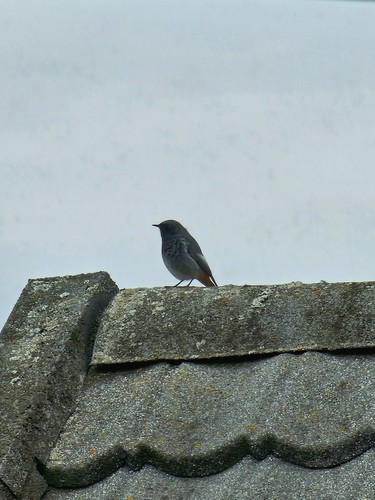
Black Redstart
13-14.5 cm (5.1-5.7 in) long, 23-26 cm wingspan
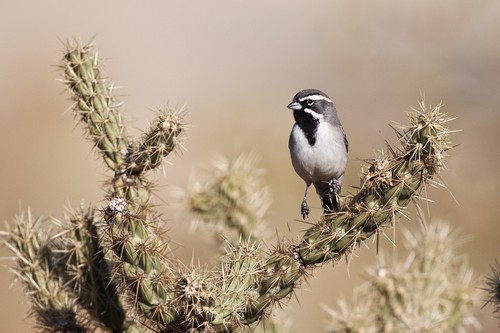
Black-throated Sparrow
12-14 cm (4.7-5.5 in) long, about 19-20 cm (7.5-8 in) wingspan
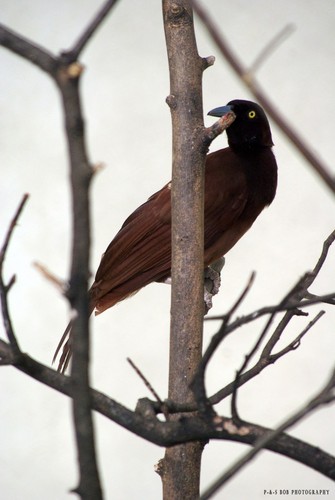
Greater Bird-of-paradise
Body about 43 cm; males with additional flank plumes up to 50 cm and long tail wires
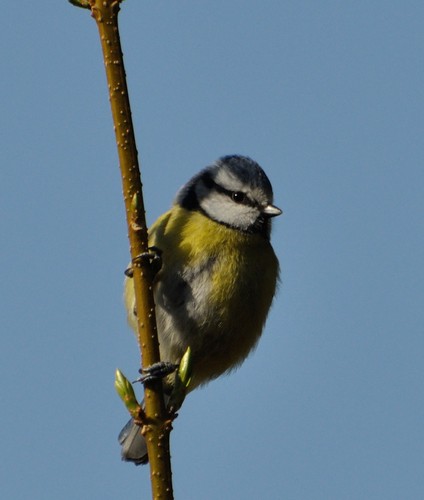
Blue Tit
11-12 cm (4.3-4.7 in) long, 17-20 cm wingspan
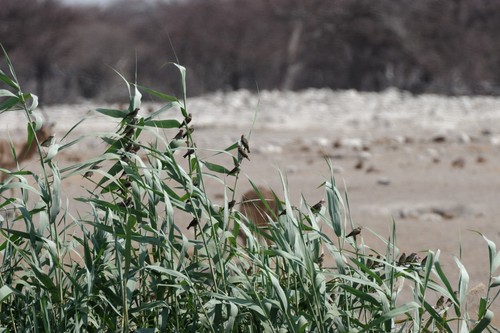
Red-billed Quelea
11.5–13 cm long, wingspan about 20–22 cm
White-plumed Antbird
13-14 cm (5-5.5 in) long
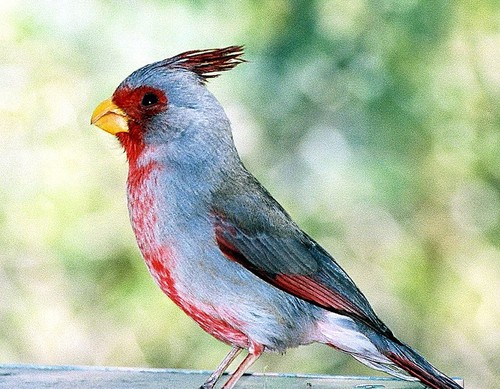
Pyrrhuloxia
19-22 cm (7.5-8.7 in) long, 30 cm wingspan
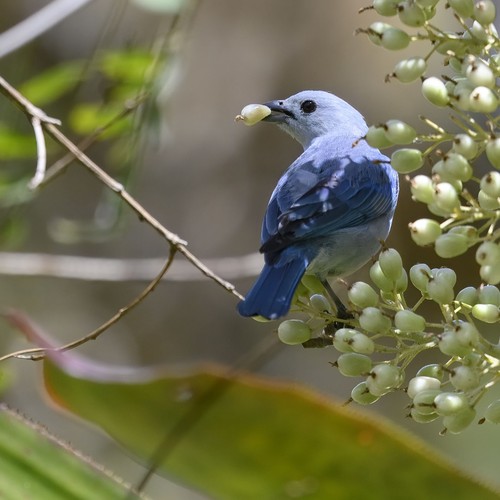
Blue-gray Tanager
16-18 cm (6-7 in) long
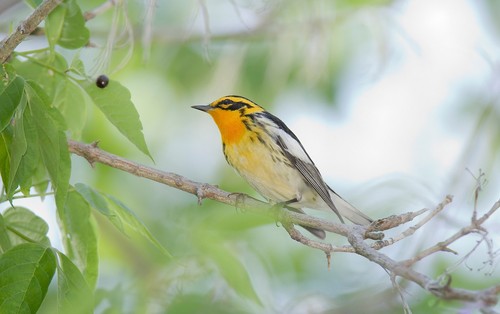
Blackburnian Warbler
11-13 cm (4.3-5.1 in) long, 20-22 cm wingspan
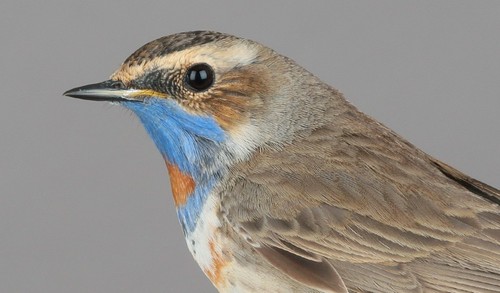
Bluethroat
13-14 cm (5.1-5.5 in) long, 20-22 cm wingspan
Eurasian Nuthatch
12-14.5 cm (4.7-5.7 in) long, 22.5-27 cm wingspan
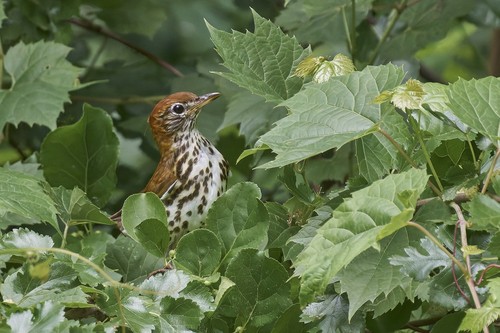
Wood Thrush
19-21 cm (7.5-8.3 in) long, about 33 cm (13 in) wingspan