
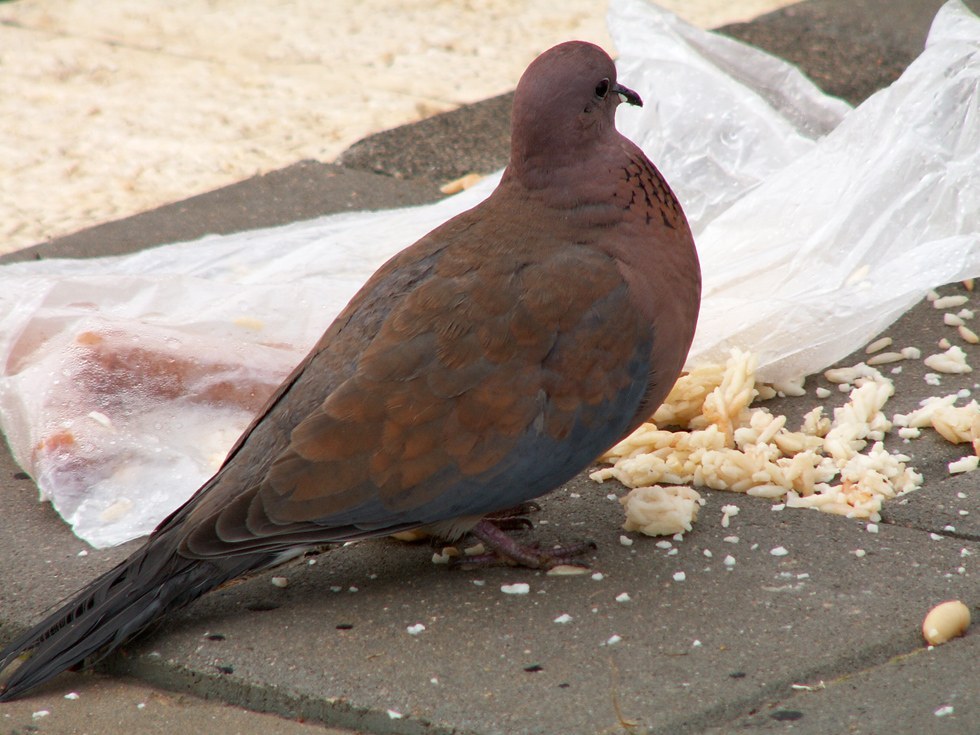
Laughing Dove
Spilopelia senegalensis
A small, slender pinkish-brown dove with a black-and-rufous speckled necklace patch and a soft, chuckling, laugh-like call.
- Size
- 25-27 cm (10-10.5 in) long, 40-45 cm wingspan
- Habitat
- open woodland, farmland, and urban areas
- Type
- other
Spotted a bird like this?
Identify any bird from a photo, free.
Overview
The Laughing Dove is a small, slim, gentle-looking dove with warm pinkish-brown underparts and a blue-grey patch on the upper wing. Its most distinctive feature is a patch of black feathers finely speckled with rufous across the upper breast, resembling a fine necklace, which fades into the plainer pink-brown of the lower breast and belly.
Native to Africa, the Middle East, and South Asia, the species has become established as an introduced bird around Perth in Western Australia, where it now thrives in parks, gardens, and open urban and semi-rural areas. Its soft, bubbling, laugh-like call gives the species its common name.
How to identify it
Key field marks
- Warm pinkish-brown underparts fading to paler belly
- Black patch finely speckled with rufous across the upper breast, like a beaded necklace
- Blue-grey patch on the upper wing coverts
- Slim build with a proportionally long tail
Similar species
- Spotted Dove is larger with a bold black-and-white spotted neck patch rather than a fine rufous-speckled necklace.
- Diamond Dove is much smaller with a distinct red eye-ring and lacks the necklace patch entirely.
Habitat & range
Habitat
Uses open woodland, farmland, scrub, and especially parks, gardens, and other urban and semi-urban green spaces.
Range
Native across much of Africa, the Middle East, and South Asia; introduced and now established in and around Perth, Western Australia.
Migration
Sedentary and non-migratory throughout its range.
Behavior & voice
Behavior
Usually seen alone, in pairs, or small groups, foraging on open ground and readily tolerating human presence in gardens and urban areas.
Voice
A soft, bubbling, chuckling series of coos that has earned the species its common name, often rendered as a rolling, laugh-like phrase.
Feeding
Forages on the ground for seeds and grain, walking steadily while pecking at fallen seed.
Nesting
Builds a flimsy platform nest of twigs in a shrub or tree; lays 2 white eggs.
Frequently asked questions
Why is it called a Laughing Dove?
Its soft, bubbling, chuckling call is reminiscent of laughter, giving the species its common name.
Is the Laughing Dove native to Australia?
No, it is native to Africa, the Middle East, and South Asia, and was introduced to the Perth area of Western Australia, where it is now established.
How do you identify a Laughing Dove?
Look for a small, slim, pinkish-brown dove with a fine black-and-rufous speckled necklace patch on the upper breast and a blue-grey wing patch.
What does a Laughing Dove eat?
Mainly seeds and grain, foraged by walking on open ground.
Laughing Dove guides
In-depth guides for identifying, finding, and understanding Laughing Dove.
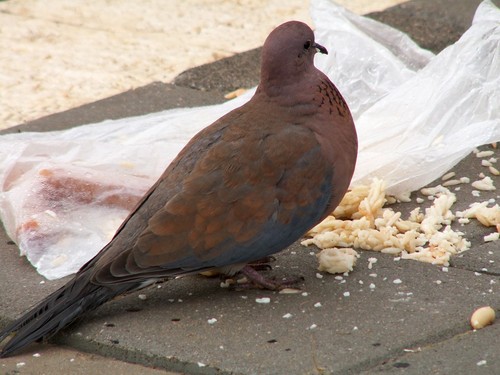
Laughing Dove identified by the community
Real birds identified with Bird Identifier.
Other birds you may enjoy
Kiwi
35-55 cm (14-22 in) long; roughly chicken-sized
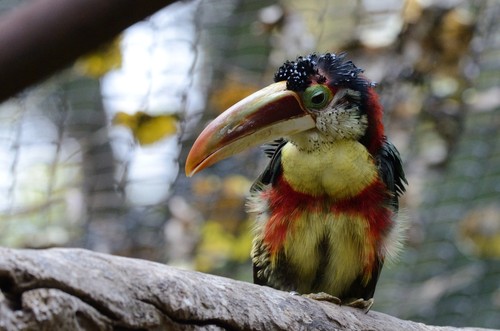
Curl-crested Aracari
41-46 cm (16-18 in) long, including a long bill and tail
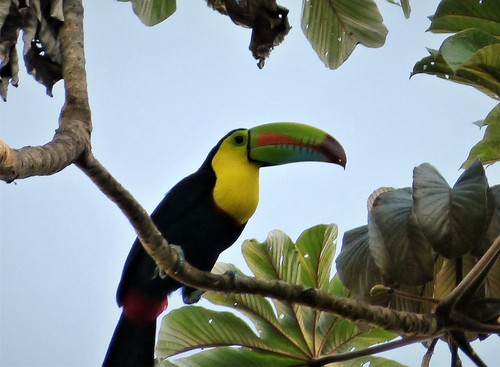
Keel-billed Toucan
42-55 cm (17-22 in) long including bill
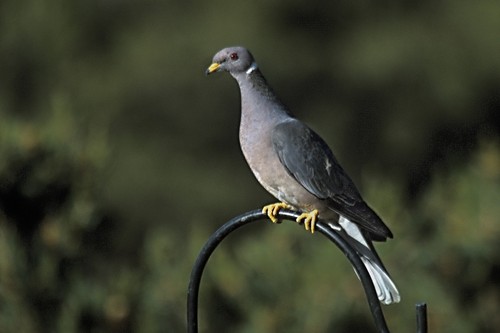
Band-tailed Pigeon
33-38 cm (13-15 in) long, wingspan about 66 cm (26 in)
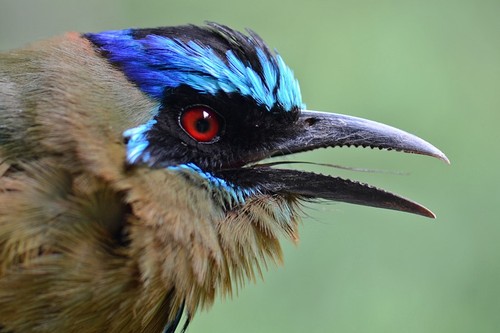
Blue-crowned Motmot
38-43 cm (15-17 in) long including tail
White-tipped Dove
27-30 cm (10.5-12 in) long, 38-43 cm wingspan
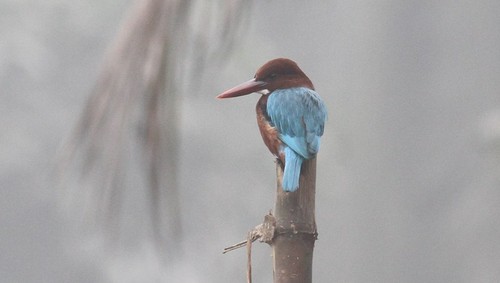
White-throated Kingfisher
27-28 cm (10.5-11 in) long
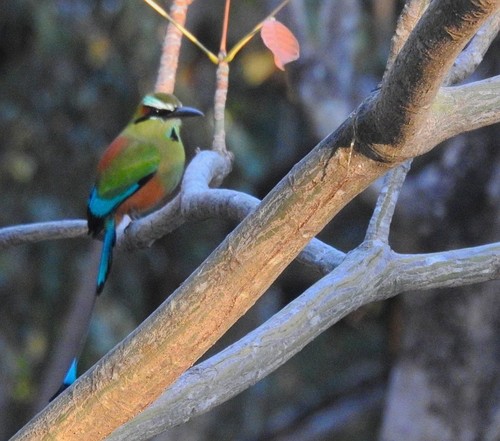
Turquoise-browed Motmot
34 cm (13 in) long including tail
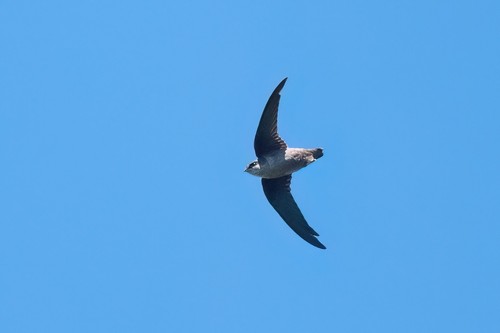
Vaux's Swift
10-12 cm (4-4.5 in) long, 27-30 cm wingspan
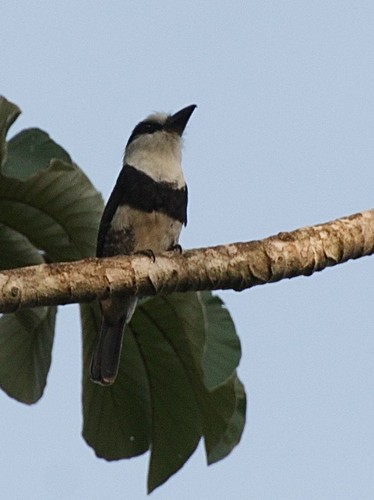
White-necked Puffbird
22-24 cm (8.5-9.5 in) long
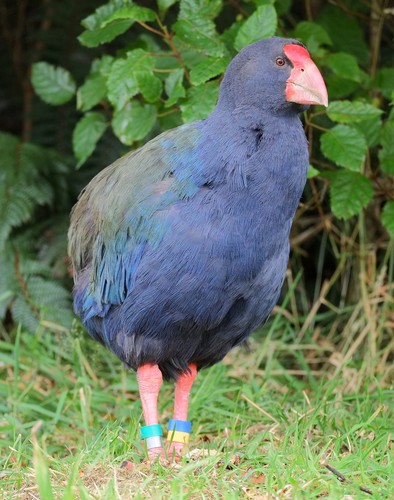
Takahe
50 cm (20 in) long, up to 3.5 kg; flightless
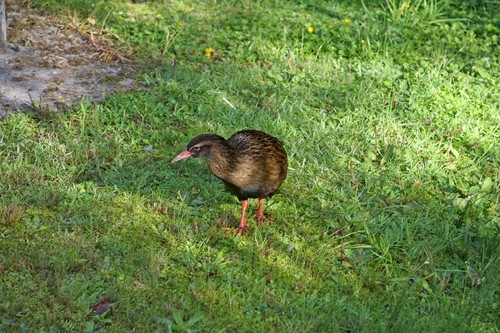
Weka
50-60 cm (20-24 in) long; flightless