
Lark Sparrow
Chondestes grammacus
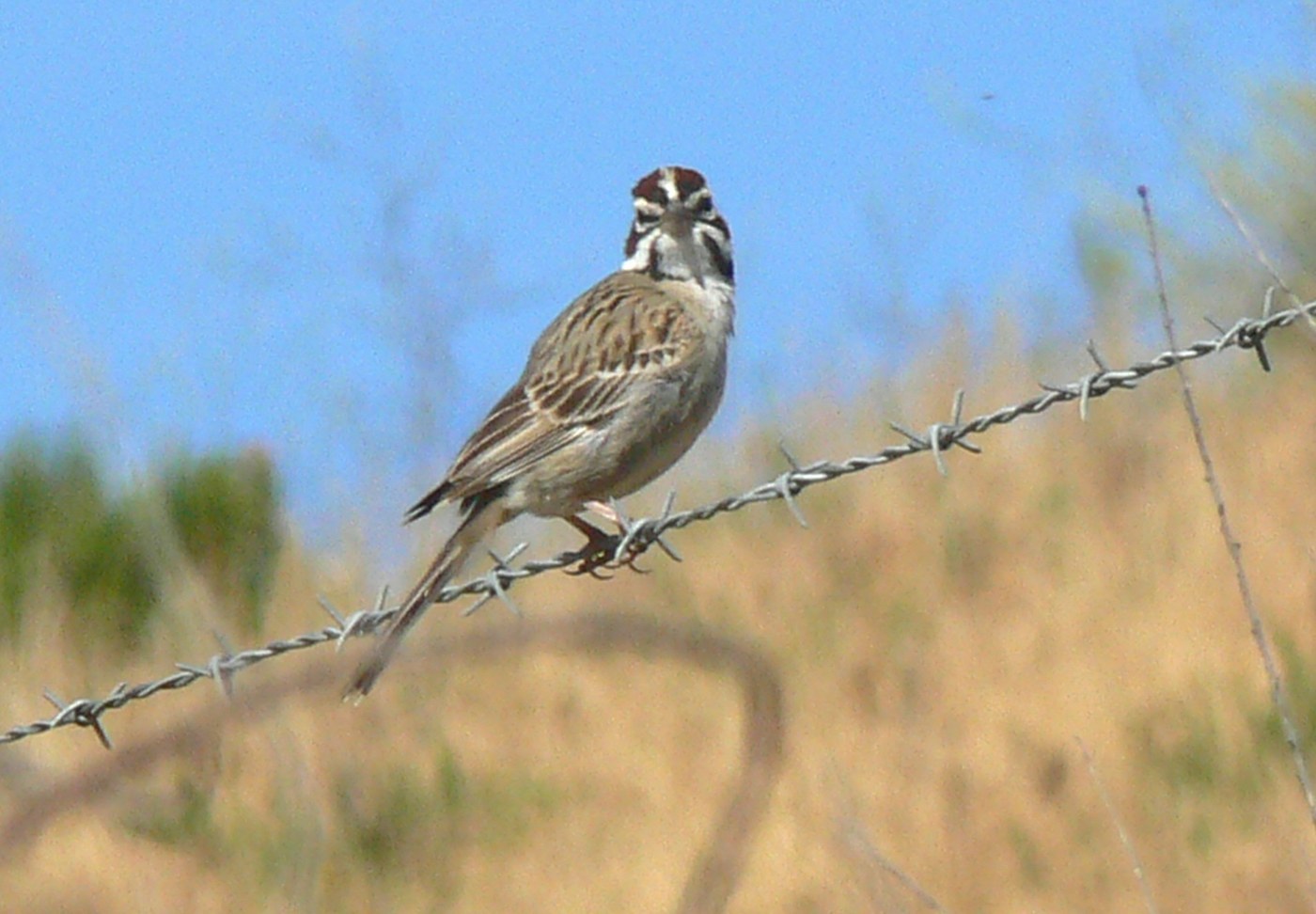
A boldly patterned sparrow with a chestnut-and-white harlequin face and a distinctive rounded tail edged in white.
- Size
- 15-17 cm (5.9-6.7 in) long, 27-36 cm wingspan
- Habitat
- open grasslands with scattered shrubs or trees, savanna, and agricultural land
- Type
- songbird
Spotted a bird like this?
Identify any bird from a photo, free.
Overview
The Lark Sparrow is one of the most distinctively patterned sparrows in North America, with a bold chestnut, black, and white harlequin face pattern unlike any other native sparrow: chestnut cheek and crown patches divided by white stripes, with a black whisker mark and a small dark central breast spot on an otherwise clean white underside.
The tail is notably long, dark, and rounded, edged with bold white corners that flash conspicuously in flight, a useful field mark even when the bird is too far away to see facial details clearly.
How to identify it
Key field marks
- Chestnut-and-white harlequin facial pattern with black eye-line and whisker mark
- Clean white underparts with a single small dark central breast spot
- Long, rounded, dark tail with bold white corners, prominent in flight
- Streaked brown-and-black back
Similar species
- No other common North American sparrow shares this bold facial pattern; the combination of chestnut ear patch, white stripes, and a rounded white-cornered tail is essentially unique.
- At a distance in flight, the white-edged tail might suggest a junco, but Lark Sparrows are larger, streakier above, and lack a junco's contrasting hood.
Habitat & range
Lark Sparrows breed across much of the central and western United States, from the Great Plains and Midwest through the Great Basin and California, favoring open grasslands with scattered shrubs, trees, or fence lines, as well as savanna, orchards, and agricultural edges. A smaller population also occurs locally in parts of the eastern US, though it has declined and disappeared from many former eastern sites.
The species winters across the southern United States and Mexico, in similarly open habitats, and is a medium- to long-distance migrant, with populations showing notable long-term declines linked to loss of open grassland and savanna habitat.
Behavior & voice
Lark Sparrows forage on the ground in open areas, walking and hopping to glean seeds and insects, and are often seen perched prominently on fences, shrubs, or low trees, less skulking than many grassland sparrows.
The song is notably varied and musical for a sparrow, combining clear whistles, buzzy trills, and rich warbled phrases, sometimes incorporating pauses, and males perform an elaborate courtship display involving strutting with drooped wings and a fanned tail. Diet includes insects and seeds. Nests are usually built on the ground in a shallow depression, sometimes low in a shrub, with typical clutches of three to five eggs.
Frequently asked questions
How do you identify a Lark Sparrow?
Look for a sparrow with a bold chestnut, black, and white harlequin face pattern, clean white underparts with a single small central breast spot, and a long, rounded tail with bold white corners.
What does a Lark Sparrow sound like?
An unusually varied and musical song for a sparrow, mixing clear whistles, buzzy trills, and rich warbled phrases.
Where do Lark Sparrows live?
In open grasslands with scattered shrubs or trees, savanna, and farmland across the central and western United States in summer, wintering across the southern US and Mexico.
What is unique about the Lark Sparrow's courtship display?
Males perform an elaborate ground display, strutting with drooped wings and a fanned, white-cornered tail to attract a mate.
Are Lark Sparrow populations declining?
Yes, the species has shown significant long-term declines and has disappeared from many former breeding sites, particularly in the eastern part of its historical range, largely due to loss of open grassland and savanna habitat.
Lark Sparrow guides
In-depth guides for identifying, finding, and understanding Lark Sparrow.
Other birds you may enjoy
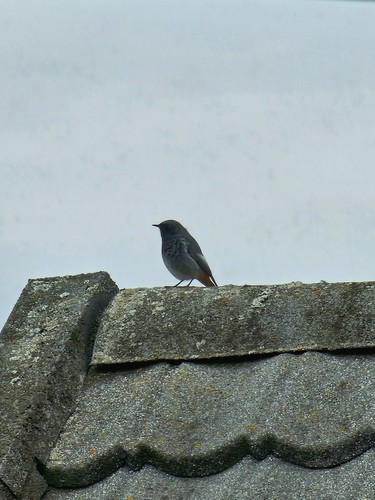
Black Redstart
13-14.5 cm (5.1-5.7 in) long, 23-26 cm wingspan
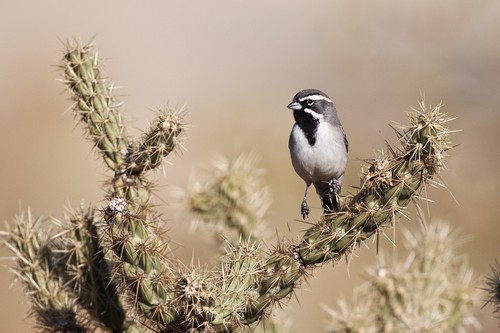
Black-throated Sparrow
12-14 cm (4.7-5.5 in) long, about 19-20 cm (7.5-8 in) wingspan
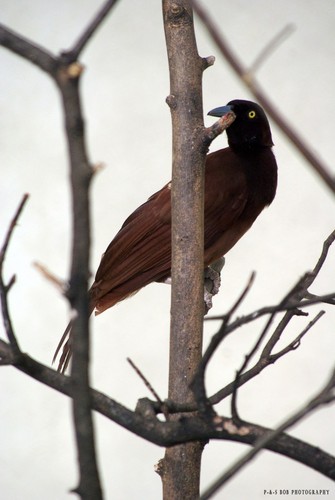
Greater Bird-of-paradise
Body about 43 cm; males with additional flank plumes up to 50 cm and long tail wires
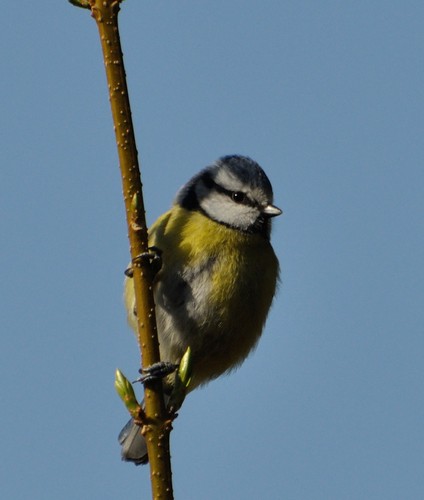
Blue Tit
11-12 cm (4.3-4.7 in) long, 17-20 cm wingspan
Red-billed Quelea
11.5–13 cm long, wingspan about 20–22 cm
White-plumed Antbird
13-14 cm (5-5.5 in) long
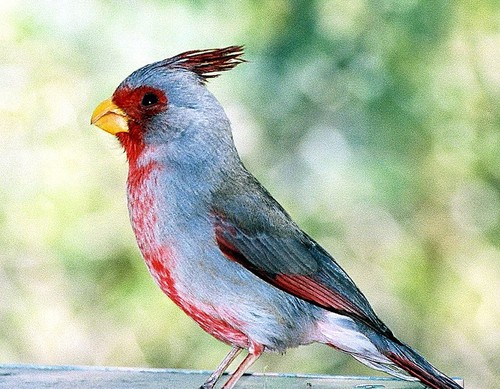
Pyrrhuloxia
19-22 cm (7.5-8.7 in) long, 30 cm wingspan
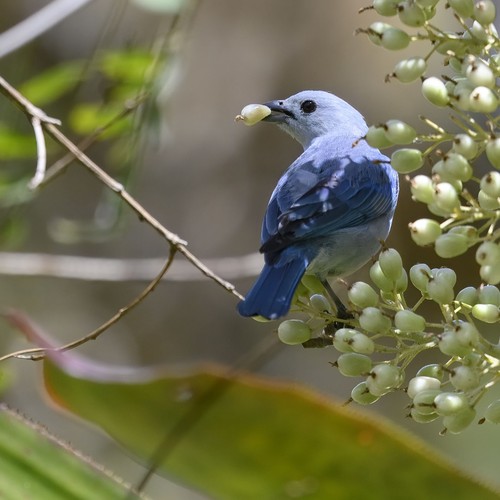
Blue-gray Tanager
16-18 cm (6-7 in) long
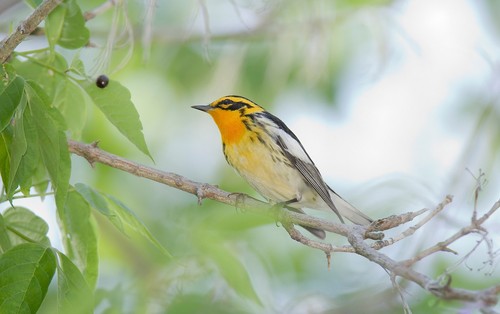
Blackburnian Warbler
11-13 cm (4.3-5.1 in) long, 20-22 cm wingspan
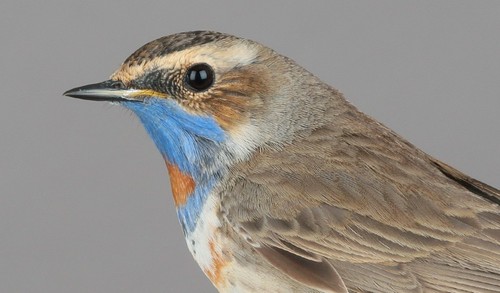
Bluethroat
13-14 cm (5.1-5.5 in) long, 20-22 cm wingspan
Eurasian Nuthatch
12-14.5 cm (4.7-5.7 in) long, 22.5-27 cm wingspan
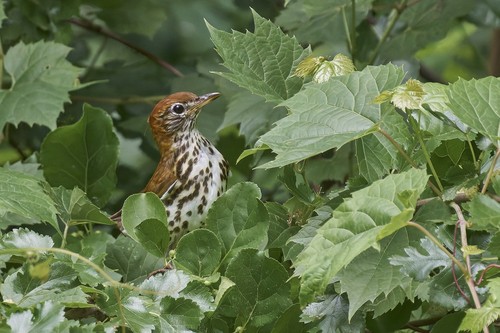
Wood Thrush
19-21 cm (7.5-8.3 in) long, about 33 cm (13 in) wingspan