
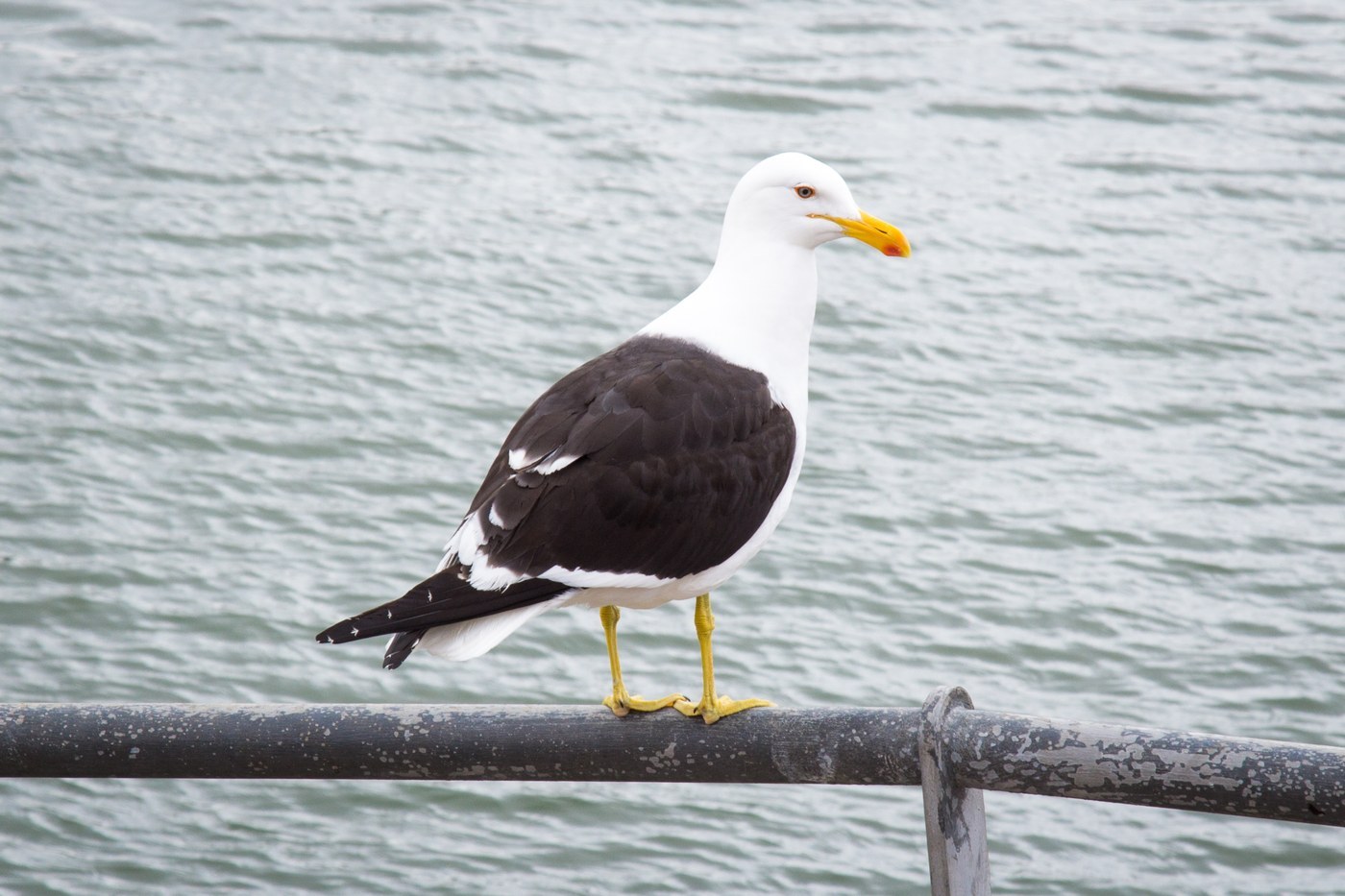
Kelp Gull
Larus dominicanus
A widespread Southern Hemisphere gull with a black back and white head, ecologically similar to the Great Black-backed Gull of the north, and a rare vagrant to the Gulf Coast of North America.
- Size
- 54-65 cm (21-26 in) long, 128-142 cm wingspan
- Habitat
- coastal beaches, harbors, and cliffs of the Southern Hemisphere
- Type
- seabird
Spotted a bird like this?
Identify any bird from a photo, free.
Overview
The Kelp Gull is the dominant large gull across much of the Southern Hemisphere's coastlines, found on the shores of South America, southern Africa, Australia, New Zealand, and even parts of the Antarctic Peninsula. Adults have a solidly black back and wings contrasting sharply with a pure white head, neck, and underparts, a pattern reminiscent of the Great Black-backed Gull in the Northern Hemisphere.
The bill is yellow with a red spot near the tip, and the legs are greenish-yellow to yellow. Immature birds pass through mottled brown plumages before reaching the striking adult pattern over about three to four years.
A small breeding population has become established on the Gulf Coast of the United States, notably in Louisiana, likely originating from birds that expanded their range northward, making this otherwise Southern Hemisphere species a very rare but notable presence in North America.
How to identify it
Key field marks
- Solid black back and wings contrasting with a white head and underparts
- Yellow bill with a red gonydeal spot
- Greenish-yellow to yellow legs
- Large, robust build
Similar species
- Great Black-backed Gull: very similar in pattern but with pink (not yellow-green) legs; ranges do not naturally overlap, though vagrancy makes careful leg-color checks important where both might occur.
- Lesser Black-backed Gull: smaller, with a slimmer build and yellow legs, but a paler, slate-gray (not jet black) back.
Habitat & range
Habitat
Found on sandy and rocky coastlines, harbors, estuaries, and offshore islands across its range, and increasingly in urban coastal areas where it scavenges freely.
Range and migration
Widely distributed across the coasts of South America, southern Africa, Australia, New Zealand, and subantarctic islands, with a small established breeding population on the Gulf Coast of the United States, primarily Louisiana; most populations are largely resident with local dispersal.
Behavior & voice
Behavior
An adaptable and often dominant gull at seabird colonies, ports, and fish markets, Kelp Gulls are aggressive predators of the eggs and chicks of penguins and other seabirds in parts of their range.
Voice
Calls include deep, resonant "kyow" notes and long calls similar in structure to other large gulls of the genus Larus.
Feeding
A generalist feeder taking fish, mollusks, crustaceans, carrion, and the eggs and chicks of other seabirds, along with human refuse near ports and towns.
Nesting and breeding
Nests colonially on the ground on islands, beaches, and cliffs, building a scrape lined with vegetation. Clutches typically contain two to three eggs, incubated by both parents.
Frequently asked questions
Where is the Kelp Gull found?
It is widespread across coastlines of the Southern Hemisphere, including South America, southern Africa, Australia, New Zealand, and parts of Antarctica, with a small breeding population established on the Gulf Coast of Louisiana.
How do you identify a Kelp Gull?
Look for a large gull with a solid black back and wings, white head and underparts, and a yellow bill with a red spot, similar in pattern to the Great Black-backed Gull.
Is the Kelp Gull related to the Great Black-backed Gull?
They are not the same species but are ecological counterparts, filling a similar large, dark-backed gull niche in the Southern and Northern Hemispheres respectively.
What does the Kelp Gull eat?
A varied diet of fish, mollusks, carrion, and the eggs and chicks of other seabirds, along with human refuse.
Kelp Gull guides
In-depth guides for identifying, finding, and understanding Kelp Gull.
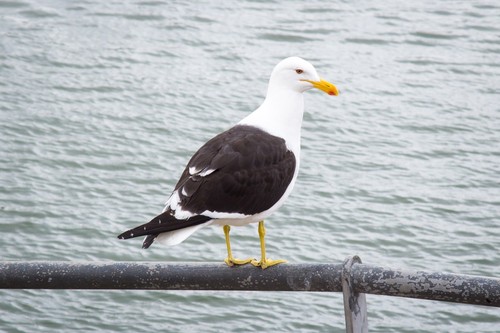
Other birds you may enjoy
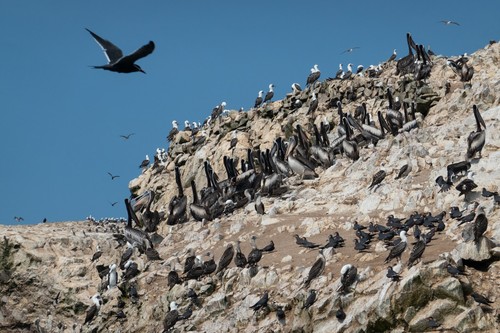
Peruvian Pelican
137-152 cm (54-60 in) long, up to 228 cm wingspan
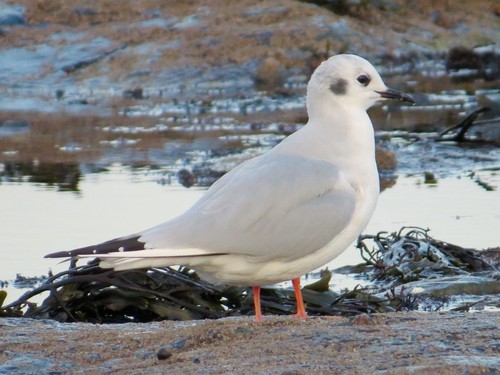
Bonaparte's Gull
28-33 cm (11-13 in) long, 76-84 cm wingspan
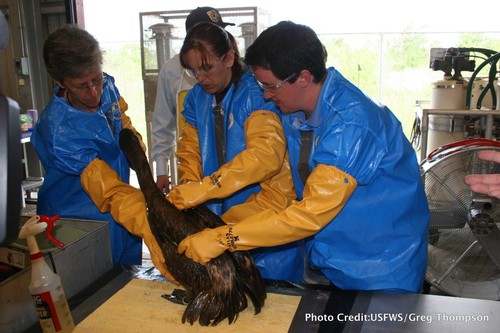
Brown Pelican
106-137 cm (42-54 in) long, 200-230 cm wingspan
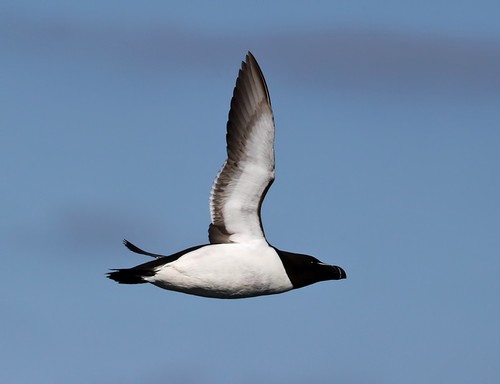
Razorbill
37-39 cm (15-15.5 in) long, 63-68 cm wingspan
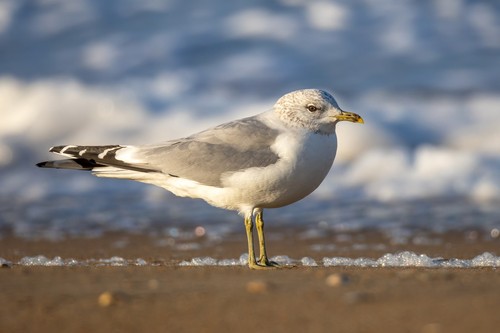
Common Gull
40-46 cm (16-18 in) long, 110-130 cm wingspan
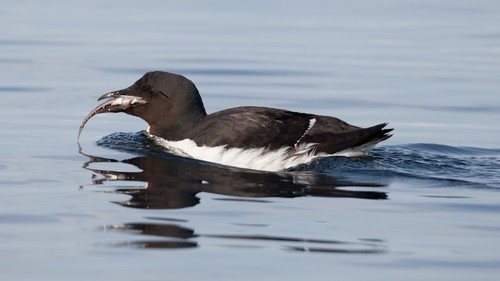
Thick-billed Murre
40-48 cm (16-19 in) long, 65-75 cm wingspan
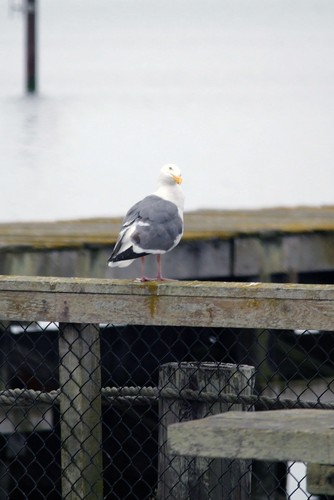
Western Gull
55-68 cm (22-27 in) long, 130-144 cm wingspan
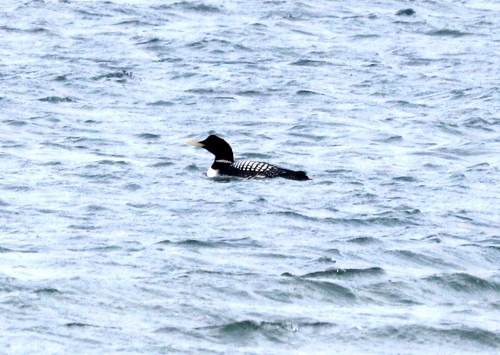
Yellow-billed Loon
76-97 cm (30-38 in) long, 135-152 cm wingspan
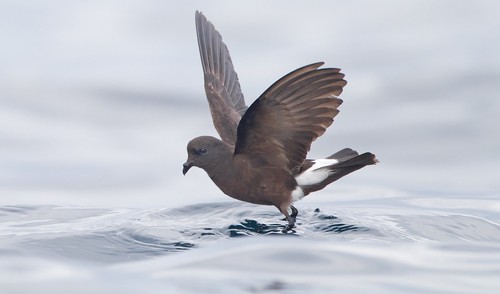
Wilson's Storm-Petrel
15-19 cm (6-7.5 in) long, wingspan 38-42 cm (15-16.5 in)
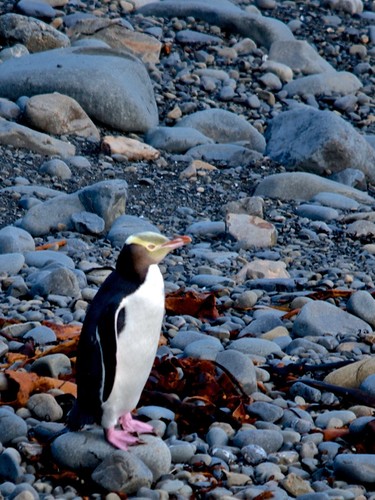
Yellow-eyed Penguin
62-79 cm (24-31 in) tall, 3-8.5 kg (6.6-18.7 lb)
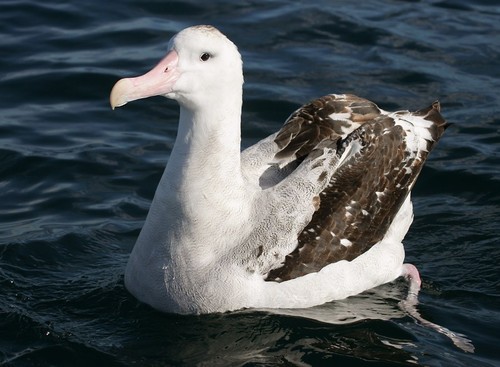
Wandering Albatross
107-135 cm (42-53 in) long, wingspan up to 3.5 m (11.5 ft)
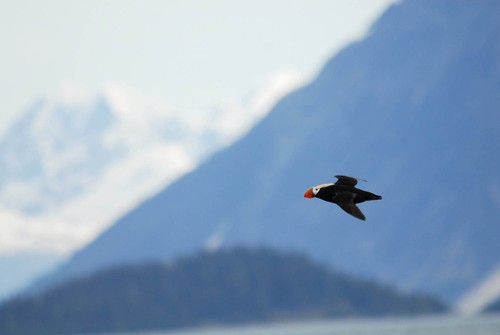
Tufted Puffin
35-41 cm (14-16 in) long, about 63-70 cm wingspan