
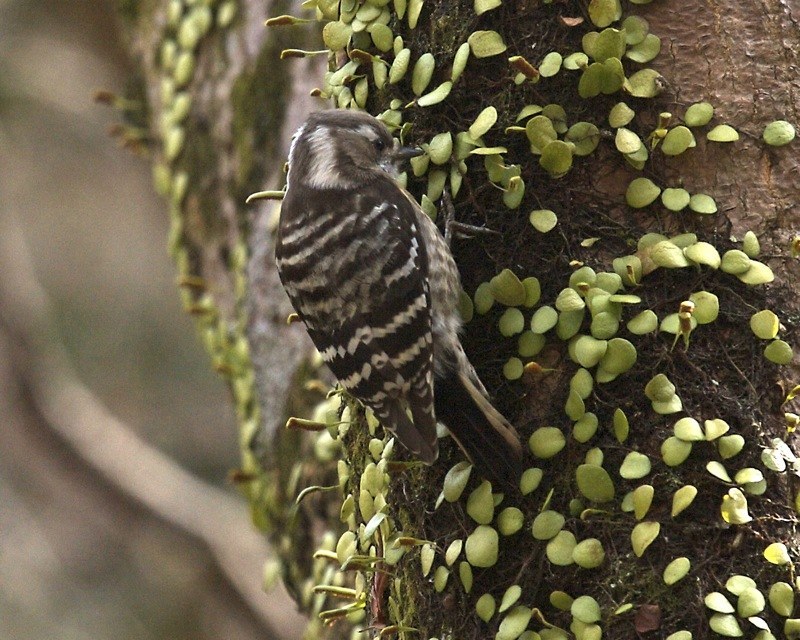
Japanese Pygmy Woodpecker
Yungipicus kizuki
The smallest woodpecker in Japan, a sparrow-sized bird finely barred in brown and white, with males showing a tiny red spot on the head.
- Size
- 14-16 cm (5.5-6.3 in) long
- Habitat
- deciduous and mixed woodlands, parks, and gardens
- Type
- woodpecker
Spotted a bird like this?
Identify any bird from a photo, free.
Overview
The Japanese Pygmy Woodpecker is a diminutive woodpecker, barely larger than a sparrow, with fine brown-and-white barring across its back and wings and pale, lightly streaked underparts. Males have a small red patch on the side of the head, usually visible only at close range or when the bird is agitated, while females lack this mark entirely.
Despite its small size, it is a capable excavator, working smaller branches and twigs rather than large trunks, and it is often detected by its soft tapping and high-pitched calls before it is seen.
How to identify it
Key field marks
- Very small size, close to sparrow-sized, among the smallest woodpeckers in its range
- Fine black-and-white barring on the back and wings
- Pale, faintly streaked underparts
- Small red spot on the rear of the head in males only
Similar species
- Great Spotted Woodpecker is much larger with bold white shoulder patches and red under the tail.
- Grey-headed Woodpecker is much larger with a plain green back and grey head.
Habitat & range
Habitat
Inhabits deciduous and mixed forests, woodland edges, bamboo groves, and readily uses parks and gardens with mature trees.
Range
Widespread across Japan, the Korean Peninsula, and adjacent parts of eastern Russia and China.
Migration
Generally resident, though it may make minor local movements outside the breeding season.
Behavior & voice
Behavior
Forages methodically on small branches, twigs, and even tall weed stems, gleaning and lightly excavating for insects rather than drilling deep into trunks; often joins mixed foraging flocks with tits and other small birds.
Voice
A thin, high-pitched "kew" or "pee" call, and a soft, rapid drumming that is quieter and shorter than that of larger woodpeckers.
Feeding
Eats mainly wood-boring beetle larvae, ants, and other insects extracted from bark and small branches, supplemented with seeds in winter.
Nesting
Excavates a small nest cavity in a dead branch or decaying trunk; lays 4-6 white eggs.
Frequently asked questions
How can you tell a male from a female Japanese Pygmy Woodpecker?
Males show a small red spot on the side of the head that females completely lack.
How big is a Japanese Pygmy Woodpecker?
It is very small, about 14-16 cm (5.5-6.3 in) long, close to the size of a sparrow and the smallest woodpecker in its range.
What does a Japanese Pygmy Woodpecker eat?
Mostly wood-boring beetle larvae, ants, and other insects found on bark and small branches, plus some seeds in winter.
Where does the Japanese Pygmy Woodpecker live?
In deciduous and mixed woodlands, parks, and gardens across Japan, Korea, and nearby parts of Russia and China.
Japanese Pygmy Woodpecker guides
In-depth guides for identifying, finding, and understanding Japanese Pygmy Woodpecker.
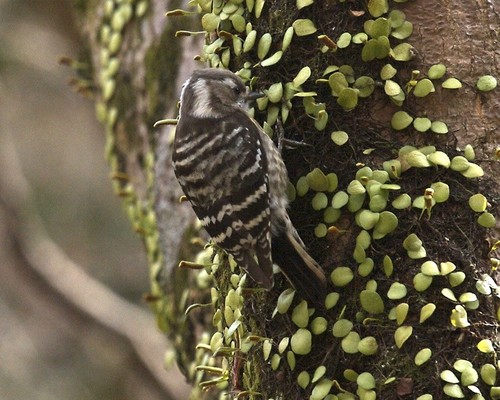
Other birds you may enjoy
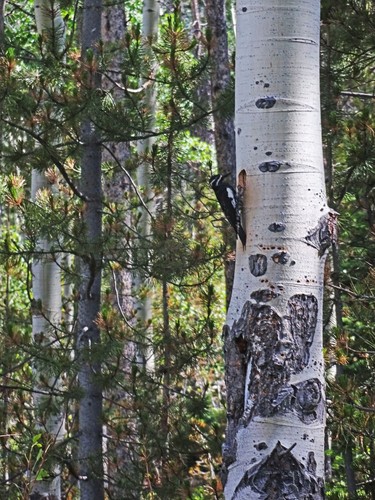
Williamson's Sapsucker
21-25 cm (8-10 in) long, 40-42 cm wingspan
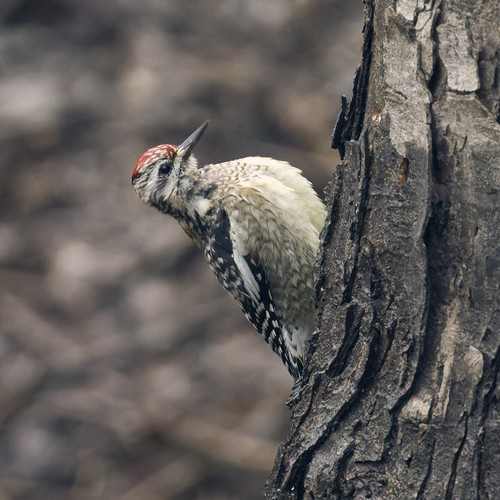
Yellow-bellied Sapsucker
18-21 cm (7-8.3 in) long, 34-40 cm wingspan
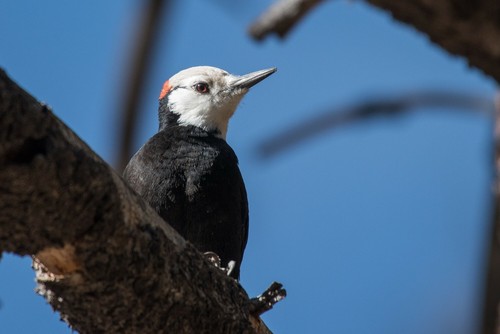
White-headed Woodpecker
20-23 cm (8-9 in) long, 38-41 cm wingspan
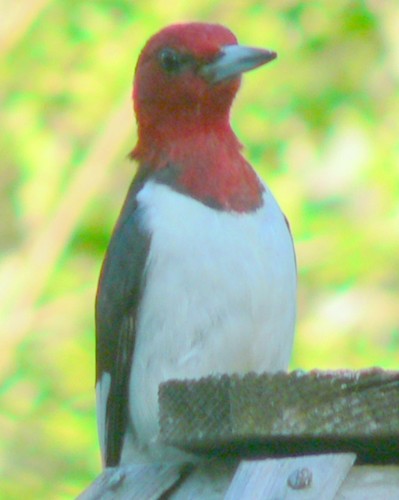
Red-headed Woodpecker
19-23 cm (7.5-9 in) long, 42-46 cm wingspan
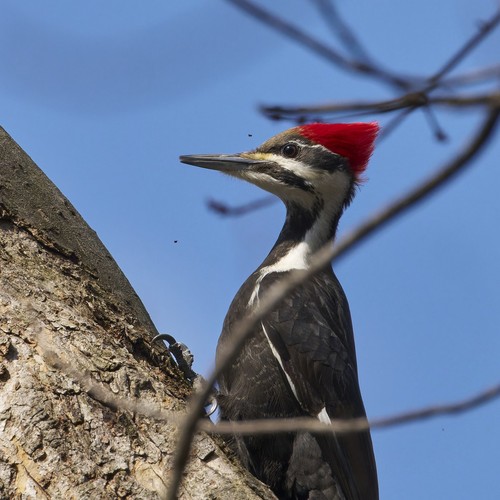
Pileated Woodpecker
40-49 cm (16-19 in) long, 66-75 cm wingspan
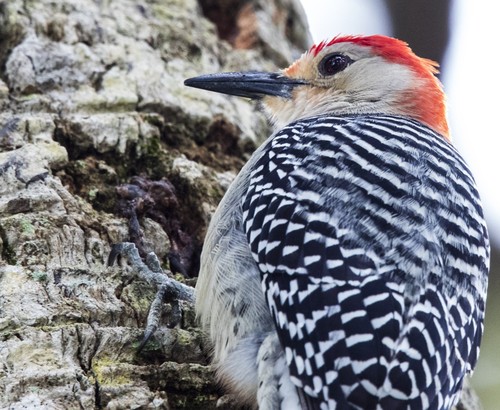
Red-bellied Woodpecker
22-27 cm (9-10.5 in) long, 38-46 cm wingspan
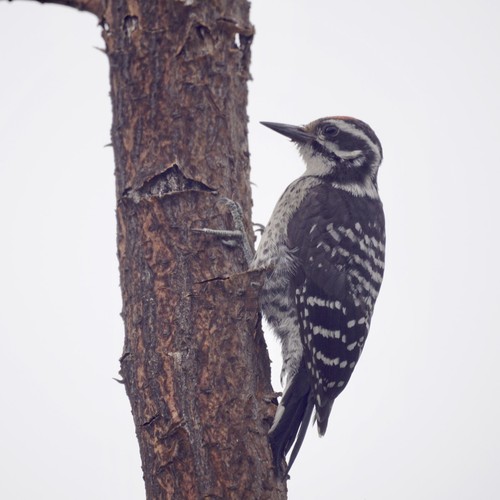
Nuttall's Woodpecker
18-20 cm (7-8 in) long, 34-38 cm wingspan
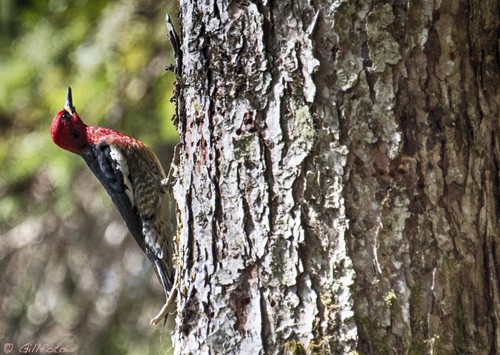
Red-breasted Sapsucker
20-23 cm (8-9 in) long, 34-40 cm wingspan
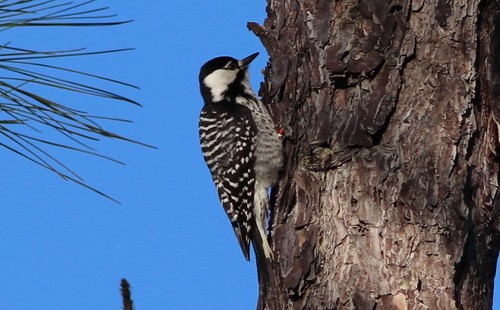
Red-cockaded Woodpecker
20-23 cm (8-9 in) long, 35-38 cm wingspan
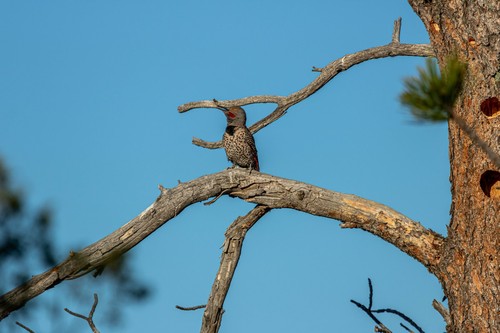
Northern Flicker
28-36 cm (11-14 in) long, 42-51 cm wingspan
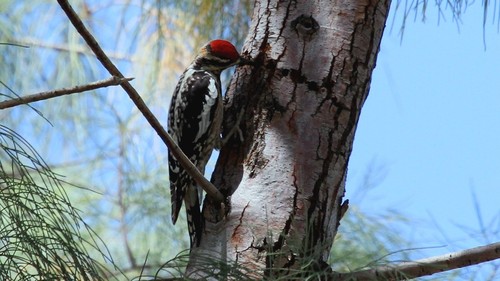
Red-naped Sapsucker
19-21 cm (7.5-8.3 in) long, 34-40 cm wingspan
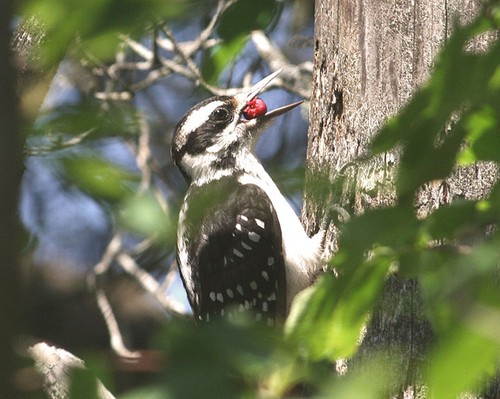
Hairy Woodpecker
23-26 cm (9-10 in) long, 33-41 cm wingspan