
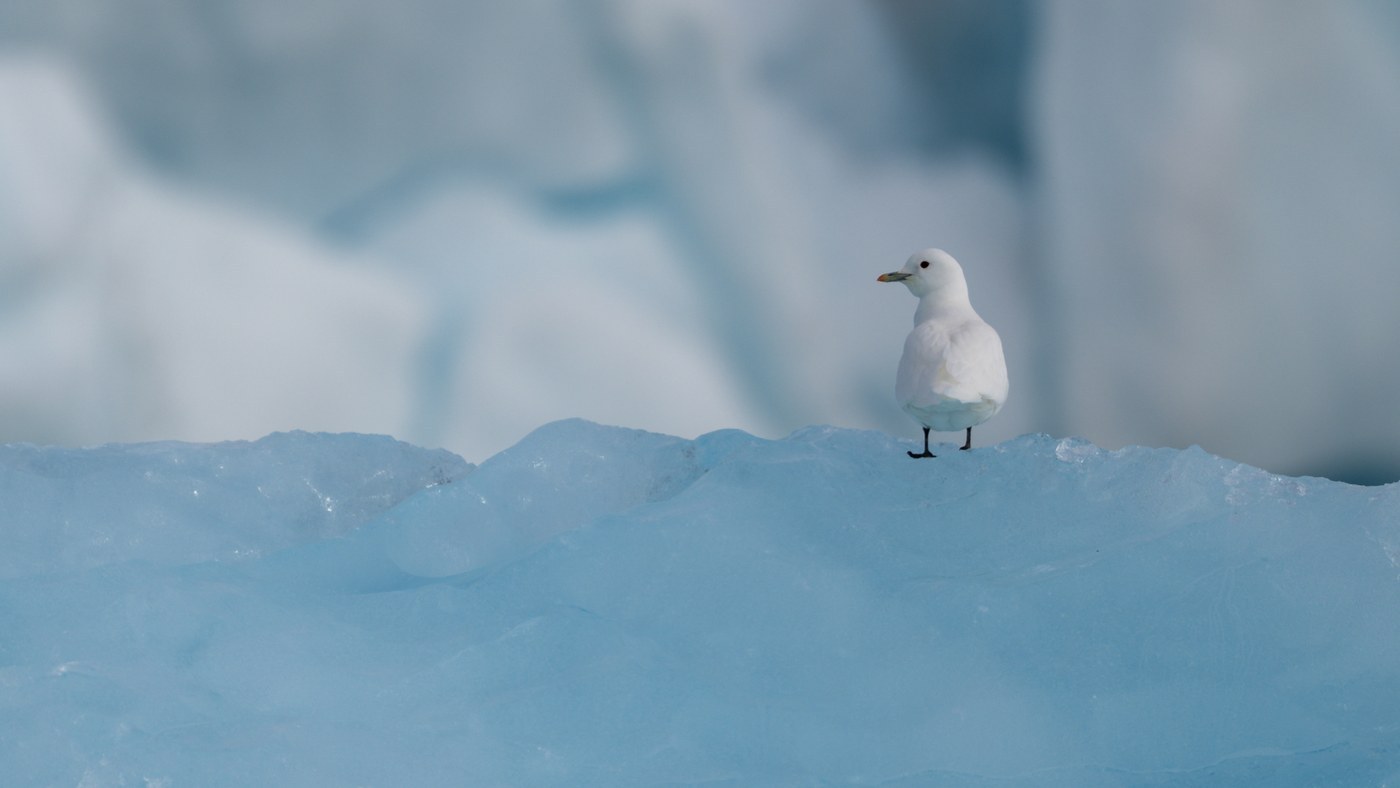
Ivory Gull
Pagophila eburnea
A striking, pure-white gull of the High Arctic pack ice, closely tied to sea ice and often found scavenging alongside polar bears at seal and whale carcasses.
- Size
- 40-43 cm (16-17 in) long, 108-120 cm wingspan
- Habitat
- Arctic pack ice, sea ice edges, and remote cliffs
- Type
- seabird
Spotted a bird like this?
Identify any bird from a photo, free.
Overview
The Ivory Gull is one of the most beautiful and distinctive gulls in the world, with adults sporting an entirely pure white plumage unlike any other gull species. This ghostly white bird is set off by jet-black legs, a dark eye, and a short, stout bill that is dark at the base with a yellow tip.
Juveniles differ noticeably from adults, showing black speckling on the face and scattered dark markings across the wings and tail, gradually molting into the pure white adult plumage over a couple of years.
One of the most sea-ice-dependent birds in the world, the Ivory Gull is closely associated with the edge of pack ice year-round, often following polar bears to scavenge the remains of seal kills, and rarely if ever venturing far from ice or open Arctic water.
How to identify it
Key field marks
- Entirely pure white plumage as an adult
- Black legs
- Short, stout bill, dark at the base with a yellow tip
- Dark eye
- Juveniles show black speckling on the face and wingtips
Similar species
- No other gull is entirely white as an adult, making the Ivory Gull essentially unmistakable in its Arctic range; leucistic (partially white) individuals of other gull species lack the black legs and bill pattern and are typically found well outside true Arctic pack-ice habitat.
Habitat & range
Habitat
Among the most ice-dependent of all birds, closely tied to pack ice, sea ice edges, and polynyas (areas of open water within ice) throughout the year; breeds on remote cliffs and rocky outcrops, sometimes directly on ice, in the High Arctic.
Range and migration
Breeds in scattered, remote colonies across the Canadian Arctic, Greenland, Svalbard, and the Russian Arctic. Largely resident within the Arctic region year-round, moving only as far as necessary to stay near the edge of the pack ice, and only rarely straying south of the Arctic.
Behavior & voice
Behavior
A bold scavenger, the Ivory Gull is often found at seal, whale, and walrus carcasses, sometimes gathering alongside polar bears and Glaucous Gulls to feed on remains left by predators.
Voice
Calls include a harsh, tern-like shriek and various guttural notes given at breeding colonies.
Feeding
Feeds heavily on carrion from marine mammal carcasses, as well as fish and invertebrates found near ice edges, and sometimes scavenges polar bear kills directly.
Nesting and breeding
Nests on remote cliff ledges, rocky outcrops, or occasionally flat ground near ice, usually in small, loose colonies. Clutches typically contain one to two eggs, incubated by both parents.
Frequently asked questions
Why is the Ivory Gull's conservation status a concern?
Its extreme dependence on Arctic sea ice makes it highly vulnerable to sea ice loss from climate change, and its remote colonies have shown significant declines, leading to its Near Threatened status.
What does the Ivory Gull eat?
Mainly carrion from seal, whale, and other marine mammal carcasses, along with fish and invertebrates found near the ice edge.
How do you identify an Ivory Gull?
Adults are unmistakable: entirely pure white with black legs and a dark-based, yellow-tipped bill, found only in Arctic pack-ice habitat.
Does the Ivory Gull follow polar bears?
Yes, it is often seen scavenging near polar bear kills, feeding on the remains of seals and other prey.
Ivory Gull guides
In-depth guides for identifying, finding, and understanding Ivory Gull.
Other birds you may enjoy
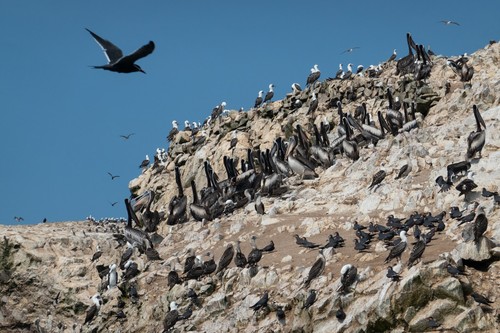
Peruvian Pelican
137-152 cm (54-60 in) long, up to 228 cm wingspan
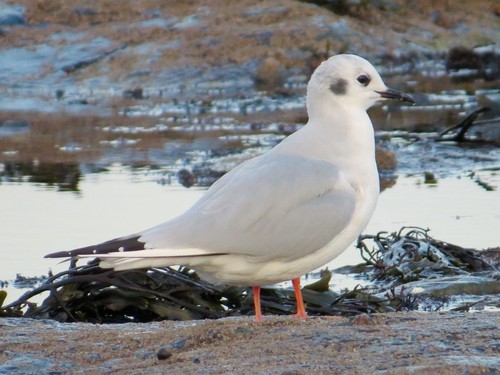
Bonaparte's Gull
28-33 cm (11-13 in) long, 76-84 cm wingspan
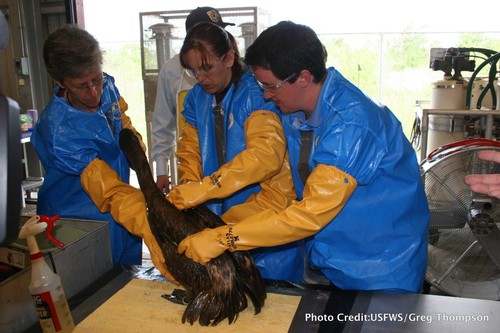
Brown Pelican
106-137 cm (42-54 in) long, 200-230 cm wingspan
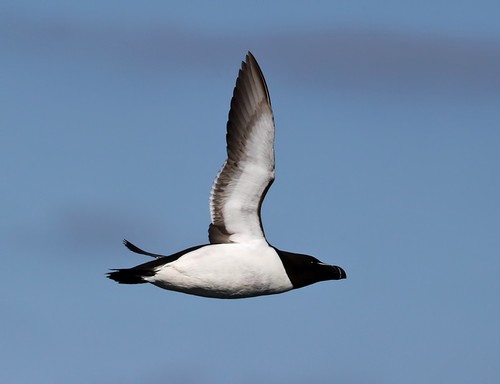
Razorbill
37-39 cm (15-15.5 in) long, 63-68 cm wingspan
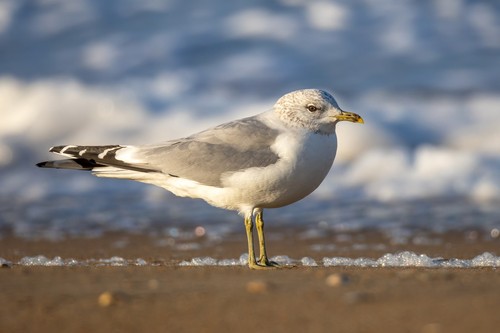
Common Gull
40-46 cm (16-18 in) long, 110-130 cm wingspan
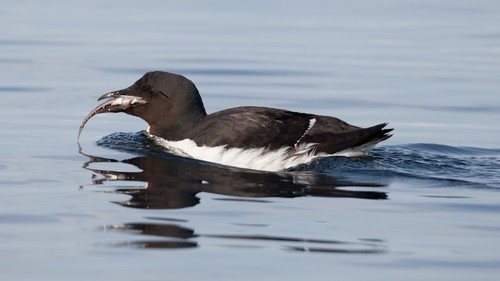
Thick-billed Murre
40-48 cm (16-19 in) long, 65-75 cm wingspan
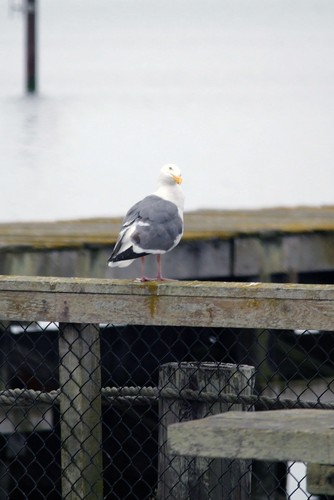
Western Gull
55-68 cm (22-27 in) long, 130-144 cm wingspan
Yellow-billed Loon
76-97 cm (30-38 in) long, 135-152 cm wingspan
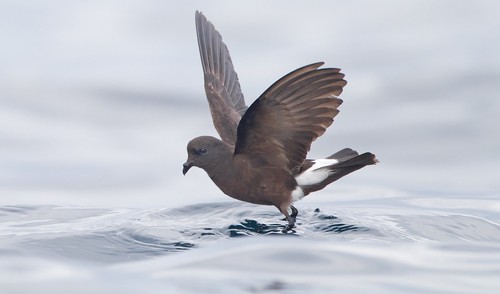
Wilson's Storm-Petrel
15-19 cm (6-7.5 in) long, wingspan 38-42 cm (15-16.5 in)
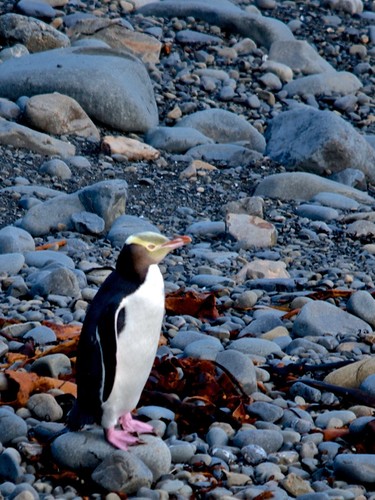
Yellow-eyed Penguin
62-79 cm (24-31 in) tall, 3-8.5 kg (6.6-18.7 lb)
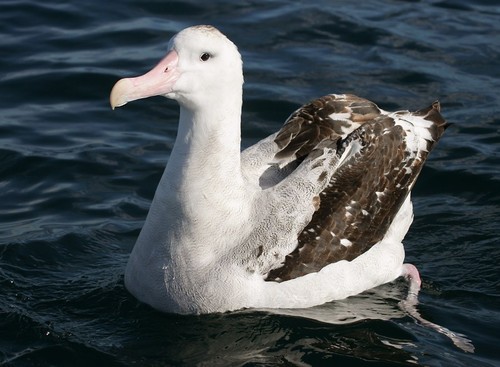
Wandering Albatross
107-135 cm (42-53 in) long, wingspan up to 3.5 m (11.5 ft)
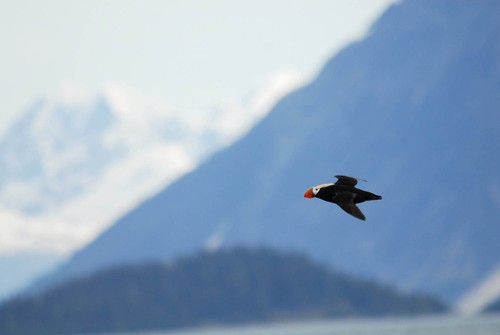
Tufted Puffin
35-41 cm (14-16 in) long, about 63-70 cm wingspan