
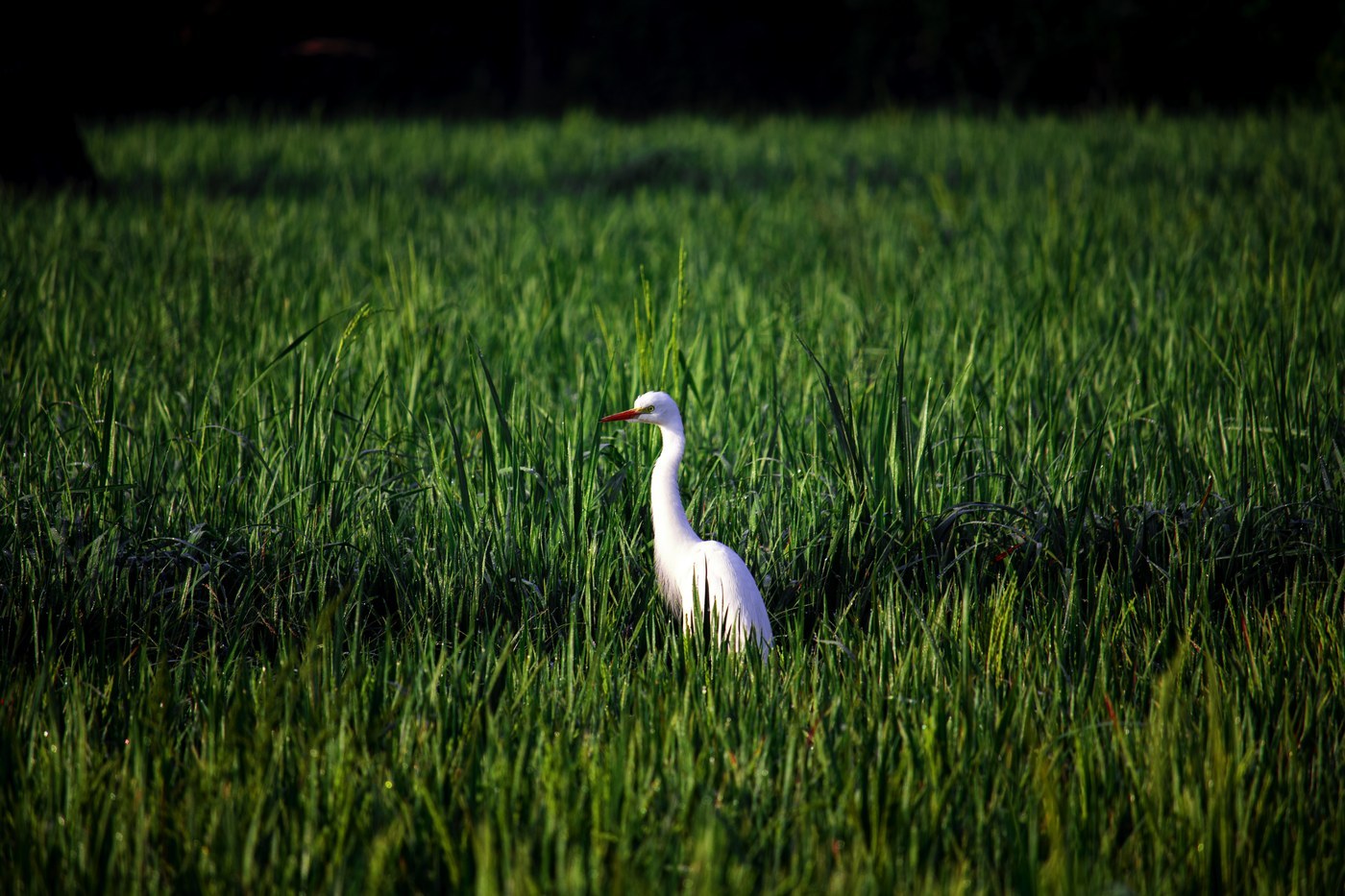
Intermediate Egret
Ardea intermedia
A medium-sized white egret of Africa, Asia, and Australia whose size and proportions fall neatly between the larger Great Egret and smaller Little Egret.
- Size
- 56-72 cm (22-28 in) long, about 105 cm wingspan
- Habitat
- freshwater wetlands, rice paddies, and marshes across Africa, Asia, and Australia
- Type
- wading-bird
Spotted a bird like this?
Identify any bird from a photo, free.
Overview
As its name suggests, the Intermediate Egret is a medium-sized, all-white heron whose size falls between the larger Great Egret and the smaller Little Egret. It has a proportionally shorter, thicker neck and a shorter bill than the Great Egret, giving it a somewhat more compact appearance in the field. The bill is yellow (becoming reddish in breeding adults), and the legs are black.
During the breeding season, adults grow long, delicate plumes on the back and breast, similar to those of other white egrets, and the bill and facial skin may flush with brighter breeding colors.
How to identify it
Key field marks
- Medium size, between Great Egret and Little Egret
- Shorter, thicker neck than the Great Egret
- Yellow bill (reddish in breeding season), not extending in a long gape line past the eye
- Black legs
Similar species
- Great Egret: larger with a longer neck and a bill gape line extending noticeably behind the eye
- Little Egret: smaller, with a black bill and yellow feet
The key distinguishing feature from the very similar Great Egret is the shorter gape line (the bare skin extending back from the bill), which in the Intermediate Egret stops roughly below the eye rather than well behind it.
Habitat & range
Range and habitat
The Intermediate Egret is found across sub-Saharan Africa, South and East Asia, and Australia, inhabiting freshwater marshes, rice paddies, flooded fields, and the margins of lakes and rivers.
Migration
Most populations are resident or make only local movements tied to water availability, though some regional populations, particularly in monsoonal parts of Asia, shift locally with seasonal flooding and drying of wetlands.
Behavior & voice
Behavior
Intermediate Egrets typically forage alone or in small loose groups, walking slowly through shallow water or flooded fields and striking at prey with a quick jab of the bill.
Voice
Calls include low, harsh croaks, mainly given at breeding colonies rather than during solitary foraging.
Feeding
They feed on small fish, insects, amphibians, and other small aquatic animals, using patient stalking in shallow water, flooded rice paddies, and wet grasslands.
Nesting and breeding
Intermediate Egrets nest colonially, often alongside other herons and egrets, building stick nests in trees or reedbeds near water; both parents share incubation of typically two to four pale blue-green eggs.
Frequently asked questions
How do you tell an Intermediate Egret from a Great Egret?
The Intermediate Egret is smaller with a shorter, thicker neck, and its bare facial skin (gape line) stops roughly below the eye, while the Great Egret's gape line extends well behind the eye.
Where is the Intermediate Egret found?
It occurs across sub-Saharan Africa, South and East Asia, and Australia, in freshwater wetlands, rice paddies, and marshes.
What does the Intermediate Egret eat?
It eats small fish, insects, amphibians, and other small aquatic animals caught by slow stalking in shallow water.
Why is it called the Intermediate Egret?
Its size and proportions are between those of the larger Great Egret and the smaller Little Egret, giving rise to its name.
Intermediate Egret guides
In-depth guides for identifying, finding, and understanding Intermediate Egret.
Other birds you may enjoy
Demoiselle Crane
85-100 cm (33-39 in) long, 155-180 cm wingspan
Boat-billed Heron
41-56 cm (16-22 in) long
Purple Heron
78-90 cm (31-35 in) long, 120-152 cm wingspan
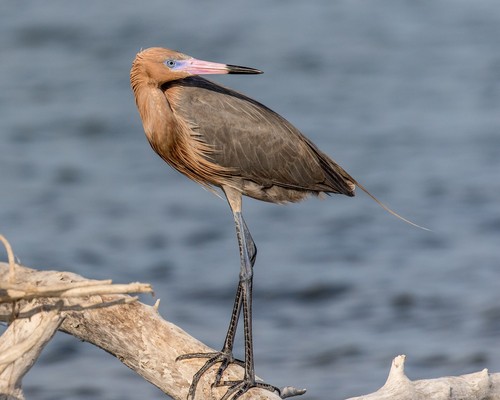
Reddish Egret
68-82 cm (27-32 in) long, 116-125 cm wingspan
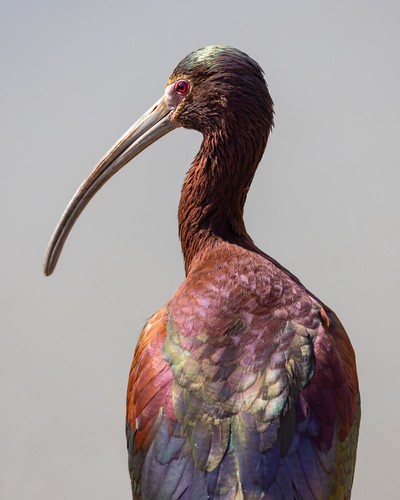
White-faced Ibis
46-56 cm (18-22 in) long, 88-93 cm wingspan
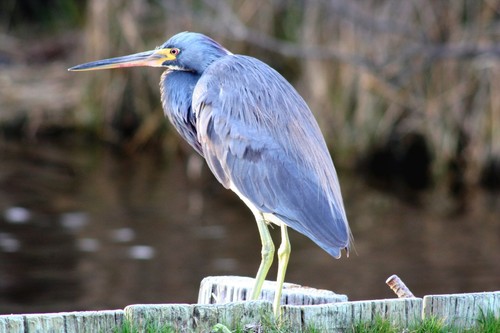
Tricolored Heron
61-76 cm (24-30 in) long, about 96 cm wingspan
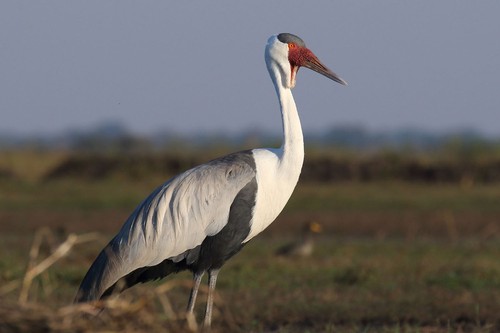
Wattled Crane
120-175 cm (47-69 in) tall, one of the tallest cranes, wingspan up to about 230 cm (7.5 ft)
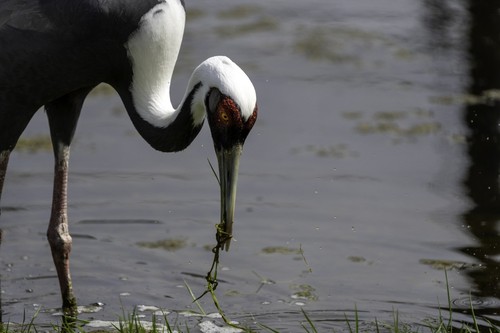
White-naped Crane
112-125 cm (44-49 in) long, 195-210 cm wingspan
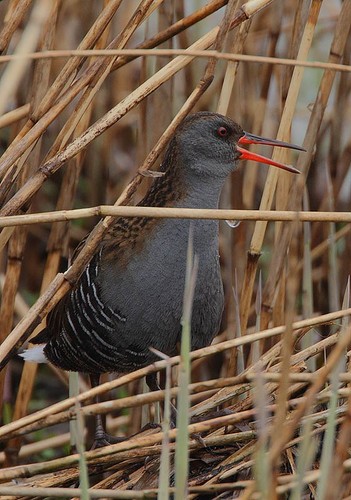
Water Rail
23-28 cm (9-11 in) long, wingspan 38-45 cm
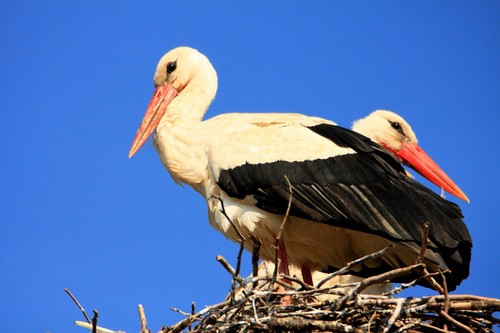
White Stork
100-125 cm (39-49 in) long, 155-215 cm wingspan
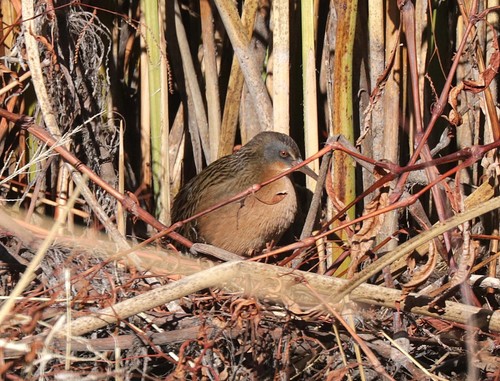
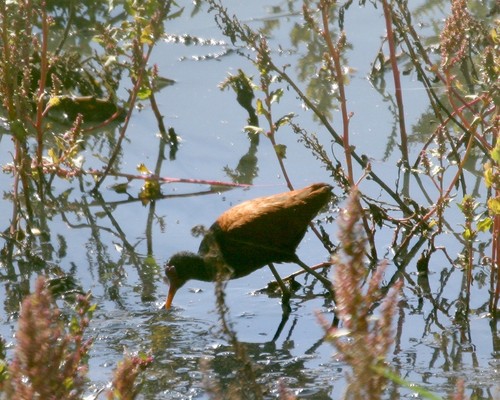
Virginia Rail
20-27 cm (8-11 in) long, wingspan 32-38 cm
Wattled Jacana
17-23 cm (7-9 in) long