
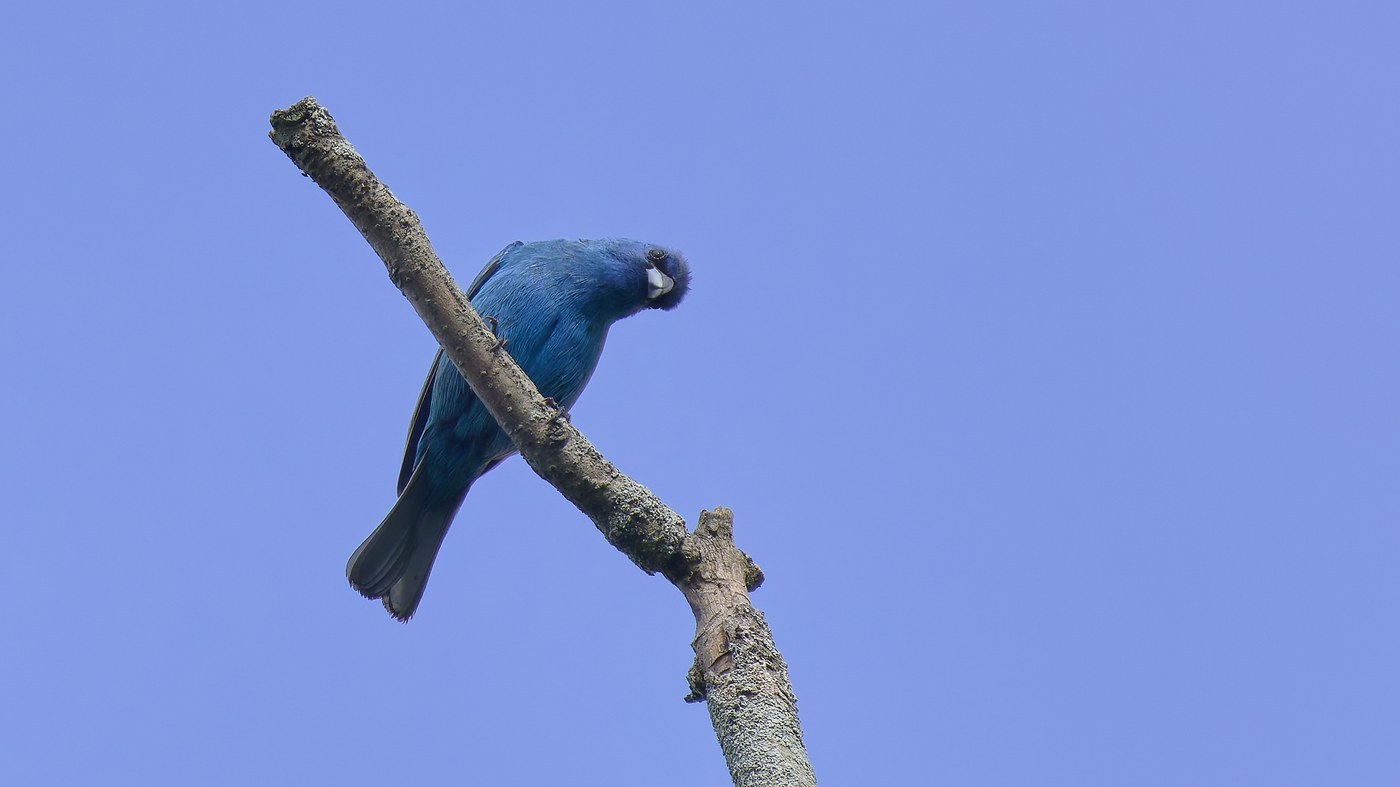
Indigo Bunting
Passerina cyanea
A small finch-like songbird whose breeding male appears brilliant all-over blue, produced entirely by feather structure rather than blue pigment.
- Size
- 12-13 cm (4.7-5.1 in) long, 20-23 cm wingspan
- Habitat
- brushy fields, forest edges, overgrown pastures, and roadsides
- Type
- songbird
Spotted a bird like this?
Identify any bird from a photo, free.
Overview
The Indigo Bunting is a small, vivid songbird whose breeding male appears an intense, uniform blue from head to tail, sometimes looking almost turquoise in bright sun or nearly black in shade. This vivid color is entirely structural, produced by light scattering off the microscopic structure of the feathers rather than by any blue pigment, meaning a molted blue feather held up to transmitted light actually appears black. Females and immature birds are a plain, warm brown overall, with faint streaking on the breast and sometimes a hint of blue on the wings or tail.
Indigo Buntings are a common summer sound of brushy field edges and roadsides across the eastern and central United States, where males sing persistently, even through the heat of midday, from exposed perches.
How to identify it
Key Field Marks
- Adult breeding male: entirely deep blue, brightest on the head, appearing turquoise or nearly black depending on light
- Non-breeding male: mottled brown-and-blue patchwork during molt
- Female/immature: plain warm brown, faint breast streaking, small conical bill
- Small, compact size with a short, thick, conical bill
Similar Species
- Blue Grosbeak is larger with a much heavier bill and rufous wingbars.
- Lazuli Bunting males have a blue head/back with an orange-buff breast and white belly, distinct from the all-blue Indigo Bunting male; the two species hybridize where ranges overlap in the Great Plains.
- Female Indigo Buntings can resemble female sparrows but have a smaller, more conical bill and lack strong head striping.
Habitat & range
Habitat
Favors brushy old fields, forest edges, overgrown pastures, power-line cuts, and roadsides with scattered shrubs and saplings.
Range
Breeds across the eastern and central United States and southeastern Canada. Winters from Mexico through Central America and the Caribbean to northern South America.
Migration
A long-distance nocturnal migrant known for using celestial cues, including the pattern of stars around the North Star, to navigate; young birds learn this star map by observing the night sky before their first migration.
Behavior & voice
Behavior
Males sing persistently through the day, even in the heat of summer afternoons when many other songbirds fall silent, often from a high, exposed perch.
Voice
The song is a bright, cheerful series of paired, warbled phrases, often described as sounding like the bird is saying each phrase twice; sweet-sweet, chew-chew, sweet-sweet. The call is a sharp, dry "spit" note.
Feeding
Feeds on seeds, berries, and insects, foraging low in vegetation and on the ground; readily visits feeders offering small seeds like nyjer.
Nesting & Breeding
The female builds a compact cup nest low in a shrub or dense grass, usually within a meter or two of the ground. She incubates 3-4 eggs alone, and the species is a frequent Brown-headed Cowbird host.
Frequently asked questions
Is the blue color of an Indigo Bunting from pigment?
No, the vivid blue is a structural color produced by the microscopic structure of the feathers scattering light, not by blue pigment; a molted feather appears black when light passes through it instead of reflecting off it.
How do Indigo Buntings navigate during migration?
They are known to use celestial navigation, learning the rotational pattern of stars around the North Star as young birds and using that star map to orient themselves during nighttime migratory flights.
Why does the male Indigo Bunting look black in some light?
Because its blue color depends on light scattering rather than pigment, the feathers can appear anywhere from bright turquoise-blue in direct sun to nearly black in shade or backlit conditions.
What does a female Indigo Bunting look like?
Females are a plain warm brown overall with faint breast streaking, lacking the male's brilliant blue coloring, which helps them stay camouflaged while nesting.
How is the Indigo Bunting different from the Lazuli Bunting?
Indigo Bunting males are uniformly blue overall, while Lazuli Bunting males have a blue head and back with an orange-buff breast band and white belly; the two hybridize where their ranges meet.
Indigo Bunting guides
In-depth guides for identifying, finding, and understanding Indigo Bunting.
Other birds you may enjoy
Black Redstart
13-14.5 cm (5.1-5.7 in) long, 23-26 cm wingspan
Black-throated Sparrow
12-14 cm (4.7-5.5 in) long, about 19-20 cm (7.5-8 in) wingspan
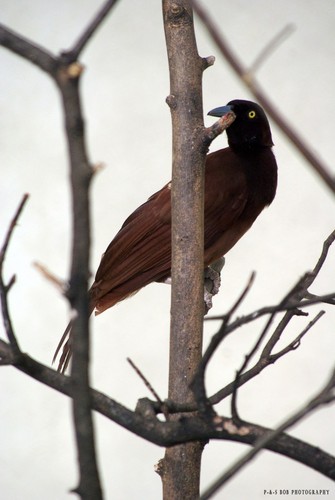
Greater Bird-of-paradise
Body about 43 cm; males with additional flank plumes up to 50 cm and long tail wires
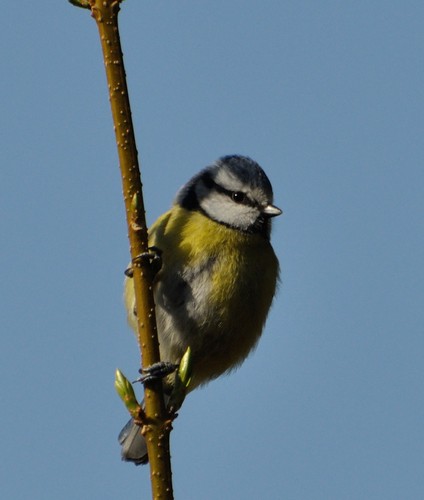
Blue Tit
11-12 cm (4.3-4.7 in) long, 17-20 cm wingspan

Red-billed Quelea
11.5–13 cm long, wingspan about 20–22 cm
White-plumed Antbird
13-14 cm (5-5.5 in) long
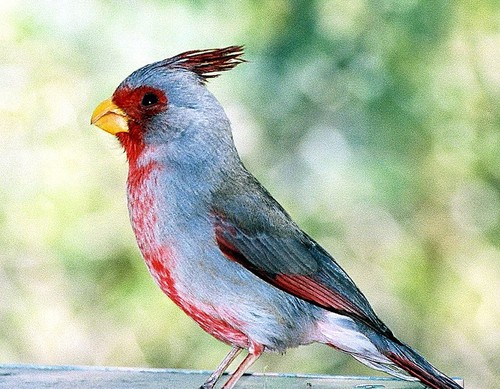
Pyrrhuloxia
19-22 cm (7.5-8.7 in) long, 30 cm wingspan
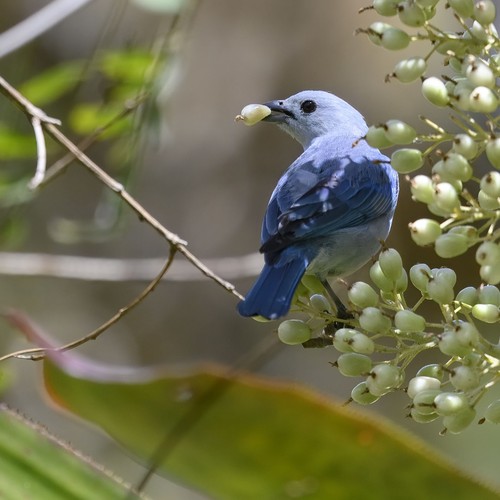
Blue-gray Tanager
16-18 cm (6-7 in) long
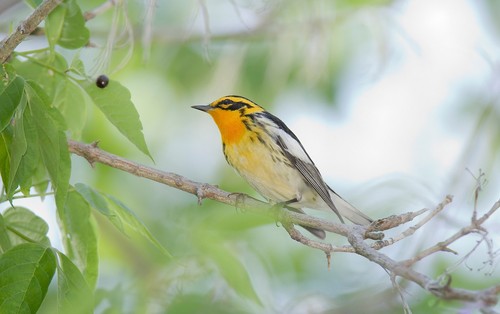
Blackburnian Warbler
11-13 cm (4.3-5.1 in) long, 20-22 cm wingspan
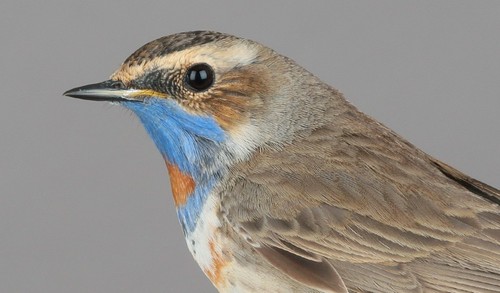
Bluethroat
13-14 cm (5.1-5.5 in) long, 20-22 cm wingspan
Eurasian Nuthatch
12-14.5 cm (4.7-5.7 in) long, 22.5-27 cm wingspan
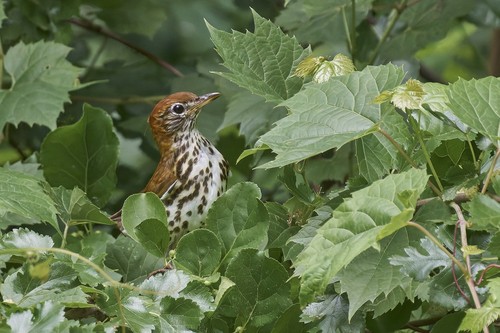
Wood Thrush
19-21 cm (7.5-8.3 in) long, about 33 cm (13 in) wingspan