
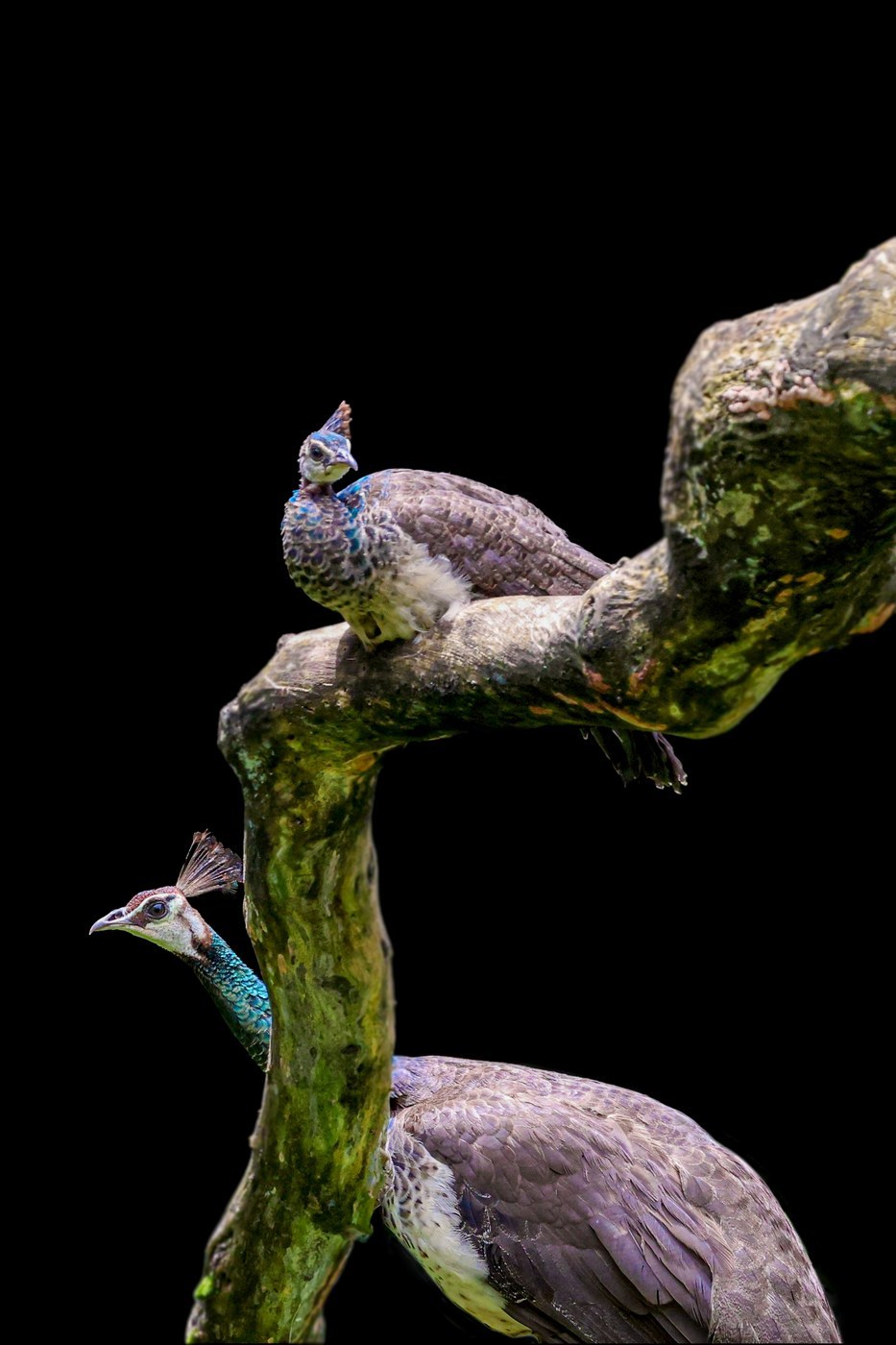
Indian Peafowl
Pavo cristatus
The magnificent national bird of India, famous for the male's iridescent blue plumage and enormous fan of eye-spotted train feathers.
- Size
- male (peacock) up to 195-225 cm (77-89 in) including train; female (peahen) 86-100 cm (34-39 in)
- Habitat
- open forest, scrub, farmland, and villages across the Indian subcontinent
- Type
- gamebird
Spotted a bird like this?
Identify any bird from a photo, free.
Overview
The Indian Peafowl is one of the most iconic and instantly recognizable birds in the world. The male, popularly called a peacock, has a glossy, iridescent blue neck and breast, a fan-shaped crest of feathers atop the head, and an extraordinarily long train of upper tail-covert feathers marked with shimmering eye-shaped (ocellated) spots, which he raises and fans into a spectacular display during courtship.
The female, or peahen, is far less flashy, with a mixture of brown, grey, and white plumage, a greenish neck, and no train, providing effective camouflage while she incubates eggs on the ground. Indian Peafowl are the national bird of India and hold deep cultural and religious significance across South Asia.
How to identify it
Key field marks
- Male: iridescent blue neck and breast, fan-shaped head crest, immense train of eye-spotted feathers (raised in display)
- Female: duller brown-grey body with a green-glossed neck, shorter tail, no train
- Loud, far-carrying calls, especially before monsoon rains
- Large size and unmistakable shape, especially when the male's train is fanned
Similar species
No other bird in its range is easily confused with an adult male Indian Peafowl. Female and immature birds could superficially suggest a large pheasant or fowl, but the greenish neck sheen and overall shape are distinctive. The Green Peafowl of Southeast Asia has a more uniformly scaled green body and differently shaped crest but does not overlap significantly with the Indian species' core range.
Habitat & range
Indian Peafowl are native to the Indian subcontinent, found throughout India, Sri Lanka, Nepal, Bangladesh, and Pakistan, and have been introduced to many countries worldwide as ornamental birds. In their native range they favor open deciduous forest, scrub, farmland edges, and areas near villages and temples, often close to water.
They are non-migratory and typically remain within a home range year-round, roosting communally in trees at night for safety from ground predators.
Behavior & voice
Voice
The far-carrying call is a loud, harsh "may-awe" or "ka-han" often given repeatedly, especially at dawn, dusk, and before rain; peafowl are also vocal in alarm, alerting other wildlife to the presence of predators such as tigers and leopards.
Feeding
They forage on the ground in small groups, eating a varied omnivorous diet of seeds, grain, berries, flower petals, insects, and occasionally small snakes, lizards, or amphibians.
Nesting and breeding
Males gather at display grounds (leks) during the breeding season, fanning and vibrating their trains to attract females; a male typically mates with multiple females. The peahen builds a simple ground scrape nest, usually hidden in dense vegetation, and lays and incubates the eggs alone, later leading the precocial chicks to food.
Frequently asked questions
What is the difference between a peacock and a peahen?
"Peacock" refers to the male, with his iridescent blue plumage and long ornamental train; "peahen" is the female, which is duller brown-grey and lacks the train.
Why do peacocks fan their tails?
Males raise and vibrate their train of eye-spotted feathers during courtship displays to attract females and signal their fitness.
Is the peacock's train actually its tail?
No, the showy train consists of elongated upper tail-covert feathers; the true tail feathers are shorter and hidden beneath, acting as a support structure.
Is the Indian Peafowl the national bird of India?
Yes, it was declared India's national bird in 1963 due to its cultural significance and striking beauty.
What do Indian Peafowl eat?
An omnivorous diet of seeds, grain, berries, flower petals, insects, and occasionally small reptiles or amphibians.
Indian Peafowl guides
In-depth guides for identifying, finding, and understanding Indian Peafowl.
Other birds you may enjoy
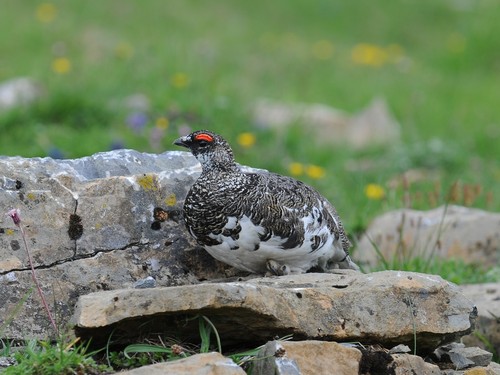
Rock Ptarmigan
34-36 cm (13-14 in) long
Congo Peafowl
Males about 64-70 cm long; females slightly smaller; no elaborate train
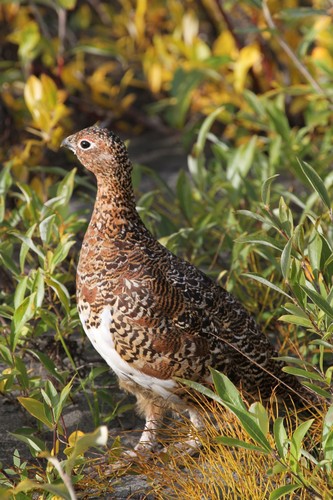
Willow Ptarmigan
37-42 cm (15-16.5 in) long
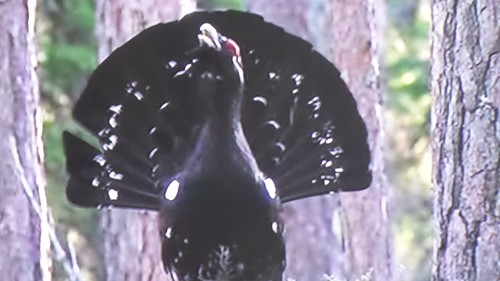
Western Capercaillie
male 74-90 cm (29-35 in), female 54-64 cm; male wingspan up to 125-130 cm
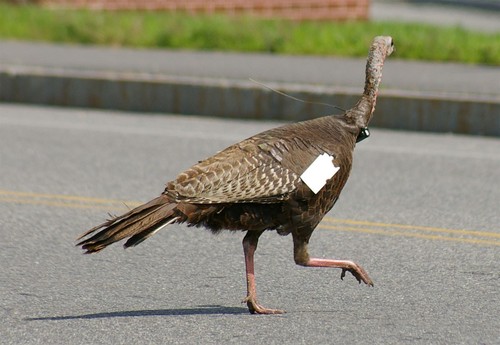
Wild Turkey
males 100-125 cm (39-49 in) long; females smaller, around 76-95 cm (30-37 in)
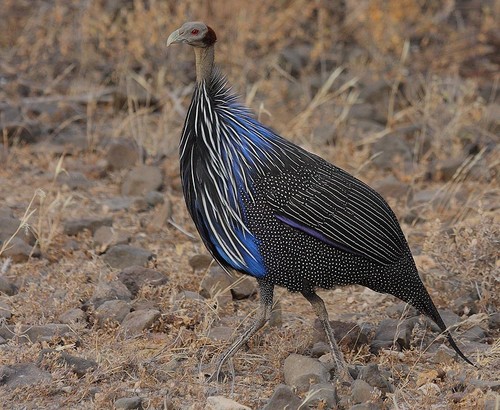
Vulturine Guineafowl
Length 61-71 cm, the largest guineafowl species, with a notably long neck and tail
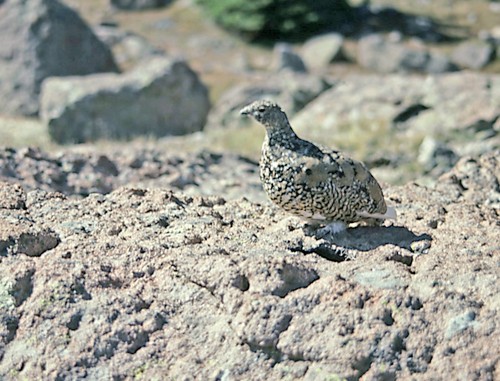
White-tailed Ptarmigan
30-33 cm (12-13 in) long; the smallest ptarmigan species
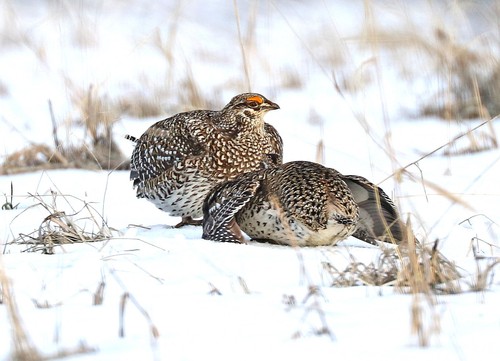
Sharp-tailed Grouse
38-48 cm (15-19 in) long
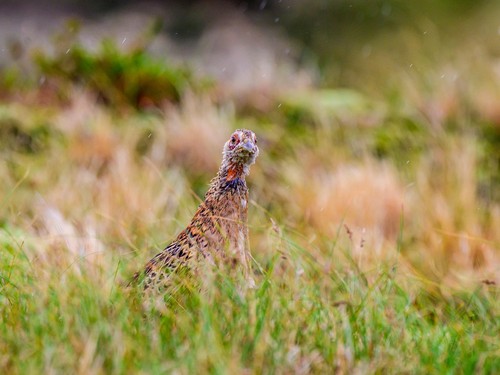
Ring-necked Pheasant
males 76-90 cm (30-35 in) long including a long tail; females smaller, 55-65 cm (22-26 in)
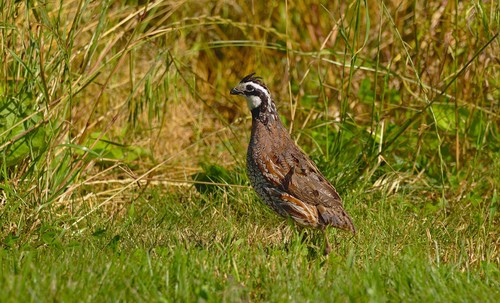
Northern Bobwhite
24-28 cm (9.5-11 in) long, 33-38 cm wingspan
Red-legged Partridge
32-34 cm (13 in) long, 47-50 cm wingspan
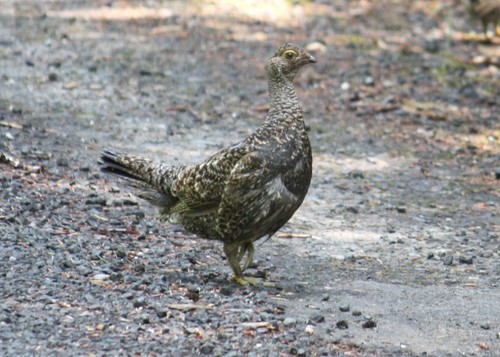
Sooty Grouse
43-48 cm (17-19 in) long; males larger than females