
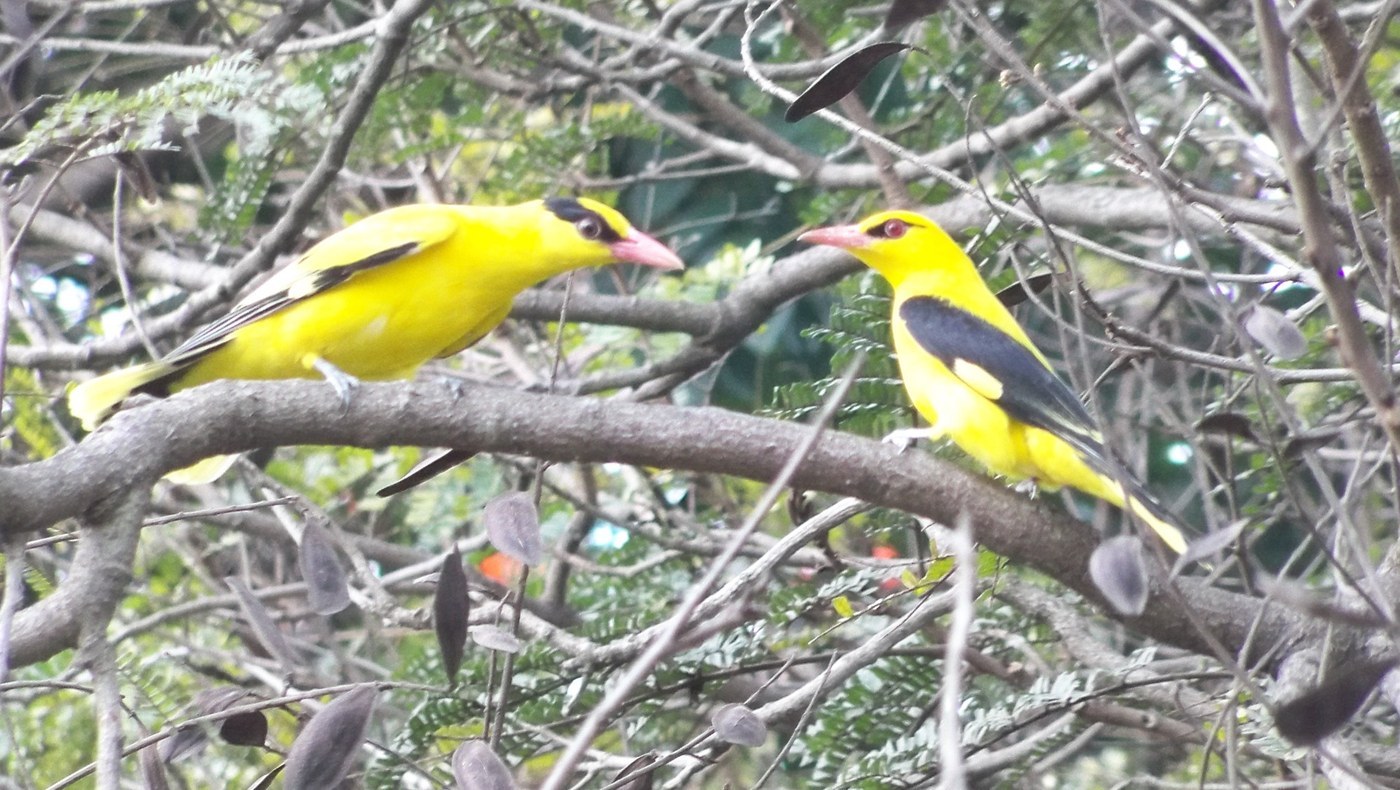
Indian Golden Oriole
Oriolus kundoo
A brilliant golden-yellow oriole with black wings and a black eye-stripe, closely related to the Eurasian Golden Oriole.
- Size
- 20-25 cm (8-10 in) long
- Habitat
- open woodland, groves, gardens, and cultivated land across the Indian subcontinent
- Type
- songbird
Spotted a bird like this?
Identify any bird from a photo, free.
Overview
The Indian Golden Oriole is a vividly colored songbird, closely related to (and formerly considered the same species as) the Eurasian Golden Oriole of Europe and western Asia. The adult male is a rich golden-yellow overall, with contrasting black wings and a bold black stripe running through the eye that does not extend around the back of the head as a full hood.
Females and immature birds are duller, showing a more olive-yellow or greenish-yellow tone above with faint dusky streaking on the underparts, making them noticeably less striking than the bright males. The species breeds in the northern parts of its range and migrates south for the winter.
How to identify it
Key field marks
- Male: bright golden-yellow body, black wings, black eye-stripe not forming a full hood
- Female/immature: duller olive-yellow above, streaked greyish-white below
- Stout, slightly downcurved pinkish bill
- Fast, slightly undulating flight between trees
Similar species
The Black-hooded Oriole shows a complete solid black hood over the entire head and throat, rather than just an eye-stripe, and lacks the olive streaking of female Golden Orioles. The Eurasian Golden Oriole is very similar and the two are sometimes still treated as a single species by some authorities.
Habitat & range
The Indian Golden Oriole breeds across much of the Indian subcontinent and parts of Central Asia, migrating to winter in India and parts of Africa in some populations. It occupies open woodland, groves, gardens, and cultivated land with large shade trees, generally favoring areas with good canopy cover interspersed with open ground.
Migratory populations pass through in spring and autumn, while some birds also breed locally within India.
Behavior & voice
Voice
A rich, fluty, whistled song, often rendered as a liquid "wee-la-wee-o," along with a harsher, cat-like scolding call when alarmed.
Feeding
Indian Golden Orioles feed on insects, fruit, and berries, foraging actively in tree canopy, often remaining well hidden despite their bright coloring thanks to dappled light and foliage.
Nesting and breeding
The nest is a neat, deep cup slung hammock-style in a horizontal fork high in a tree, woven from grass, bark strips, and plant fiber. Both parents help feed the chicks, and pairs can be quite secretive around the nest despite the male's bright plumage.
Frequently asked questions
Is the Indian Golden Oriole the same as the Eurasian Golden Oriole?
They are closely related and were once considered the same species; the Indian Golden Oriole is now often treated as a separate species, differing subtly in voice and plumage tone.
How do you tell an Indian Golden Oriole from a Black-hooded Oriole?
The Indian Golden Oriole shows only a black stripe through the eye, while the Black-hooded Oriole has a full solid black hood covering the entire head and throat.
Why is the male Indian Golden Oriole so much brighter than the female?
Males use bright golden-yellow plumage in part for display and mate attraction, while duller olive females benefit from more effective camouflage while nesting.
What does the Indian Golden Oriole eat?
Mainly insects, fruit, and berries, gathered while foraging in tree canopy.
Indian Golden Oriole guides
In-depth guides for identifying, finding, and understanding Indian Golden Oriole.
Other birds you may enjoy
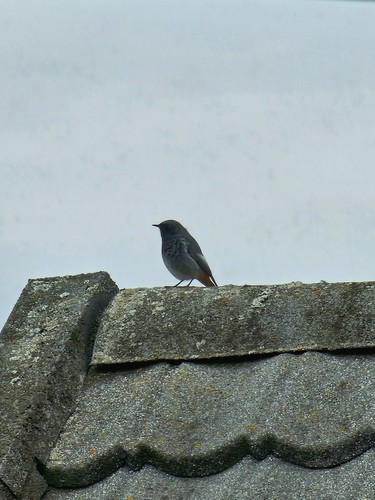
Black Redstart
13-14.5 cm (5.1-5.7 in) long, 23-26 cm wingspan
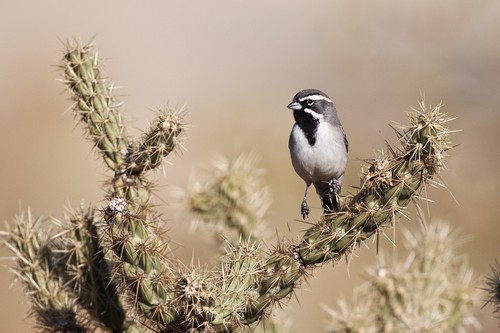
Black-throated Sparrow
12-14 cm (4.7-5.5 in) long, about 19-20 cm (7.5-8 in) wingspan
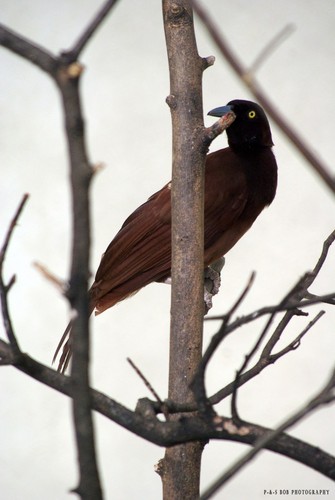
Greater Bird-of-paradise
Body about 43 cm; males with additional flank plumes up to 50 cm and long tail wires
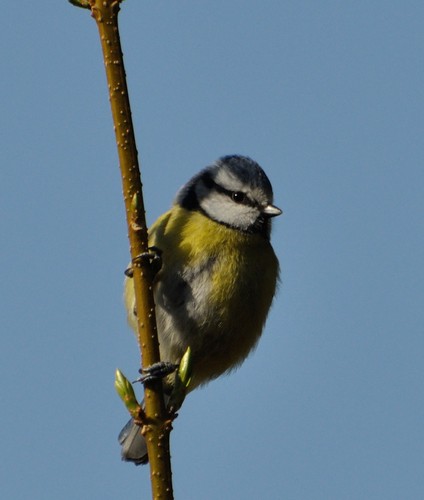
Blue Tit
11-12 cm (4.3-4.7 in) long, 17-20 cm wingspan
Red-billed Quelea
11.5–13 cm long, wingspan about 20–22 cm
White-plumed Antbird
13-14 cm (5-5.5 in) long
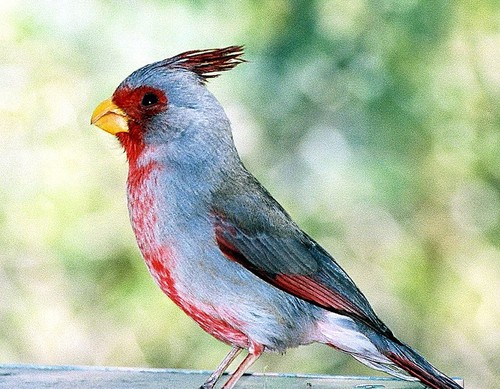
Pyrrhuloxia
19-22 cm (7.5-8.7 in) long, 30 cm wingspan
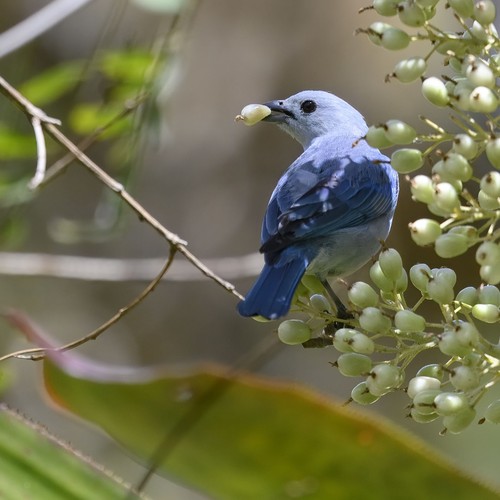
Blue-gray Tanager
16-18 cm (6-7 in) long
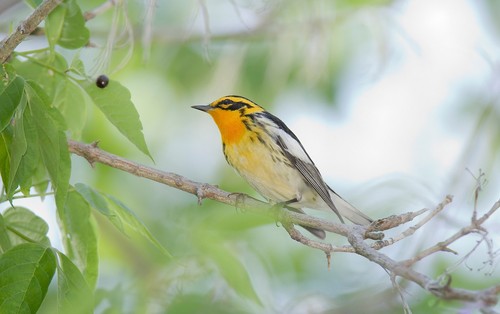
Blackburnian Warbler
11-13 cm (4.3-5.1 in) long, 20-22 cm wingspan
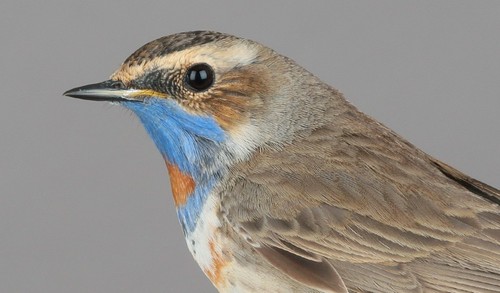
Bluethroat
13-14 cm (5.1-5.5 in) long, 20-22 cm wingspan
Eurasian Nuthatch
12-14.5 cm (4.7-5.7 in) long, 22.5-27 cm wingspan
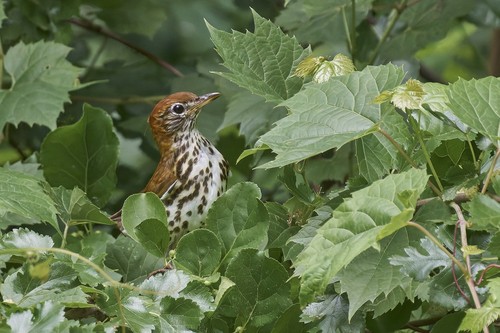
Wood Thrush
19-21 cm (7.5-8.3 in) long, about 33 cm (13 in) wingspan