
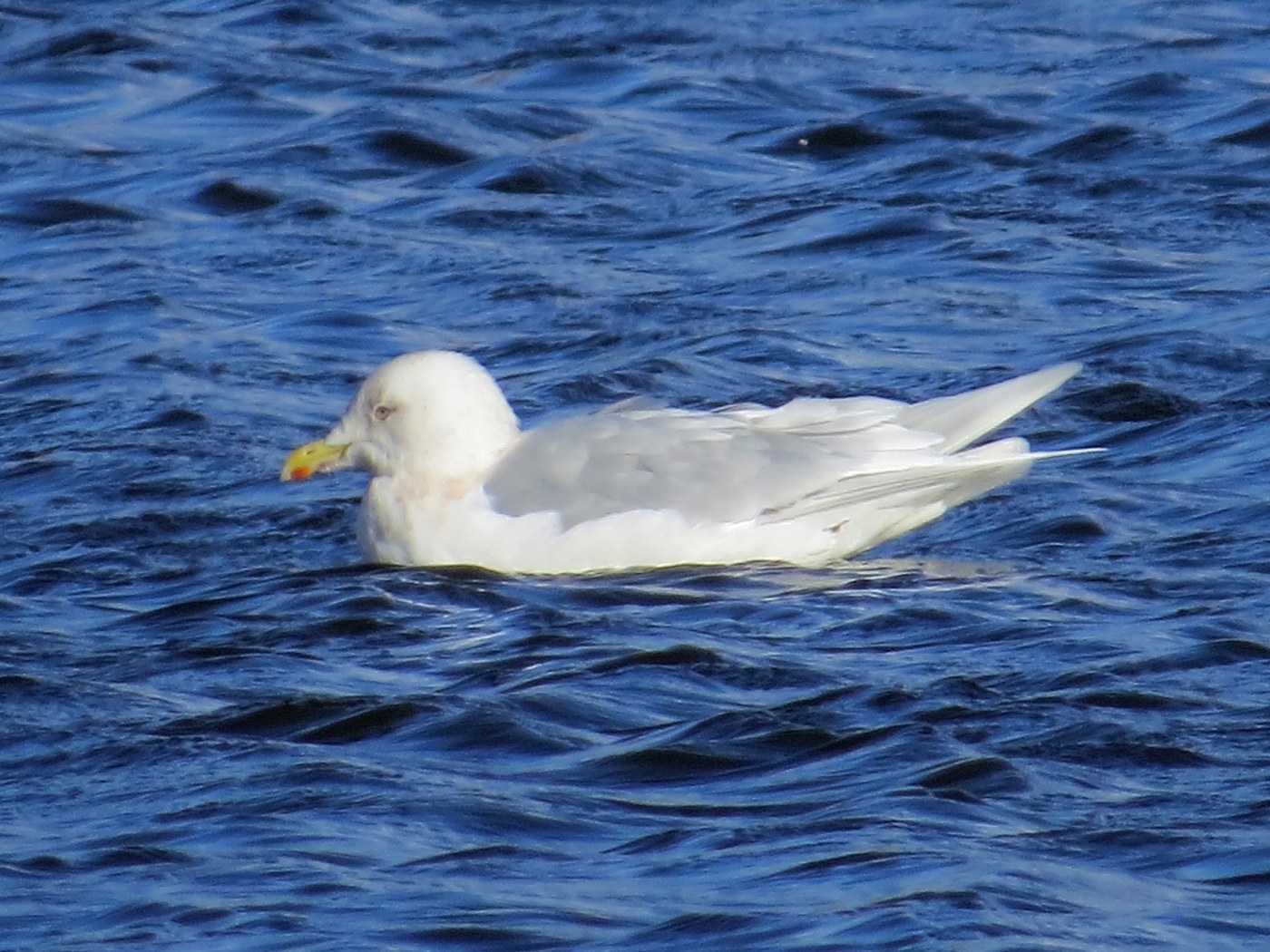
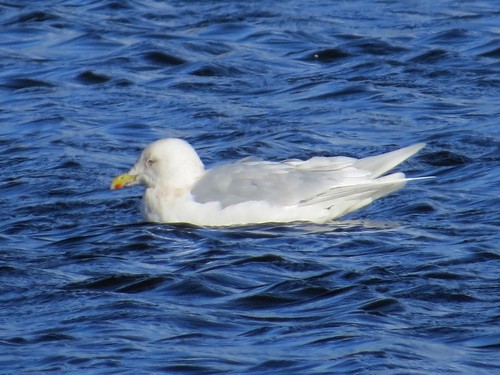
Iceland Gull
Larus glaucoides
A pale, gentle-looking Arctic gull, smaller and more delicate than the similar Glaucous Gull, that winters along the North Atlantic coast and Great Lakes.
- Size
- 52-60 cm (20-24 in) long, 130-140 cm wingspan
- Habitat
- Arctic cliffs for breeding; North Atlantic coasts and large lakes in winter
- Type
- seabird
Spotted a bird like this?
Identify any bird from a photo, free.
Overview
The Iceland Gull is a medium-large, pale gull with a soft, rounded head and gentle expression that breeds in the Canadian and Greenland Arctic despite its misleading name (it does not breed in Iceland, though it can be seen there in winter). Adults have a pale gray mantle and, like the larger Glaucous Gull, white wingtips lacking obvious black.
Compared to the Glaucous Gull, the Iceland Gull is noticeably smaller and slighter, with a smaller, more delicate bill and a rounder head that give it a softer, more dove-like appearance. Legs are pink and the bill is yellow with a red spot in adults.
A well-known subspecies group, often called "Kumlien's Gull," shows variable pale gray markings in the wingtips rather than pure white, and represents a zone of intergradation with the closely related Thayer's Gull.
How to identify it
Key field marks
- Pale gray mantle with white (or pale gray, in Kumlien's) wingtips
- Rounded head and gentle, dark-eyed expression
- Smaller, more delicate bill than Glaucous Gull
- Pink legs
- Overall smaller, slimmer build than Glaucous Gull
Similar species
- Glaucous Gull: larger and bulkier, with a proportionately larger, heavier bill and a fiercer expression.
- Herring Gull: shows obvious black wingtips, unlike the pale wingtips of Iceland Gull.
- Thayer's Gull (now often treated as part of a complex with Iceland Gull): shows more extensive dark markings in the wingtips.
Habitat & range
Habitat
Breeds on remote Arctic sea cliffs and rocky coastlines. In winter it favors North Atlantic coastal waters, harbors, and increasingly the Great Lakes and other large inland waterbodies.
Range and migration
Breeds in Arctic Canada and Greenland; winters along the North Atlantic coast from Atlantic Canada and New England to parts of northwestern Europe, with regular but scarce occurrences on the Great Lakes.
Behavior & voice
Behavior
Often seen loafing among flocks of larger gulls at harbors, landfills, and fishing piers, Iceland Gulls are somewhat less aggressive and dominant than the bulkier Glaucous Gull.
Voice
Calls are similar to other large gulls but generally higher-pitched and less harsh than those of the Glaucous or Herring Gull.
Feeding
Feeds on fish, marine invertebrates, carrion, and offal, often scavenging around fishing operations and harbors in winter.
Nesting and breeding
Nests on ledges of Arctic sea cliffs, usually in small, loose colonies. Clutches typically contain two to three eggs, incubated by both parents.
Frequently asked questions
Does the Iceland Gull actually breed in Iceland?
No, despite its name it breeds in the Canadian Arctic and Greenland; it is only a winter visitor to Iceland.
How do you tell Iceland Gull from Glaucous Gull?
Iceland Gull is smaller and more delicate with a smaller bill and rounder head, while Glaucous Gull is notably larger and bulkier with a heavier bill.
What is a Kumlien's Gull?
A subspecies group of the Iceland Gull that shows variable pale gray markings in the wingtips rather than pure white, representing intergradation with Thayer's Gull.
Where can you see Iceland Gulls in winter?
Along North Atlantic coasts including Atlantic Canada and New England, and increasingly around the Great Lakes.
Iceland Gull guides
In-depth guides for identifying, finding, and understanding Iceland Gull.
Other birds you may enjoy
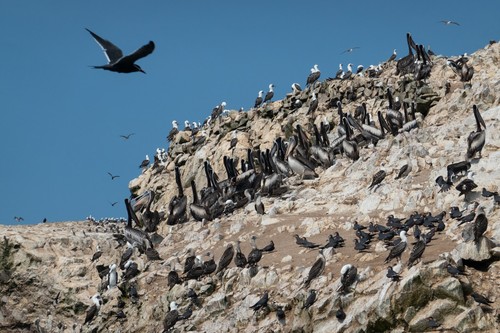
Peruvian Pelican
137-152 cm (54-60 in) long, up to 228 cm wingspan
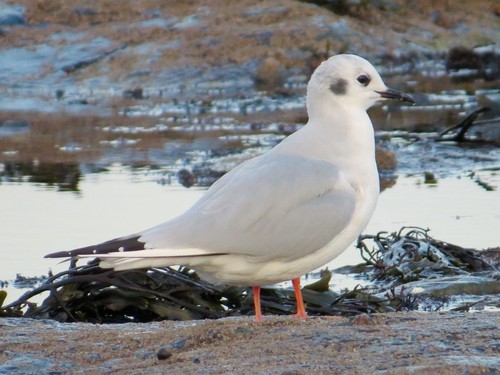
Bonaparte's Gull
28-33 cm (11-13 in) long, 76-84 cm wingspan
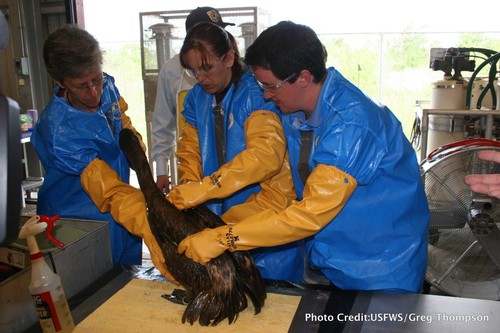
Brown Pelican
106-137 cm (42-54 in) long, 200-230 cm wingspan
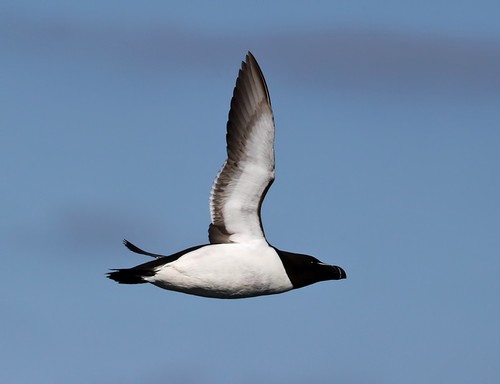
Razorbill
37-39 cm (15-15.5 in) long, 63-68 cm wingspan
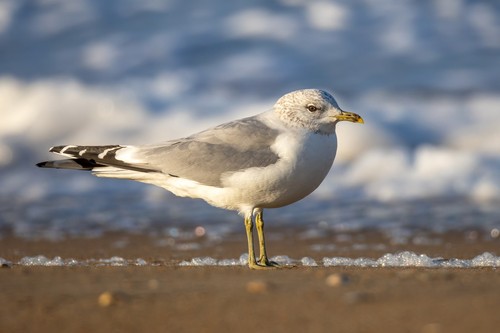
Common Gull
40-46 cm (16-18 in) long, 110-130 cm wingspan
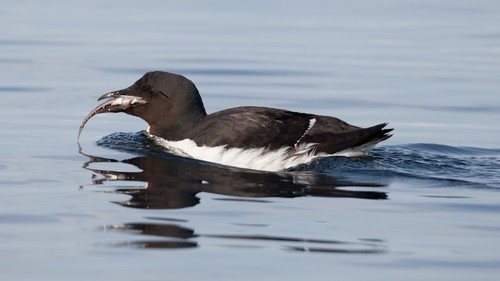
Thick-billed Murre
40-48 cm (16-19 in) long, 65-75 cm wingspan
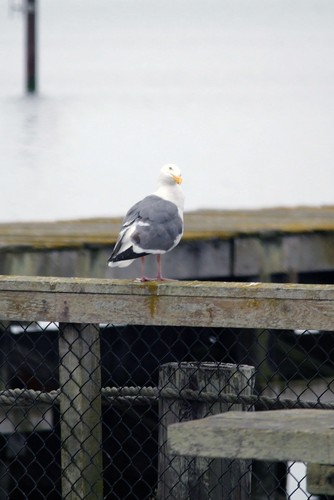
Western Gull
55-68 cm (22-27 in) long, 130-144 cm wingspan
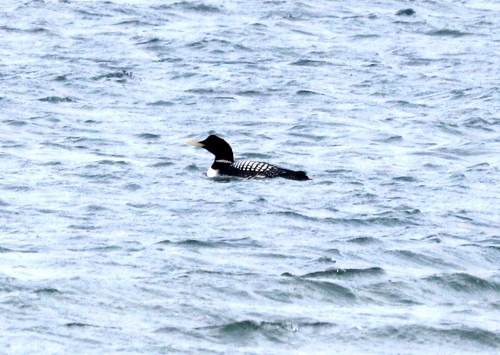
Yellow-billed Loon
76-97 cm (30-38 in) long, 135-152 cm wingspan
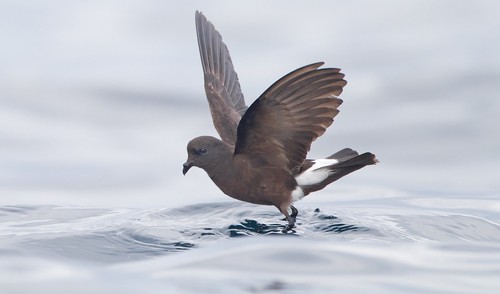
Wilson's Storm-Petrel
15-19 cm (6-7.5 in) long, wingspan 38-42 cm (15-16.5 in)
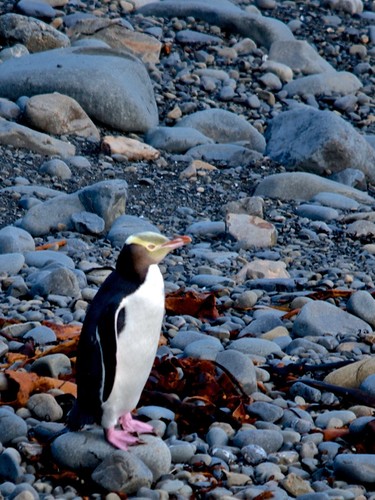
Yellow-eyed Penguin
62-79 cm (24-31 in) tall, 3-8.5 kg (6.6-18.7 lb)
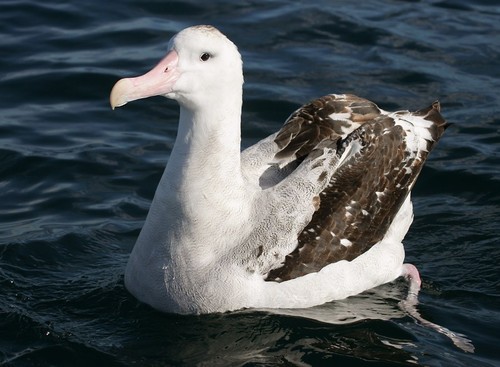
Wandering Albatross
107-135 cm (42-53 in) long, wingspan up to 3.5 m (11.5 ft)
Tufted Puffin
35-41 cm (14-16 in) long, about 63-70 cm wingspan