
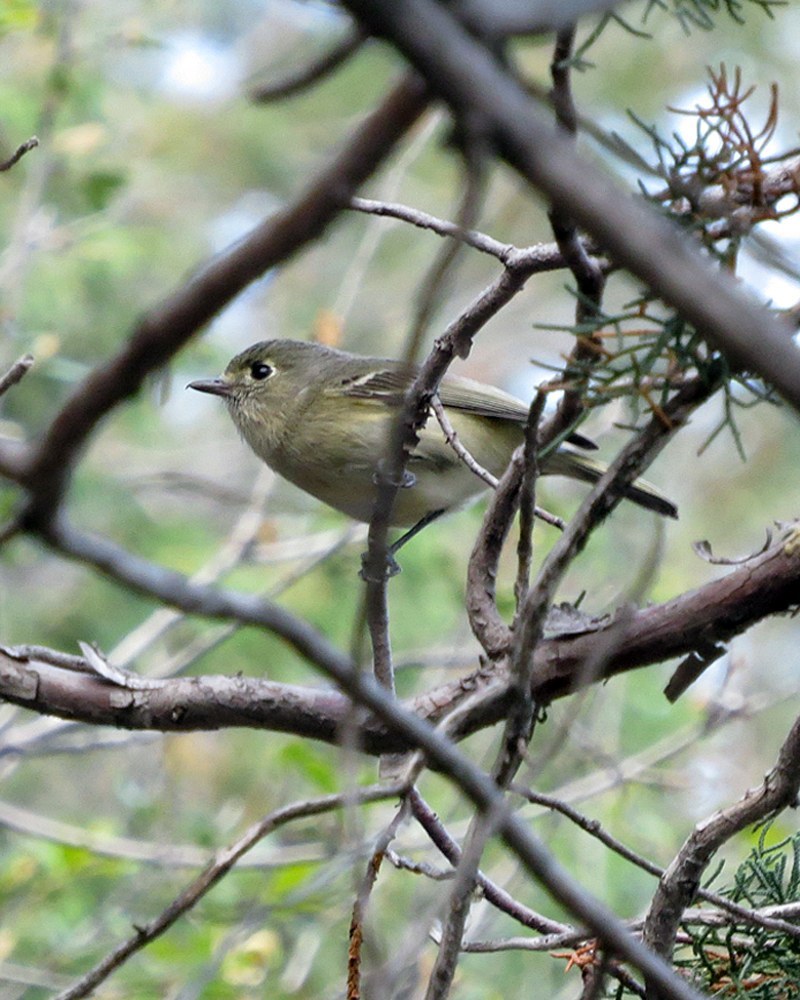
Hutton's Vireo
Vireo huttoni
A plain, year-round resident vireo of western oak woodlands, easily confused with the Ruby-crowned Kinglet, with a broken white eye-ring and two wing bars.
- Size
- 11-13 cm (4.5-5 in) long, 19-21 cm wingspan
- Habitat
- evergreen oak and mixed woodlands along the Pacific coast and in the Mexican highlands
- Type
- songbird
Spotted a bird like this?
Identify any bird from a photo, free.
Overview
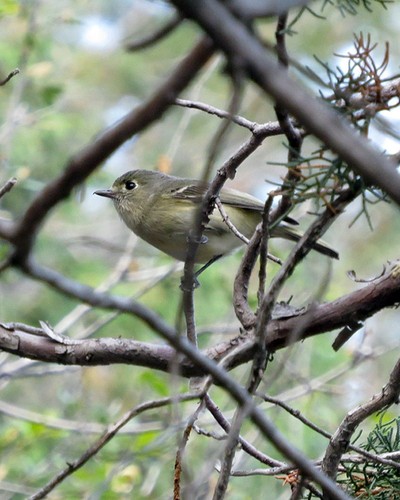
Hutton's Vireo is a small, plain, olive-gray bird notable mainly for how closely it resembles the unrelated Ruby-crowned Kinglet—a case of convergent evolution that regularly confounds birders. It has a bold, broken white eye-ring that gives it a somewhat surprised, spectacled expression, along with two white wing bars on otherwise plain olive-gray wings.
Unlike most vireos, it is a non-migratory resident, staying in its evergreen oak and mixed-woodland habitat year-round along the Pacific coast and in the highlands of Mexico and Central America.
How to identify it
Key field marks
- Bold, broken white eye-ring (spectacled look)
- Two white wing bars
- Plain olive-gray overall, stockier build than a kinglet
Similar species
- Ruby-crowned Kinglet: thinner bill, constantly flicks its wings, more active and nervous foraging behavior, different (higher, chattery) call; male has a hidden red crown patch.
- Cassin's Vireo: larger, with a more contrasty head and cleaner white underparts.
Habitat & range
Range and habitat
Hutton's Vireo is a permanent resident of evergreen oak woodlands, mixed oak-conifer forest, and coastal scrub along the Pacific coast from British Columbia to California, with additional resident populations in the highlands of Mexico and Central America.
Migration
Non-migratory; pairs typically hold territory year-round.
Behavior & voice
Behavior
Forages in a slower, more deliberate manner than the similar Ruby-crowned Kinglet, gleaning insects from leaves and twigs in the mid-canopy of oaks and conifers.
Voice
A repeated, monotonous "zu-wee, zu-wee" or "chee-dee, chee-dee" call, quite different from the kinglet's thin chattering notes.
Feeding
Mostly small insects and spiders gleaned from foliage; occasionally hover-gleans.
Nesting and breeding
Builds a hanging cup nest in a fork of a branch, often in an oak or conifer. The female incubates 3-4 eggs for about 2 weeks; pairs may remain together on the same territory across years.
Frequently asked questions
How do you tell Hutton's Vireo from a Ruby-crowned Kinglet?
Hutton's Vireo has a heavier bill, forages more slowly and deliberately, and gives a repeated 'zu-wee' call, while the kinglet has a thinner bill, constantly flicks its wings, and gives thin chattering notes.
Is Hutton's Vireo migratory?
No, it is a non-migratory year-round resident throughout its range.
Where does Hutton's Vireo live?
In evergreen oak and mixed woodlands along the Pacific coast from British Columbia to California, and in highland forests of Mexico and Central America.
What does Hutton's Vireo eat?
Small insects and spiders gleaned from foliage in oak and conifer canopies.
Hutton's Vireo guides
In-depth guides for identifying, finding, and understanding Hutton's Vireo.
Other birds you may enjoy
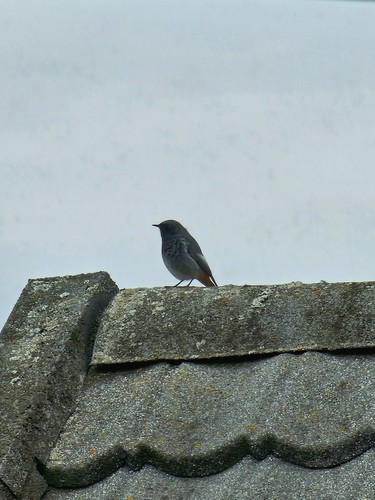
Black Redstart
13-14.5 cm (5.1-5.7 in) long, 23-26 cm wingspan
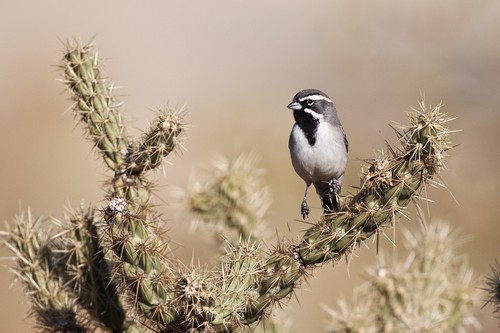
Black-throated Sparrow
12-14 cm (4.7-5.5 in) long, about 19-20 cm (7.5-8 in) wingspan
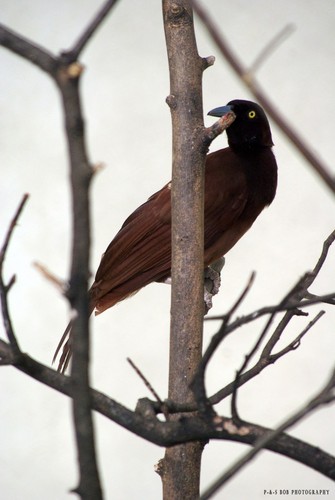
Greater Bird-of-paradise
Body about 43 cm; males with additional flank plumes up to 50 cm and long tail wires
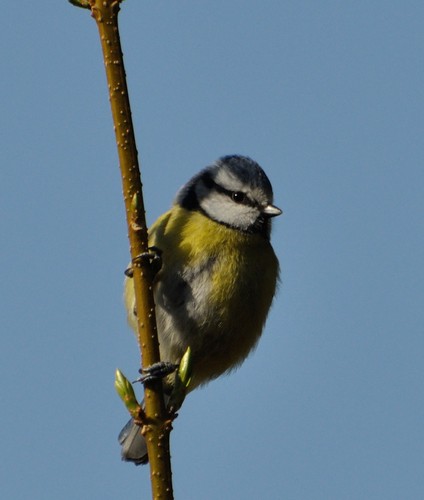
Blue Tit
11-12 cm (4.3-4.7 in) long, 17-20 cm wingspan

Red-billed Quelea
11.5–13 cm long, wingspan about 20–22 cm
White-plumed Antbird
13-14 cm (5-5.5 in) long
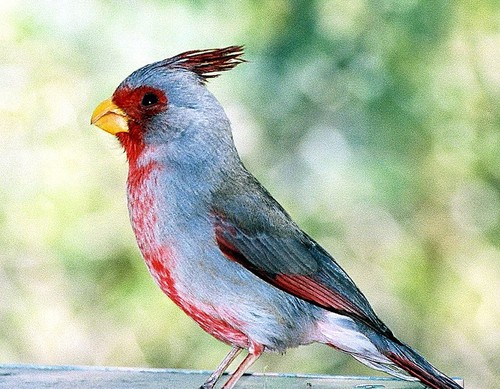
Pyrrhuloxia
19-22 cm (7.5-8.7 in) long, 30 cm wingspan
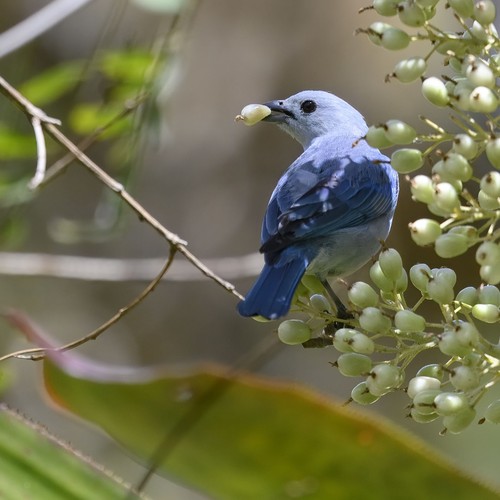
Blue-gray Tanager
16-18 cm (6-7 in) long
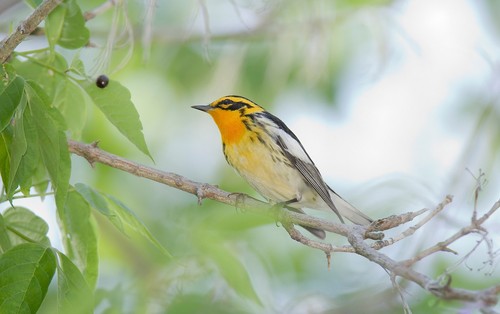
Blackburnian Warbler
11-13 cm (4.3-5.1 in) long, 20-22 cm wingspan
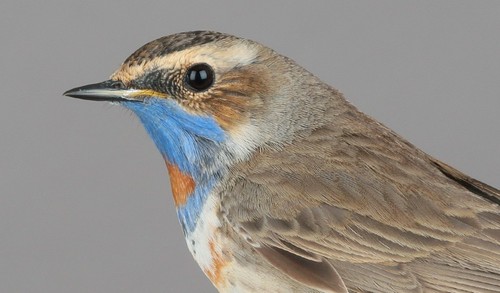
Bluethroat
13-14 cm (5.1-5.5 in) long, 20-22 cm wingspan
Eurasian Nuthatch
12-14.5 cm (4.7-5.7 in) long, 22.5-27 cm wingspan
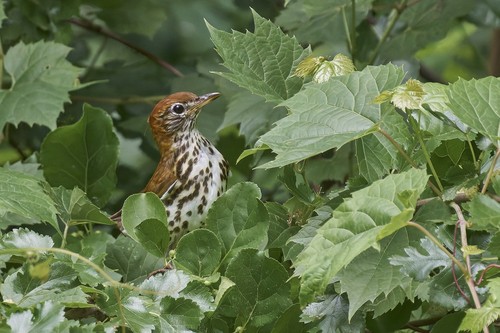
Wood Thrush
19-21 cm (7.5-8.3 in) long, about 33 cm (13 in) wingspan