
Humboldt Penguin
Spheniscus humboldti
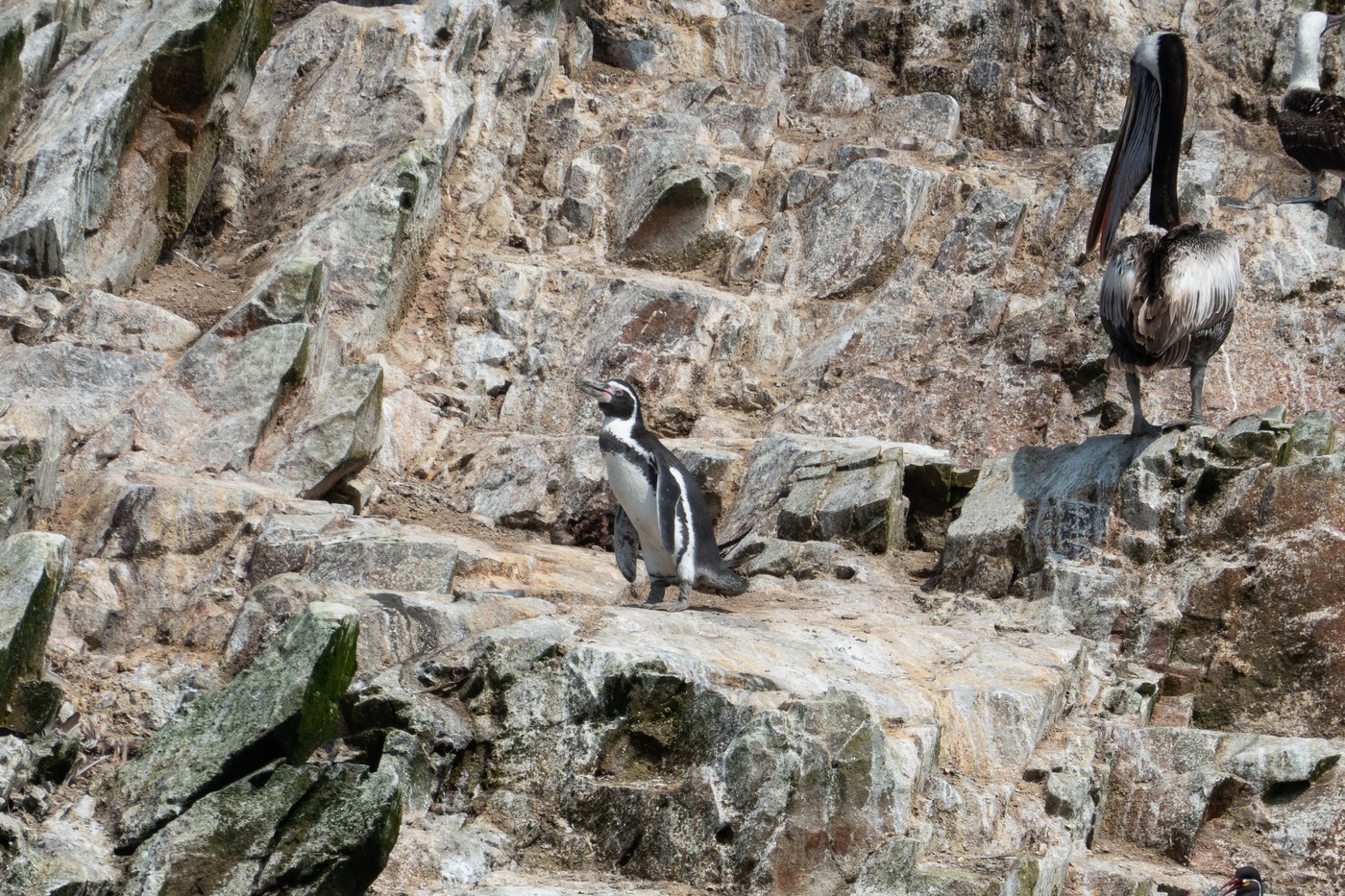
A banded penguin of the cold Humboldt Current off Peru and Chile, recognized by a single black chest band and a patch of bare pink skin at the base of its bill.
- Size
- 65-70 cm (26-28 in) tall, 3.6-5.9 kg (8-13 lb)
- Habitat
- cold coastal waters and rocky/desert shorelines of Peru and Chile
- Type
- seabird
Spotted a bird like this?
Identify any bird from a photo, free.
Overview
The Humboldt Penguin lives along the arid, rocky coastlines of Peru and Chile, where it is sustained by the cold, nutrient-rich waters of the Humboldt Current for which it is named. It shares the classic banded look of its close relatives, with black upperparts, a white underside, and a black band sweeping across the chest and down the flanks.
A distinguishing feature is the patch of bare pink skin at the base of its stout bill, used to help regulate body temperature in its sun-baked desert-coast habitat. Unlike penguins of icy polar regions, Humboldt Penguins breed in a landscape of sand, rock, and guano deposits along one of the driest coastlines on Earth.
The species has faced significant historical pressure from the removal of guano deposits, which destroyed traditional nesting burrows, along with periodic food shortages during El Niño events.
How to identify it
Key field marks
- A single black band across the chest and down the flanks, narrower than the Magellanic Penguin's band
- Bare pink skin at the base of the bill
- Black upperparts, white underparts, black bill with a pale patch
Similar species
- Magellanic Penguin is very similar but lacks the pink bare skin patch at the bill base and has a slightly broader chest band; the two species' ranges barely meet in southern Chile.
- African Penguin has scattered black spots on the belly and pink patches above the eyes rather than at the bill base.
Habitat & range
Humboldt Penguins are found along the Pacific coasts of Peru and Chile, in a narrow band influenced by the cold, upwelling Humboldt Current, which supports the abundant small fish they depend on. They nest on rocky shores, cliffs, and islands, historically favoring burrows dug into thick guano deposits.
The species is largely non-migratory, remaining near its breeding range year-round, though it may range farther in search of food during periods of reduced fish abundance such as El Niño events.
Behavior & voice
Voice
Humboldt Penguins give loud, braying calls similar to other banded penguins, used at colonies for pair bonding and territorial signaling.
Feeding
They dive to catch small schooling fish such as anchovies and sardines, along with squid, foraging in the cold, productive waters of the Humboldt Current close to their colonies.
Nesting and breeding
Pairs traditionally burrowed into deep guano deposits, though many now nest in rock crevices or scrapes due to historical guano removal. They typically lay two eggs, with both parents sharing incubation and feeding duties, and breeding can occur at various times of year depending on local conditions.
Frequently asked questions
Where do Humboldt Penguins live?
They live along the coasts of Peru and Chile, in the cold waters of the Humboldt Current.
What is unique about the Humboldt Penguin's appearance?
It has a single black chest band and a patch of bare pink skin at the base of its bill, which helps it release body heat.
Why are Humboldt Penguins vulnerable?
Historical removal of the guano deposits they nested in, along with periodic food shortages during El Niño events, has reduced their numbers.
How do you tell a Humboldt Penguin from a Magellanic Penguin?
Humboldt Penguins have bare pink skin at the base of the bill, which Magellanic Penguins lack, and the two species occupy mostly separate ranges.
What do Humboldt Penguins eat?
They mainly eat small schooling fish like anchovies and sardines, along with squid.
Humboldt Penguin guides
In-depth guides for identifying, finding, and understanding Humboldt Penguin.
Other birds you may enjoy
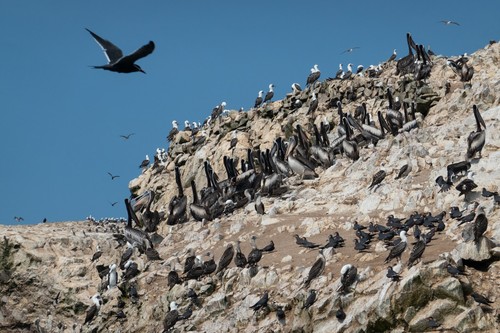
Peruvian Pelican
137-152 cm (54-60 in) long, up to 228 cm wingspan
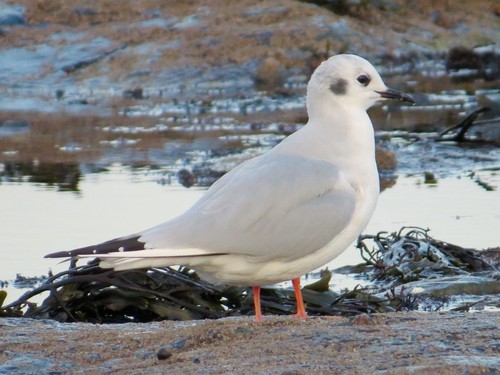
Bonaparte's Gull
28-33 cm (11-13 in) long, 76-84 cm wingspan
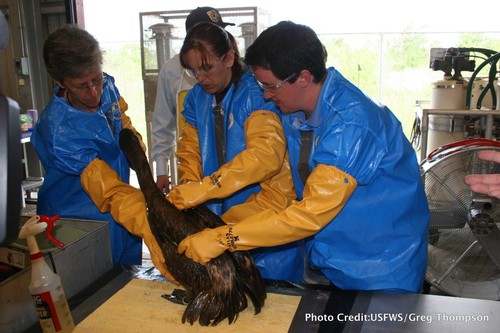
Brown Pelican
106-137 cm (42-54 in) long, 200-230 cm wingspan
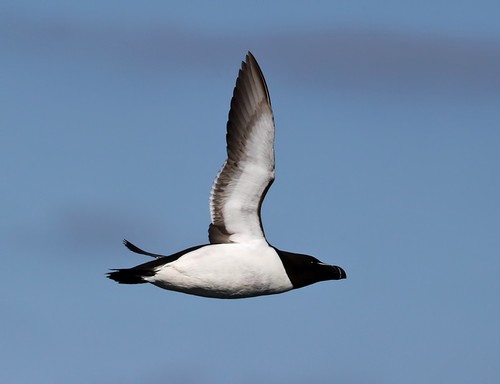
Razorbill
37-39 cm (15-15.5 in) long, 63-68 cm wingspan
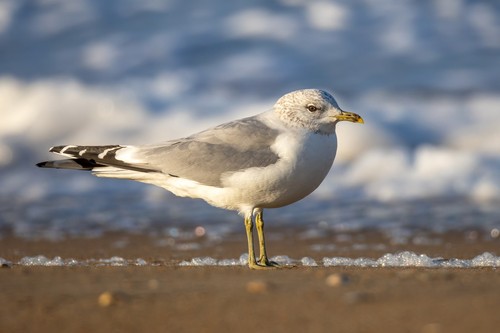
Common Gull
40-46 cm (16-18 in) long, 110-130 cm wingspan
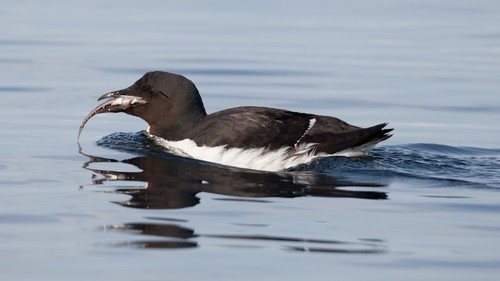
Thick-billed Murre
40-48 cm (16-19 in) long, 65-75 cm wingspan
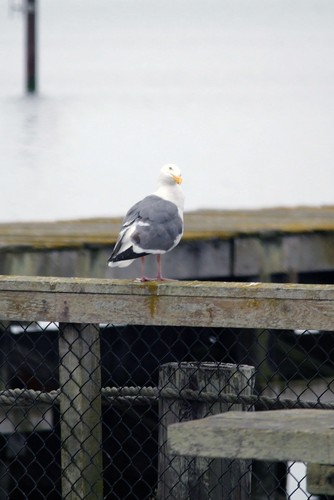
Western Gull
55-68 cm (22-27 in) long, 130-144 cm wingspan
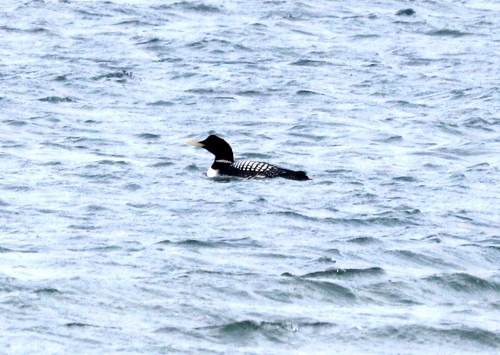
Yellow-billed Loon
76-97 cm (30-38 in) long, 135-152 cm wingspan
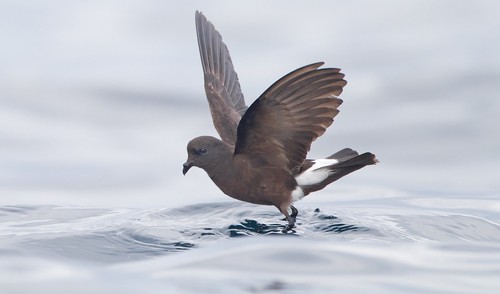
Wilson's Storm-Petrel
15-19 cm (6-7.5 in) long, wingspan 38-42 cm (15-16.5 in)
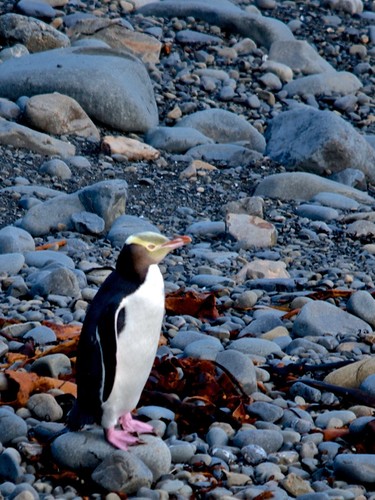
Yellow-eyed Penguin
62-79 cm (24-31 in) tall, 3-8.5 kg (6.6-18.7 lb)
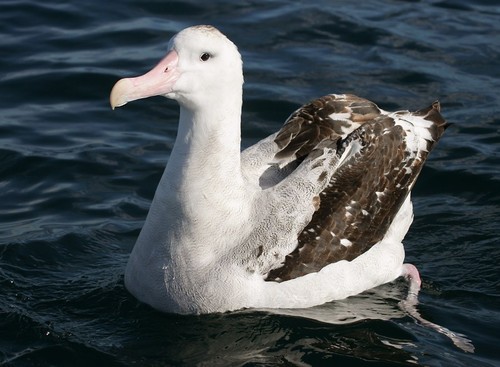
Wandering Albatross
107-135 cm (42-53 in) long, wingspan up to 3.5 m (11.5 ft)
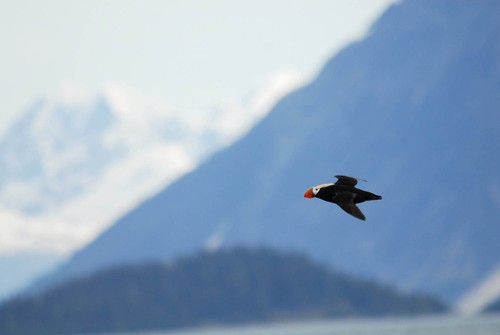
Tufted Puffin
35-41 cm (14-16 in) long, about 63-70 cm wingspan