
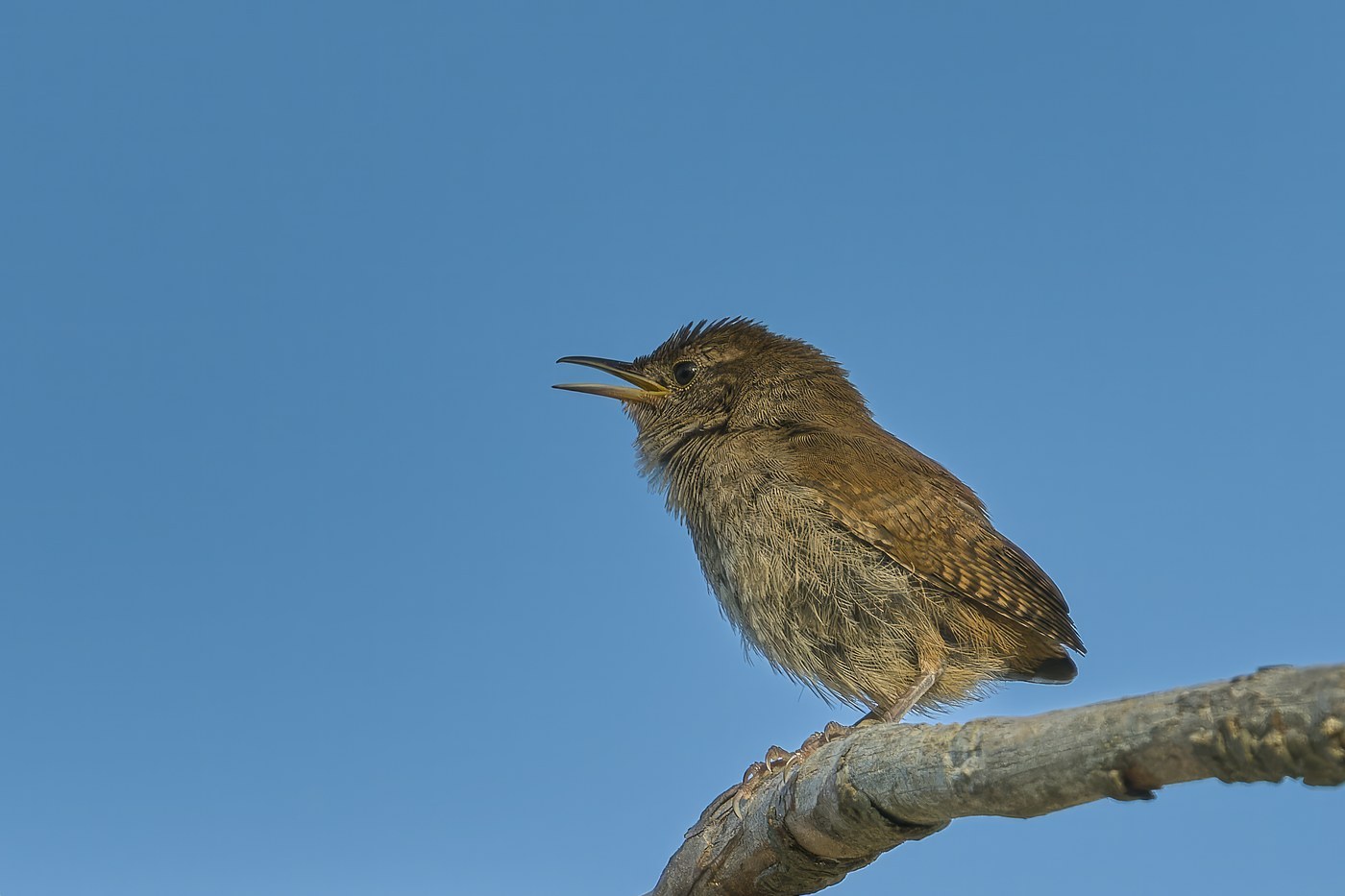
House Wren
Troglodytes aedon
A small, plain brown wren with fine dark barring on the wings and tail, known for its bubbly song and readiness to nest in birdhouses.
- Size
- 11-13 cm (4.3-5 in) long, 15-18 cm (6-7 in) wingspan
- Habitat
- gardens, woodland edges, thickets, and shrubby suburban yards
- Type
- songbird
Spotted a bird like this?
Identify any bird from a photo, free.
Overview
The House Wren is a small, energetic songbird with plain grayish-brown plumage overall, finely barred with darker brown on the wings, tail, and flanks. It lacks the bold facial markings of some other wrens, showing only a faint, indistinct pale eyebrow. Its short tail is often held cocked upward, a characteristic wren posture, and its bill is thin and slightly downcurved.
Despite its plain appearance, the House Wren is a familiar and beloved garden bird across much of the Americas, named for its willingness to nest in birdhouses and cavities close to human dwellings, and known for an exuberant, bubbling song delivered with surprising volume and energy.
How to identify it
Key Field Marks
- Plain grayish-brown overall with fine dark barring on wings, tail, and flanks
- Faint or indistinct pale eyebrow stripe (much less bold than in Carolina Wren)
- Thin, slightly downcurved bill
- Short tail frequently held cocked upward
Similar Species
- Carolina Wren: larger, warmer reddish-brown, with a bold, well-defined white eyebrow stripe, unlike the House Wren's plain face.
- Winter Wren: smaller and darker, with a shorter tail and more intricate barring, and a very different, long, warbling song; found more in dense coniferous forest.
- Bewick's Wren: has a longer tail edged with white spots and a clearer white eyebrow stripe, distinguishing it from the plainer House Wren.
Habitat & range
Habitat
House Wrens use a wide variety of semi-open habitats with dense shrubby cover, including gardens, woodland edges, thickets, hedgerows, and parks.
Range
They breed across most of the United States and southern Canada, and winter in the southern U.S. and Mexico; closely related forms occur widely through Central and South America.
Migration
Most North American House Wrens are migratory, moving to the southern United States and Mexico for winter, arriving on breeding grounds in spring and departing in fall.
Behavior & voice
Behavior
House Wrens are active and inquisitive, often investigating cavities and crevices while foraging, and males are known for a somewhat aggressive streak, sometimes puncturing the eggs of other cavity-nesting birds competing for nest sites.
Voice
The song is a rapid, bubbling, cascading series of chattering notes, often described as an exuberant, energetic outburst; calls include a harsh, scolding chatter.
Feeding
They feed almost entirely on insects and spiders, gleaned from foliage, bark, and the ground, making them beneficial predators of garden pests.
Nesting & Breeding
Males build multiple stick-filled "dummy" nests in available cavities within their territory, and the female chooses one to complete with a lining of soft material. They typically lay 5-8 eggs and may raise two broods per season, readily using nest boxes.
Frequently asked questions
Why does the House Wren build multiple nests?
Male House Wrens build several stick-filled starter nests in different cavities within their territory as part of courtship, and the female then selects one nest site to complete with soft lining material.
Do House Wrens compete with other cavity-nesting birds?
Yes, House Wrens can be aggressive competitors for nest cavities and have been documented puncturing the eggs of other species, such as bluebirds and chickadees, nesting nearby.
Do House Wrens migrate?
Most North American populations are migratory, wintering in the southern United States and Mexico and returning to breeding areas in spring.
What does a House Wren's song sound like?
It is a fast, bubbly, cascading series of chattering, energetic notes, often delivered with surprising loudness for such a small bird.
What do House Wrens eat?
They eat almost exclusively insects and spiders, which they glean from foliage, bark crevices, and the ground.
House Wren guides
In-depth guides for identifying, finding, and understanding House Wren.
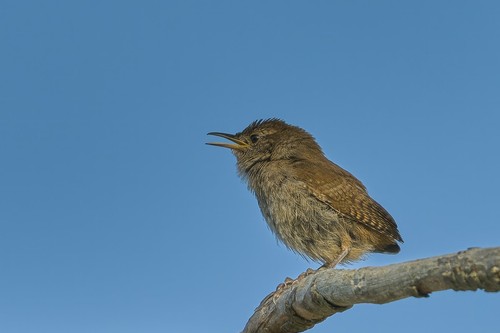
House Wren identified by the community
Real birds identified with Bird Identifier.
Other birds you may enjoy
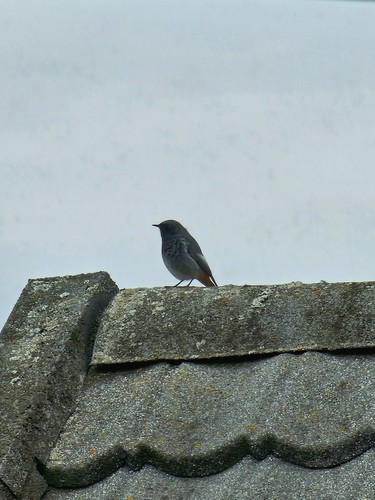
Black Redstart
13-14.5 cm (5.1-5.7 in) long, 23-26 cm wingspan
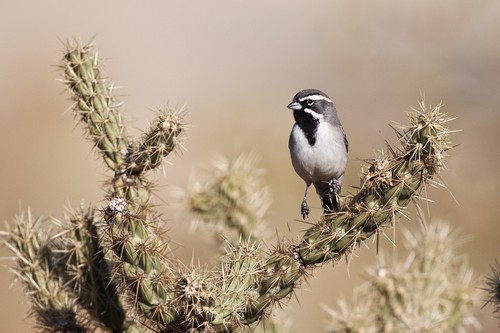
Black-throated Sparrow
12-14 cm (4.7-5.5 in) long, about 19-20 cm (7.5-8 in) wingspan
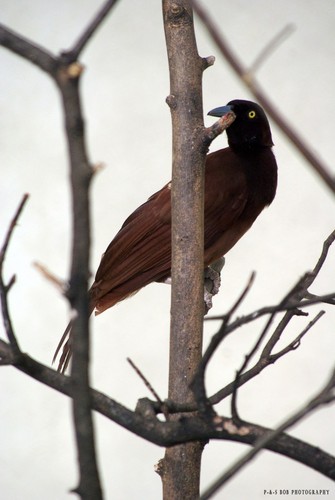
Greater Bird-of-paradise
Body about 43 cm; males with additional flank plumes up to 50 cm and long tail wires
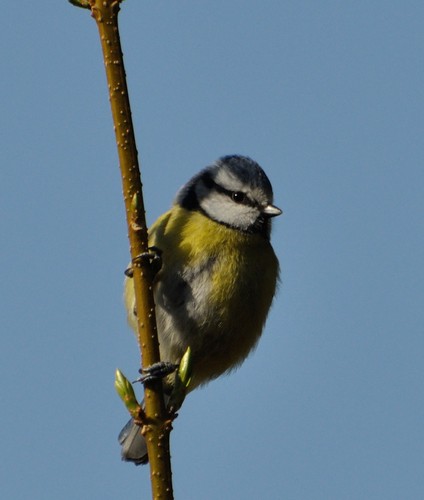
Blue Tit
11-12 cm (4.3-4.7 in) long, 17-20 cm wingspan
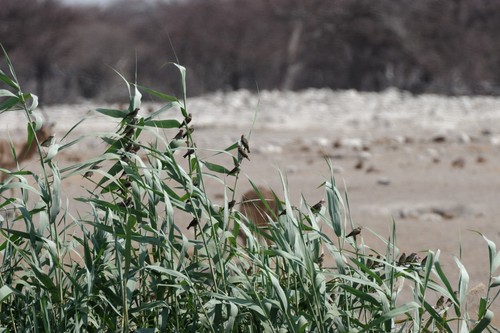
Red-billed Quelea
11.5–13 cm long, wingspan about 20–22 cm
White-plumed Antbird
13-14 cm (5-5.5 in) long
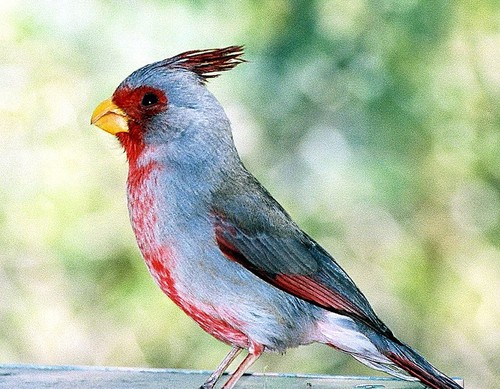
Pyrrhuloxia
19-22 cm (7.5-8.7 in) long, 30 cm wingspan
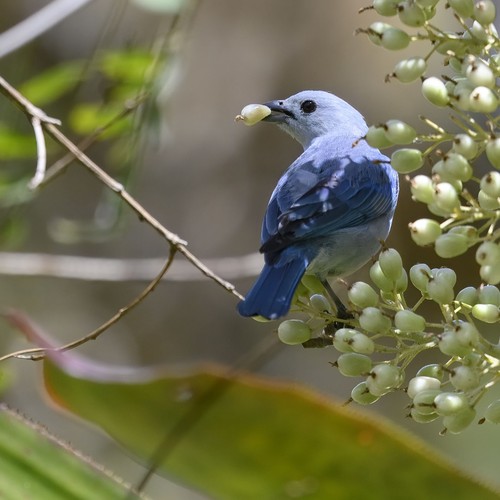
Blue-gray Tanager
16-18 cm (6-7 in) long
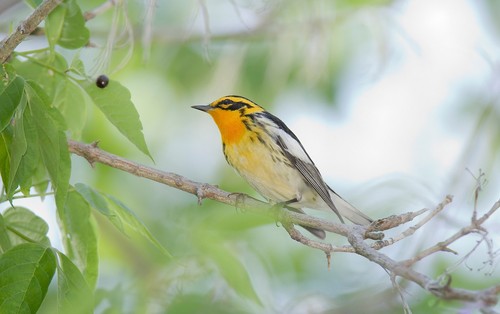
Blackburnian Warbler
11-13 cm (4.3-5.1 in) long, 20-22 cm wingspan
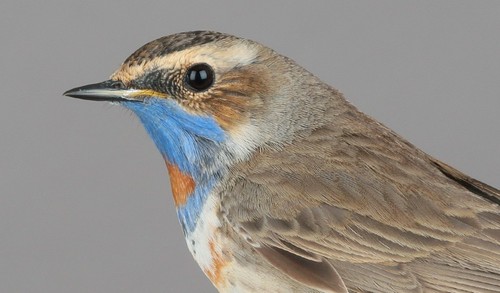
Bluethroat
13-14 cm (5.1-5.5 in) long, 20-22 cm wingspan
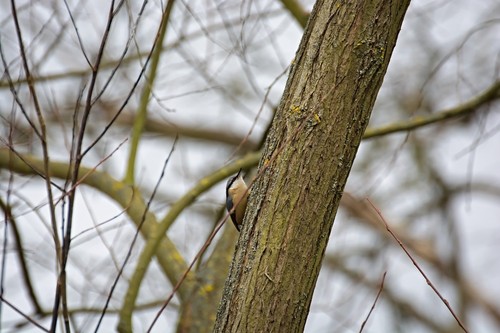
Eurasian Nuthatch
12-14.5 cm (4.7-5.7 in) long, 22.5-27 cm wingspan
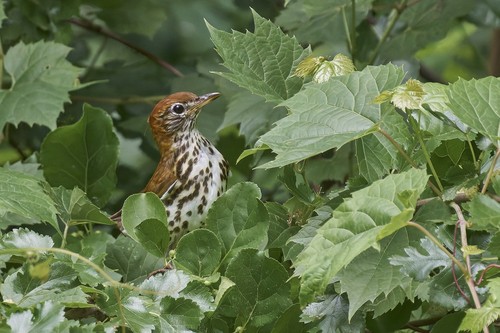
Wood Thrush
19-21 cm (7.5-8.3 in) long, about 33 cm (13 in) wingspan