
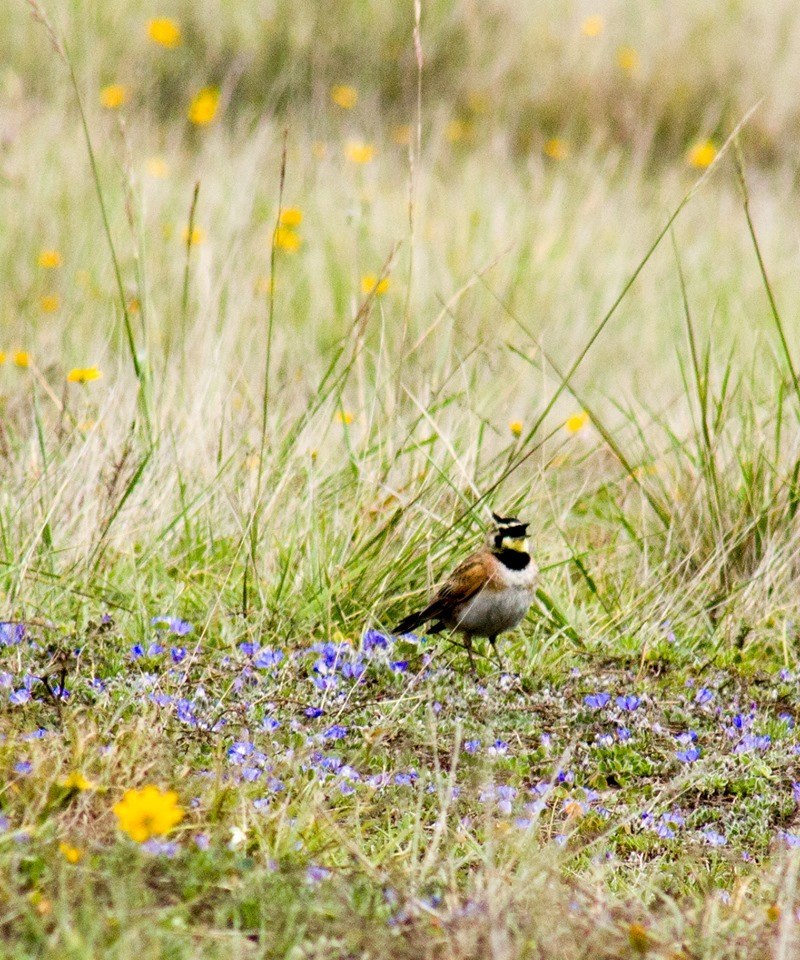
Horned Lark
Eremophila alpestris
A ground-loving open-country songbird named for the tiny black feather tufts, or "horns," on its head.
- Size
- 16-20 cm (6.3-7.9 in) long, 30-35 cm (12-14 in) wingspan
- Habitat
- open fields, prairies, tundra, beaches, and bare agricultural ground
- Type
- songbird
Spotted a bird like this?
Identify any bird from a photo, free.
Overview
The Horned Lark is a small, ground-dwelling songbird of wide-open country, found across North America, Europe, and Asia. It is named for the small black feather tufts on the crown that can be raised like tiny horns, though they are often hard to see in the field.
Adults show a black mask and breast band set against a pale face, with yellow or whitish tones around the throat and eyebrow depending on subspecies. The upperparts are brown to grayish-brown, streaked, and cryptically patterned to blend with bare soil. Horned Larks walk (rather than hop) across open ground in short, quick steps, often in loose flocks outside the breeding season.
How to identify it
Key field marks
- Black "sideburn" and breast-band markings on a pale face
- Tiny black feather horns on the crown (often inconspicuous)
- Brown, streaky upperparts that blend with bare or sparse ground
- Black tail with white outer edges, visible in flight
- Walks rather than hops on open ground
Similar species
No other widespread North American songbird shares the combination of facial black markings and habit of walking on completely open ground. Longspurs and pipits can occur in similar habitat but lack the black face pattern and horns.
Habitat & range
Habitat
Horned Larks favor the barest, most open ground available: plowed fields, short-grass prairie, airports, gravel roadsides, alpine and arctic tundra, and coastal dunes and beaches.
Range
One of the most widespread lark species in the world, breeding across much of North America (including arctic tundra), Eurasia, and parts of North Africa and South America (in the Andes). Northern and high-elevation populations migrate or move to lower ground in winter, while many populations in temperate latitudes are year-round residents.
Behavior & voice
Behavior
Highly terrestrial, Horned Larks spend nearly all their time walking on the ground foraging, forming loose winter flocks that often mix with longspurs and snow buntings in open farm country.
Voice
The song is a thin, tinkling series of high notes, often delivered during a spectacular display flight in which the male climbs high into the sky before diving. Calls include a high, lisping "tsee-titi."
Feeding and nesting
Diet consists of seeds year-round, with insects added heavily during the breeding season, especially to feed nestlings. The nest is a simple grass-lined depression scraped directly into bare soil, often placed beside a small stone or clump of dirt that offers minimal shelter. Horned Larks are among the earliest songbirds to nest each spring in northern latitudes.
Frequently asked questions
Why is it called a Horned Lark?
For the small black feather tufts on its crown that can be raised like tiny horns, though they are subtle and often hard to see.
Where do Horned Larks nest?
In a simple, grass-lined scrape on completely bare ground, often in plowed fields, prairie, or tundra, with almost no cover.
What do Horned Larks eat?
Mainly seeds, supplemented with insects during the breeding season.
How can I identify a Horned Lark?
Look for a pale face with bold black sideburns and a black breast band, streaky brown upperparts, and a habit of walking rather than hopping on open ground.
Are Horned Larks declining?
Yes, North American populations have declined significantly over recent decades, largely due to loss of open grassland and changes in agricultural practices.
Horned Lark guides
In-depth guides for identifying, finding, and understanding Horned Lark.
Other birds you may enjoy
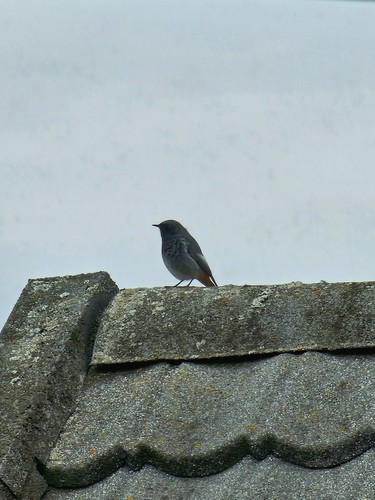
Black Redstart
13-14.5 cm (5.1-5.7 in) long, 23-26 cm wingspan
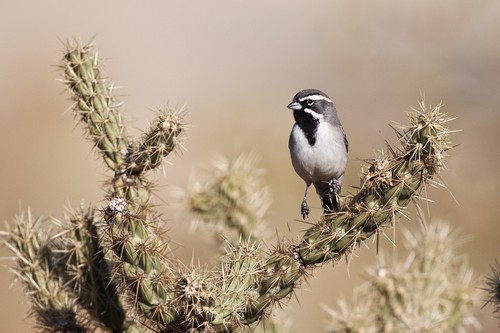
Black-throated Sparrow
12-14 cm (4.7-5.5 in) long, about 19-20 cm (7.5-8 in) wingspan
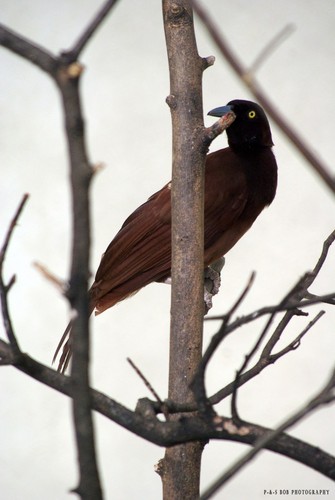
Greater Bird-of-paradise
Body about 43 cm; males with additional flank plumes up to 50 cm and long tail wires
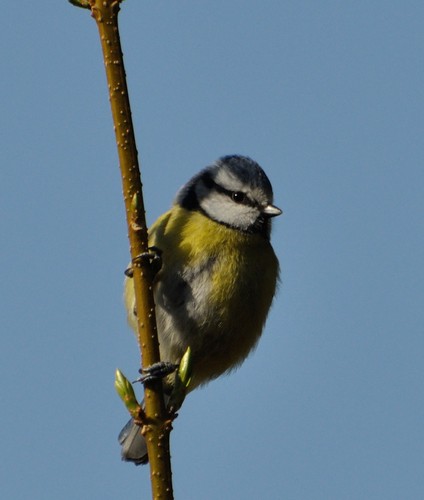
Blue Tit
11-12 cm (4.3-4.7 in) long, 17-20 cm wingspan
Red-billed Quelea
11.5–13 cm long, wingspan about 20–22 cm
White-plumed Antbird
13-14 cm (5-5.5 in) long
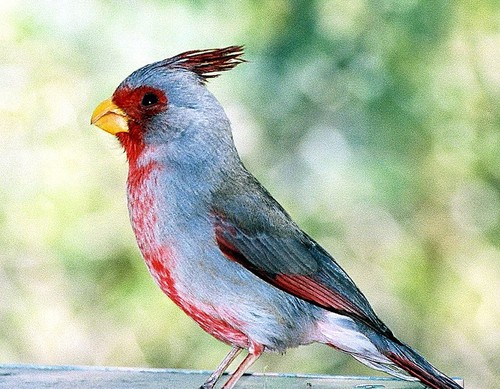
Pyrrhuloxia
19-22 cm (7.5-8.7 in) long, 30 cm wingspan
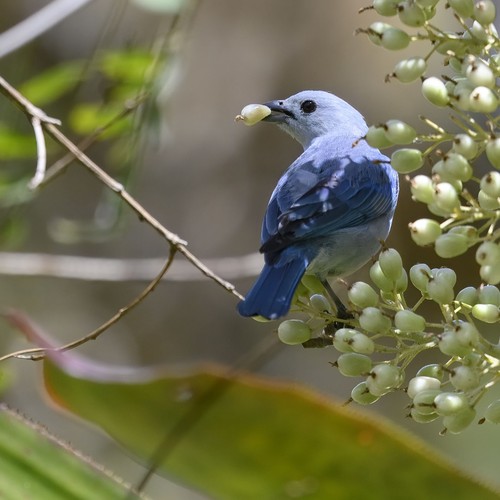
Blue-gray Tanager
16-18 cm (6-7 in) long
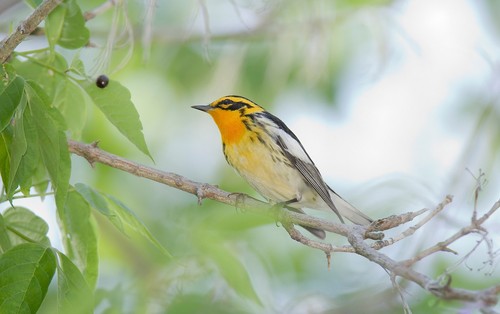
Blackburnian Warbler
11-13 cm (4.3-5.1 in) long, 20-22 cm wingspan
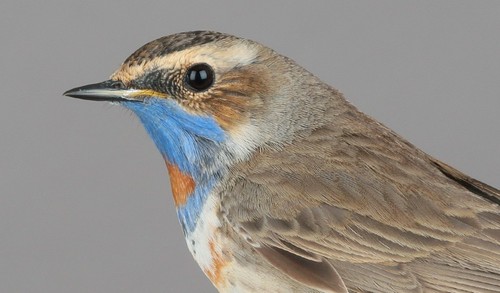
Bluethroat
13-14 cm (5.1-5.5 in) long, 20-22 cm wingspan
Eurasian Nuthatch
12-14.5 cm (4.7-5.7 in) long, 22.5-27 cm wingspan
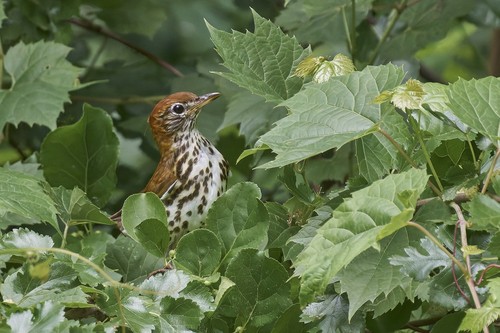
Wood Thrush
19-21 cm (7.5-8.3 in) long, about 33 cm (13 in) wingspan