
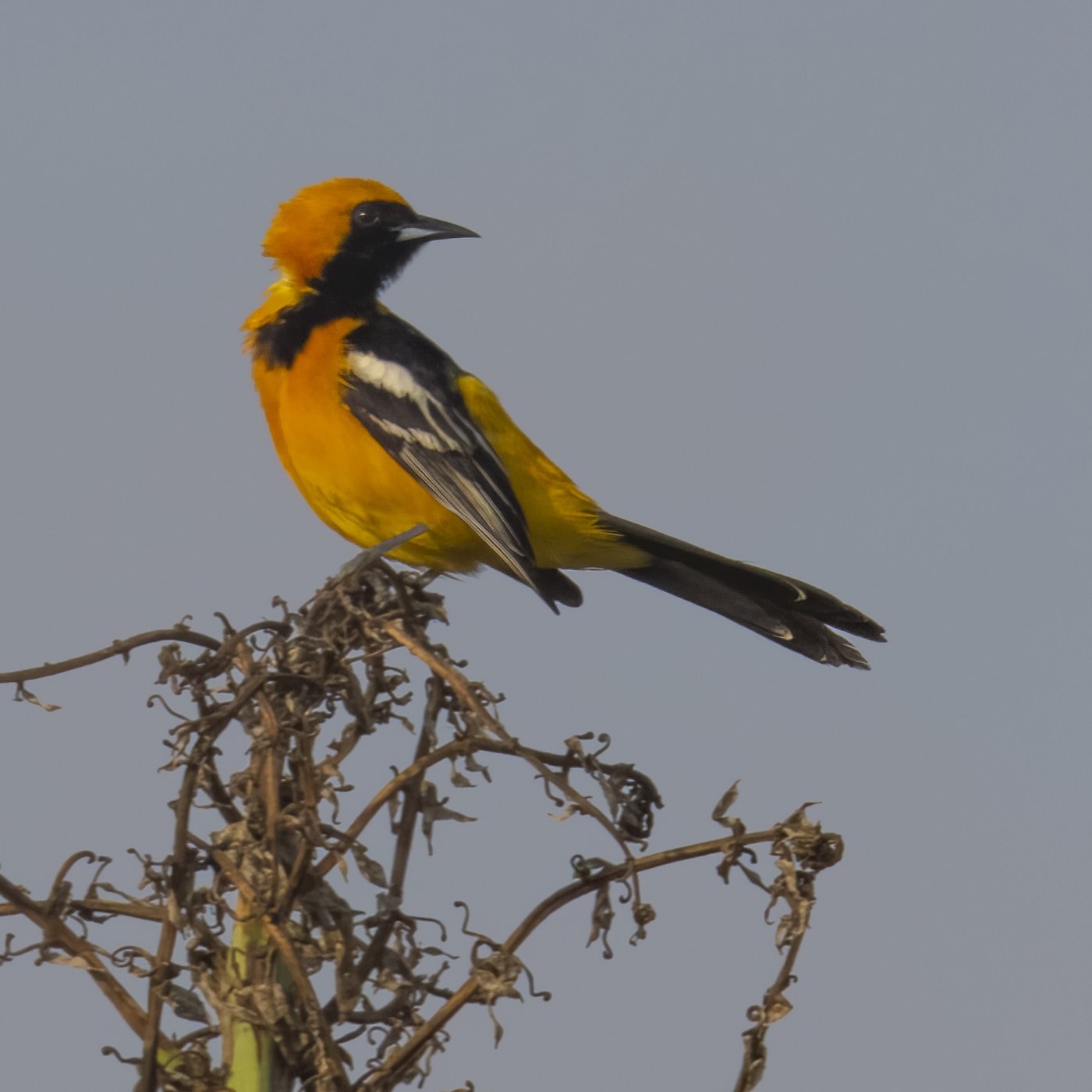
Hooded Oriole
Icterus cucullatus
A slender, long-tailed oriole strongly associated with palm trees, with males showing bright orange-yellow plumage and a black face and bib.
- Size
- 18-20 cm (7-8 in) long, 24 cm wingspan
- Habitat
- open woodlands, palm groves, riparian areas, and suburban yards with tall palms
- Type
- songbird
Spotted a bird like this?
Identify any bird from a photo, free.
Overview
The Hooded Oriole is a slim, long-tailed oriole of the southwestern United States and Mexico, closely tied to palm trees, which it often uses for nesting and roosting, giving rise to its older name "palm-leaf oriole." Adult males are bright orange-yellow with a black face, throat, back, wings, and tail, and a distinctly thin, downcurved bill well suited for probing flowers. Females and immatures are olive-yellow above and yellowish below, lacking the black hood, with two white wingbars.
The species has expanded its range and increased in numbers in recent decades in the southwestern U.S., in part due to the widespread planting of ornamental palm trees in suburban landscaping, which provide favored nest sites.
How to identify it
Key Field Marks
- Adult male: orange-yellow body, black face and bib, black back, wings, and tail
- Slender build with a notably long tail and thin, distinctly downcurved bill
- Female/immature: olive-yellow overall, two white wingbars, no black hood
- Often seen around palm trees
Similar Species
- Bullock's Oriole males have only a black eyeline (not a full black face/bib) and a large white wing patch, with a straighter bill.
- Altamira Oriole is larger and stockier with an all-black back extending differently and a heavier bill, found only in far south Texas.
- Orchard Oriole males are chestnut, not orange-yellow.
Habitat & range
Habitat
Hooded Orioles favor open woodlands, riparian groves, desert oases, and increasingly suburban and urban areas planted with palm trees, which provide nesting sites and foraging perches.
Range
Breeds across the southwestern United States (California, Arizona, New Mexico, Texas) and much of Mexico. Most U.S. breeders winter in Mexico, though a growing number now overwinter in the U.S., especially in coastal California, aided by feeders.
Migration
A short-to-medium distance migrant; northern populations move south for winter, while some individuals, especially in urban California, increasingly remain year-round.
Behavior & voice
Behavior
Hooded Orioles are agile foragers, often hanging upside down to probe flowers for nectar or glean insects from foliage, and they readily visit hummingbird and oriole nectar feeders.
Voice
The song is a soft, chattering warble mixed with whistled notes, quieter and less far-carrying than some other orioles; the call is a sharp, whistled "wheet."
Feeding
Feeds on insects and spiders, along with nectar from flowering trees and hummingbird feeders, and fruit when available.
Nesting & Breeding
The female sews a hanging, basket-like nest, often attaching it to the underside of a palm frond by piercing the leaf with her bill and threading fibers through it. She incubates 3-5 eggs, and the species is frequently parasitized by cowbirds.
Frequently asked questions
Why is it called the Hooded Oriole?
The name refers to the male's black face and throat that forms a hood-like pattern against its otherwise bright orange-yellow plumage.
Why are Hooded Orioles associated with palm trees?
They favor palm fronds for nesting, weaving their hanging nests into the underside of the leaves, and the spread of ornamental palms in suburban landscaping has helped the species expand its range.
How do you attract Hooded Orioles to a yard?
Nectar feeders, orange halves, and mature palm or shade trees can attract Hooded Orioles within their southwestern U.S. and Mexican range.
How is the Hooded Oriole different from the Bullock's Oriole?
Hooded Oriole males have a full black face and throat with a slender downcurved bill, while Bullock's Oriole males have only a black eyeline, a straighter bill, and a large white wing patch.
Hooded Oriole guides
In-depth guides for identifying, finding, and understanding Hooded Oriole.
Other birds you may enjoy
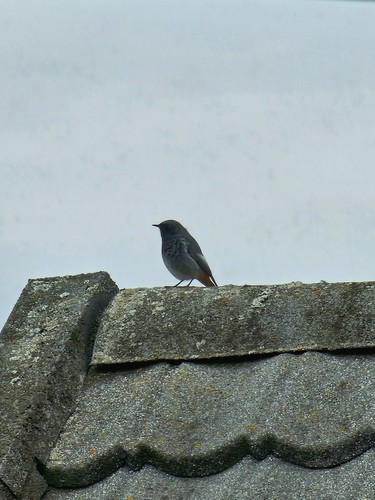
Black Redstart
13-14.5 cm (5.1-5.7 in) long, 23-26 cm wingspan
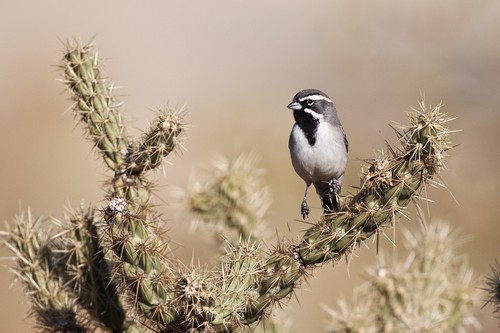
Black-throated Sparrow
12-14 cm (4.7-5.5 in) long, about 19-20 cm (7.5-8 in) wingspan
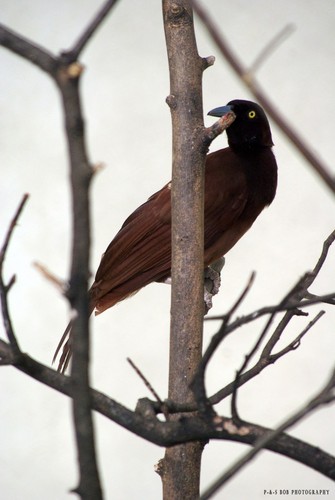
Greater Bird-of-paradise
Body about 43 cm; males with additional flank plumes up to 50 cm and long tail wires
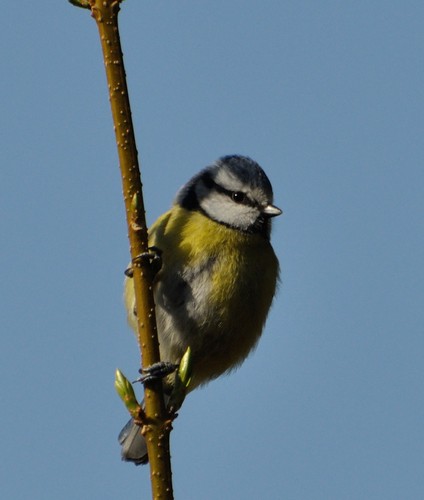
Blue Tit
11-12 cm (4.3-4.7 in) long, 17-20 cm wingspan
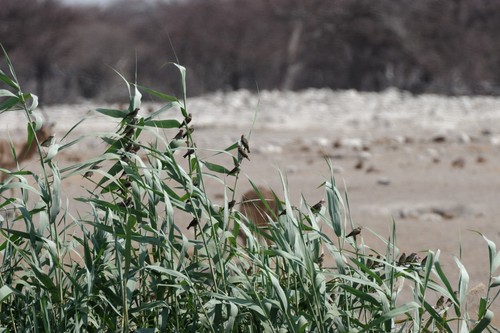
Red-billed Quelea
11.5–13 cm long, wingspan about 20–22 cm
White-plumed Antbird
13-14 cm (5-5.5 in) long
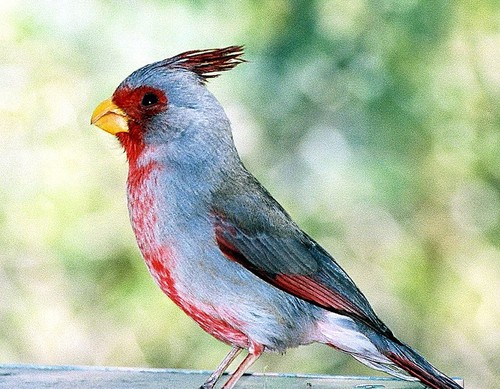
Pyrrhuloxia
19-22 cm (7.5-8.7 in) long, 30 cm wingspan
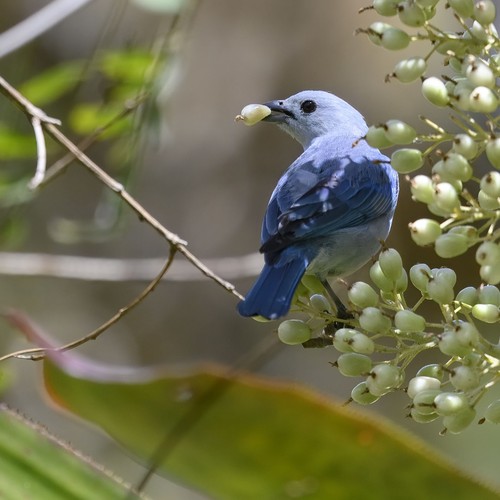
Blue-gray Tanager
16-18 cm (6-7 in) long
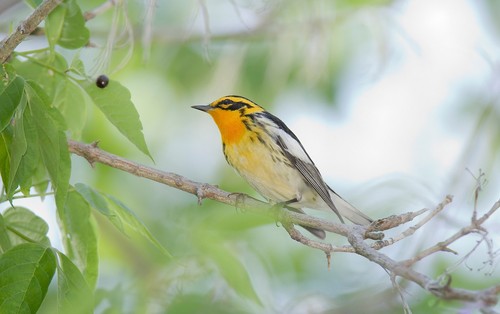
Blackburnian Warbler
11-13 cm (4.3-5.1 in) long, 20-22 cm wingspan
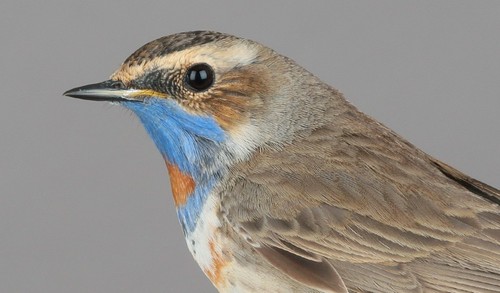
Bluethroat
13-14 cm (5.1-5.5 in) long, 20-22 cm wingspan
Eurasian Nuthatch
12-14.5 cm (4.7-5.7 in) long, 22.5-27 cm wingspan
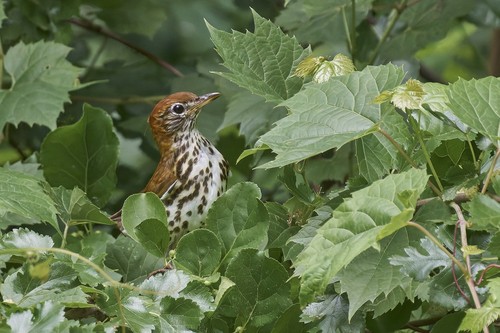
Wood Thrush
19-21 cm (7.5-8.3 in) long, about 33 cm (13 in) wingspan