
Hooded Crane
Grus monacha
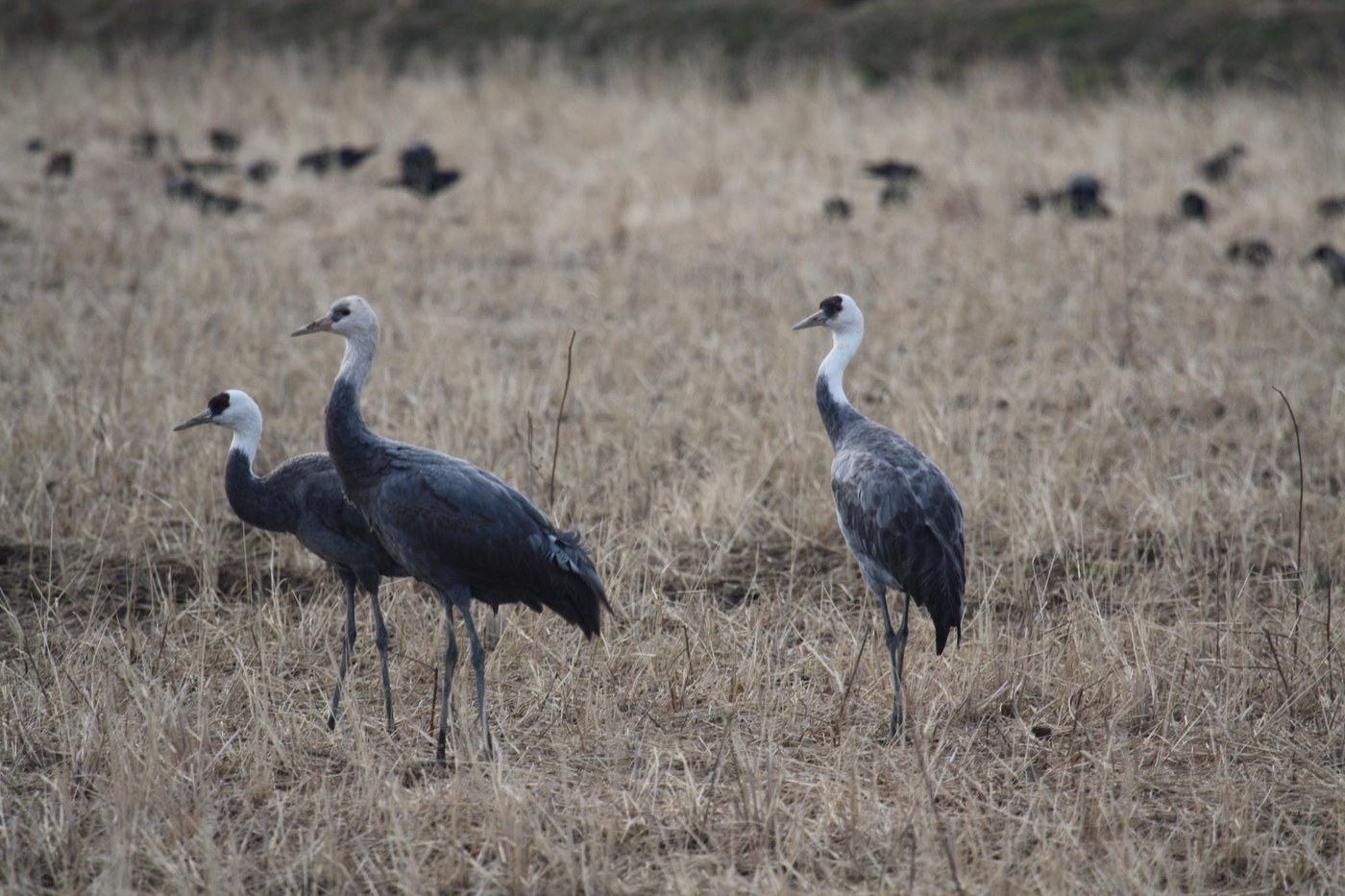
A small, dark East Asian crane with a white head and neck resembling a hood, a red crown patch, and one of the most geographically concentrated wintering populations of any crane.
- Size
- 96-100 cm (38-39 in) long, 160-190 cm wingspan
- Habitat
- wetlands, marshes, and rice paddies of East Asia
- Type
- wading-bird
Spotted a bird like this?
Identify any bird from a photo, free.
Overview
The Hooded Crane is one of the smaller crane species, with dark slate-grey body plumage contrasting sharply with a white head and upper neck that give the impression of a hood, and a small patch of bare red skin on the crown.
The species is notable for the extreme concentration of its wintering population, with the vast majority of the world's Hooded Cranes gathering at a single site, Izumi in southern Japan, during the winter months.
How to identify it
Key field marks
- Small size with dark slate-grey body plumage
- White head and upper neck forming a hood-like pattern
- Small red crown patch
- Overall darker and smaller than most other Grus cranes
Similar species
The White-naped Crane has only a white nape stripe rather than a fully white head and neck, with a grey foreneck. The Demoiselle Crane has a black (not white) head and neck and lacks the red crown patch.
Habitat & range
Hooded Cranes breed in remote wetlands and bogs in southeastern Russia, particularly around Lake Baikal and the Amur River basin, in habitat that remains relatively poorly studied due to its isolation.
The overwhelming majority of the world population winters at Izumi in Kagoshima Prefecture, southern Japan, where supplemental feeding programs support extremely high concentrations of birds each winter, alongside smaller wintering groups in China and South Korea. This concentration at a single site makes the species vulnerable to disease outbreaks or habitat disturbance.
Behavior & voice
Hooded Cranes forage in wetlands, rice paddies, and agricultural fields for grains, roots, aquatic plants, and small invertebrates, and at Izumi rely heavily on supplemental feeding provided as part of conservation management.
They give resonant calls and perform courtship dances typical of cranes, including bowing and jumping displays. Nests are built on the ground in remote wetland habitat, typically with two eggs, and both parents share incubation and chick-rearing duties. The species' reliance on a small number of concentrated wintering sites, especially Izumi, is a significant conservation concern, prompting efforts to diversify wintering locations.
Frequently asked questions
Why is the Hooded Crane called 'hooded'?
Its white head and upper neck contrast sharply with its dark slate-grey body, giving the appearance of a white hood covering the head.
Where do most Hooded Cranes spend the winter?
The vast majority winter at a single site, Izumi in southern Japan, where supplemental feeding supports very high concentrations of birds.
Why is concentrating at one wintering site a conservation risk?
Such a high proportion of the global population gathering in one place makes the species highly vulnerable to disease outbreaks, extreme weather, or habitat disturbance at that single location.
Is the Hooded Crane endangered?
It is classified as Vulnerable, with a relatively small global population concentrated in a few key sites.
Hooded Crane guides
In-depth guides for identifying, finding, and understanding Hooded Crane.
Other birds you may enjoy
Demoiselle Crane
85-100 cm (33-39 in) long, 155-180 cm wingspan
Boat-billed Heron
41-56 cm (16-22 in) long
Purple Heron
78-90 cm (31-35 in) long, 120-152 cm wingspan
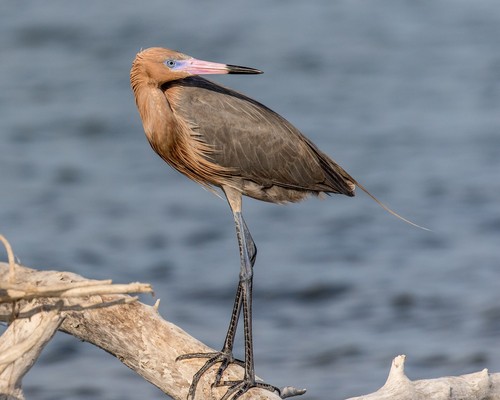
Reddish Egret
68-82 cm (27-32 in) long, 116-125 cm wingspan
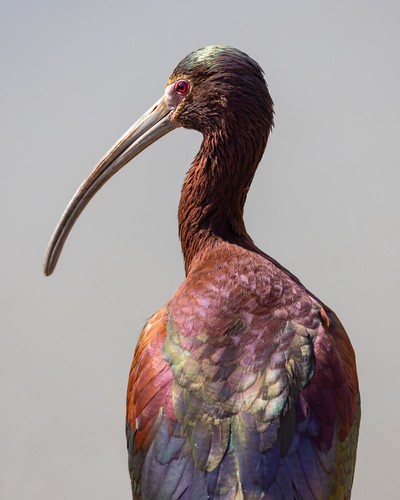
White-faced Ibis
46-56 cm (18-22 in) long, 88-93 cm wingspan
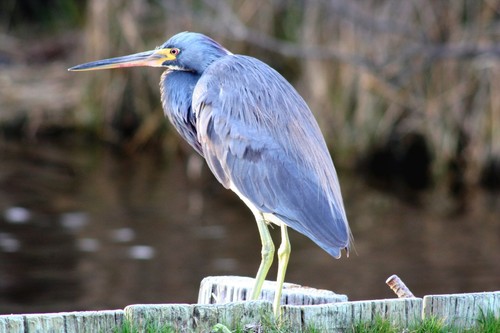
Tricolored Heron
61-76 cm (24-30 in) long, about 96 cm wingspan
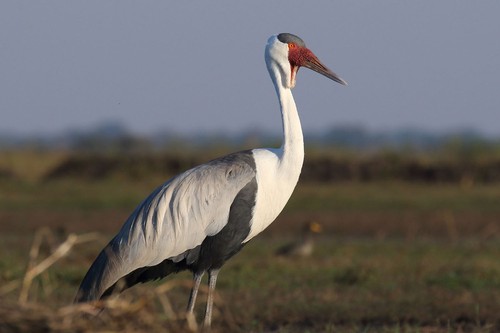
Wattled Crane
120-175 cm (47-69 in) tall, one of the tallest cranes, wingspan up to about 230 cm (7.5 ft)
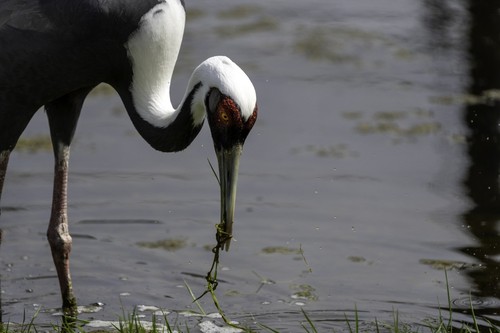
White-naped Crane
112-125 cm (44-49 in) long, 195-210 cm wingspan
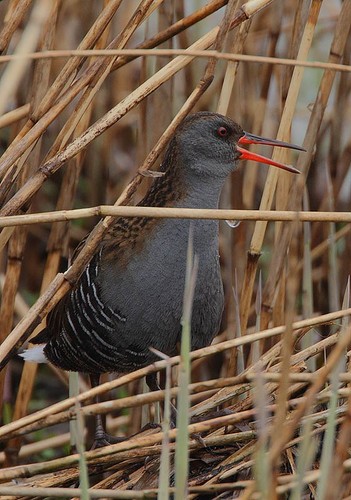
Water Rail
23-28 cm (9-11 in) long, wingspan 38-45 cm
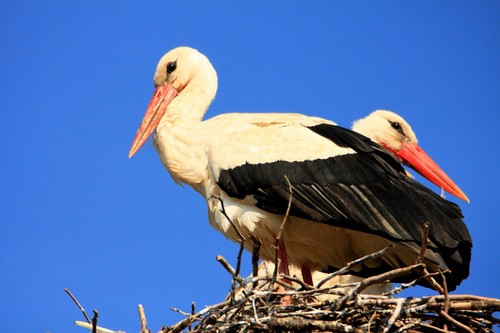
White Stork
100-125 cm (39-49 in) long, 155-215 cm wingspan
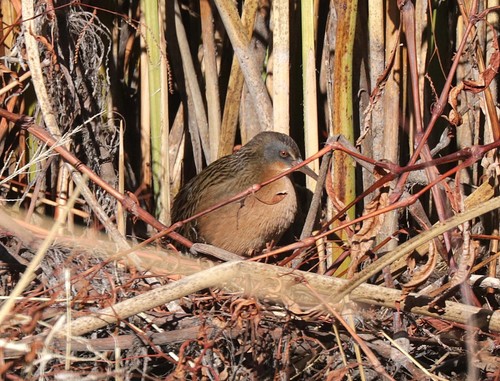
Virginia Rail
20-27 cm (8-11 in) long, wingspan 32-38 cm
Wattled Jacana
17-23 cm (7-9 in) long