
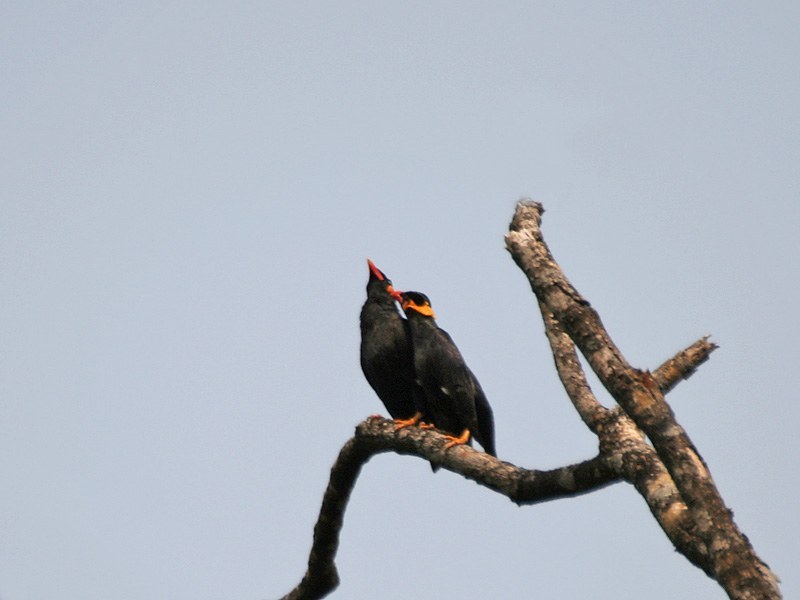
Hill Myna
Gracula religiosa
A glossy black forest myna with vivid yellow head wattles, renowned as one of the most accomplished vocal mimics among wild birds.
- Size
- 25-31 cm (10-12 in) long, 40-48 cm wingspan
- Habitat
- tropical and subtropical evergreen forest of South and Southeast Asia
- Type
- songbird
Spotted a bird like this?
Identify any bird from a photo, free.
Overview
The Hill Myna is a striking forest bird cloaked in glossy black plumage that gleams with purple and green iridescence in good light. Its head is adorned with bright yellow fleshy wattles that drape behind the eye and across the nape, paired with an orange-yellow bill and yellow legs -- a combination that makes it instantly recognizable within the forest canopy.
It is best known for its extraordinary vocal ability, capable of reproducing an enormous range of natural and human-made sounds with remarkable clarity, making it one of the most celebrated avian mimics in the world.
How to identify it
Key field marks
- Glossy black body with purple-green iridescent sheen
- Bright yellow fleshy wattles behind the eye and on the nape
- Orange-yellow bill and yellow legs
- Bold white wing patch visible in flight
Similar species
No other forest bird within its range combines glossy black plumage with such prominent yellow head wattles; other mynas in the region are duller and lack wattles.
Habitat & range
Range
Found across the Indian subcontinent, Southeast Asia, and parts of southern China, with numerous geographically distinct subspecies.
Habitat
Inhabits tropical and subtropical evergreen and semi-evergreen forest, favoring the upper canopy; generally shuns open or heavily deforested land, unlike its urban-adapted relatives.
Migration
Generally resident, though some populations may make local altitudinal movements in response to fruit availability.
Behavior & voice
Behavior
Usually seen in pairs or small groups moving through the forest canopy, often calling loudly to maintain contact between individuals in dense foliage.
Voice
An exceptional vocal mimic, capable of reproducing an extraordinary range of sounds, including other bird calls and, in some contexts, human speech; natural calls include loud, resonant whistles and screeches.
Feeding
Feeds mainly on fruit and nectar from forest trees, supplemented with insects, foraging actively in the canopy.
Nesting and breeding
Nests in tree cavities high in the forest canopy, lined with leaves and other soft material. Lays 2-3 eggs, with both parents sharing incubation and chick-rearing duties.
Frequently asked questions
Why is the Hill Myna famous?
It is renowned as one of the most accomplished avian vocal mimics, capable of reproducing an unusually wide range of natural and other sounds with great clarity.
How can you identify a Hill Myna?
Look for glossy black plumage with a purple-green sheen, bright yellow wattles behind the eye and on the nape, and an orange-yellow bill.
Where does the Hill Myna live?
It inhabits tropical and subtropical evergreen forest canopy across the Indian subcontinent, Southeast Asia, and parts of southern China.
What does the Hill Myna eat in the wild?
Mainly fruit and nectar from forest trees, supplemented with insects.
Hill Myna guides
In-depth guides for identifying, finding, and understanding Hill Myna.
Other birds you may enjoy
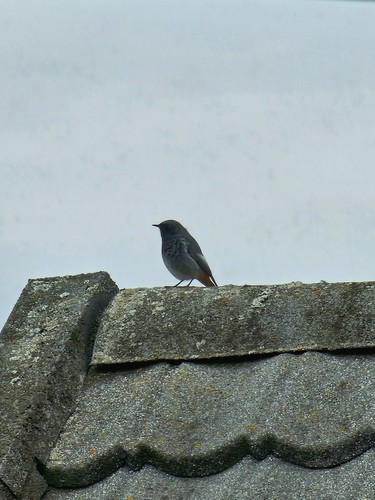
Black Redstart
13-14.5 cm (5.1-5.7 in) long, 23-26 cm wingspan
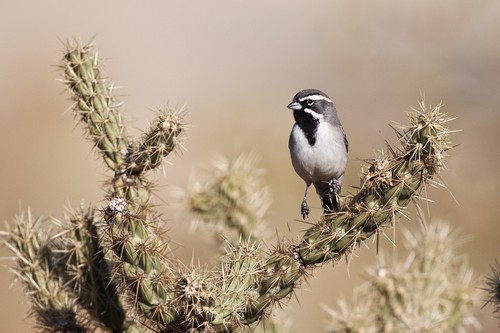
Black-throated Sparrow
12-14 cm (4.7-5.5 in) long, about 19-20 cm (7.5-8 in) wingspan
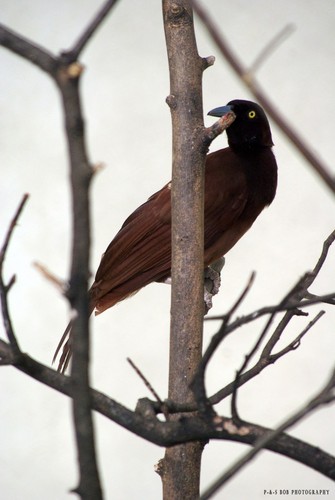
Greater Bird-of-paradise
Body about 43 cm; males with additional flank plumes up to 50 cm and long tail wires
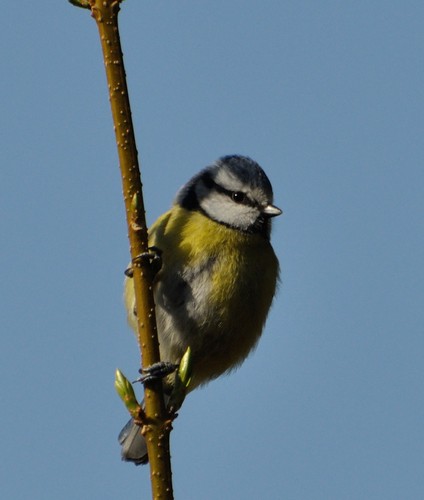
Blue Tit
11-12 cm (4.3-4.7 in) long, 17-20 cm wingspan
Red-billed Quelea
11.5–13 cm long, wingspan about 20–22 cm
White-plumed Antbird
13-14 cm (5-5.5 in) long
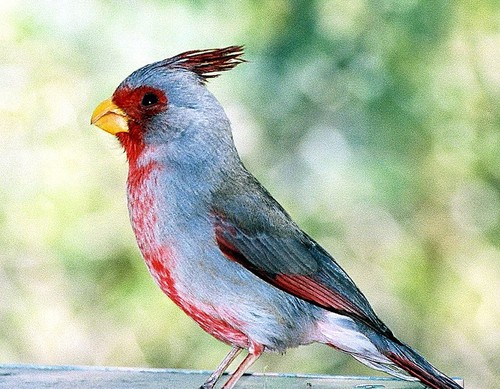
Pyrrhuloxia
19-22 cm (7.5-8.7 in) long, 30 cm wingspan
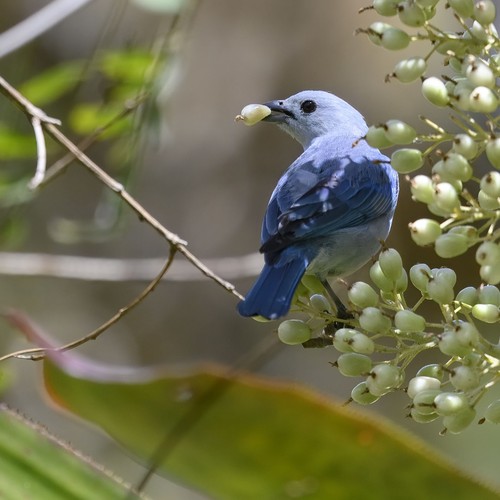
Blue-gray Tanager
16-18 cm (6-7 in) long
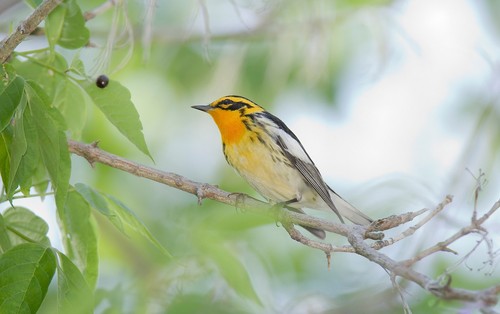
Blackburnian Warbler
11-13 cm (4.3-5.1 in) long, 20-22 cm wingspan
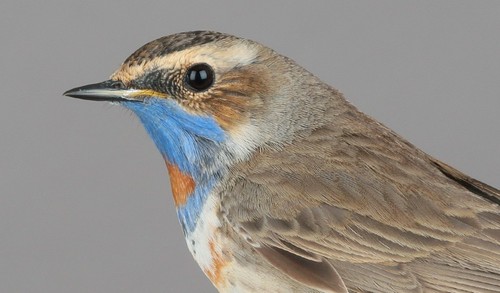
Bluethroat
13-14 cm (5.1-5.5 in) long, 20-22 cm wingspan
Eurasian Nuthatch
12-14.5 cm (4.7-5.7 in) long, 22.5-27 cm wingspan
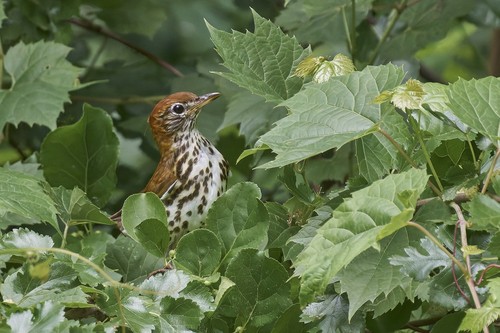
Wood Thrush
19-21 cm (7.5-8.3 in) long, about 33 cm (13 in) wingspan