
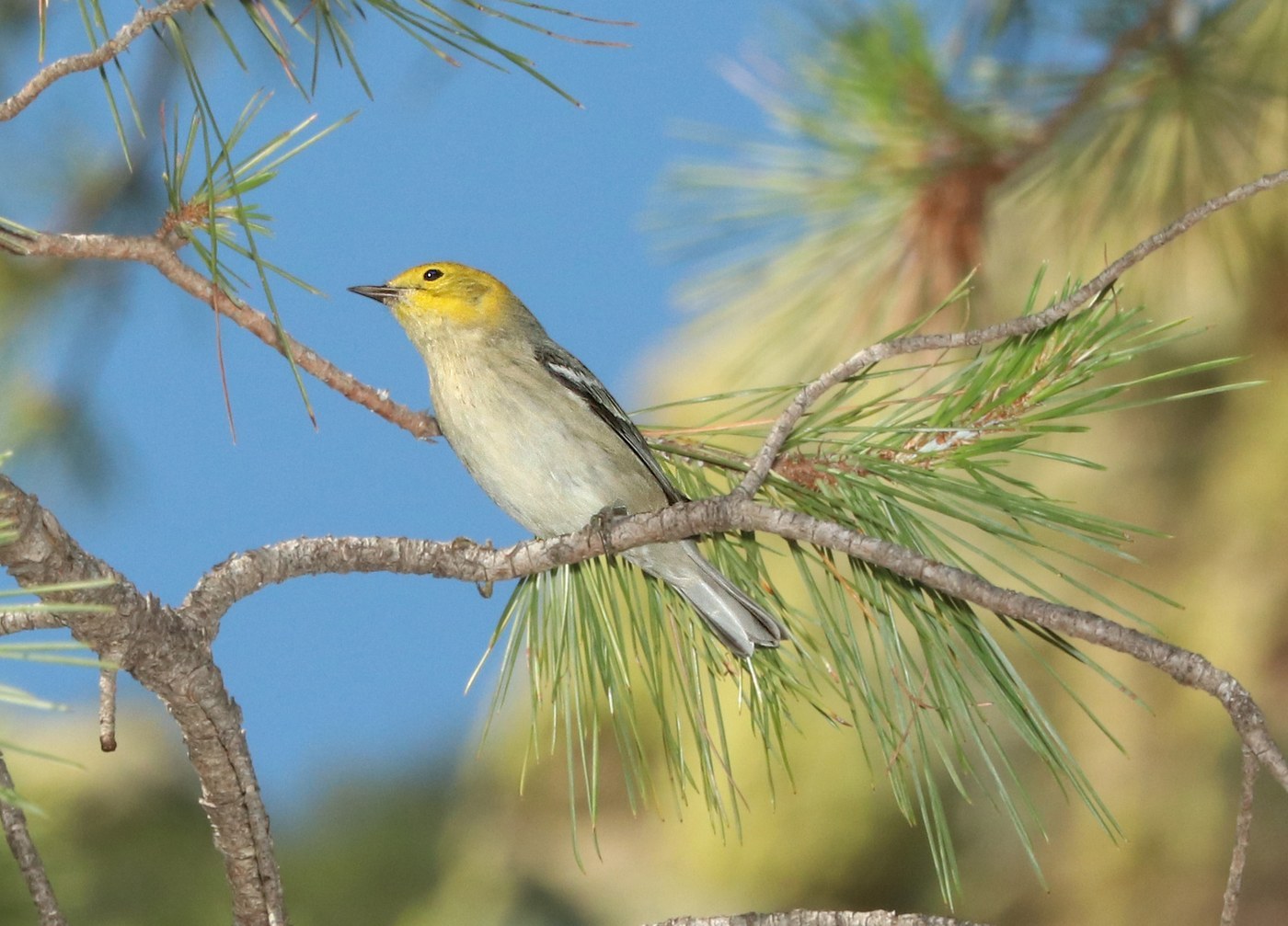
Hermit Warbler
Setophaga occidentalis
A plain-faced, bright yellow-headed warbler of Pacific mountain conifer forests, with a black throat and gray, unstreaked back, that hybridizes with the closely related Townsend's Warbler.
- Size
- 12 cm (4.7 in) long, 19-20 cm wingspan
- Habitat
- coniferous forest canopy, especially Douglas-fir and mixed conifer stands
- Type
- songbird
Spotted a bird like this?
Identify any bird from a photo, free.
Overview
The Hermit Warbler is a canopy-dwelling warbler of western coniferous forests, easily recognized by its clean, plain yellow face, unmarked by any dark eyeline, eyering, or cheek patch. Adult males show a solid black throat that contrasts sharply with the yellow face, while females have a paler, more limited black throat patch or none at all.
The back is plain gray, without the streaking shown by many related warblers, and two white wingbars stand out against the wings, giving the bird a crisp, clean-cut appearance overall.
How to identify it
Key field marks
- Plain, unmarked bright yellow face and head
- Black throat (extensive in males, reduced or absent in females)
- Plain gray, unstreaked back
- White underparts, two white wingbars
Similar species
Townsend's Warbler is closely related and hybridizes with Hermit Warbler where ranges overlap; it differs by having a black cheek patch bordering the yellow face and an olive, more patterned back. Black-throated Green Warbler has an olive crown and a less solidly yellow face.
Habitat & range
Hermit Warblers breed in the canopy of coniferous forest, particularly Douglas-fir and other tall conifers, in mountain ranges of the Pacific Northwest, including the Cascades and Sierra Nevada, often favoring older, structurally complex stands.
They winter primarily in the highlands of Mexico and Central America, south to Nicaragua, generally in pine-oak or coniferous forest habitat similar to their breeding grounds.
Behavior & voice
Behavior and voice
Hermit Warblers forage high in the conifer canopy, gleaning insects from needle clusters and outer branches, and can be difficult to observe well given their preference for the treetops of tall conifers.
The song is a high, buzzy series, often rendered as "zee-zee-zee zurr-zurr-zee," similar in style to other members of the Setophaga "green warbler" group but with its own distinctive cadence.
Nesting
The nest is built high in a conifer, typically well out on a branch, made of twigs, moss, and lichen bound with spider silk. Clutches usually contain 3-5 eggs. Where their ranges meet Townsend's Warbler, the two species hybridize, sometimes creating identification challenges with intermediate-looking birds.
Frequently asked questions
How do you tell a Hermit Warbler from a Townsend's Warbler?
Hermit Warbler has a plain, unmarked yellow face and a plain gray back, while Townsend's Warbler shows a dark cheek patch bordering the yellow face and a more patterned, olive back. The two species hybridize where their ranges overlap in the Pacific Northwest.
Where does the Hermit Warbler breed?
In the canopy of coniferous forest, especially Douglas-fir, in mountain ranges of the Pacific Northwest including the Cascades and Sierra Nevada.
Where does the Hermit Warbler spend the winter?
Mainly in pine-oak and coniferous forest highlands of Mexico and Central America, south to Nicaragua.
Why is the Hermit Warbler hard to observe?
It forages primarily high in the canopy of tall conifers, which can make it difficult to get a clear look even when it is singing nearby.
Do Hermit Warblers hybridize with other species?
Yes, they hybridize with the closely related Townsend's Warbler in areas of range overlap in Washington and Oregon.
Hermit Warbler guides
In-depth guides for identifying, finding, and understanding Hermit Warbler.
Other birds you may enjoy
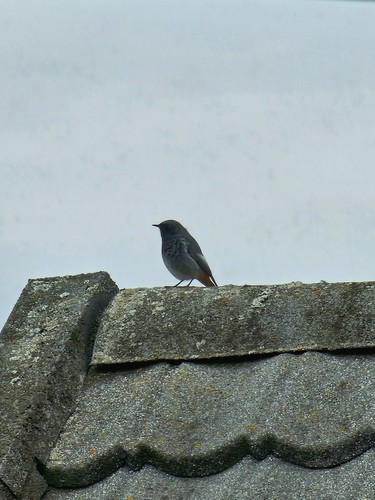
Black Redstart
13-14.5 cm (5.1-5.7 in) long, 23-26 cm wingspan
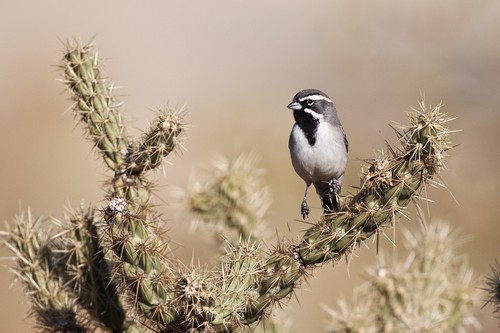
Black-throated Sparrow
12-14 cm (4.7-5.5 in) long, about 19-20 cm (7.5-8 in) wingspan
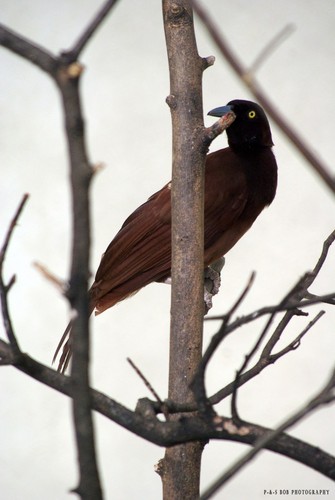
Greater Bird-of-paradise
Body about 43 cm; males with additional flank plumes up to 50 cm and long tail wires
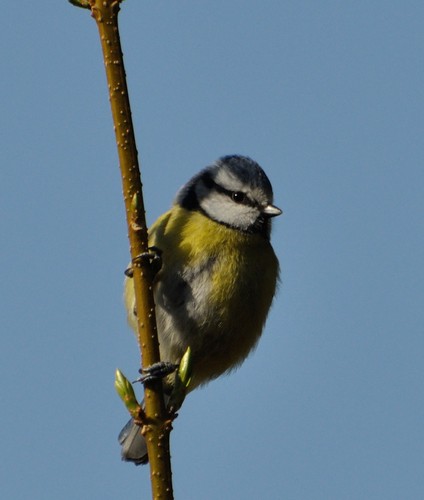
Blue Tit
11-12 cm (4.3-4.7 in) long, 17-20 cm wingspan
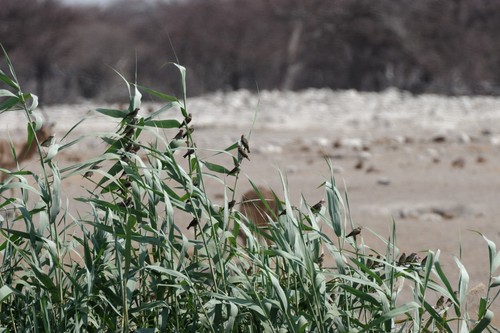
Red-billed Quelea
11.5–13 cm long, wingspan about 20–22 cm
White-plumed Antbird
13-14 cm (5-5.5 in) long
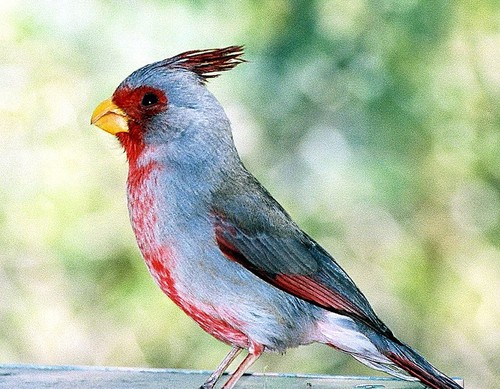
Pyrrhuloxia
19-22 cm (7.5-8.7 in) long, 30 cm wingspan
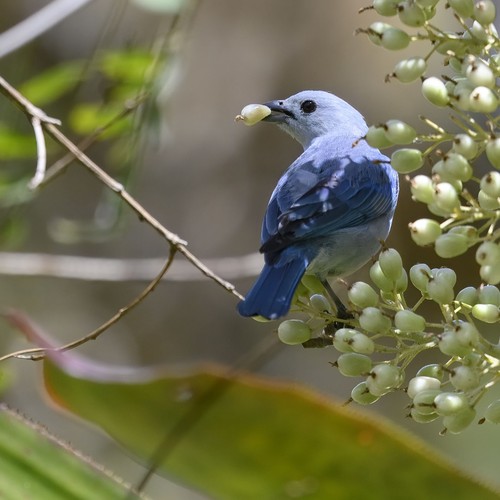
Blue-gray Tanager
16-18 cm (6-7 in) long
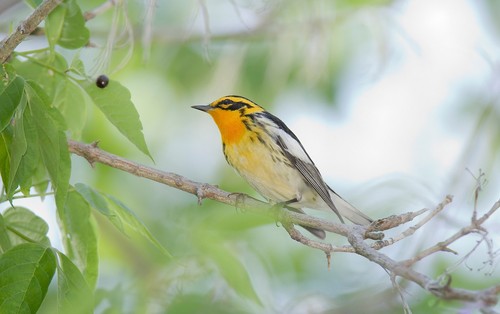
Blackburnian Warbler
11-13 cm (4.3-5.1 in) long, 20-22 cm wingspan
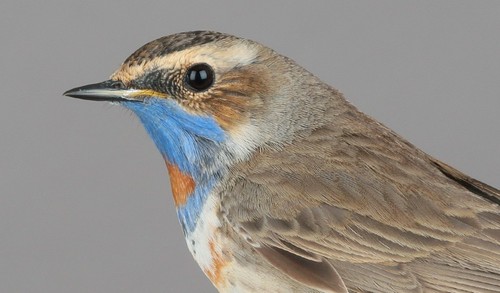
Bluethroat
13-14 cm (5.1-5.5 in) long, 20-22 cm wingspan
Eurasian Nuthatch
12-14.5 cm (4.7-5.7 in) long, 22.5-27 cm wingspan
Wood Thrush
19-21 cm (7.5-8.3 in) long, about 33 cm (13 in) wingspan