
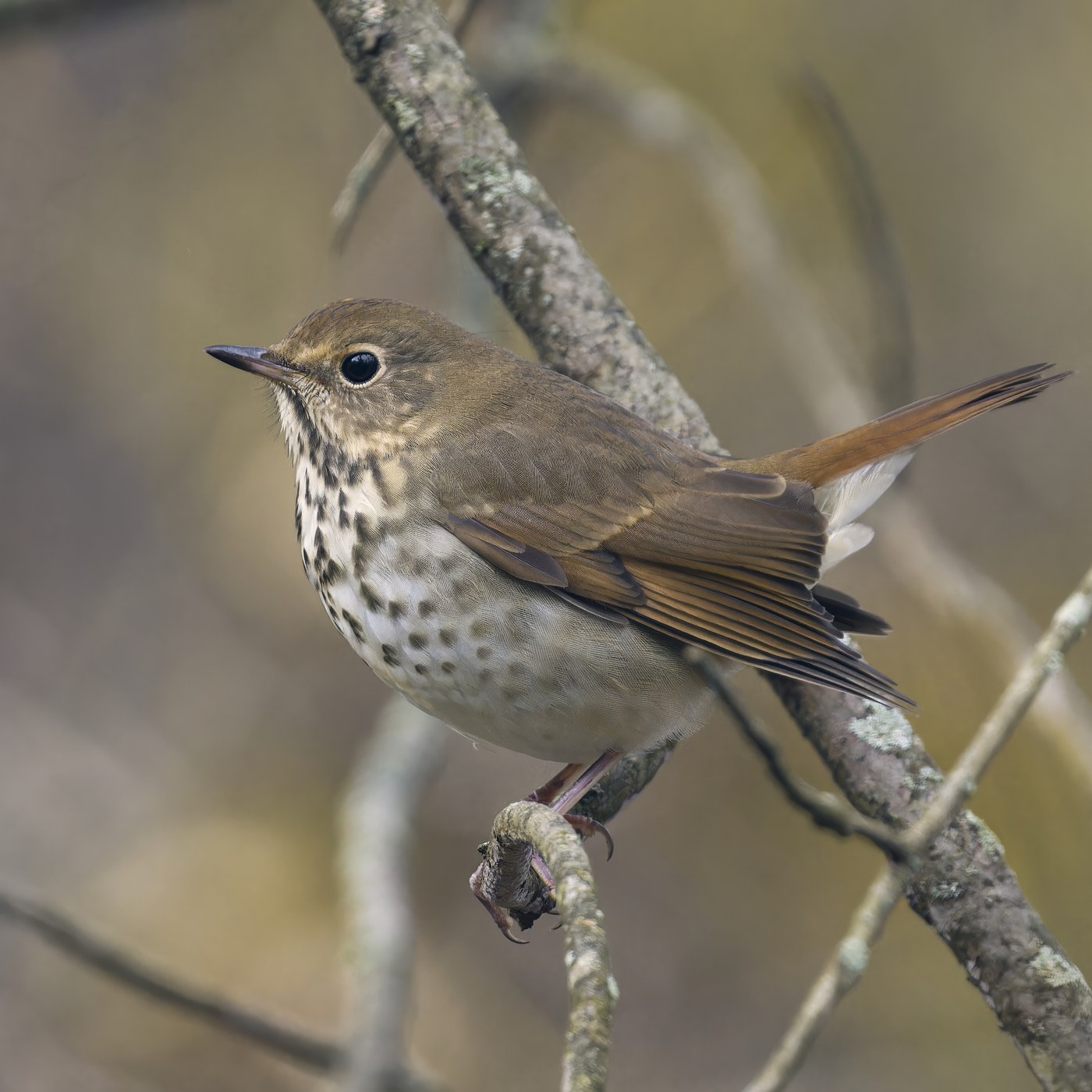
Hermit Thrush
Catharus guttatus
A quietly spotted thrush known for its reddish tail, habit of slowly raising and lowering it, and hauntingly beautiful song.
- Size
- 15-18 cm (6-7 in) long
- Habitat
- coniferous and mixed forests for breeding; woodlands and thickets in winter
- Type
- songbird
Spotted a bird like this?
Identify any bird from a photo, free.
Overview
The Hermit Thrush is a modest but exquisite singer, often the last thrush heard singing in the evening woods and one of the few thrushes that regularly winters in the United States, giving it a special year-round presence for many birders. It is a compact, olive-brown bird with a distinctly reddish tail, a feature that sets it apart from its Catharus relatives.
The breast is marked with dark spots that are more concentrated and bolder on the upper chest, fading into plainer buffy-white flanks and belly. A bold white eyering completes the understated but elegant look.
How to identify it
Key field marks
- Reddish-brown tail contrasting with a duller olive-brown back
- Bold white eyering
- Dark spots concentrated on the upper breast, fading toward the belly
- Habit of slowly raising the tail and lowering it while perched
Similar species
- Swainson's Thrush: buffy eyering and face, uniform olive-brown tail matching the back (no rufous contrast).
- Veery: more uniformly tawny overall with much fainter spotting.
- Wood Thrush: larger, bolder, rounder spots across the entire underparts and a brighter rufous head.
Habitat & range
Habitat
Hermit Thrushes breed in coniferous and mixed forests, including boreal spruce-fir woods, montane forests in the West, and mixed woodlands in the Northeast. In winter they use a broader range of habitats, including deciduous woodlands, thickets, and shrubby edges.
Range
The species breeds across a wide swath of Canada, Alaska, the western mountains, and the northeastern United States. It winters across the southern and coastal United States south to Mexico and Central America, making it the most likely Catharus thrush to be seen in the US during winter.
Migration
Hermit Thrushes are medium-distance migrants and unlike most Catharus thrushes, many populations winter within the continental United States rather than traveling all the way to the tropics.
Behavior & voice
Behavior
Hermit Thrushes forage on or near the ground, often in the shade of dense cover, flipping leaves to find invertebrates and also taking fruit, especially in fall and winter. They have a characteristic habit of slowly lifting the tail and then lowering it while giving a soft call.
Voice
The song is a series of clear, flute-like phrases, each introduced by a single long note and followed by an ethereal, spiraling series of notes at varying pitches, often described as one of the most beautiful and haunting songs in North American birdlife.
Nesting
Nests are built low, often on or near the ground, hidden among ferns, shrubs, or at the base of a small tree. Females lay 3-4 pale blue eggs, and the species typically raises one or two broods per season.
Frequently asked questions
How do you identify a Hermit Thrush?
Look for a reddish tail that contrasts with a duller olive-brown back, a bold white eyering, and a habit of slowly raising and lowering the tail while perched.
Is the Hermit Thrush the only thrush that winters in the US?
It is the most common wintering Catharus thrush in the US; most other Catharus thrushes winter farther south in the tropics.
What does a Hermit Thrush sound like?
Its song is a series of clear, flute-like phrases, each starting with one long note followed by an ethereal spiral of higher and lower notes.
What does a Hermit Thrush eat?
It eats insects and other invertebrates found on the forest floor, along with fruit, particularly in fall and winter.
Hermit Thrush guides
In-depth guides for identifying, finding, and understanding Hermit Thrush.
Other birds you may enjoy
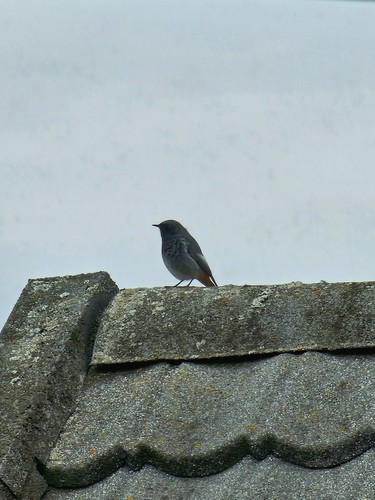
Black Redstart
13-14.5 cm (5.1-5.7 in) long, 23-26 cm wingspan
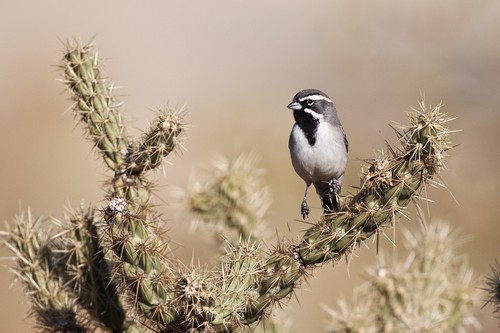
Black-throated Sparrow
12-14 cm (4.7-5.5 in) long, about 19-20 cm (7.5-8 in) wingspan
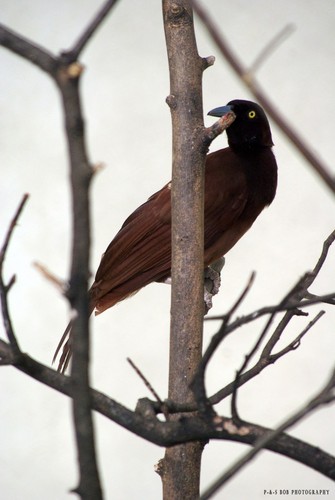
Greater Bird-of-paradise
Body about 43 cm; males with additional flank plumes up to 50 cm and long tail wires
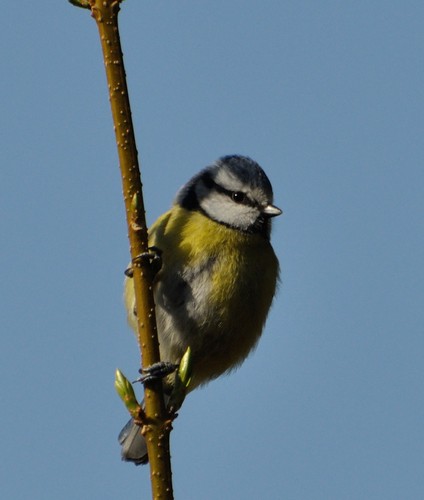
Blue Tit
11-12 cm (4.3-4.7 in) long, 17-20 cm wingspan
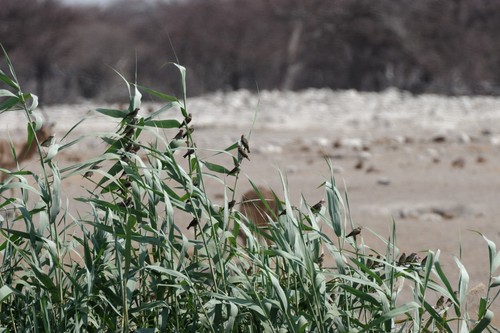
Red-billed Quelea
11.5–13 cm long, wingspan about 20–22 cm
White-plumed Antbird
13-14 cm (5-5.5 in) long
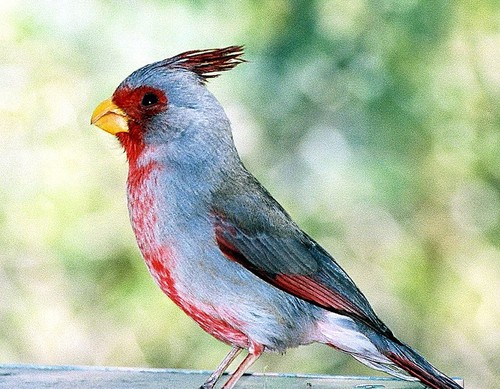
Pyrrhuloxia
19-22 cm (7.5-8.7 in) long, 30 cm wingspan
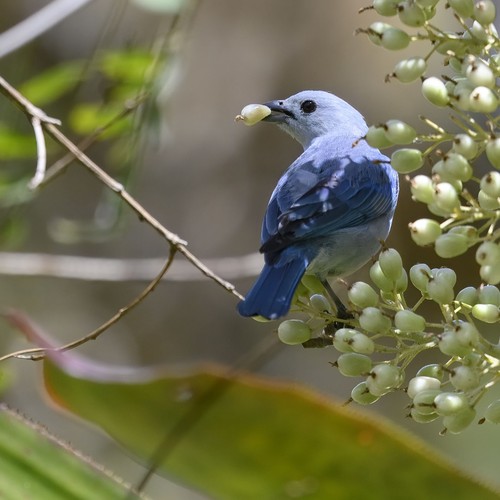
Blue-gray Tanager
16-18 cm (6-7 in) long
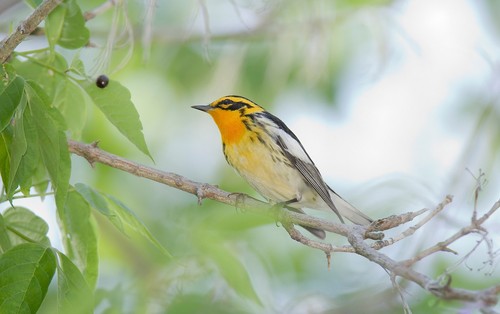
Blackburnian Warbler
11-13 cm (4.3-5.1 in) long, 20-22 cm wingspan
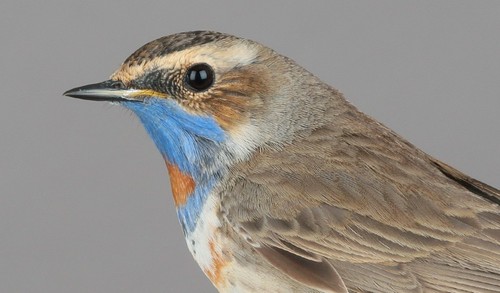
Bluethroat
13-14 cm (5.1-5.5 in) long, 20-22 cm wingspan
Eurasian Nuthatch
12-14.5 cm (4.7-5.7 in) long, 22.5-27 cm wingspan
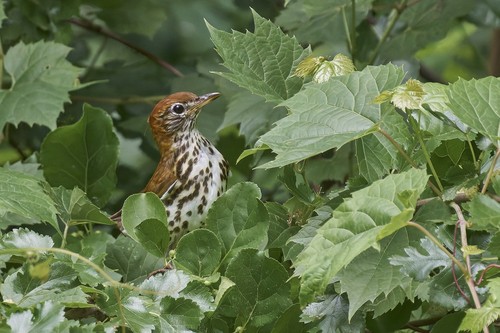
Wood Thrush
19-21 cm (7.5-8.3 in) long, about 33 cm (13 in) wingspan