
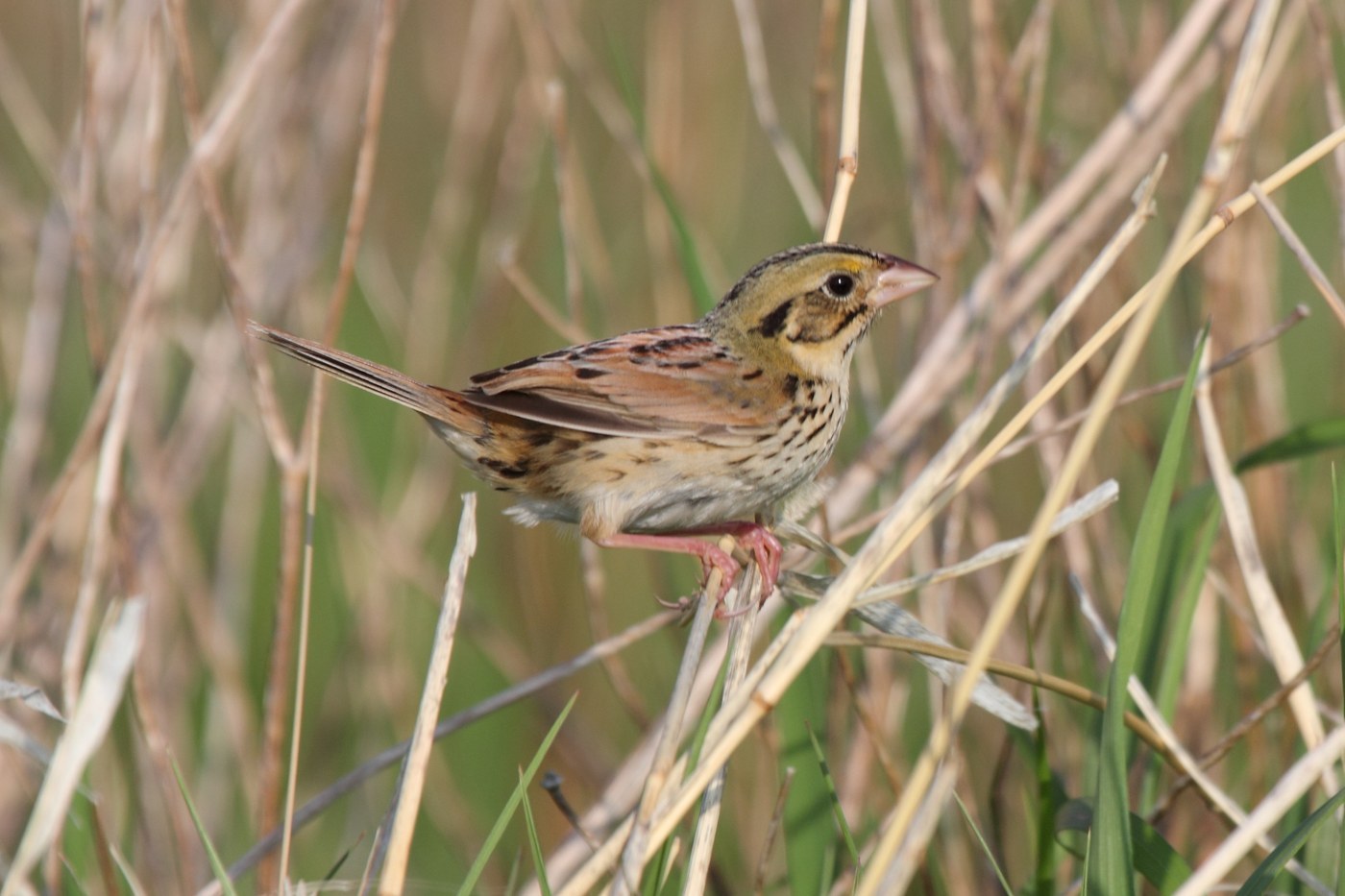
Henslow's Sparrow
Centronyx henslowii
A secretive prairie sparrow with a large flat head, olive face, and one of the most unimpressive songs of any North American bird.
- Size
- 11-13 cm (4.3-5 in) long, about 18 cm (7 in) wingspan
- Habitat
- dense tallgrass prairie, wet meadows, and overgrown fields
- Type
- songbird
Spotted a bird like this?
Identify any bird from a photo, free.
Overview
The Henslow's Sparrow is a small, exceptionally secretive grassland bird best known for the striking mismatch between its subtle beauty up close and its almost comically weak song. It spends nearly all its time hidden low in dense grass, making it one of the more challenging sparrows to observe well.
At close range, the bird shows a distinctive large, flat-topped head, an olive-greenish tinge to the face, a finely streaked crown, and rich chestnut edging on the wing feathers that flashes rufous in flight. The breast is finely streaked on a buffy background, and the overall impression is a compact, big-headed, short-tailed sparrow.
Once more widespread, Henslow's Sparrow has suffered dramatic declines tied to the loss of native tallgrass prairie and other grassland habitats across its range.
How to identify it
Key Field Marks
- Large, flat-topped head relative to body size
- Olive-greenish wash on the face
- Finely streaked crown and breast
- Chestnut-edged wing feathers producing a rufous flash in flight
- Short tail
Similar Species
- Grasshopper Sparrow: shares grassland habitat but has a plainer, unstreaked buffy breast and a flatter facial pattern without the olive tone
- Le Conte's Sparrow: shows a much brighter orange-buff face and breast plus a striped crown with a white central stripe
Because it is so secretive, the short, hiccup-like 'tsi-lick' song, though unimpressive, is often the best way to confirm its presence in dense grass.
Habitat & range
Henslow's Sparrow breeds in dense, relatively tall grassland with a thick litter layer, including remnant tallgrass prairie, weedy old fields, reclaimed strip mines, and wet meadows, mostly in the Midwest and parts of the Northeast and mid-Atlantic United States.
In winter, the species moves to grassy pine savanna, weedy fields, and other grassland habitats across the southeastern United States, particularly the Gulf Coast states. Because it requires large blocks of undisturbed, structurally complex grassland, it has been especially hard-hit by the widespread conversion of prairie to agriculture and development, and it is considered a species of high conservation concern by many state and regional agencies despite a global Least Concern rating.
Behavior & voice
Behavior
Henslow's Sparrow is famously skulking, preferring to run or creep through dense grass rather than fly, and it is easily overlooked even where present in reasonable numbers.
Voice
The song is a very short, insect-like 'tsi-lick,' often described as one of the least musical songs of any North American bird, delivered from a low grass stem or exposed twig, sometimes through much of the day and even at night.
Feeding
Diet consists mainly of insects during the breeding season, shifting toward grass and weed seeds in fall and winter.
Nesting and Breeding
The nest is a well-concealed cup built on or just above the ground in dense grass, often at the base of a grass clump. Females typically lay 3-5 whitish eggs with fine markings.
Frequently asked questions
Why is the Henslow's Sparrow's song so unusual?
It gives an extremely short, weak, hiccup-like 'tsi-lick' call, considered one of the least musical songs of any North American songbird, unlike the more elaborate songs of most sparrows.
Where does the Henslow's Sparrow breed?
It breeds in dense tallgrass prairie remnants, weedy old fields, and wet meadows mainly in the midwestern and northeastern United States.
Is the Henslow's Sparrow rare?
It is uncommon and has declined sharply due to loss of grassland habitat, though it is not currently classified as globally threatened.
How do you identify a Henslow's Sparrow?
Look for a small sparrow with a large flat head, olive-toned face, finely streaked crown and breast, and chestnut wing edges visible in flight.
Where does the Henslow's Sparrow spend the winter?
It winters in grassy pine savanna and weedy fields across the southeastern United States, especially near the Gulf Coast.
Henslow's Sparrow guides
In-depth guides for identifying, finding, and understanding Henslow's Sparrow.
Other birds you may enjoy
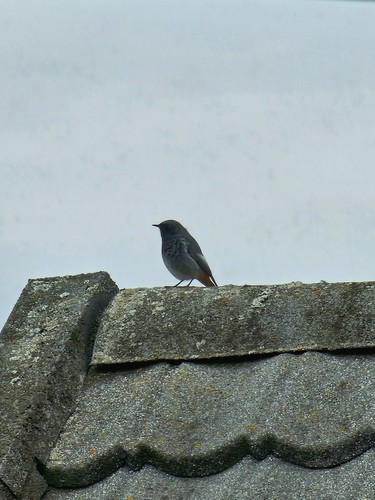
Black Redstart
13-14.5 cm (5.1-5.7 in) long, 23-26 cm wingspan
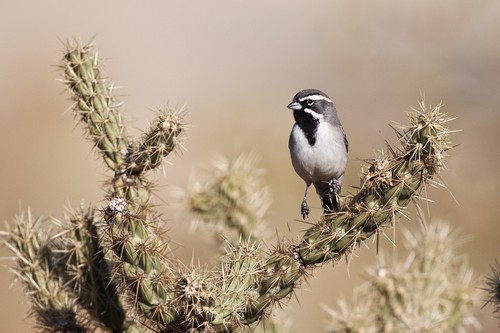
Black-throated Sparrow
12-14 cm (4.7-5.5 in) long, about 19-20 cm (7.5-8 in) wingspan
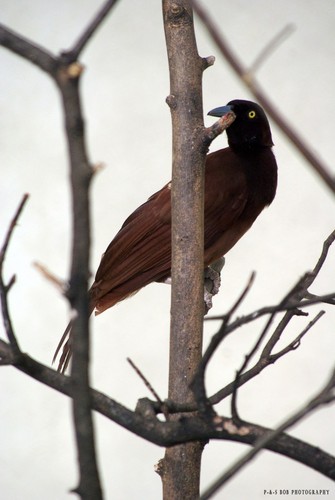
Greater Bird-of-paradise
Body about 43 cm; males with additional flank plumes up to 50 cm and long tail wires
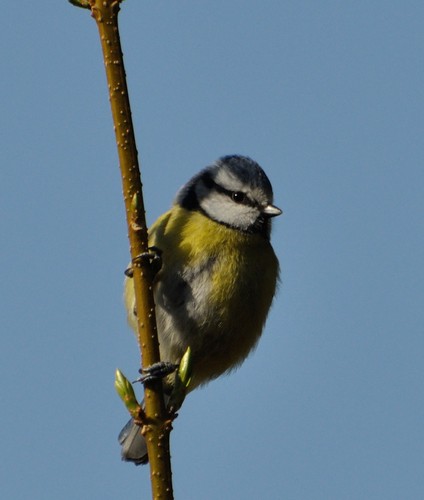
Blue Tit
11-12 cm (4.3-4.7 in) long, 17-20 cm wingspan
Red-billed Quelea
11.5–13 cm long, wingspan about 20–22 cm
White-plumed Antbird
13-14 cm (5-5.5 in) long
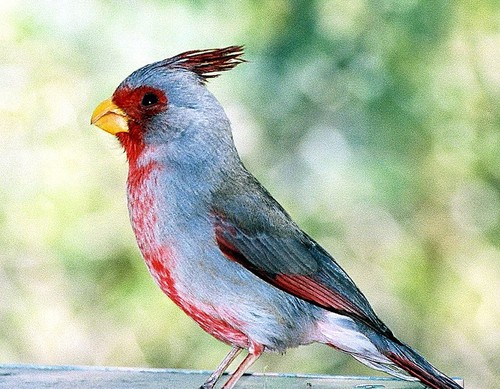
Pyrrhuloxia
19-22 cm (7.5-8.7 in) long, 30 cm wingspan
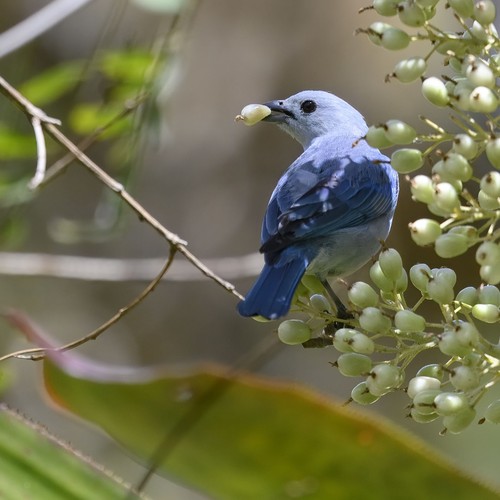
Blue-gray Tanager
16-18 cm (6-7 in) long
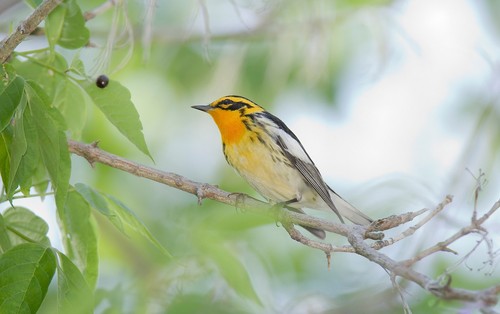
Blackburnian Warbler
11-13 cm (4.3-5.1 in) long, 20-22 cm wingspan
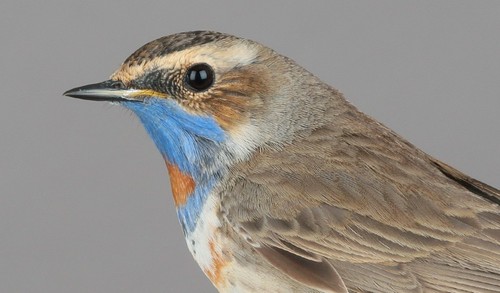
Bluethroat
13-14 cm (5.1-5.5 in) long, 20-22 cm wingspan
Eurasian Nuthatch
12-14.5 cm (4.7-5.7 in) long, 22.5-27 cm wingspan
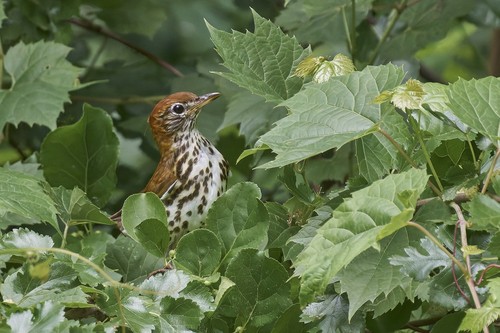
Wood Thrush
19-21 cm (7.5-8.3 in) long, about 33 cm (13 in) wingspan