
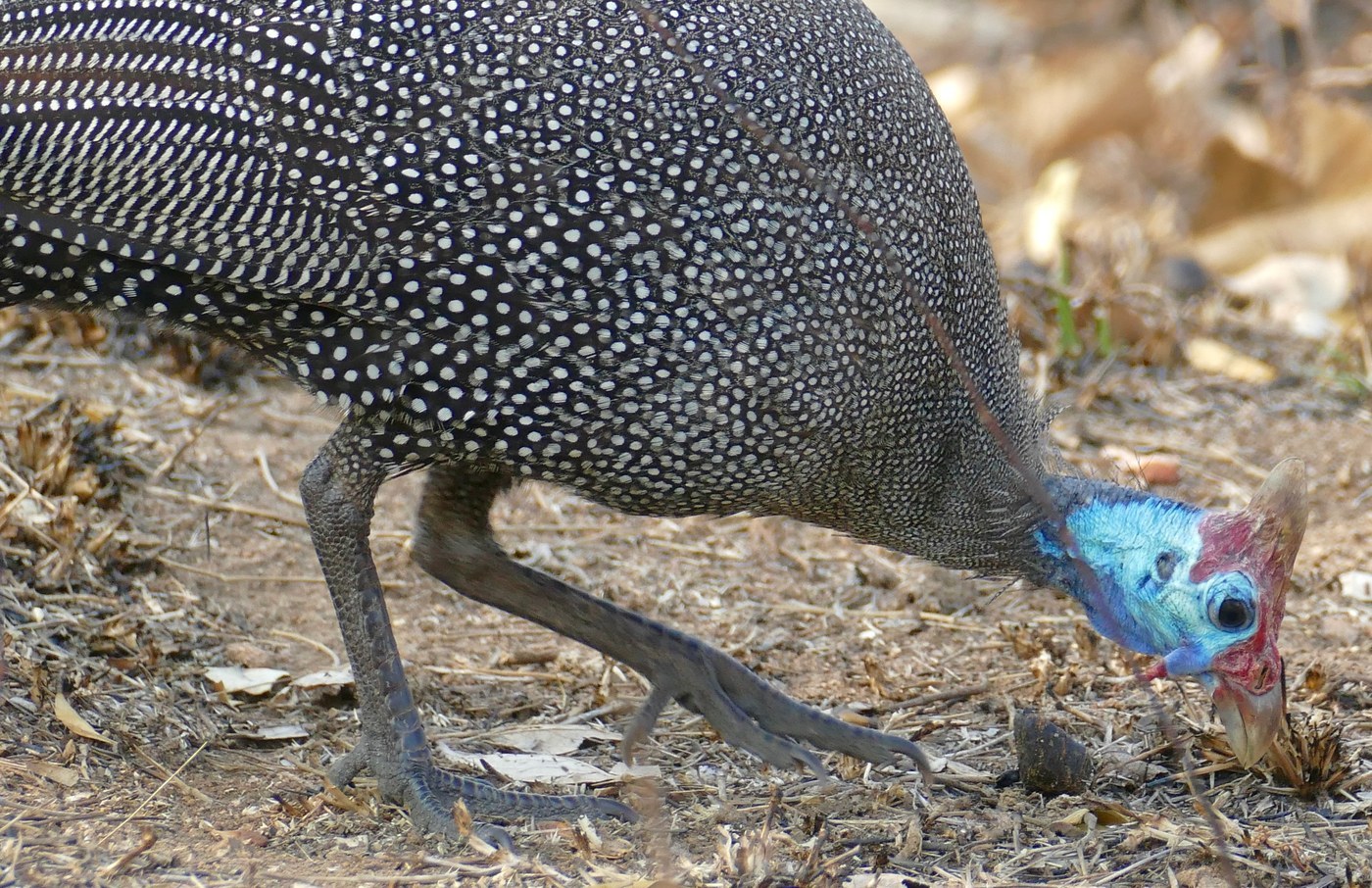
Helmeted Guineafowl
Numida meleagris
A gregarious, ground-dwelling African gamebird instantly recognizable by its bare bluish head, red facial wattles, and bony helmet-like casque.
- Size
- Length 53-58 cm; wingspan approximately 90 cm
- Habitat
- Savanna, grassland, and open woodland across sub-Saharan Africa
- Type
- gamebird
Spotted a bird like this?
Identify any bird from a photo, free.
Overview
The Helmeted Guineafowl is a large, plump, ground-dwelling gamebird native to Africa, easily recognized by its bare, bluish-grey head topped with a distinctive bony casque or "helmet." The body is covered in dark grey-black plumage densely spotted with small white dots, giving the bird a pearled, polka-dot appearance.
Appearance
- Rounded, heavy-bodied shape with a small bare head and short tail
- Bluish-grey bare skin on the head and neck, with red wattles hanging beneath the bill
- Bony casque projecting from the crown
- Dark grey to blackish body plumage covered in fine white spots
- Sexes look similar, though males often have slightly larger wattles and casques
How to identify it
Key field marks
- Bare blue-grey head with a hard bony helmet on top
- Red wattles at the base of the bill
- Dark, heavily white-spotted body plumage
- Rounded silhouette and short tail carried low
Similar species
The Vulturine Guineafowl is larger, has a longer neck and tail, and lacks the bony casque, instead showing a bare blue face and cascading blue hackle feathers. No other widespread African bird shares the combination of a spotted body and helmeted bare head.
Habitat & range
Habitat
Helmeted Guineafowl favor open savanna, grassland, cultivated land, and woodland edges, generally avoiding dense forest interiors.
Range
They are widespread across sub-Saharan Africa, from the Sahel south to South Africa. The species has also been widely introduced and domesticated on other continents, with feral populations established in parts of the Caribbean, southern Europe, and elsewhere.
Migration
They are non-migratory and largely sedentary, though flocks may move locally in search of food and water.
Behavior & voice
Behavior
Helmeted Guineafowl are highly social, forming flocks that can number from a handful of birds to several dozen outside the breeding season. They are primarily terrestrial, walking and running to forage and only flying short distances when startled, typically exploding upward with rapid whirring wingbeats.
Voice
They are noisy birds, giving loud, harsh, repetitive cackling and chattering calls, especially when alarmed, which makes them valuable as sentinels alerting other animals to predators.
Feeding
They forage on the ground in flocks, scratching through soil and leaf litter for seeds, bulbs, insects, and other small invertebrates.
Nesting & breeding
Helmeted Guineafowl nest on the ground in a shallow scrape concealed in vegetation, laying a clutch that can range widely in size, sometimes from communal laying by more than one hen. Chicks are precocial, leaving the nest and following the parents soon after hatching.
Frequently asked questions
What is the bony bump on a Helmeted Guineafowl's head?
It is a hard, bony casque or "helmet" that grows from the skull, giving the species its common name.
Are Helmeted Guineafowl native to Africa?
Yes, they are native to sub-Saharan Africa but have been introduced and kept in many other parts of the world.
How do you tell male and female Helmeted Guineafowl apart?
The sexes look very similar in the field; males typically have slightly larger casques and wattles, but this is not always a reliable distinction at a distance.
Why are Helmeted Guineafowl so noisy?
Their loud cackling calls function as alarm signals within the flock and often alert other animals in the area to approaching predators.
Helmeted Guineafowl guides
In-depth guides for identifying, finding, and understanding Helmeted Guineafowl.
Other birds you may enjoy
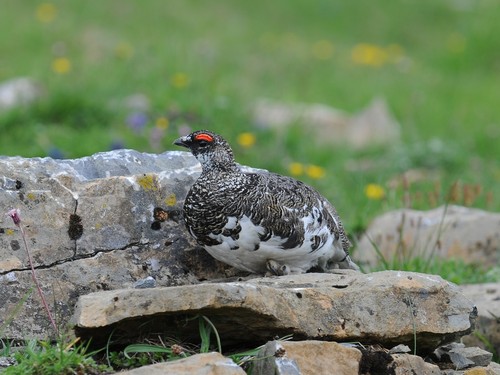
Rock Ptarmigan
34-36 cm (13-14 in) long
Congo Peafowl
Males about 64-70 cm long; females slightly smaller; no elaborate train
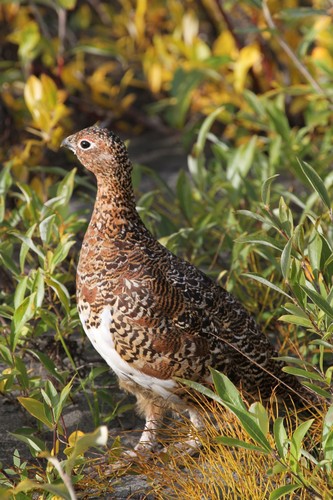
Willow Ptarmigan
37-42 cm (15-16.5 in) long
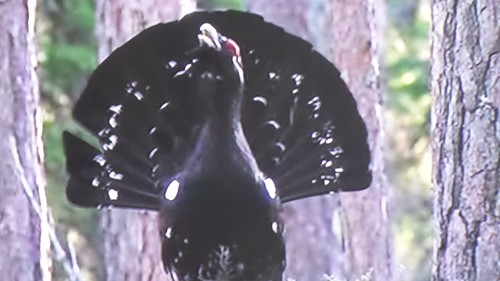
Western Capercaillie
male 74-90 cm (29-35 in), female 54-64 cm; male wingspan up to 125-130 cm
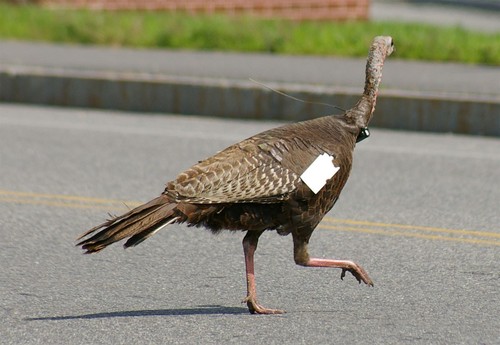
Wild Turkey
males 100-125 cm (39-49 in) long; females smaller, around 76-95 cm (30-37 in)
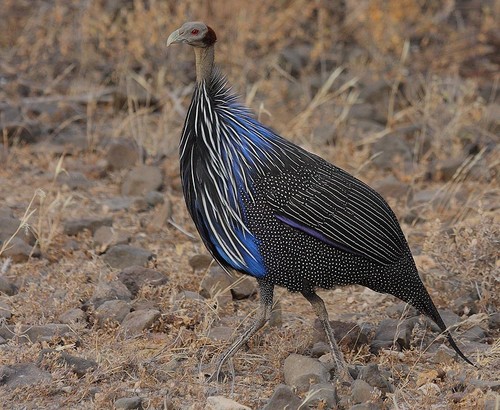
Vulturine Guineafowl
Length 61-71 cm, the largest guineafowl species, with a notably long neck and tail
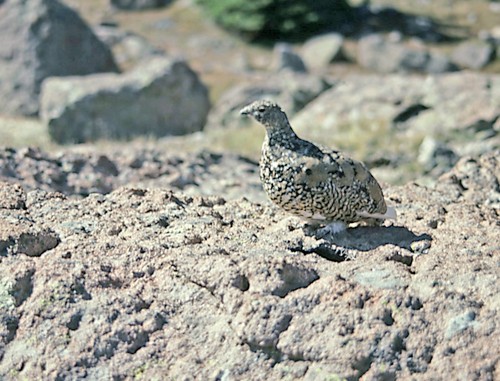
White-tailed Ptarmigan
30-33 cm (12-13 in) long; the smallest ptarmigan species
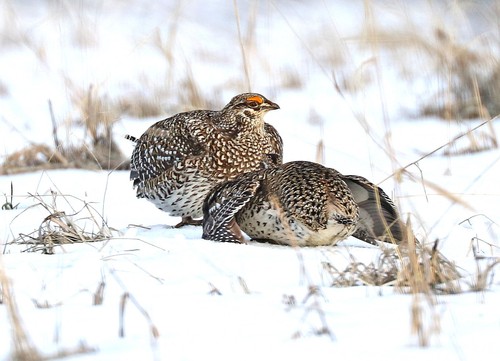
Sharp-tailed Grouse
38-48 cm (15-19 in) long
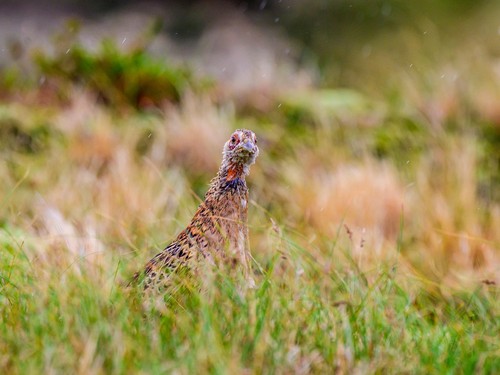
Ring-necked Pheasant
males 76-90 cm (30-35 in) long including a long tail; females smaller, 55-65 cm (22-26 in)
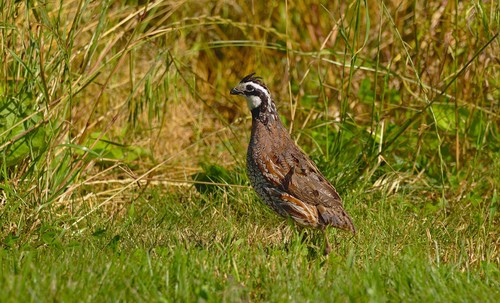
Northern Bobwhite
24-28 cm (9.5-11 in) long, 33-38 cm wingspan
Red-legged Partridge
32-34 cm (13 in) long, 47-50 cm wingspan
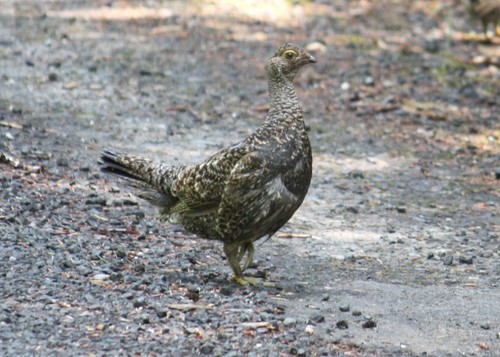
Sooty Grouse
43-48 cm (17-19 in) long; males larger than females