
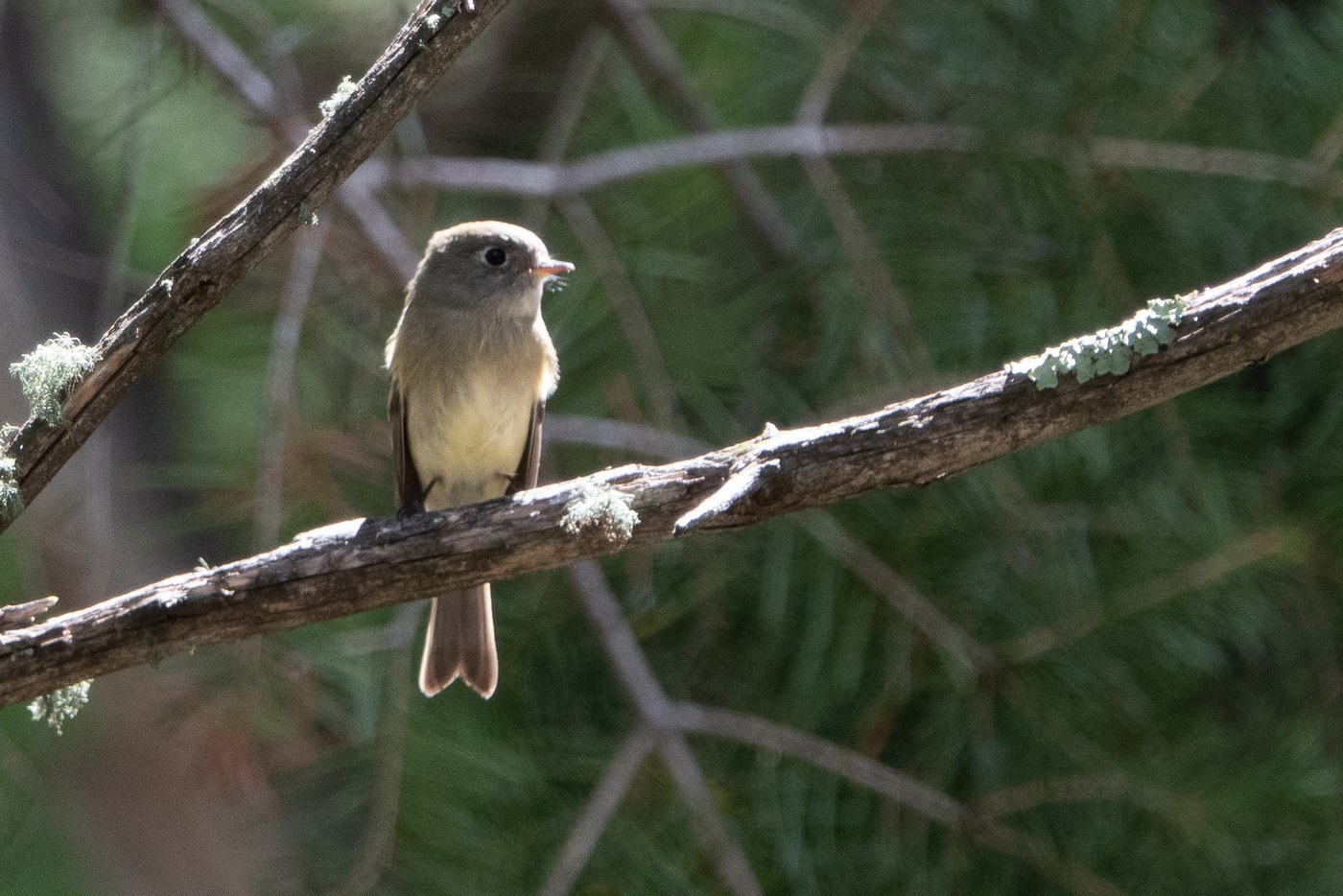
Hammond's Flycatcher
Empidonax hammondii
A small, grayish Empidonax flycatcher of mature western conifer forests, often foraging high in the canopy and best identified by voice.
- Size
- 13-14 cm (5-5.5 in) long, 21-22 cm wingspan
- Habitat
- mature coniferous forests of the western mountains and Pacific Northwest
- Type
- songbird
Spotted a bird like this?
Identify any bird from a photo, free.
Overview
Hammond's Flycatcher is a small, subtly gray-toned Empidonax flycatcher associated with mature coniferous forest in the western mountains, particularly favoring tall, closed-canopy stands where it forages actively high overhead. It shows olive-gray upperparts, a grayish throat and breast, a modest whitish eye-ring, and pale wing bars, differing only subtly from several similar-looking relatives.
As with most Empidonax flycatchers, definitive identification usually depends on voice, structure, and habitat rather than plumage alone, since Hammond's overlaps closely in appearance with Dusky and Gray Flycatchers.
How to identify it
Key Field Marks
- Olive-gray upperparts and a grayish wash across the throat and breast, with a pale yellow tinge on the belly
- Small, indistinct whitish eye-ring
- Two pale wing bars
- Relatively long primary projection (wingtip extension past the tail base) and short bill compared to similar species
Similar Species
- Dusky Flycatcher is very similar but has a shorter primary projection, a longer tail, and typically a longer bill; the two are best separated by structure and voice.
- Gray Flycatcher is paler gray overall with a longer tail that it characteristically dips downward, unlike Hammond's.
- Pacific-slope/Cordilleran Flycatchers show a more yellow wash and bolder, teardrop-shaped eye-ring.
Habitat & range
Hammond's Flycatchers breed in mature coniferous forests of the western mountains, from Alaska and western Canada south through the Pacific Northwest, Rockies, and Sierra Nevada, generally favoring tall, closed-canopy stands of fir, spruce, and other conifers where they forage in the mid to upper canopy.
The species winters primarily in Mexico and Central America, migrating through a broad swath of the western United States.
Behavior & voice
Voice
Gives a soft series of burry notes in its song, often rendered as seput, tseeer, seet, along with a sharp peek call; voice is key for separating it from similar Empidonax species.
Feeding
Forages actively, often high in the canopy of mature conifers, sallying out to catch flying insects and also hover-gleaning prey from foliage.
Nesting
Builds a compact cup nest of plant fibers and lichen, typically placed on a horizontal branch well up in a conifer, often well concealed within the canopy.
Frequently asked questions
How do I identify a Hammond's Flycatcher?
Look for a small, olive-gray Empidonax flycatcher with a grayish breast, indistinct eye-ring, and relatively long primary projection, typically foraging high in mature conifer canopy; voice is the most reliable confirmation.
How is Hammond's Flycatcher different from Dusky Flycatcher?
Hammond's has a longer primary projection and shorter bill and tail compared to Dusky Flycatcher, and the two are best distinguished by subtle structural differences and voice.
Where does Hammond's Flycatcher breed?
It breeds in mature coniferous forests of the western mountains, from Alaska and western Canada south through the Pacific Northwest, Rockies, and Sierra Nevada.
Where do Hammond's Flycatchers winter?
They migrate to winter primarily in Mexico and Central America.
Hammond's Flycatcher guides
In-depth guides for identifying, finding, and understanding Hammond's Flycatcher.
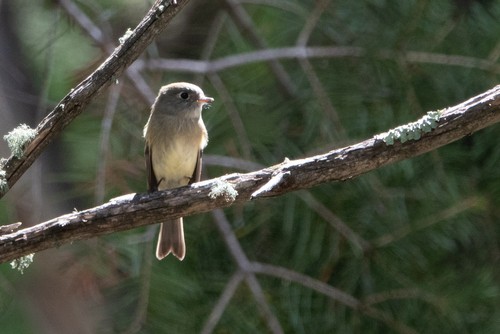
Other birds you may enjoy
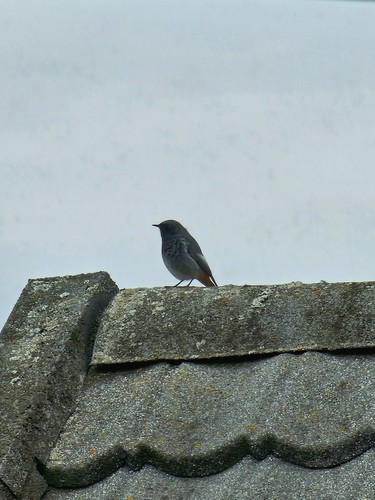
Black Redstart
13-14.5 cm (5.1-5.7 in) long, 23-26 cm wingspan
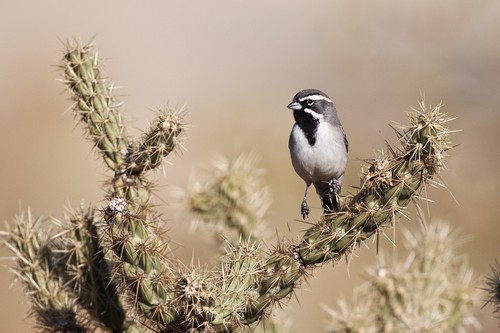
Black-throated Sparrow
12-14 cm (4.7-5.5 in) long, about 19-20 cm (7.5-8 in) wingspan
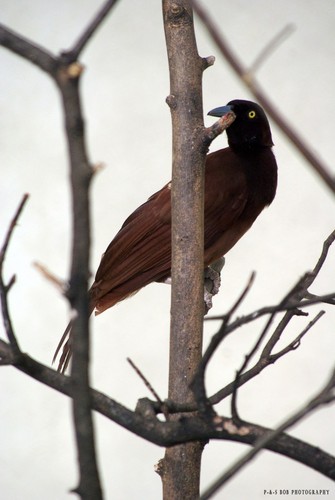
Greater Bird-of-paradise
Body about 43 cm; males with additional flank plumes up to 50 cm and long tail wires
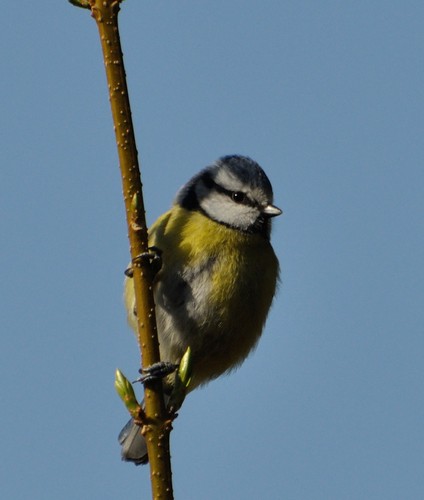
Blue Tit
11-12 cm (4.3-4.7 in) long, 17-20 cm wingspan
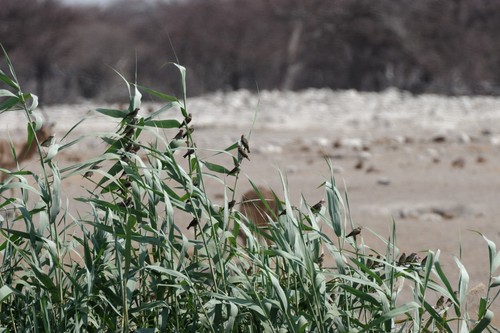
Red-billed Quelea
11.5–13 cm long, wingspan about 20–22 cm
White-plumed Antbird
13-14 cm (5-5.5 in) long
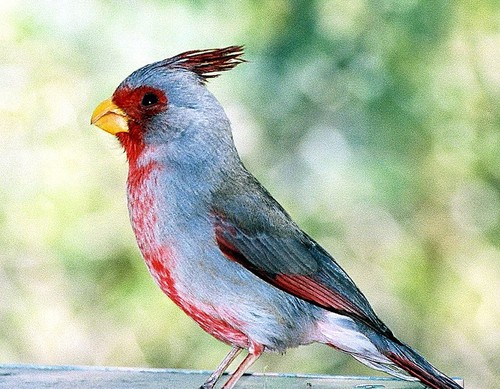
Pyrrhuloxia
19-22 cm (7.5-8.7 in) long, 30 cm wingspan
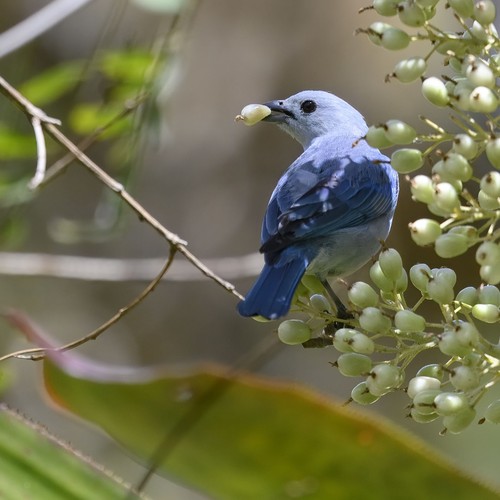
Blue-gray Tanager
16-18 cm (6-7 in) long
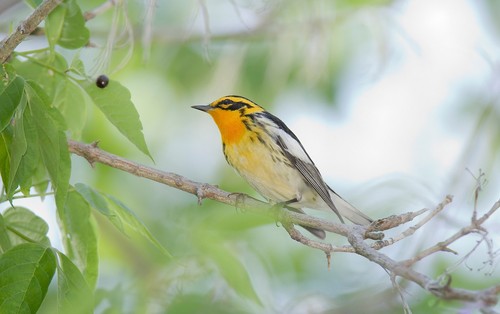
Blackburnian Warbler
11-13 cm (4.3-5.1 in) long, 20-22 cm wingspan
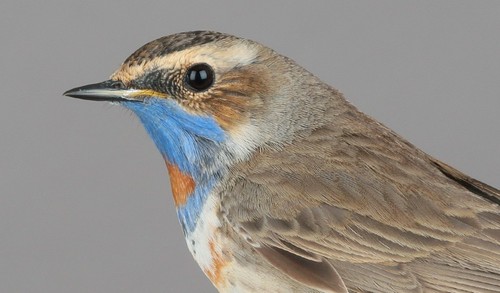
Bluethroat
13-14 cm (5.1-5.5 in) long, 20-22 cm wingspan
Eurasian Nuthatch
12-14.5 cm (4.7-5.7 in) long, 22.5-27 cm wingspan
Wood Thrush
19-21 cm (7.5-8.3 in) long, about 33 cm (13 in) wingspan