
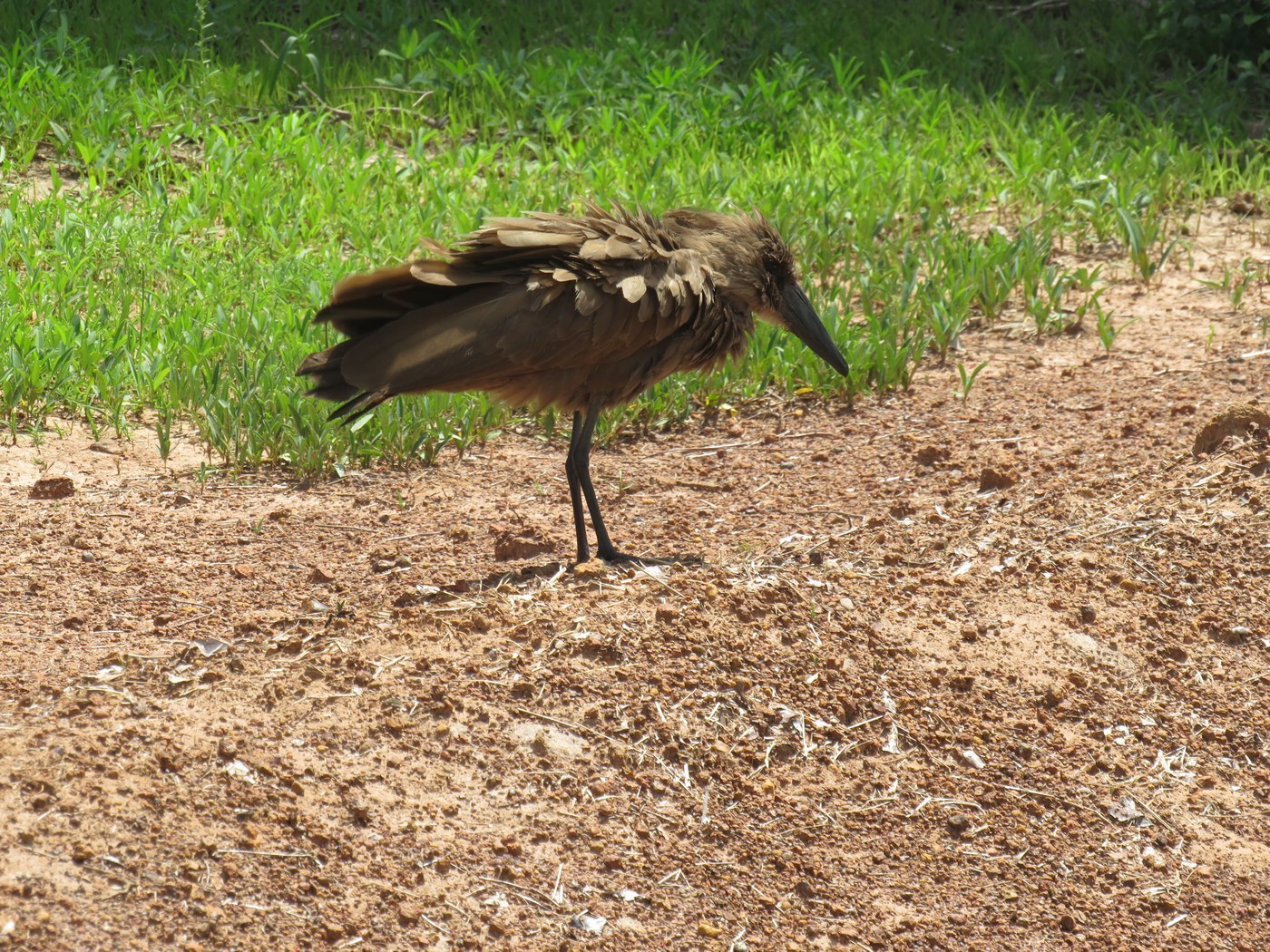
Hamerkop
Scopus umbretta
A uniquely shaped brown wading bird with a hammer-shaped head, famed for building enormous, elaborate stick nests.
- Size
- 56 cm long; wingspan 90-94 cm
- Habitat
- Wetlands, rivers, marshes, and lake edges across sub-Saharan Africa and Madagascar
- Type
- wading-bird
Spotted a bird like this?
Identify any bird from a photo, free.
Overview
The Hamerkop is a medium-sized wading bird found throughout sub-Saharan Africa and Madagascar, so distinctive in shape and behavior that it is placed in its own family. Its name, derived from Afrikaans, means "hammerhead," describing its unusual head profile.
Appearance
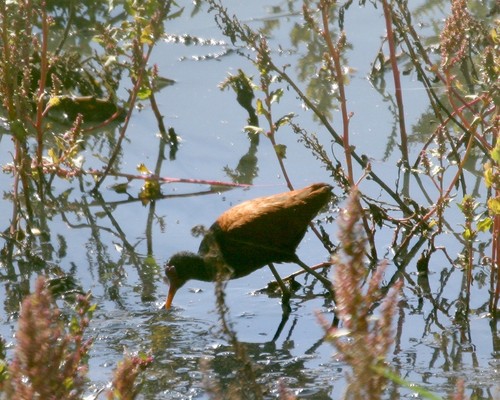
Plumage is a uniform dull brown throughout, with a slight iridescent sheen on the upperparts in good light. The head features a thick, backward-pointing crest at the rear of the crown that, combined with the long, flattened bill, creates a hammer- or hatchet-shaped silhouette when viewed from the side. The bill is stout, laterally compressed, and slightly hooked at the tip. Legs are dark and relatively short for a wading bird.
How to identify it
Key field marks
- Uniform dull brown plumage overall
- Distinctive hammer- or hatchet-shaped head created by a rear crest and flattened bill
- Medium size with a somewhat hunched wading posture
- Often seen alone or in pairs near water, and frequently in flight with slow, heron-like wingbeats
Similar species
No other African wading bird shares its unique head shape, making the Hamerkop essentially unmistakable once seen well. In flight, its silhouette with neck slightly retracted and legs trailing can suggest a small heron, but the distinctive head shape and uniform brown color quickly confirm identification.
Habitat & range
Habitat
Found near almost any freshwater habitat, including rivers, streams, marshes, ponds, lake shores, and flooded grassland, generally avoiding only dense forest interiors and true desert.
Range
Widespread across sub-Saharan Africa, from Senegal to Ethiopia and south to South Africa, and also found in Madagascar and parts of the southwestern Arabian Peninsula.
Migration
Mostly resident and sedentary, though individuals may wander locally in response to changing water levels and food availability.
Behavior & voice
Behavior
Hamerkops are best known for constructing enormous, elaborate domed stick nests, often over a meter across and capable of supporting the weight of a person, built over many weeks with an internal chamber accessed by a tunnel entrance. Nests are frequently reused and expanded across seasons, and unused nests are often taken over by other species such as owls, geese, or snakes. The species has long featured in African folklore as a bird of mystery and superstition, though its true habits are simply those of an industrious, resourceful wader.
Voice
Vocal, giving a variety of sharp, nasal calls including a distinctive high-pitched "yip" or cackling series, especially during social displays involving multiple birds.
Feeding
Forages by wading in shallow water, using its bill to probe mud and stir up prey, or by stamping its feet to flush aquatic animals; it feeds mainly on small fish, frogs and tadpoles, and aquatic insects.
Nesting and breeding
Builds the large domed stick nest described above, typically in a tree fork or on a cliff ledge near water, taking weeks to complete. Clutches usually contain three to six eggs, incubated by both parents, with chicks remaining in the nest for an extended period before fledging.
Frequently asked questions
Why is it called a Hamerkop?
The name comes from Afrikaans for 'hammerhead,' describing the distinctive silhouette created by its rear head crest and long flat bill.
How big are Hamerkop nests?
Their domed stick nests can exceed a meter in diameter and are strong enough to bear a person's weight, taking weeks of continuous building to complete.
What does a Hamerkop eat?
Mainly small fish, frogs, tadpoles, and aquatic insects, caught while wading in shallow water.
Where do Hamerkops live?
They occur near freshwater wetlands, rivers, and lakes throughout sub-Saharan Africa and Madagascar.
Do other animals use Hamerkop nests?
Yes, abandoned or unused Hamerkop nests are commonly taken over by other birds such as owls and geese, as well as by some reptiles.
Hamerkop guides
In-depth guides for identifying, finding, and understanding Hamerkop.
Other birds you may enjoy
Demoiselle Crane
85-100 cm (33-39 in) long, 155-180 cm wingspan
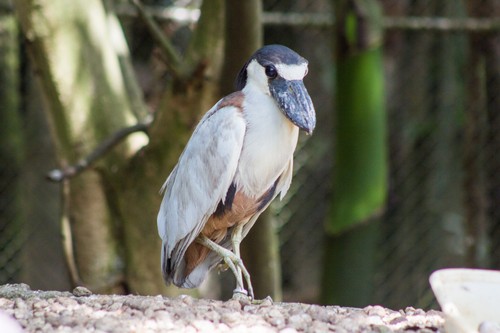
Boat-billed Heron
41-56 cm (16-22 in) long
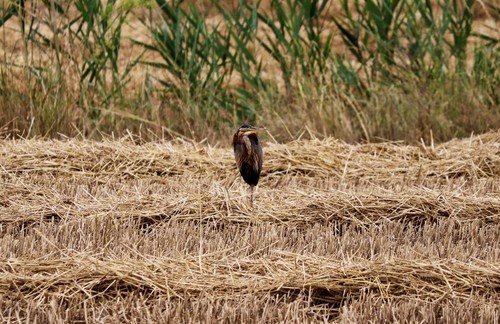
Purple Heron
78-90 cm (31-35 in) long, 120-152 cm wingspan
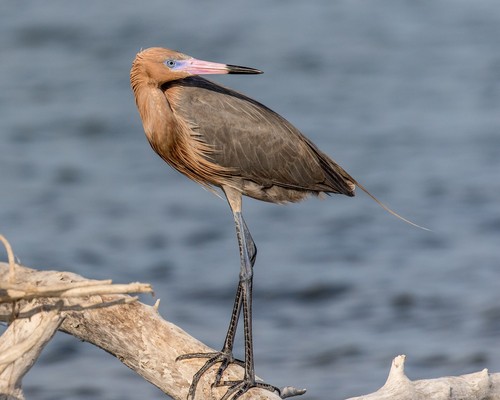
Reddish Egret
68-82 cm (27-32 in) long, 116-125 cm wingspan
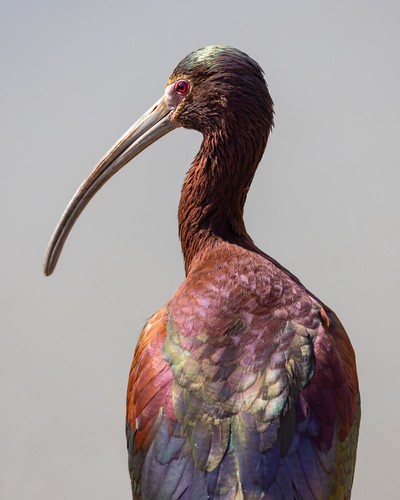
White-faced Ibis
46-56 cm (18-22 in) long, 88-93 cm wingspan
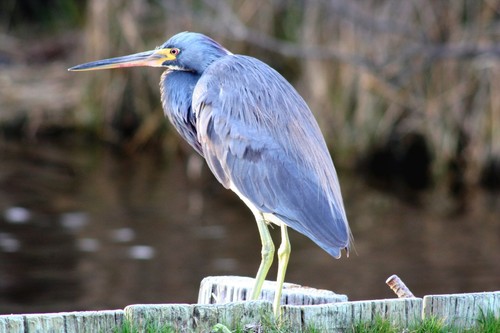
Tricolored Heron
61-76 cm (24-30 in) long, about 96 cm wingspan
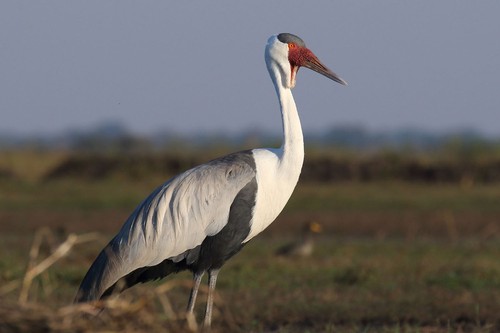
Wattled Crane
120-175 cm (47-69 in) tall, one of the tallest cranes, wingspan up to about 230 cm (7.5 ft)
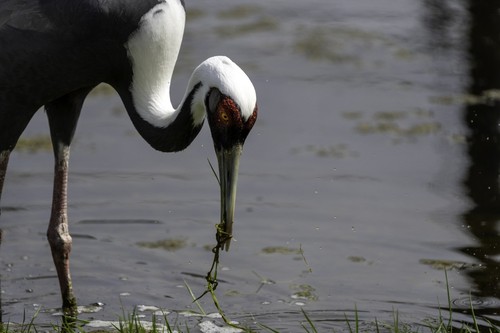
White-naped Crane
112-125 cm (44-49 in) long, 195-210 cm wingspan
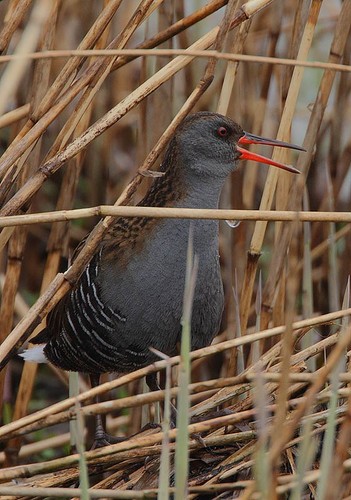
Water Rail
23-28 cm (9-11 in) long, wingspan 38-45 cm
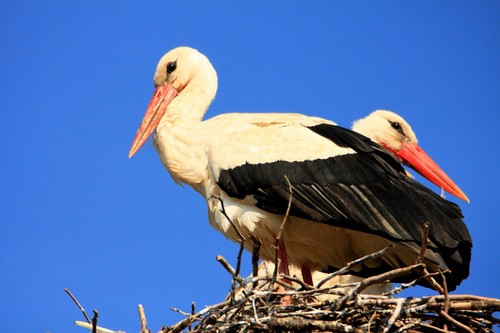
White Stork
100-125 cm (39-49 in) long, 155-215 cm wingspan
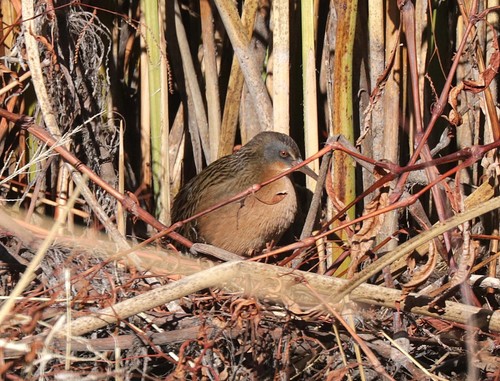
Virginia Rail
20-27 cm (8-11 in) long, wingspan 32-38 cm
Wattled Jacana
17-23 cm (7-9 in) long