
Hadada Ibis
Bostrychia hagedash
A loud, grey-brown African ibis famous for its raucous 'ha-ha-ha-hadada' call, often heard echoing over gardens and cities at dawn.
- Size
- 65-76 cm (26-30 in) long, 100-108 cm wingspan
- Habitat
- savanna, gardens, parks, and urban lawns across sub-Saharan Africa
- Type
- wading-bird
Spotted a bird like this?
Identify any bird from a photo, free.
Overview
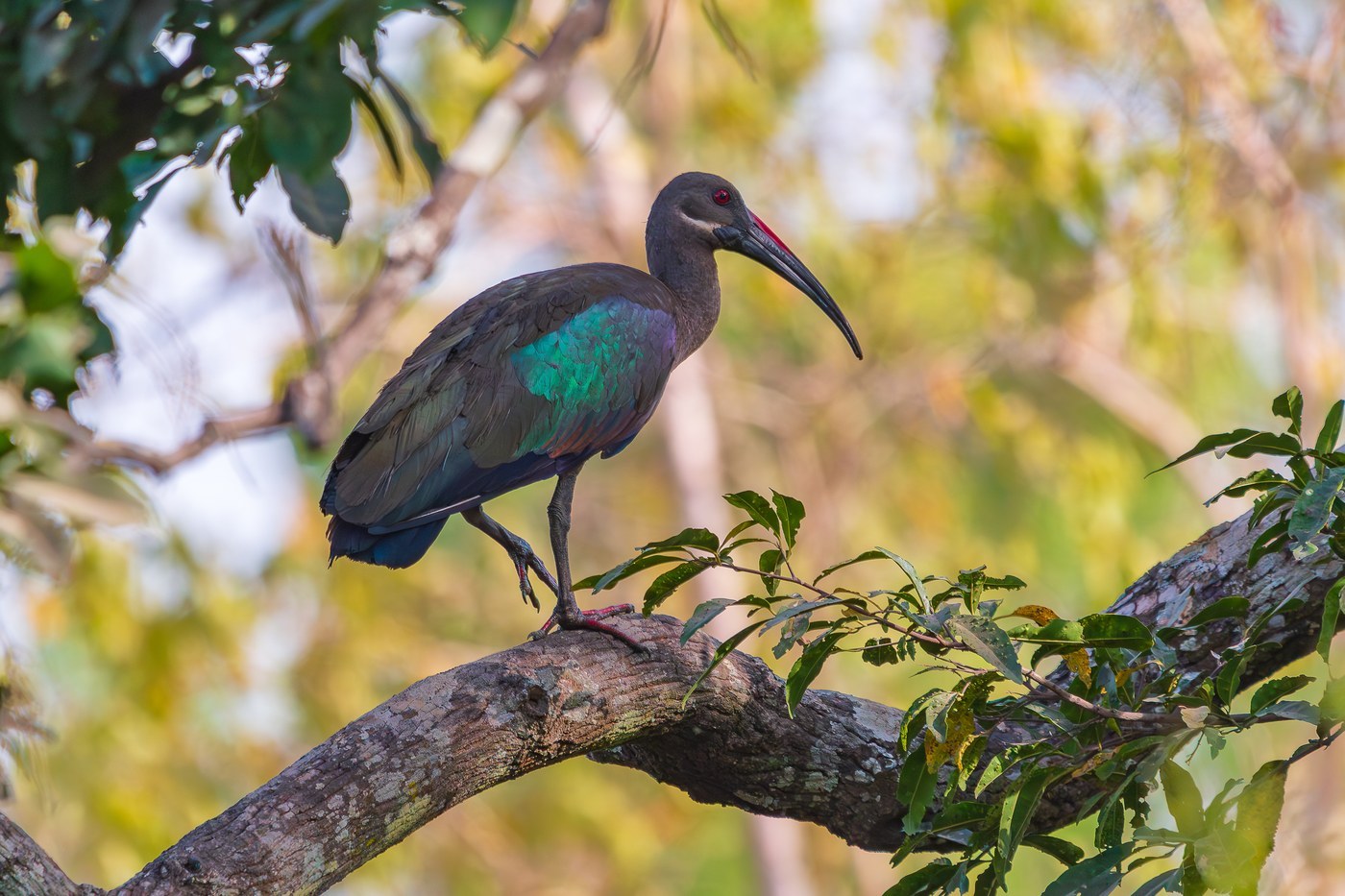
The Hadada Ibis is a large, stocky, grey-brown ibis with a subtle but beautiful iridescent purple-green sheen across the wing coverts, visible in good light. It has a heavy, down-curved dark bill with a red stripe along the upper edge near the base, and a distinctive narrow white or grey stripe across the cheek in some populations.
Despite its relatively plain overall coloring, the Hadada Ibis is one of the most recognizable birds across much of Africa thanks to its extremely loud, raucous call, often given in flight at dawn and dusk, which has made it both a beloved and, to some, a somewhat notorious feature of African urban and suburban life.
How to identify it
Key field marks
- Grey-brown body with iridescent purple-green sheen on the wing coverts
- Heavy, down-curved dark bill with a reddish stripe near the base
- Stocky build and relatively short legs for an ibis
- Loud, distinctive "ha-ha-ha-hadada" call, especially in flight
Similar species
Other African ibises, such as the Sacred Ibis, are largely white and easily distinguished; no other common African ibis shares the Hadada's overall dull brown plumage combined with its unmistakable call.
Habitat & range
Habitat
Hadada Ibis are highly adaptable, using savanna, woodland edges, farmland, and increasingly gardens, parks, and urban lawns across their range.
Range and migration
The species is widespread across sub-Saharan Africa and has expanded significantly into urban and suburban areas in recent decades; populations are largely resident.
Behavior & voice
Behavior
Hadada Ibis are often seen foraging alone, in pairs, or small groups on open lawns and grassy areas, walking steadily while probing the ground, and roost communally at night in tall trees.
Voice
Its loud, nasal "ha-ha-ha-hadada" call, from which the species gets its name, is given especially in flight at dawn and dusk and is one of the most familiar bird sounds across much of Africa.
Feeding
It probes soft, moist soil and lawns with its long bill to extract earthworms and other invertebrates, often relying on touch to locate prey underground.
Nesting and breeding
Hadada Ibis nest as solitary pairs or in loose groups, building stick platforms in trees; clutches typically contain 2-4 eggs.
Frequently asked questions
Why is it called the Hadada Ibis?
Its name comes from its loud, distinctive 'ha-ha-ha-hadada' call, most often given in flight.
Where do Hadada Ibis live?
Across sub-Saharan Africa, in savanna, farmland, and increasingly in gardens, parks, and cities.
What does a Hadada Ibis eat?
Mainly earthworms and other invertebrates, probed from soft, moist soil and lawns.
Are Hadada Ibis common in cities?
Yes, they have become increasingly common in urban gardens and parks across much of their African range.
Hadada Ibis guides
In-depth guides for identifying, finding, and understanding Hadada Ibis.
Other birds you may enjoy
Demoiselle Crane
85-100 cm (33-39 in) long, 155-180 cm wingspan
Boat-billed Heron
41-56 cm (16-22 in) long
Purple Heron
78-90 cm (31-35 in) long, 120-152 cm wingspan
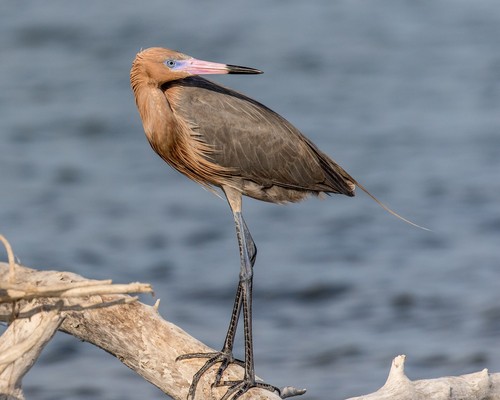
Reddish Egret
68-82 cm (27-32 in) long, 116-125 cm wingspan
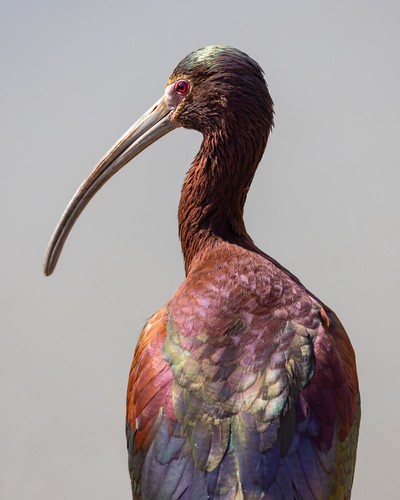
White-faced Ibis
46-56 cm (18-22 in) long, 88-93 cm wingspan
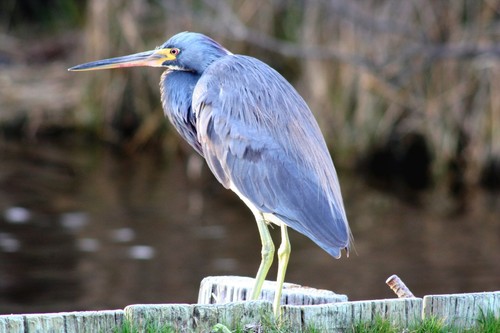
Tricolored Heron
61-76 cm (24-30 in) long, about 96 cm wingspan
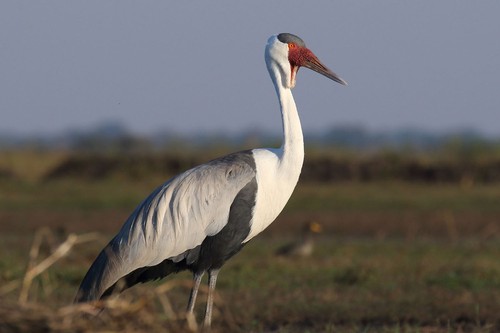
Wattled Crane
120-175 cm (47-69 in) tall, one of the tallest cranes, wingspan up to about 230 cm (7.5 ft)

White-naped Crane
112-125 cm (44-49 in) long, 195-210 cm wingspan
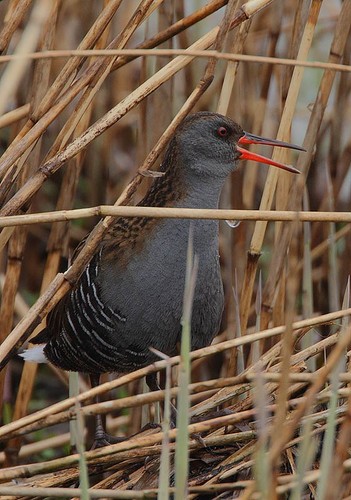
Water Rail
23-28 cm (9-11 in) long, wingspan 38-45 cm
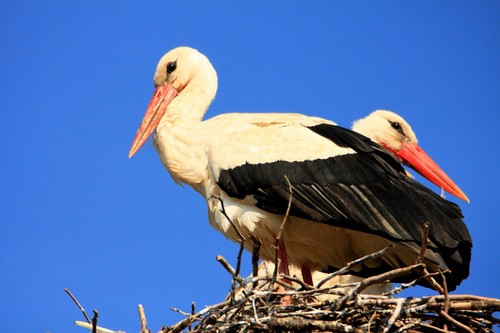
White Stork
100-125 cm (39-49 in) long, 155-215 cm wingspan
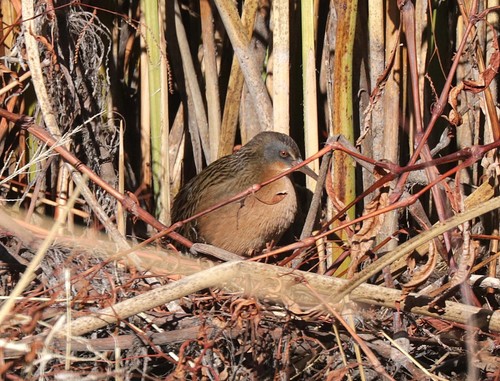
Virginia Rail
20-27 cm (8-11 in) long, wingspan 32-38 cm
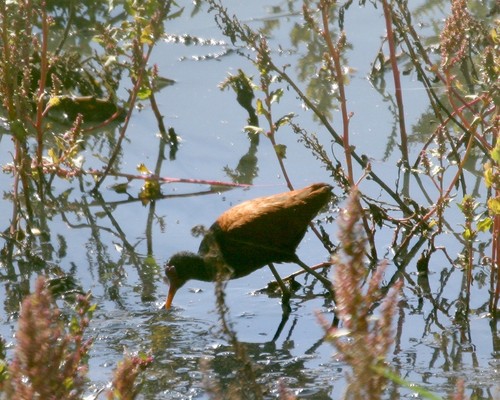
Wattled Jacana
17-23 cm (7-9 in) long